
Farm Shops Near Me: Your Guide to Finding Local Produce

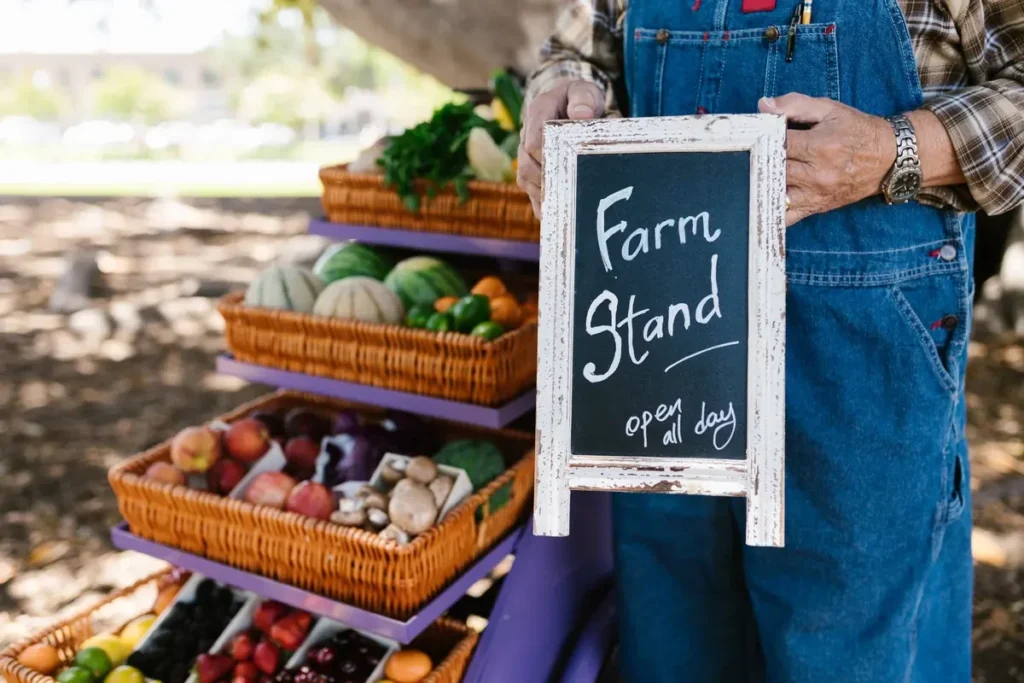
There’s something genuinely special about walking into a proper farm shop, isn’t there? The smell of fresh bread, the sight of muddy vegetables still bearing traces of the field they came from, and the knowledge that what you’re buying hasn’t travelled hundreds of miles to reach your basket. Over the past five years, I’ve visited dozens of farm shops across the UK, from tiny roadside stalls in the Cotswolds to sprawling operations in Kent’s Garden of England. What I’ve learnt is that finding a brilliant farm shop near you can transform not just your weekly shop, but your entire relationship with food.

The challenge, though, is knowing where to start. Farm shops vary enormously in size, quality, and what they actually offer. Some are genuine working farms selling their own produce, whilst others are essentially country-themed supermarkets stocking products from multiple suppliers. In this guide, I’ll share what I’ve discovered about finding and choosing farm shops in your area, what makes a good one stand out, and how to make the most of seasonal availability throughout the year.

Best Options Near You

When I’m searching for a farm shop near me in a new area, I use a combination of online resources and old-fashioned asking around. The quality difference between farm shops can be substantial, so it’s worth doing a bit of homework before you make a special journey.

Using Online Directories and Maps

Google Maps is my first port of call, but I’ve found it’s not always accurate. Farm shops often have irregular opening hours, particularly smaller operations that might be staffed by the farming family themselves. I always ring ahead if I’m travelling more than 10 miles. The Farm Retail Association has a decent online directory that lists member shops across the UK, and these tend to be more established operations with reliable opening times.

Social media has become surprisingly useful for this. Many farm shops maintain active Facebook or Instagram accounts where they post what’s currently available. I follow about a dozen local to me in Herefordshire, and it’s brilliant for spotting when asparagus season starts or when they’ve got fresh lamb in. Local Facebook groups for your area can be goldmines of recommendations too, though you’ll need to filter through the inevitable debates about parking and pricing.

What Different Types of Farm Shops Offer

Not all farm shops are created equal, and understanding the different models helps set expectations. Single-farm shops sell produce grown or reared on that specific farm. I visited one near Thirsk in North Yorkshire that specialised in beef and lamb from their own herds – the quality was exceptional, but the range was obviously limited to what they produced.

Multi-supplier farm shops are more common, particularly in tourist areas. These stock produce from multiple local farms and producers, often including bakery items, preserves, and dairy. Farmer Copleys in Pontefract is a good example – it’s technically one farm’s shop, but they stock products from dozens of Yorkshire suppliers. The advantage is variety; the potential downside is that not everything is genuinely local despite the setting.

Then there are farm shop chains, which I’ll be honest about – they’re often more ‘country supermarket’ than traditional farm shop. Wyevale Garden Centres’ food halls fall into this category. They’re convenient and the quality is usually decent, but you’re not getting the same connection to local producers. That said, they serve a purpose if you want farm shop-style products but need predictable opening hours and comprehensive stock.

Regional Variations Across the UK

I’ve noticed distinct regional patterns in what farm shops offer and how they operate. In East Anglia and Lincolnshire, vegetables dominate – hardly surprising given the agricultural landscape. Many operate on an honesty box system, particularly for things like potatoes, carrots, and seasonal produce like asparagus or strawberries.

Scottish farm shops often excel at meat, particularly beef and game. I visited one near Pitlochry that sold venison from local estates, and the staff could tell you which hill the deer had come from. Welsh farm shops frequently specialise in lamb, naturally, and many also stock local cheeses and preserves.

The South West has perhaps the most developed farm shop culture, likely due to tourism. Devon and Cornwall are packed with them, ranging from tiny operations to massive destination venues like Trevaskis Farm near Hayle, which includes a restaurant, play area, and events programme alongside the shop.

What to Look For

After visiting so many farm shops, I’ve developed a mental checklist for assessing quality. These indicators have rarely steered me wrong, and they apply whether you’re visiting a shop for the first time or deciding whether to become a regular customer.

Join the BFFD Community

Connect with thousands of UK growers, access our complete directory of farm shops and farmers markets, and get expert growing advice from our community.

Create Free Account

Signs of Quality and Authenticity

Proper traceability is the gold standard. Good farm shops will tell you exactly where products come from – not just ‘locally sourced’ but specific farm names and locations. If you ask about their beef and get a vague answer, that’s a red flag. When I can see fields from the shop car park with animals I’m about to buy meat from, that’s ideal, though obviously not always possible.

Look at the vegetables. Are they uniform and pristine, or do they show natural variation? Farm shops selling genuinely local produce will have carrots of different sizes, potatoes with the odd blemish, and seasonal availability gaps. If they’ve got perfect Spanish tomatoes in January, they’re supplementing from wholesalers – not necessarily bad, but you should know what you’re buying.

Staff knowledge matters enormously. I’ve found the best farm shops employ people who can discuss cooking methods, explain breed differences, and offer recipe suggestions. At a shop near Ludlow, the person serving me explained why their pork had better crackling (outdoor-reared breeds with proper fat cover) and suggested apple varieties to roast with it. That’s expertise you don’t get in supermarkets.

Pricing Expectations and Value

Let’s address the elephant in the room: farm shops aren’t cheap. You’ll typically pay 20-40% more than supermarket prices for comparable items. However, the comparison isn’t always straightforward. The chicken breast at a farm shop weighs more because it hasn’t been injected with water, and it won’t shrink to nothing when you cook it. The beef has usually been properly hung, developing flavour that supermarket meat simply doesn’t have.

Where I find best value is in seasonal produce and bulk buying. Asparagus in May, strawberries in June, and squash in autumn are often cheaper at farm shops than supermarkets because there’s no supply chain markup. Many shops offer discounts on larger quantities too – I buy half lambs for the freezer, which works out considerably cheaper per kilo than retail cuts.

That said, some farm shops take the mickey with pricing, particularly in wealthy areas or tourist hotspots. I’ve seen basic vegetables priced at double sensible rates, trading on the ‘farm shop premium’ without justifying it through quality. Trust your instincts – if it feels overpriced, it probably is.

Facilities and Shopping Experience

Practical considerations matter, especially if you’re planning to make regular visits. Parking can be problematic at smaller operations, particularly during peak times. I’ve learnt to visit mid-morning on weekdays when possible, avoiding weekend crowds.

Cold storage is crucial if you’re buying meat or dairy. Is there proper refrigeration? Do they pack frozen items appropriately? I once bought ice cream from a farm shop on a hot day, and it was soup by the time I got home because they’d just handed it to me in a paper bag. Better operations provide cool bags or ice packs, sometimes for a small fee.

Payment options have improved dramatically. Five years ago, many farm shops were cash-only, which caused me problems more than once. Now, most accept cards, though smaller roadside stalls might still rely on honesty boxes. Keep some cash handy just in case.

Seasonal Tips

One of the best things about farm shops is reconnecting with food seasonality. Supermarkets have trained us to expect everything year-round, but farm shops showcase what’s actually growing or ready right now. This seasonal variation is a feature, not a bug, though it requires adjusting your shopping habits.

Spring and Summer Shopping

Spring is asparagus season, typically running from St George’s Day (23rd April) through to mid-June. British asparagus is a completely different beast from the imports we get the rest of the year – sweeter, more tender, and it genuinely tastes of something. Farm shops in asparagus-growing regions (Vale of Evesham, East Anglia, Kent) often sell it incredibly fresh, sometimes picked that morning.

New potatoes arrive from May onwards, depending on variety and location. Jersey Royals get the publicity, but I’ve had equally good new potatoes from Cornwall, Pembrokeshire, and Ayrshire. Farm shops sell them with the soil still on, which helps them keep longer than pre-washed supermarket versions.

Summer means soft fruit. Strawberries peak in June, followed by raspberries, blackcurrants, and gooseberries through July and August. Pick-your-own operations often run alongside farm shops, which is both cheaper and ensures maximum freshness. I’ve found that farm shop berries last considerably longer than supermarket ones because they haven’t been refrigerated for days in transit.

Autumn and Winter Availability

Autumn is prime time for farm shops. Game season opens (grouse from August 12th, partridge from September 1st, pheasant from October 1st), and many farm shops stock locally shot birds. If you’ve never cooked game, this is your chance to try it – farm shop staff are usually happy to explain preparation methods.

Squash and pumpkins appear from September onwards. I’ve found huge variety at farm shops compared to supermarkets – not just the standard butternut, but Crown Prince, Uchiki Kuri, and unusual varieties bred for flavour rather than shelf life. Root vegetables come into their own too: proper maincrop potatoes, various swedes, turnips, and heritage carrot varieties.

Winter is leaner, admittedly. This is when farm shops’ reliance on local produce shows most clearly. You’ll find plenty of stored apples, root vegetables, and brassicas, but not much else British-grown. Some shops supplement with imports to maintain footfall; others lean into the seasonality and reduce their range. I actually prefer the latter approach – it feels more honest.

Planning Around Peak Times

Farm shops get extremely busy at certain times. The run-up to Christmas is manic, particularly if they sell fresh turkeys and geese. I order my Christmas poultry in October now, having learnt this lesson the hard way. Easter, harvest festivals, and bank holidays also bring crowds.

Conversely, January and February are quiet months. Some smaller operations reduce opening hours or close entirely for maintenance. This can be frustrating, but it’s the reality of farming cycles. Ring ahead during winter months to avoid wasted journeys.

Frequently Asked Questions

Are farm shops cheaper than supermarkets?

Generally no, farm shops cost more than supermarkets for most items. You’re paying for higher welfare standards, better quality, genuine traceability, and supporting local producers. However, seasonal produce can be competitive or even cheaper when it’s at peak availability. I’ve bought asparagus, strawberries, and certain vegetables at farm shops for less than supermarket prices during gluts. The value proposition isn’t about price alone – it’s about quality per pound spent. A chicken that costs £12 but feeds six people well is better value than a £4 bird that feeds four poorly.

How do I know if a farm shop is genuinely selling local produce?

Ask specific questions. Where exactly does this meat come from? Which farm grew these vegetables? Legitimate farm shops will answer readily and proudly, often with more detail than you wanted. Check labelling – proper shops clearly identify produce origins. Look at what’s in season; if they’re selling British strawberries in December, something’s amiss. Visit the farm itself if possible. Many genuine farm shops are physically on working farms where you can see crops growing or animals grazing. Be aware that ‘local’ is sometimes interpreted loosely – I’ve seen products labelled ‘local’ that came from 50 miles away.

Do farm shops sell organic produce?

Some do, some don’t. Organic certification is expensive and time-consuming, so many small farms use organic or near-organic methods but aren’t formally certified. This is particularly common with vegetables. Farm shops should be transparent about this – if produce is certified organic, they’ll display certification. If it’s grown using organic principles but not certified, they should explain that. Don’t assume everything at a farm shop is organic just because it looks rustic. Equally, don’t dismiss non-organic produce from good farms; many use minimal interventions and high welfare standards without pursuing organic certification.

Can I order online from farm shops?

Increasingly, yes. The pandemic accelerated this trend dramatically, and many farm shops now offer delivery or click-and-collect services. Larger operations often have sophisticated online systems; smaller ones might just take orders via email or phone. I’ve found online ordering particularly useful for bulk purchases – ordering half a lamb or a large meat box is easier done ahead than turning up and hoping they’ve got stock. Delivery options vary enormously. Some deliver free within a radius; others charge; some only offer collection. Fresh produce ordering can be tricky as availability changes rapidly, so there’s often flexibility in substitutions.

What should I bring when visiting a farm shop?

Bring more bags than you think you’ll need – farm shops often don’t provide free bags, and you might buy more than planned. Cool bags are essential in warmer months if you’re buying meat, dairy, or anything temperature-sensitive. Cash is still worth carrying, though less critical than it used to be. If you’re buying in bulk, bring containers or boxes for your car boot. I keep a proper coolbox in my car during summer specifically for farm shop visits. Wellies or decent shoes matter at some locations, especially after rain when car parks can be muddy. Finally, bring an open mind and willingness to try unfamiliar varieties or cuts.

How can I find farm shops when travelling in unfamiliar areas?

Google Maps works but isn’t comprehensive. I supplement it with the Farm Retail Association directory and local tourism websites, which often highlight farm shops as visitor attractions. Tourist information centres can be surprisingly helpful if you’re actually passing one. Local Facebook groups for the area sometimes yield recommendations if you ask nicely. Look for brown tourist signs on A-roads, which often indicate farm shops. When I’m staying somewhere new, I ask accommodation hosts or pub landlords for recommendations – locals always know the good spots. Don’t be afraid to stop if you see a sign or honesty box by the roadside; some of the best produce I’ve bought came from unplanned stops at tiny operations that barely have an online presence.

If you’re looking to take the next step, explore our full resource hub where we cover practical growing guides, seasonal advice and sustainable farming insights in greater depth.

You can also join the conversation inside our community forum, where growers, allotment holders and small-scale farmers share real experiences, challenges and solutions.

For those ready to plan ahead, our Growers Calendar provides structured monthly guidance on what to sow, plant and harvest, helping you stay aligned with the British growing seasons.

Making Farm Shops Part of Your Routine

I’ll be straight with you: regularly shopping at farm shops requires more effort than supermarket visits. Opening hours are often limited, stock varies with seasons, and you might need to visit multiple places to get everything on your list. Some weeks I simply don’t have time for it, and that’s fine – this isn’t about perfection or purity.

What I’ve found works is building farm shops into existing journeys rather than making special trips for everything. There’s a brilliant one between my house and my parents’, so I stop there when visiting them. Another is near my daughter’s football training. This opportunistic approach makes it sustainable rather than burdensome.

Start small if you’re new to farm shops. Buy just meat for a month, or focus on vegetables. See what you notice about quality and taste. Most people find certain products where the difference is striking – for me, it’s chicken and tomatoes – and those become regular farm shop purchases whilst other items stay on the supermarket list.

The relationship aspect matters more than I expected. Getting to know farm shop staff, understanding their supply rhythms, and being recognised as a regular customer enhances the experience considerably. They’ll save you special items, let you know when particular produce is coming in, and share cooking tips. This personal element is something supermarkets simply can’t replicate.

Farm shops aren’t a complete solution to food shopping for most people, and they don’t need to be. What they offer is reconnection with where food actually comes from, support for local agriculture, and genuinely better quality for certain products. Finding a good farm shop near you is worth the effort, even if you only visit occasionally. Your cooking will benefit, you’ll eat more seasonally, and you’ll actually know the story behind what you’re eating. That feels increasingly valuable in our disconnected food system.

Jack Bennett
Author: Jack Bennett

Successful farming starts with understanding the rhythm of the seasons. Each time of year brings unique challenges and opportunities, and adapting your farming practices accordingly can make a significant difference in crop health, soil quality, and overall yield. In this blog, we share practical, season-by-season farming advice designed to help you make informed decisions throughout the year. From preparing the soil in early spring and selecting the right crops for summer growth, to managing irrigation during hot months and protecting plants as temperatures drop, our guidance is based on proven techniques and real farming experience. You’ll find tips on improving soil fertility, optimizing planting schedules, controlling pests naturally, and using resources efficiently to reduce waste and increase productivity. We also cover best practices for harvesting and post-harvest care, ensuring that the hard work you put into your fields results in higher-quality produce and better returns. Whether you manage a small family farm or larger agricultural operations, seasonal planning is key to long-term success. By working with nature instead of against it, you can build healthier fields, achieve more consistent yields, and create a more sustainable future for your farm.

Share on:

Stories, Tips & Traditions

Growing Vegetables in the UK: A Complete Practical Guide

Does anyone else find it very satisfying – harvesting your own vegetables when you’ve nurtured them from seed or seedling through our unpredictable British weather.

Was There A Vegetable Garden At The White House?

Did you know that there were vegetable gardens at the White House? Well there were.. In this blog lets explore the differences in UK and US growing.

Sowing Seeds in the UK: A Complete Guide for Gardeners

Learning how to sow seeds and sowing them well is very tough. Lets get some guidance with this blog post.