The Carbon Credit System

Learn what carbon credits are, how carbon markets affect farmers, why food and land are becoming part of carbon schemes, and what consumers should understand.

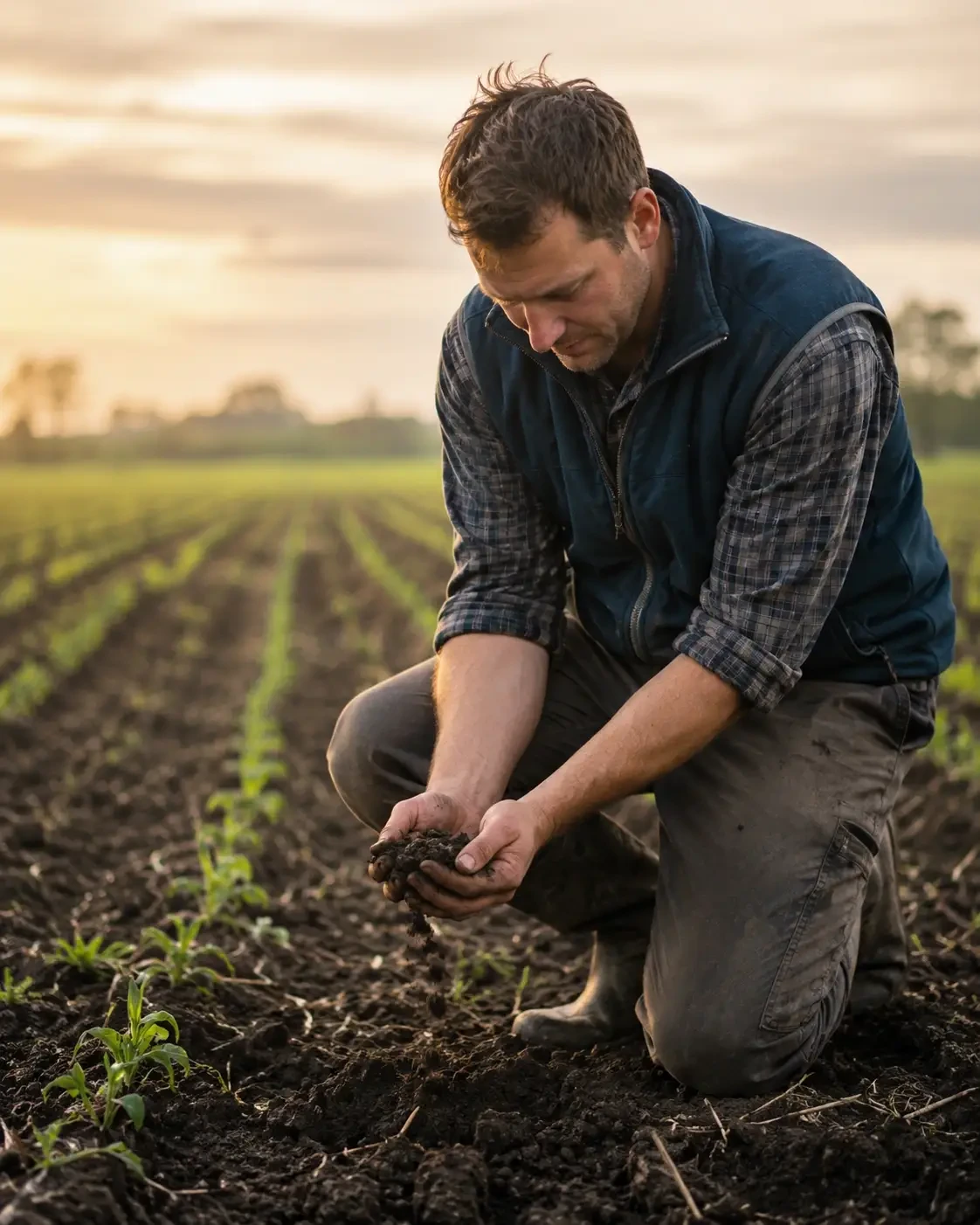
Farm or Grower Changes Land Practices

Carbon Consumption Measured

Carbon Credit Is Creadted Or Claimed

Business Buys Credit

Credit Used In Climate Offset

Farm Carbon Project

A farm changes land management to store carbon or reduce emissions.

Corporate Offset Claim

A business buys credits to support a climate claim.

Consumer Carbon Risk

Future systems could make food choices more closely linked to carbon scores, spending limits or digital tracking.

Carbon Credits UK

Carbon credits are used in carbon markets to put a financial value on reducing or removing greenhouse gas emissions. A farmer, land manager or project developer may create credits by changing land use, planting trees, restoring peat, improving soil carbon or reducing emissions. A company may then buy those credits to help meet voluntary climate targets or make offsetting claims. Carbon credits can create new income for farmers, but they also carry serious questions around measurement, ownership, contracts, greenwashing, food production, land use and whether the benefit is genuinely additional. For consumers, carbon credits are different from personal carbon allowances, but both raise important concerns about food choice, privacy, behaviour tracking and future restrictions.

We are concerned that this practice of introducing carbon credits is a way for governments to emphasise their authority over farmers but more so consumers. If your food purchases are tied to a digital ID and consequentially a carbon allowance then your favourite meal may be a thing that becomes unaffordable.  
What Carbon Credits Mean

Carbon credits are designed to turn carbon reduction or carbon storage into something that can be measured, verified and traded.
In simple terms, a project claims to reduce emissions or remove carbon from the atmosphere. That claimed benefit is measured in tonnes of carbon dioxide equivalent. If the project meets the rules of a carbon standard or scheme, credits may be issued. Those credits can then be bought by businesses, organisations or individuals who want to compensate for emissions elsewhere.
In the farming and land sector, carbon credit projects may involve tree planting, hedgerow creation, peatland restoration, soil carbon work, agroforestry, changed grazing systems, reduced fertiliser use or other land management changes.
The UK Government has described voluntary carbon and nature markets as markets where businesses can buy credits that represent carbon or nature benefits, and has consulted on how to raise integrity in those markets. The consultation responds to calls from business, finance, farming and environmental stakeholders for clarity on governance and market quality.
For BFFD, carbon credits matter because land, food production and farming are increasingly being pulled into financial and environmental markets. That affects farmers, food supply and eventually the public.

Carbon Credits and Carbon Allowances Are Not the Same

This distinction matters.
For BFFD, the concern is not only what exists today. It is where these ideas may lead when food, payments, identity, carbon scoring and digital tracking become more connected.

How Carbon Credits Relate to Farmers

Farmers and land managers are increasingly being approached about carbon markets because they manage land that can store carbon, reduce emissions or deliver wider environmental benefits.
Farm Carbon Toolkit notes that the voluntary carbon market has grown in recent years and may offer UK farmers and landowners new income streams for climate friendly farming practices, but also says the route into these markets can be unclear.

The NFU has described the voluntary carbon market as a system for generating and trading carbon credits used to meet non legally binding commitments, such as voluntary corporate climate targets. It also distinguishes this from compliance markets, which are linked to legally binding emissions reduction schemes.

The opportunity is obvious: farmers need income, and carbon markets may appear to pay for environmental work that many farms are already interested in. HOWEVER caution needs to be advised when the incentives that are being perused look to go beyond environmental reach. 
Are Farmers Being Coerced Into Carbon Credits?

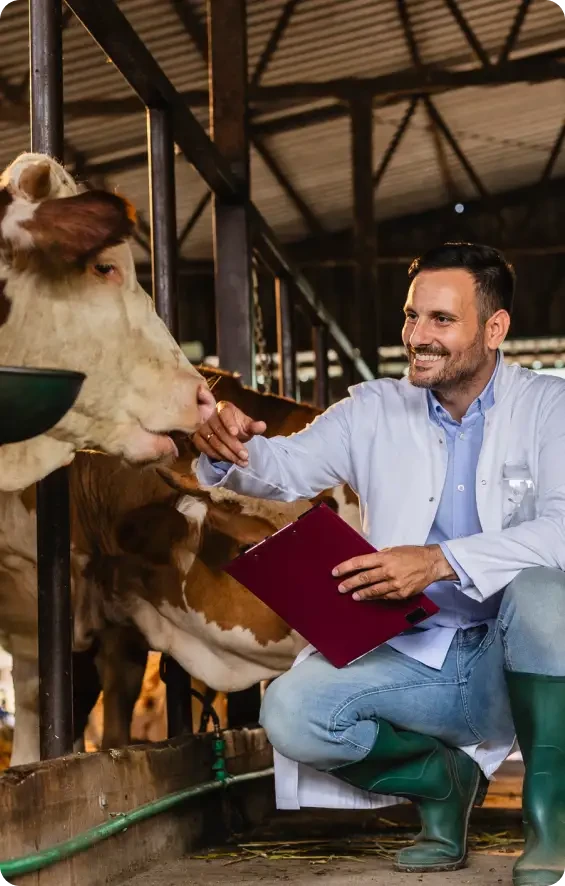
Not every farmer is being forced into carbon credit schemes. Many are exploring them voluntarily because farm margins are tight, public support schemes are changing and environmental payments are becoming part of the future farm income mix.
However, farmers can feel pressured when traditional income is squeezed, subsidies change, buyers demand environmental evidence, banks and investors ask for carbon data, and large companies want supply chains to show lower emissions. In that environment, carbon schemes may begin to feel less like an optional extra and more like something farmers must engage with to remain commercially acceptable.
A farmer may be told that joining a carbon scheme creates a new income stream. They may also be told that their supply chain, lender or retailer increasingly expects carbon reporting. They may be encouraged to sign contracts that affect land decisions for years. They may sell a carbon credit without fully understanding whether they have also sold a claim they might later need for their own farm business. This is why farmers need independent advice before signing anything.
Carbon markets can be useful, but they can also transfer control over land based environmental claims away from the farmer if contracts are not understood properly.

Risks for Farmers

Carbon credits can create income, but farmers need to understand the risks.

A carbon contract may affect land use, future claims, scheme eligibility, tenancy arrangements, inheritance planning, business flexibility and the ability to prove the farm’s own environmental progress. Soil carbon can also be difficult to measure because it varies by soil type, weather, management, sampling method and time period.

RICS has noted that the UK agricultural sector is well placed to contribute to carbon sequestration because around 70 percent of UK land mass is agricultural land, but also says realising the potential of carbon markets requires the establishment of robust methods and frameworks.
Research on agricultural soil carbon markets has also highlighted that farmers can be reluctant to engage, that information around these markets is often polarised, and that farmers lack access to credible, context appropriate market information.
Before entering a scheme, farmers should ask:
For BFFD, this matters because farmers should not be pushed into complex carbon deals without understanding the long term trade off.

Carbon Credits and Greenwashing

Carbon credits can be used honestly, but they can also be used badly.
A company may buy credits and then make a claim that sounds stronger than the reality. For example, a business might imply that its product is “carbon neutral” without making clear how much it has reduced its own emissions and how much depends on offsets elsewhere.
The UK’s Green Claims Code says environmental claims must be clear, unambiguous, accurate and not misleading. It also warns that broad terms such as “green”, “sustainable” or “eco friendly” are more likely to mislead if they are not properly explained and substantiated.
The Advertising Standards Authority also says marketers must base environmental claims on the full life cycle of the advertised product unless they state otherwise, and must make clear the limits of that life cycle.
For shoppers, the practical lesson is simple: do not treat a carbon label or offset claim as proof that a food product is automatically better, fairer, local, healthy or responsibly produced.

What Carbon Credits Could Mean for Consumers

Today, most consumers are not given a personal carbon credit balance when they buy food… but this can change.
However, there is growing interest in carbon labels, carbon tracking, digital payment systems, loyalty data, climate nudges and personal carbon allowance ideas. These systems are not all the same, but together they raise serious questions about privacy, freedom of choice and whether food decisions could become increasingly monitored or influenced.
Personal carbon trading has been discussed academically and politically for years. One research paper describes personal carbon trading as a policy proposal where all adults receive an equal tradable carbon allowance covering household energy or personal travel, with the allowance reducing over time.
The concern for BFFD is what happens if similar thinking moves further into food choices. If food purchases are linked to carbon scoring, digital ID, payment systems or behaviour tracking, people could be nudged, penalised or restricted based on what they buy. Protein sources, meat, dairy, travel to shops, delivery choices or household consumption patterns could all become part of a system that claims to manage carbon but also shapes behaviour.
That does not mean every carbon label is dangerous. It means the public should pay attention before carbon accounting becomes a quiet form of control.

How End Users Could Get Caught Out

If personal carbon allowance style systems ever become common, people could face a very different relationship with food and spending.
A person might be shown a carbon score at checkout. They might be nudged away from certain foods. They might be rewarded for buying lower carbon products. They might find some foods more expensive because of carbon pricing. In a stricter system, they could be given a carbon budget and need to manage spending across transport, energy and food.

This is why users need to understand the language now:

BFFD’s position is that food choice should remain human, practical and rooted in real needs. People should not be made afraid of feeding their families properly because a digital system turns food into a behavioural score.

LEARN MORE ABOUT CARBON CREDITS

PURCHASE OF CARBON CREDITS

CARBON FINANCING

CARBON CREDIT PRICE

Carbon Credits and Food Prices

Carbon markets and carbon accounting can eventually affect food prices. If farmers face extra reporting costs, if processors must pay carbon related costs, if retailers demand lower carbon supply chains, or if certain products become politically targeted, those costs may move through the food system. That does not mean every carbon scheme automatically raises food prices. But carbon accounting is not free. Measurement, verification, consultants, audits, software, reporting, land use changes and compliance all cost money.

The important question is who pays.

Farmers may be asked to carry costs. Consumers may see higher prices. Large corporations may use carbon claims to protect reputation. Middlemen may make money from the market. Meanwhile, the producer and the shopper may still be under pressure.For BFFD, this is why food systems should not be judged only through carbon metrics. Affordability, food access, producer survival, nutrition, community resilience and national food production matter too.

FAQ

What are carbon credits?

Carbon credits are tradeable units representing a claimed reduction, avoidance or removal of greenhouse gas emissions, usually measured as one tonne of carbon dioxide equivalent.
Carbon credits may offer farmers income for land management changes such as soil carbon work, tree planting, peat restoration or emission reduction. They can also create risks around contracts, land use, future claims, measurement and long term business flexibility.
Not usually in a direct legal sense. However, farmers may feel structural pressure from changing subsidies, buyer demands, lender expectations, supply chain reporting and the promise of new income streams.
Carbon credits are often used as offsets when a business buys credits to compensate for emissions elsewhere. The quality of offsets depends on measurement, verification, permanence, additionality and transparency.
Carbon credits usually represent claimed reductions or removals, often in voluntary markets. Carbon allowances usually permit emissions within regulated systems such as the UK Emissions Trading Scheme.
Personal carbon allowance systems have been proposed and trialled in limited ways, but they are not the same as business carbon credits. They raise questions around privacy, fairness, cost, behaviour tracking and individual freedom.
They can contribute to costs if farmers, processors, retailers or supply chains face extra reporting, verification, compliance or land use costs. The effect depends on the scheme and who pays.
BFFD cares because carbon markets affect land, farming, food production, consumer trust and future food access. Food should not become so financialised or digitally controlled that ordinary people lose sight of producers, provenance and practical choice. Carbon credits look harmless on the surface but if the last decade has taught us anything it is that all government structures and incentives should be scrutinised.

Understand Carbon AS It Shapes Food

Carbon credits may become part of the farming landscape, but they should never replace clear food provenance, producer trust, affordability or local food access. BFFD is being built to help people find farmers, farm shops, markets, growers and specialist producers with clearer links between food, place, production and trust.