'Regenerative Farming'

'Regenerative farming' is an approach to farming that aims to improve soil health, biodiversity, water quality and farm resilience while still producing food.

Healthier Soil

Stronger Crops

Better Water Retention

More Resilient Farms

Cover Crops

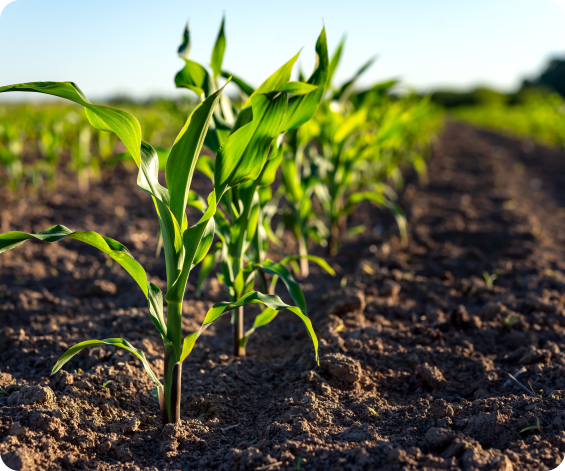
Plants grown to protect soil, add organic matter and reduce bare ground.

Reduced Soil Disturbance

Approaches that reduce unnecessary ploughing or cultivation where suitable.

Mixed Farming & Grazing

Livestock, grassland and cropping systems working together where appropriate.

What Regenerative Farming is so important

Regenerative farming means farming in a way that works with natural systems to improve the condition of the land over time. It often focuses on healthier soils, more biodiversity, better water management, reduced soil disturbance, cover crops, living roots, diverse rotations and livestock integration where suitable. In the UK, regenerative farming does not currently have one legal definition, so shoppers should look for clear explanations from farmers and producers rather than relying on the phrase alone.
Rather than treating land as something to extract from until it weakens, regenerative farming looks at how soil, plants, animals, water, wildlife and farm economics can work together. This can involve protecting soil structure, keeping living roots in the ground, using cover crops, reducing unnecessary disturbance, improving grazing management, increasing diversity and making better use of natural processes.
AHDB describes regenerative agriculture as encompassing practices such as no till, cover cropping, diversified rotations and integrating livestock into farming systems. It notes that these practices can improve soil quality and may bring wider benefits, including biodiversity and climate related benefits.

For BFFD, regenerative farming matters because people increasingly want to understand how food is produced, not only where it is sold. If a farmer is using regenerative practices, they should have a clear way to explain what that means in real terms.
Why Regenerative Farming Matters

Regenerative farming matters because soil health, water management and biodiversity are directly connected to the future of food.
Healthy soil supports crops, grass, livestock, water retention and long term productivity. Poor soil structure can make farms more vulnerable to drought, flooding, erosion and input pressure. Biodiversity also matters because farms depend on living systems, from pollinators and soil organisms to hedgerows, pasture, insects and wider habitats.
A 2025 Parliamentary POSTnote describes regenerative agriculture as a farmer led movement that aims to work with nature to improve soil health, biodiversity and water quality while maintaining food production. It also notes that UK food production is affected by degraded soils and extreme weather events, with those issues projected to worsen without changes in practice.
For shoppers, regenerative farming matters because it gives them a way to think about the land behind the food. For producers, it matters because it can help explain farming choices that are not always visible in the final product

DID YOU KNOW....Regenerative Farming
Has No Single UK Legal Definition

In the UK, regenerative farming does not currently have one legal definition in the same way that organic farming is regulated. The Soil Association states that organic is legally defined and independently inspected, while regenerative farming currently has no legal definition in the UK.
That does not mean regenerative farming is meaningless. It means the details matter.
A farm may describe itself as regenerative because it uses cover crops, diverse rotations, herbal leys, mob grazing, reduced cultivation, agroforestry, composting, mixed farming or other approaches. Another farm may use the term more loosely. Without a legal definition, shoppers and buyers should ask what the farm is actually doing.

Common Regenerative Farming Practices

Common practices may include keeping soil covered, reducing unnecessary soil disturbance, increasing plant diversity, using cover crops, maintaining living roots, integrating livestock where appropriate, improving grazing management, planting hedgerows, supporting pollinators, using compost or organic matter and managing water more carefully.
Not every practice suits every farm. Soil type, rainfall, livestock system, crops, machinery, tenancy agreements, markets and finances all affect what is realistic.
This is why BFFD should always present regenerative farming as a practical farming approach, not a one size fits all recipe.Farm to fork is the everyday way people understand the same broad idea: food has a journey, and that journey should not be invisible.

How To Improve Regenerative Farming and Soil Health

Healthy soil is not just dirt. It is a living system containing minerals, organic matter, water, air, plant roots, fungi, bacteria, worms and other soil life. A farm with healthier soils may be better placed to hold water, support crops, cycle nutrients and cope with difficult weather.

The UK Government’s Farming with Nature campaign says practical steps such as improving soil health and adding buffer strips can support farm businesses, with potential benefits including lower input costs, higher margins and improved nutrient retention.

:This is important because regenerative farming is not only an environmental idea. Many farmers are interested in it because it may help improve business resilience, reduce dependency on costly inputs and make land more productive over the long term. However over the years the following steps have been growing in popularity to improve regenerative farming as a whole:
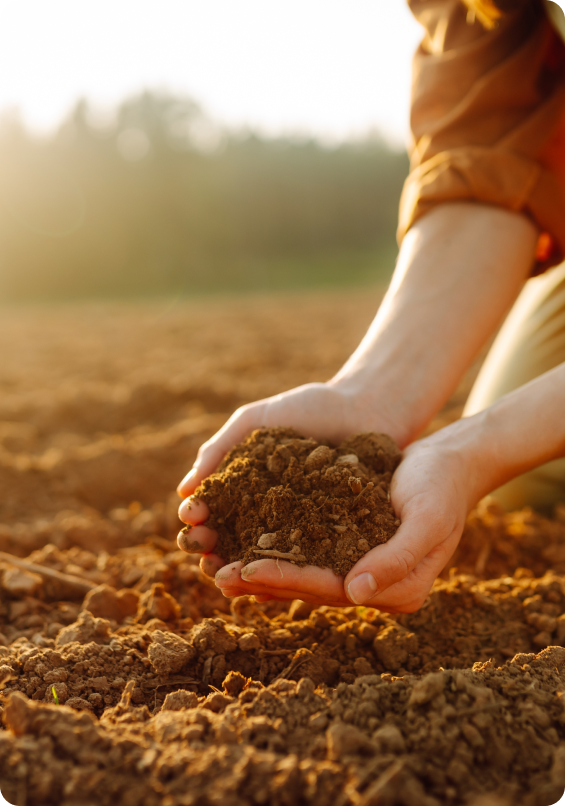
Examples of Regenerative Farming

Cover crops on an arable farm

A farm grows cover crops between main crops to protect soil, add organic matter and reduce bare ground.

Reduced cultivation

A grower reduces ploughing or heavy cultivation where suitable to protect soil structure and soil life.

Diverse crop rotations

A farm uses more varied rotations to support soil fertility, reduce pest pressure and spread risk.

Planned grazing

Livestock are moved carefully across pasture to help manage grass growth, soil recovery and manure distribution.
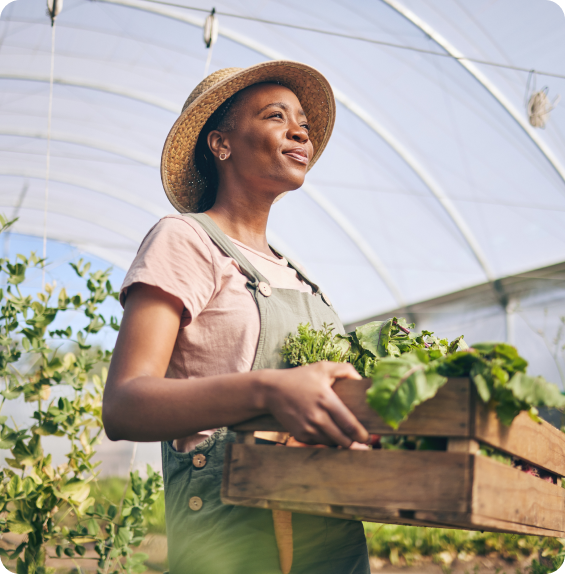
Regenerative Farming and BFFD

BFFD is being built to help people understand farming terms like regenerative farming and connect them to real suppliers.

If someone searches for regenerative farms near me, pasture raised food, grass fed beef, local vegetables, direct farm sales or farm shops with clear sourcing, they should be able to find suppliers who explain their farming systems properly.

BFFD can support regenerative farmers by giving them space to explain:

Common Misunderstandings About Regenerative Farming

Related Terms

FAQ

What does regenerative farming mean?

Regenerative farming is an approach that aims to improve soil health, biodiversity, water quality and farm resilience while continuing to produce food.
No. Regenerative farming does not currently have one legal definition in the UK. Organic farming is legally defined and independently inspected, but regenerative farming relies more on principles, practices and clear supplier explanation.
Examples may include cover crops, reduced soil disturbance, diverse rotations, living roots, planned grazing, hedgerow restoration, habitat creation and better water management.
No. Organic farming is certified under defined standards. Regenerative farming is usually a principle led approach focused on soil health, biodiversity and resilience. Some farms may be both organic and regenerative, but the terms are not the same.
Regenerative farming aims to improve natural systems while maintaining food production. The exact output depends on the farm, crops, livestock, soil, climate, management and market conditions.
Look for clear explanations of the practices used, the goals behind them, any measurements or evidence, and whether claims are certified, verified or self described.
BFFD cares about regenerative farming because shoppers need clearer information about how food is produced. The platform helps connect people with farmers and suppliers who can explain their land, practices, products and provenance.
You may be able to find farms using regenerative practices through local food directories, farm shops, farmers markets and direct farm sales. BFFD is being built to help users find suppliers by location, product and farming approach.

Find Food With Clearer Farming Practices

Regenerative farming should be explained through real land, real practices and real producers. BFFD is being built to help shoppers find farmers, farm shops, growers and specialist producers with clearer links between food, place, production and trust.