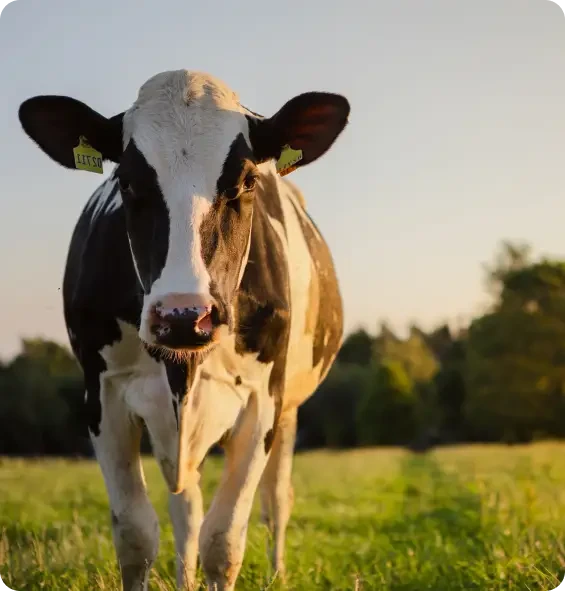
'The Grey Area Of Free Range'

Free range SHOULD usually mean animals or birds that have access to outdoor space, but the exact meaning depends on the product, the farming system and the rules or standards that apply.

What Free Range Means

Free range is one of the most recognised food terms in Britain, especially for eggs.
For many shoppers, the phrase suggests birds with outdoor access, more space and a farming system that feels less intensive than caged or fully indoor production. That general understanding is useful, but the details matter.
Free range does not mean that every bird spends all day outside. It does not mean the product is organic. It does not always mean small scale. It does not automatically mean local. It means the product is being marketed under a production description that usually involves outdoor access, with the precise rules depending on the product category.
For BFFD, the term matters because people searching for free range eggs, free range poultry or local free range suppliers need clear information. A supplier profile should not simply use the phrase and stop there. It should explain where the food comes from, how the animals are kept, how customers can buy and what the farm or producer wants shoppers to understand.

Why Free Range Matters

Free range matters because it affects how shoppers judge food, welfare, trust and value.
Many people choose free range because they want to support a system where animals or birds have access to the outdoors. Others choose it because they associate it with better farming, better food or stronger ethical standards. For producers, the term can represent genuine investment in land, housing, management, flock care and customer trust.
The difficulty is that shoppers often use simple labels to make quick decisions. If those labels are unclear, misunderstood or poorly explained, trust suffers.
This is why BFFD encourages clear supplier information. If a farm sells free range eggs, shoppers should be able to understand where the eggs come from, how the hens are managed, whether the farm sells direct, where the eggs can be collected and what makes the product different from a supermarket alternative.
Free range is not only a label. Done properly, it is part of a wider conversation about food provenance, farming systems and trust.

Why Organic Eggs are Better Than Free Range

For shoppers, the practical point is that free range eggs are part of a regulated marketing category. However, regulation does not mean every farm looks the same. One free range egg producer may operate on a large scale. Another may sell from a small flock at a farm gate. A third may supply local farm shops or markets.
Egg marketing standards in the UK cover the production, marking, grading, packing and marketing of eggs. GOV.UK provides guidance on egg marketing standards, and more detailed government guidance exists for rules covering egg production and marketing.

That is why supplier detail matters. A good free range egg listing should help users understand the farm, flock, location, availability, collection options and any additional standards or information the producer wants to share. Some ‘free range’ eggs are still essentially battery farmed and it’s becoming critical that consumers are told the difference. Some suppliers work very hard to ensure proper welfare of their animals where others are negligent and look for pure profits. 

Free Range Poultry Should Be The Minimum

In 2025, the UK Government announced changes to poultry meat marketing rules in England so that poultry can continue to be marketed as free range during mandatory housing measures introduced to protect birds from avian influenza. Previously, after 12 weeks of mandatory housing, free range poultry had to be labelled as indoor reared.
This is important because shoppers may assume free range always means current outdoor access at the exact moment of purchase. In reality, disease control measures such as avian influenza housing orders can affect how birds are kept for temporary periods while marketing rules still allow products to be sold as free range.
That does not mean shoppers should dismiss the term. It means they should understand the context and choose suppliers who communicate clearly. For BFFD, this reinforces why local food information needs to be current. If housing measures affect poultry or egg producers, supplier profiles should make it easier for customers to understand what is happening and how farms are responding.

Free Range, Pasture Raised and Organic

Free range, pasture raised and organic are often spoken about together, but they are not the same thing.

Free RANGE

Free range usually refers to outdoor access under relevant production and marketing rules. It is especially common for eggs and poultry.
Pasture raised

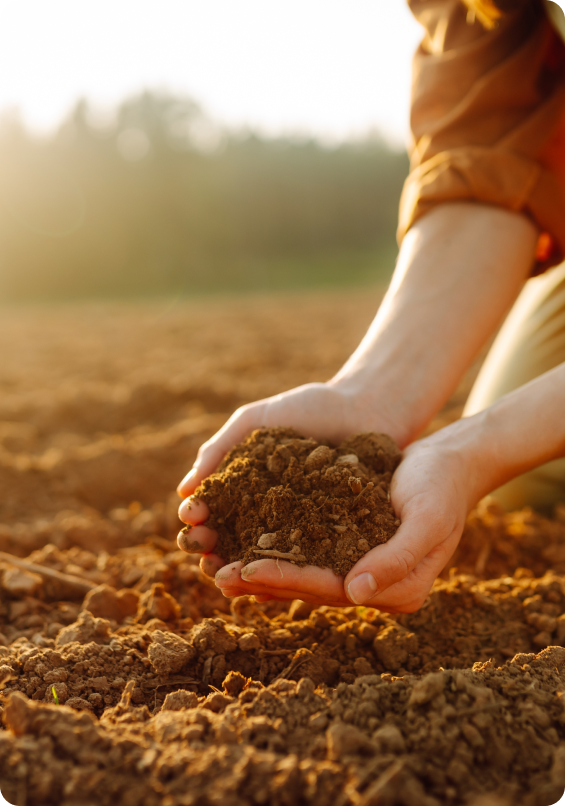
Pasture raised suggests animals or birds spend meaningful time on pasture, but the exact meaning can vary. It often needs clear supplier explanation.

Organic

Organic food is produced under certified organic standards. Organic systems can include additional rules around feed, inputs, land management and animal welfare.

Free Range and Food Provenance

A box of eggs labelled free range tells the shopper something about production type. A farm profile that explains the flock, location, land, collection point, feed, opening hours and update date tells the shopper much more.
Provenance helps turn a label into a relationship. It shows who produced the food, where it came from and how the customer can support that producer.
This is central to BFFD. The platform is designed to help shoppers find farmers, farm shops, markets and specialist producers with clearer information about what they sell and how it is produced

Free Range and Honest Labelling

The Food Standards Agency explains that country of origin or place of provenance must be indicated where failing to do so could mislead the consumer. GOV.UK food labelling guidance also says origin should be stated where packaging words or pictures imply a product comes from somewhere else.
That principle matters for free range too. Shoppers should not be left with an impression that is stronger than the truth. If a product is free range, the supplier should be able to explain what that means. If it is also local, British, organic, pasture raised or farm produced, those claims should be clear and accurate.

IF YOU CANT GET ORGANIC - LOOK FOR FREE RANGE!

Free range chicken from a local farm

A farm raises chickens with access to outdoor ranges and sells the meat directly to customers through a farm shop, market or local delivery service.

Free range turkey for seasonal orders

A producer supplies free range turkeys that have outdoor access during rearing and provides information about farming practices and origin.

Free range pork from outdoor-reared pigs

A farm raises pigs with outdoor access and sells pork products with information about animal welfare and production methods.

Free range duck from a regional producer

A producer supplies free range ducks that are reared with access to outdoor areas and sold through local retailers or direct orders.

Free Range and BFFD

BFFD is being built to make free range food easier to find and understand.
If someone searches for free range eggs near me, local free range eggs, free range poultry, farm eggs, local poultry farms or farm shops selling eggs, they should be able to find clear supplier options rather than scattered posts and uncertain listings.
BFFD helps by organising food discovery around product, place and supplier type.

A strong BFFD listing can show:


Supplier name
Location
Product type
Free range, organic, pasture raised or other claims where relevant
Opening times
Collection or delivery details
Seasonal notes
Update date
Website or contact details
Further information about the farm system

Free range should not be a vague marketing phrase. On BFFD, we try to make it part of a clearer food discovery journey.

Very Common Misunderstandings About Free Range

Related Terms

FAQ

So.. What does free range mean?

Free range usually means animals or birds have access to outdoor space. It is most commonly used for eggs and poultry, with specific marketing rules applying to those products.
For eggs, free range refers to hens kept under free range production conditions within egg marketing standards. These standards cover how eggs are produced, marked, graded, packed and marketed.
No. Organic is a separate certified farming system with additional rules. Free range focuses mainly on outdoor access under relevant standards.
No. Free range usually refers to outdoor access. Pasture raised suggests a stronger connection to pasture or grassland, but the exact meaning can vary and should be explained by the supplier.
No. Free range describes a production system, not a location. A free range product can be local, British or imported depending on the supplier.
Yes, mandatory housing measures can restrict outdoor access during avian influenza outbreaks. Rules around whether eggs or poultry can still be marketed as free range have changed in recent years, so shoppers should check current supplier information and official guidance.
You can look for local farms, farm shops, farmers markets and egg producers. BFFD is being built to help users find free range eggs and local producers by location, product and supplier type.
BFFD cares about free range food because shoppers need clear, honest information about how food is produced. The platform helps connect people with suppliers who can explain provenance, farming systems and product availability.

Find Food With a Clearer Story

Food provenance helps people understand where food comes from, who produced it and why that matters.

BFFD is being built to help shoppers find farmers, farm shops, markets, growers and specialist producers with clearer links between food, place and people.