Why Food Miles Matter
Food miles matter because food movement has real consequences.
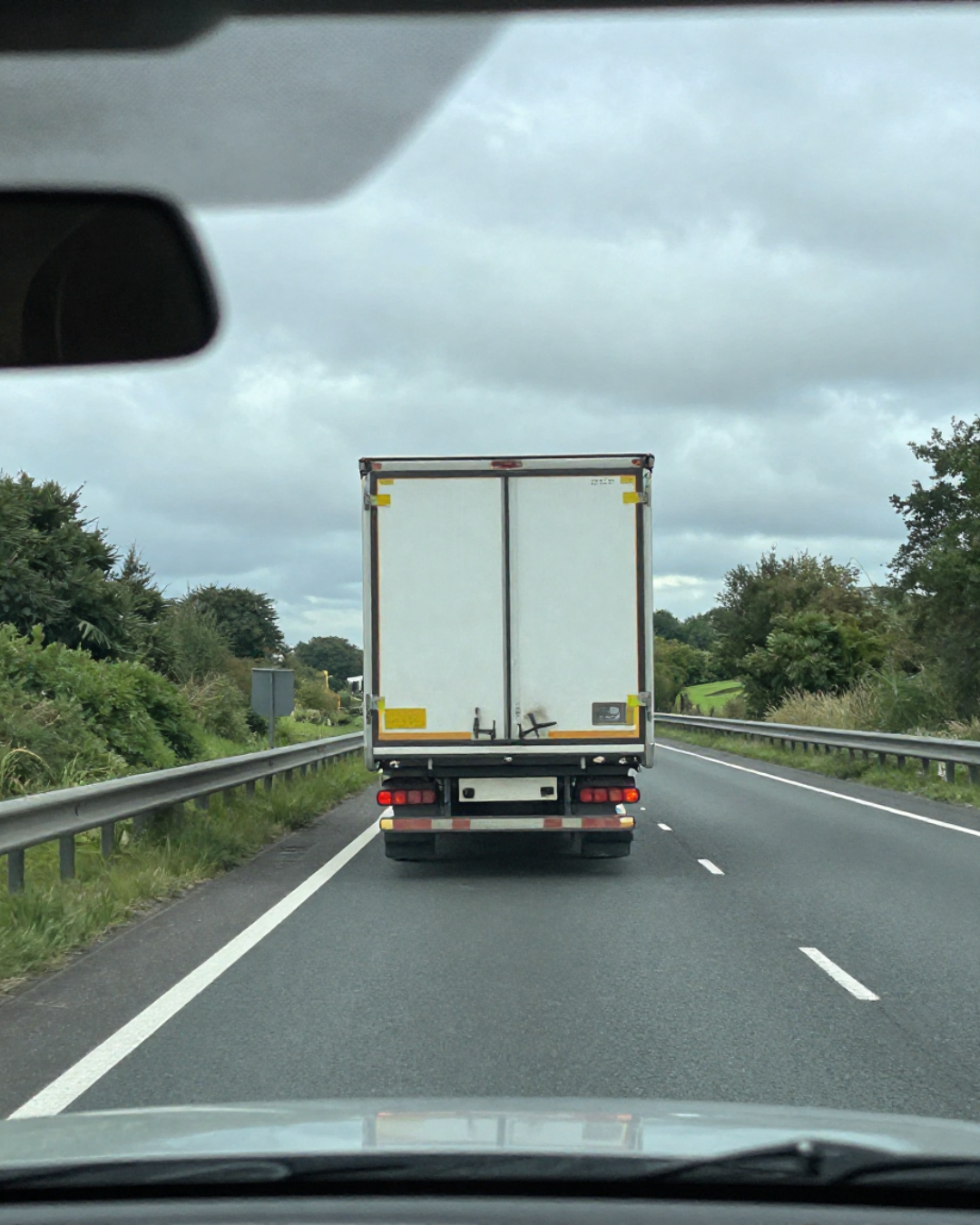
Transport uses fuel, infrastructure, refrigeration, packaging, handling and storage. Longer journeys can also make food feel more anonymous. The further food travels through a complex supply chain, the harder it may be for shoppers to understand where it came from and who produced it.
Food miles also matter because they affect the way people think about resilience. If a household only knows one way to shop, it has fewer options. If a community does not know which farms, growers, shops and markets exist nearby, local food becomes harder to support. If producers are difficult to find, the public is pushed towards the most visible centralised routes.
The UK Government’s food strategy for England sets out a vision for a food system that grows the economy, protects the environment and celebrates British food and culture. Food miles sit within that wider conversation because they connect sourcing, transport, supply chain structure and local food visibility.
For BFFD, the key point is practical: when people can find local food more easily, they have more choice about how far their food travels and who they support.