Farm to fork is a simple phrase for a much bigger food journey.
It starts with production. That could be a farmer rearing livestock, a grower harvesting vegetables, a dairy producing milk, a beekeeper collecting honey, a baker making bread, a fishmonger sourcing fish, or a cheesemaker turning milk into cheese.
From there, food may travel through several stages. It might be washed, packed, processed, chilled, stored, transported, distributed, displayed, sold, cooked and eaten. In some cases, the route is short. A customer buys eggs from a farm gate or vegetables from a grower at a market.
In other cases, the route is longer, involving processors, wholesalers, logistics networks, retail warehouses and supermarket shelves.
Farm to fork helps people see that food has a story before it reaches the plate.
At BFFD, the phrase matters because we want people to understand the route between producer and customer more clearly. When that route is visible, shoppers can ask better questions, producers can explain their work and local food becomes easier to value.
Farm to fork matters because food systems can become so complex that people lose sight of where food really comes from.
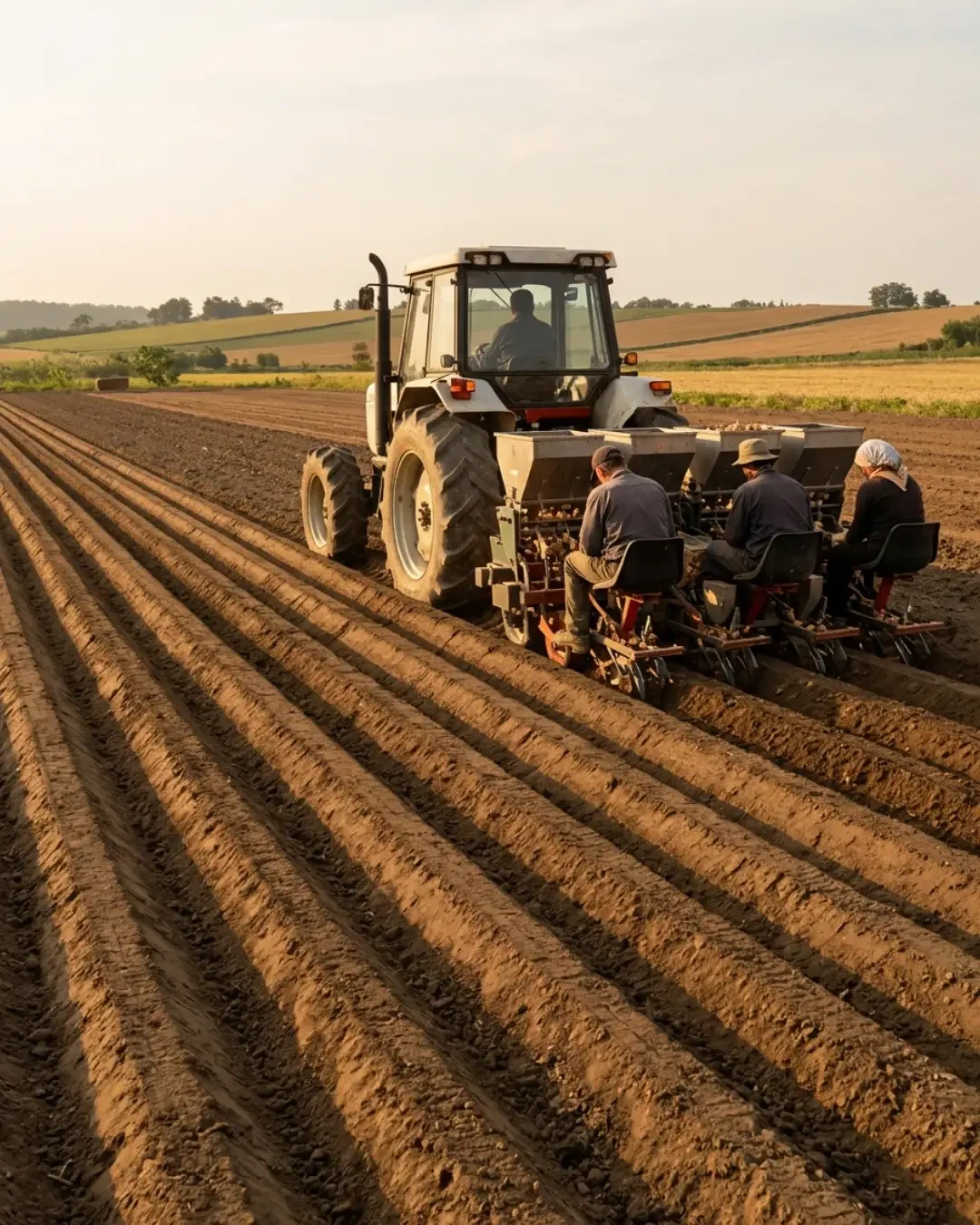
A product may look simple on a shelf, but the work behind it can involve soil, animals, weather, labour, machinery, processing, transport, storage, packaging, retail and regulation. When that journey is hidden, shoppers have less understanding of value, freshness, provenance and the people behind the food.
The UK Government’s food strategy for England describes a food system shaped by farmers, businesses, citizens and experts, with priority outcomes to grow the economy, protect the environment and celebrate British food and culture. That wider food system thinking matters because farm to fork is not only a phrase. It describes how food connects land, labour, supply chains, businesses and households.
For BFFD, farm to fork matters because local food should feel less distant. People should be able to see who produced food, where it came from and how it reached them.
Farm or Grower
Producer or Processor
Farm Shop, Market or Direct Sale
Kitchen Table
Direct Farm Sale
A customer buys eggs, milk, meat, fruit or vegetables directly from a farm.
Farm Shop Route
A farm shop sells its own produce and food from nearby suppliers.
Farmers Market Route
A producer sells face to face with shoppers at a local market.
Farm to fork and food provenance are closely connected.
For example, if a customer buys cheese from a local producer, the farm to fork journey may include the dairy, cheesemaking process, maturation, farm shop and customer. The provenance explains where the milk came from, who made the cheese and what gives it a particular identity.
BFFD treats these terms as part of the same trust system. People need to know where food came from and how it reached them.
A supplier profile can help by showing the producer name, location, product type, opening times, seasonal availability, update date and clear claims about sourcing.
Farm to fork is also linked to traceability.
Traceability is the ability to follow food through the supply chain. It matters for food safety, withdrawals, recalls and accountability. The Food Standards Agency explains that traceability rules help keep track of food in the supply chain and support efficient withdrawals and recalls of unsafe food when food safety problems occur.
For shoppers, traceability may feel technical, but it supports trust. It means food businesses should know where food or ingredients came from and, where relevant, who they supplied.
Farm to fork is the everyday way people understand the same broad idea: food has a journey, and that journey should not be invisible.
A clear farm to fork journey helps customers understand the route between producer and plate.
For a farm shop, this might mean showing what is grown on the farm, what comes from nearby suppliers and what is sourced from elsewhere. For a farmers market, it might mean giving stallholders space to explain where produce was grown, made or reared. For a butcher, it might mean naming farms, regions or production methods where appropriate. For a grower, it might mean explaining what was harvested that week.
A clear journey does not need to be overcomplicated. It should help answer:
For BFFD, this is why local food discovery should include more than a name and address. Good supplier information should help people understand the food journey.
A customer buys eggs directly from a farm through a simple route from flock to customer, making the source easy to identify.
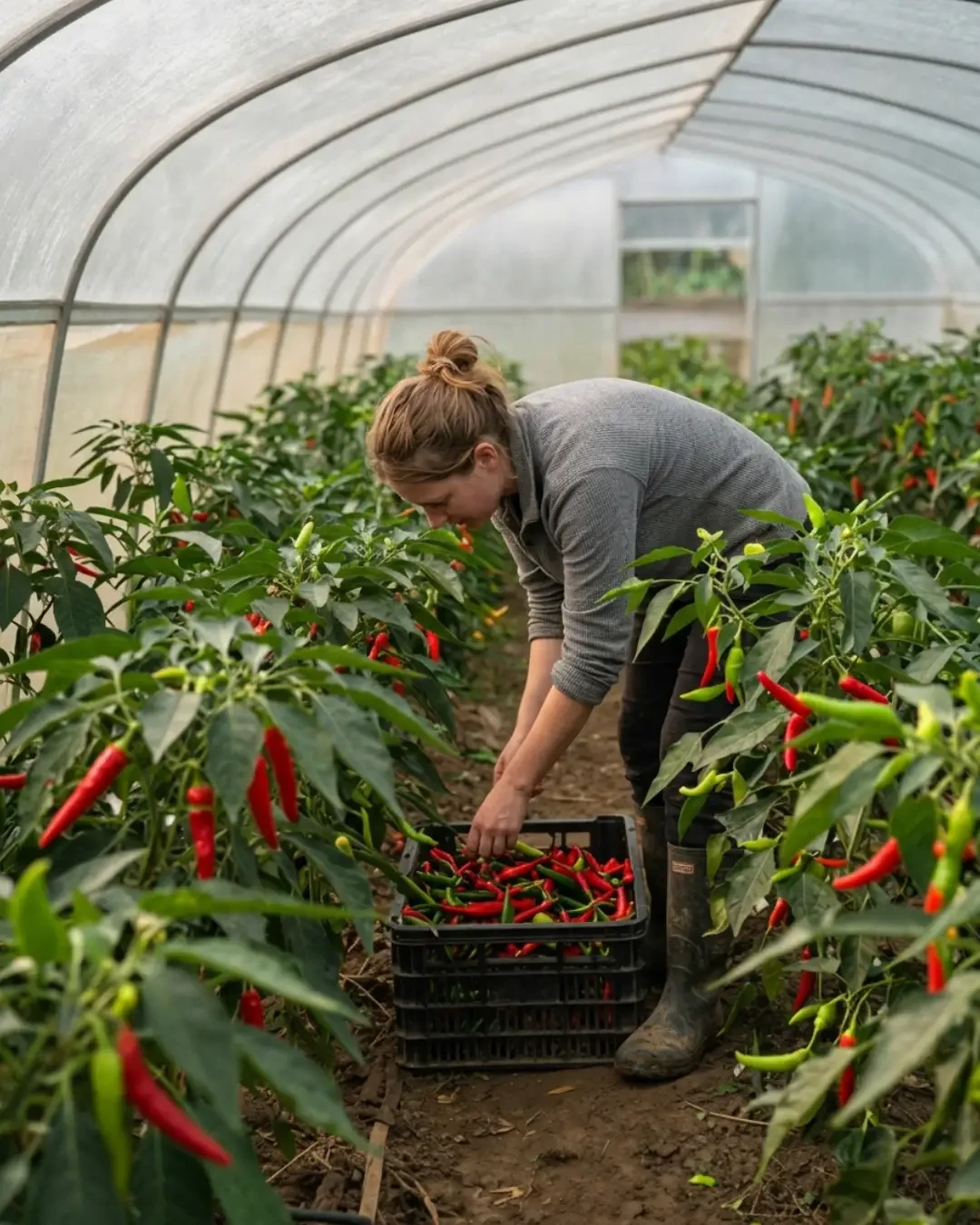
A grower harvests seasonal vegetables and sells them through a farm shop, farmers market or veg box. The customer can often learn what was harvested recently and what is coming next.
A baker may source flour, make bread, sell it through a farm shop, market or bakery counter, and explain ingredients or baking methods to customers.
A lamb producer may offer pre ordered meat boxes, explaining the farm, cuts, collection arrangements and freezer planning.
A farm shop may stock cheese from a local cheesemaker, with information about the milk source, region and production method.
Farm to fork is not only useful for shoppers. It also helps producers explain their value.
A farmer, grower, butcher, baker, cheesemaker, fishmonger, beekeeper or farm shop owner often knows the story behind the food better than anyone. The problem is that this story is not always visible online.
When producers explain the farm to fork journey clearly, customers can understand why the product matters. They can see the work, skill, care and route behind it. That can help build trust and make local food easier to support.
BFFD supplier profiles should help producers show that journey through clear descriptions, product categories, seasonal notes, sourcing information, photos and direct contact routes.
Farm to fork means the journey food takes from where it is grown, reared, caught or produced to the person who buys, cooks or eats it.
Farm to fork helps people understand the journey behind what they eat.
BFFD is being built to help shoppers find farmers, farm shops, markets, growers and specialist producers with clearer links between food, place and people.
Want to get food independence, support your local grower, get better prices and shop more privately?
Local food isn’t just something you find. It’s something you protect. A free account helps keep local supply visible, supported, and resilient.
….it takes 30 seconds for food lovers and 5 minutes for suppliers
We built this for people who care where their food comes from. For people who want to remain food secure. For Farmers to get to the local people, who deserve a better income and to deliver a better price for you. For the environmentally conscious and the privacy-conscious. An account simply helps us make the map and supplier reach more useful to you, without changing how open it is. You’re always in control.


Find local food. Stay connected to it. Create a free account to support local producers and be part of a growing food network.