Healthier Soil
Stronger Crops
Better Water Retention
More Resilient Farms
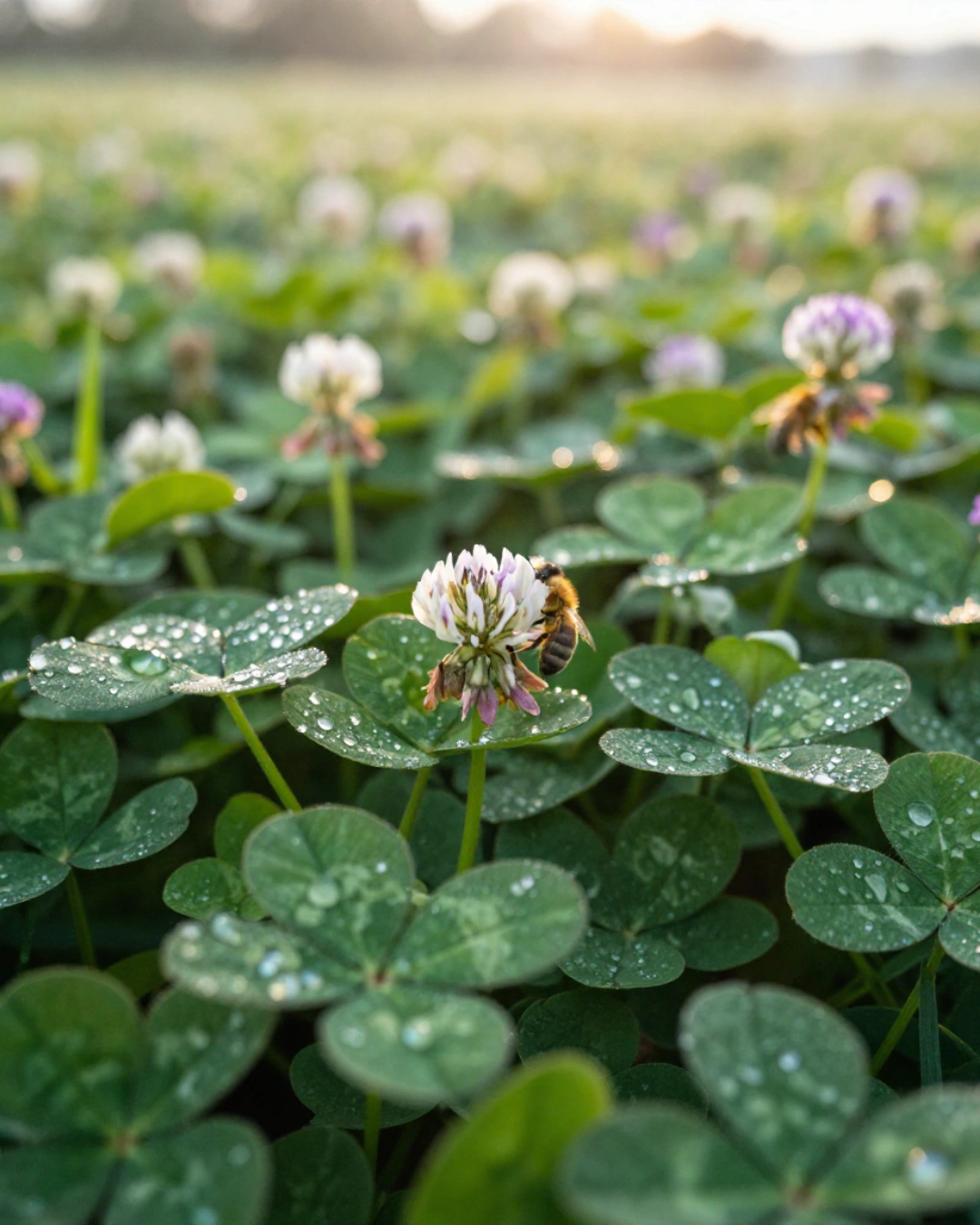
Cover Crops
Plants grown to protect soil, add organic matter and reduce bare ground.
Reduced Soil Disturbance
Approaches that reduce unnecessary ploughing or cultivation where suitable.
Livestock, grassland and cropping systems working together where appropriate.
For BFFD, regenerative farming matters because people increasingly want to understand how food is produced, not only where it is sold. If a farmer is using regenerative practices, they should have a clear way to explain what that means in real terms.
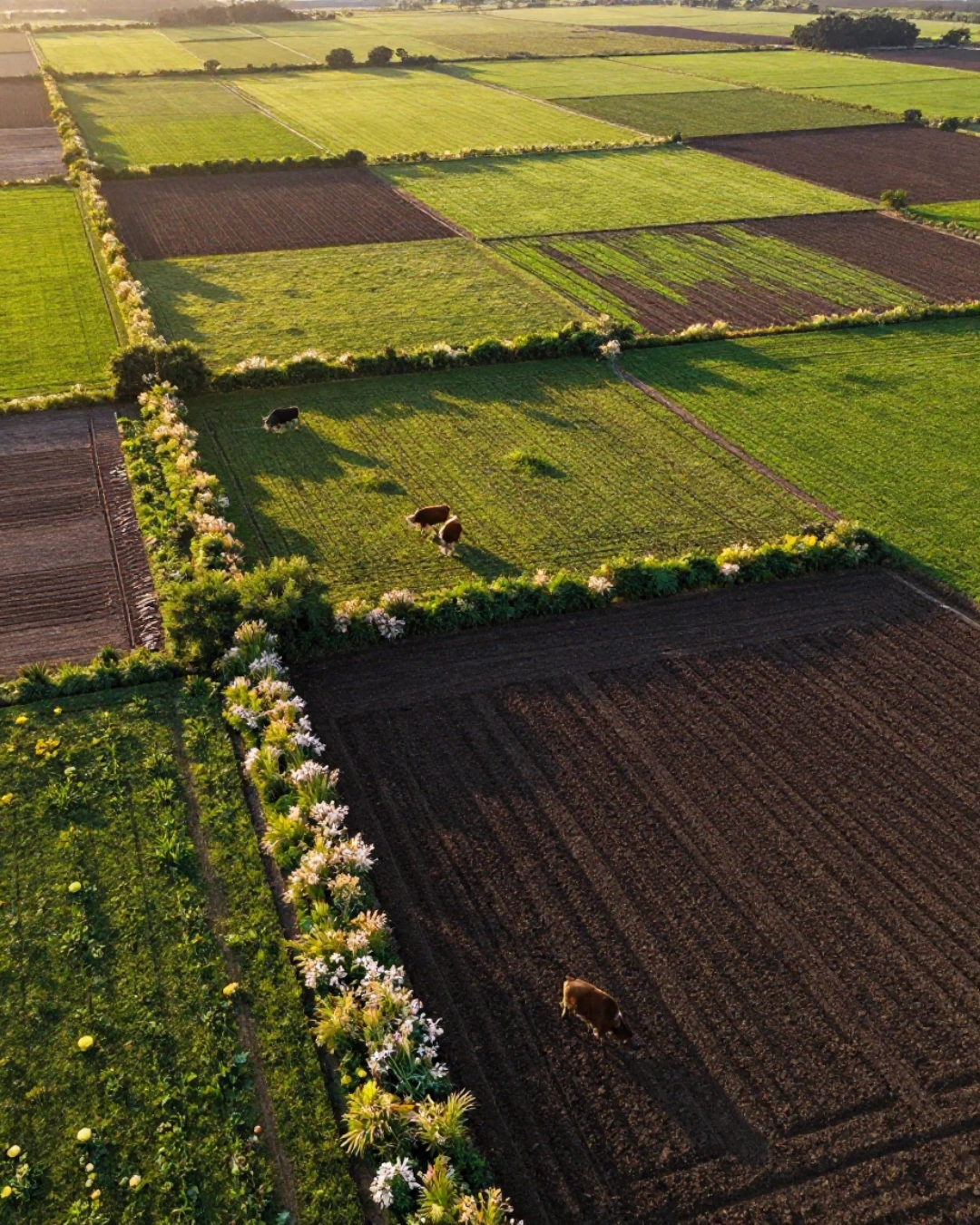

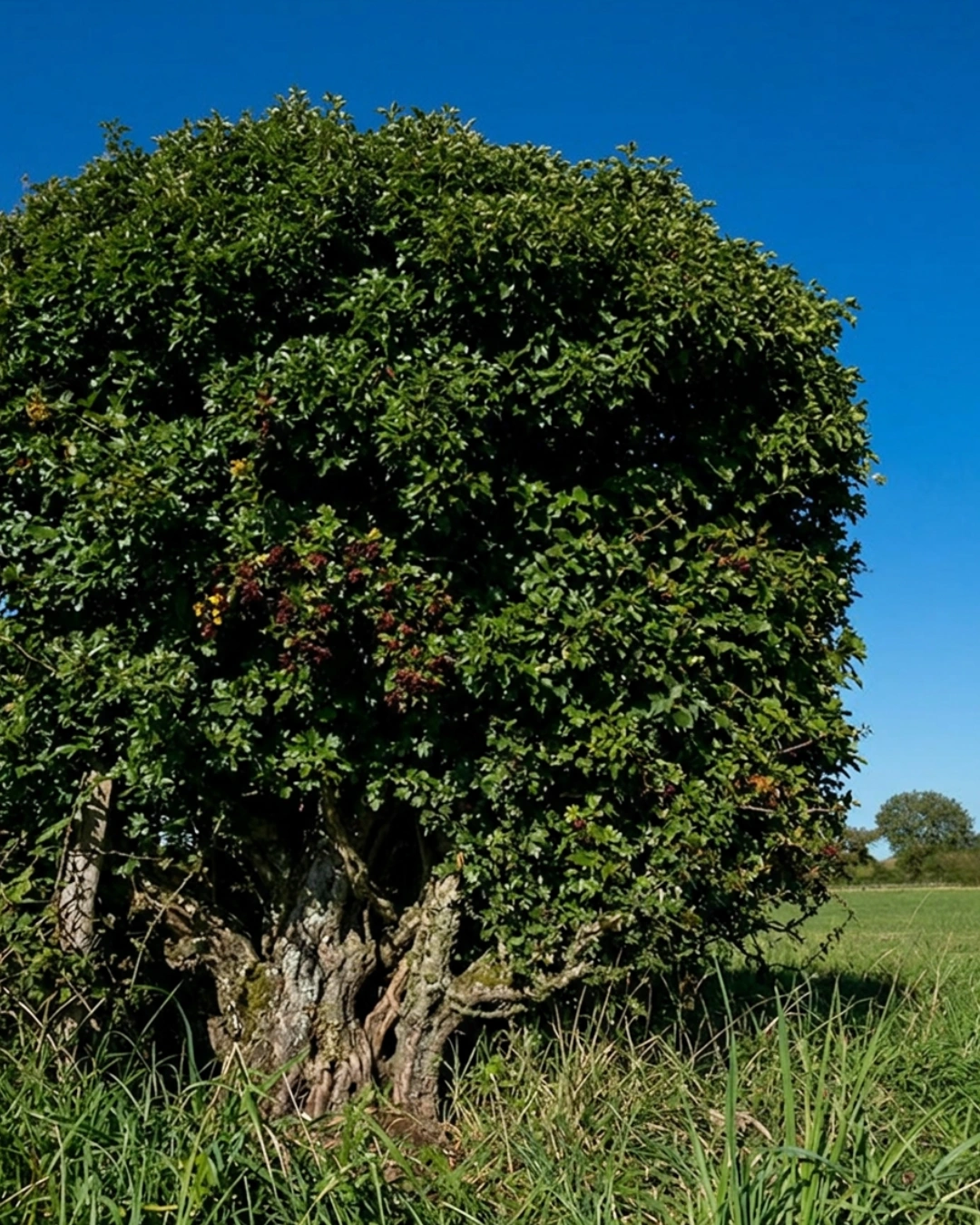
The UK Government’s Farming with Nature campaign says practical steps such as improving soil health and adding buffer strips can support farm businesses, with potential benefits including lower input costs, higher margins and improved nutrient retention.
:This is important because regenerative farming is not only an environmental idea. Many farmers are interested in it because it may help improve business resilience, reduce dependency on costly inputs and make land more productive over the long term. However over the years the following steps have been growing in popularity to improve regenerative farming as a whole:
A grower reduces ploughing or heavy cultivation where suitable to protect soil structure and soil life.
A farm uses more varied rotations to support soil fertility, reduce pest pressure and spread risk.
Livestock are moved carefully across pasture to help manage grass growth, soil recovery and manure distribution.
If someone searches for regenerative farms near me, pasture raised food, grass fed beef, local vegetables, direct farm sales or farm shops with clear sourcing, they should be able to find suppliers who explain their farming systems properly.
BFFD can support regenerative farmers by giving them space to explain:
Regenerative farming should be explained through real land, real practices and real producers. BFFD is being built to help shoppers find farmers, farm shops, growers and specialist producers with clearer links between food, place, production and trust.