Organic Farming and Food Provenance
Organic farming and food provenance work well together. Organic certification can tell shoppers that a product is produced under recognised standards. Provenance can tell shoppers where the food came from, who produced it and how it reached them. A certified organic carrot still needs a place, a grower and a route to the customer. Organic beef still comes from a farm, animal system and supply chain. Organic honey, milk, eggs, bread or cheese all carry stories that go beyond the logo.
This is why BFFD does not treat organic as a label alone. A strong supplier profile should show certification status, but it should also show the producer, location, products, seasonality, opening times and buying route.
Organic food becomes more meaningful when people can connect the standard with the supplier behind it.
What Organic Farming Can Include
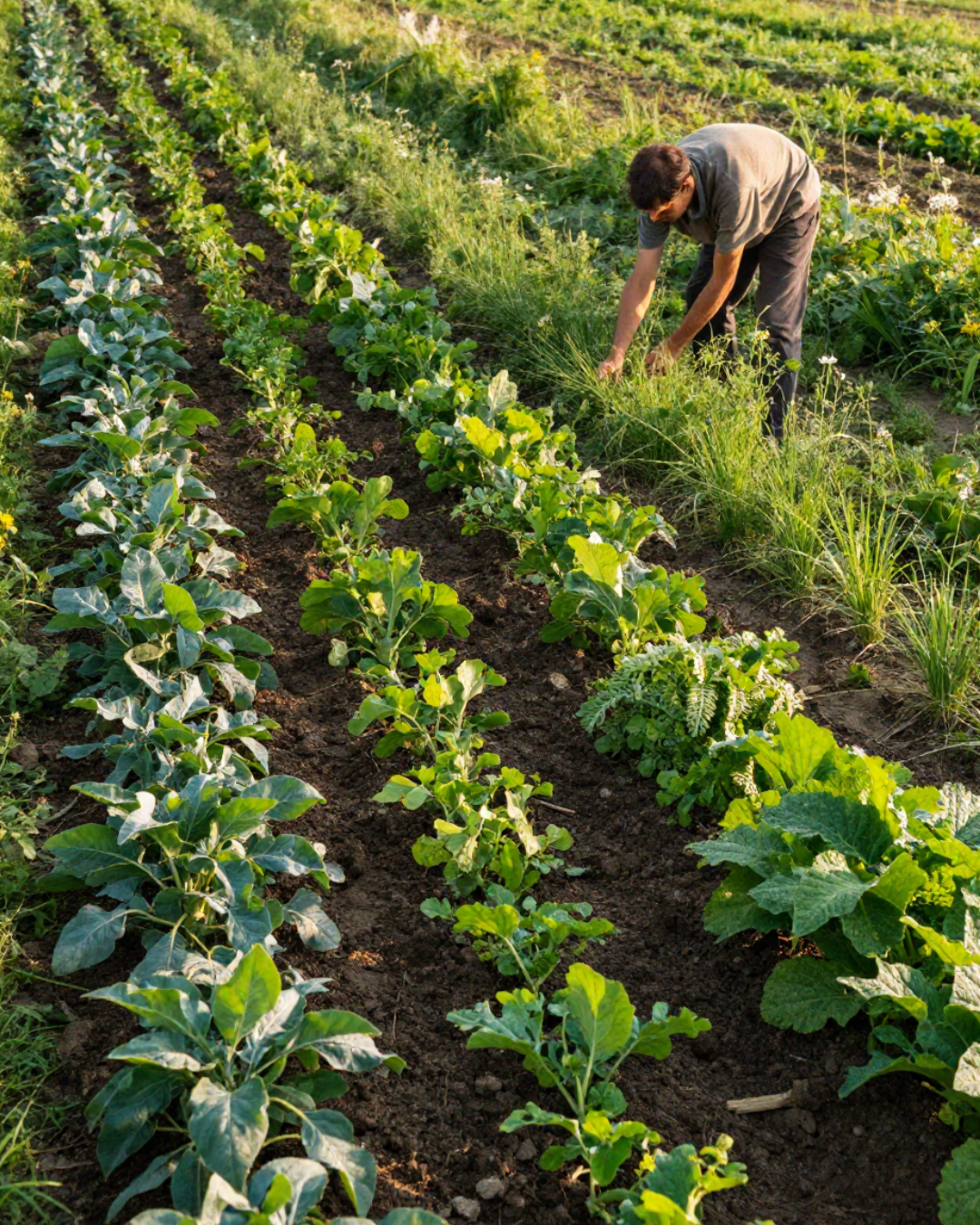
Organic farming varies by sector, but it is generally associated with restricted inputs, certified standards, inspections, soil care, animal welfare rules and traceability. Organic systems can include fruit and vegetable growing, arable farming, livestock, dairy, eggs, poultry, horticulture, processed food, farm shop products and specialist food production.
Business Companion describes organic products as those produced with strict restrictions on fertilisers, pesticides and herbicides, or for livestock, on feed additives and medications, with specific requirements for how animals are housed. This helps shoppers understand the practical difference between organic and general food marketing language.