Sometimes Getting Your Equipment Right Is As Important As The Ingredients Themselves
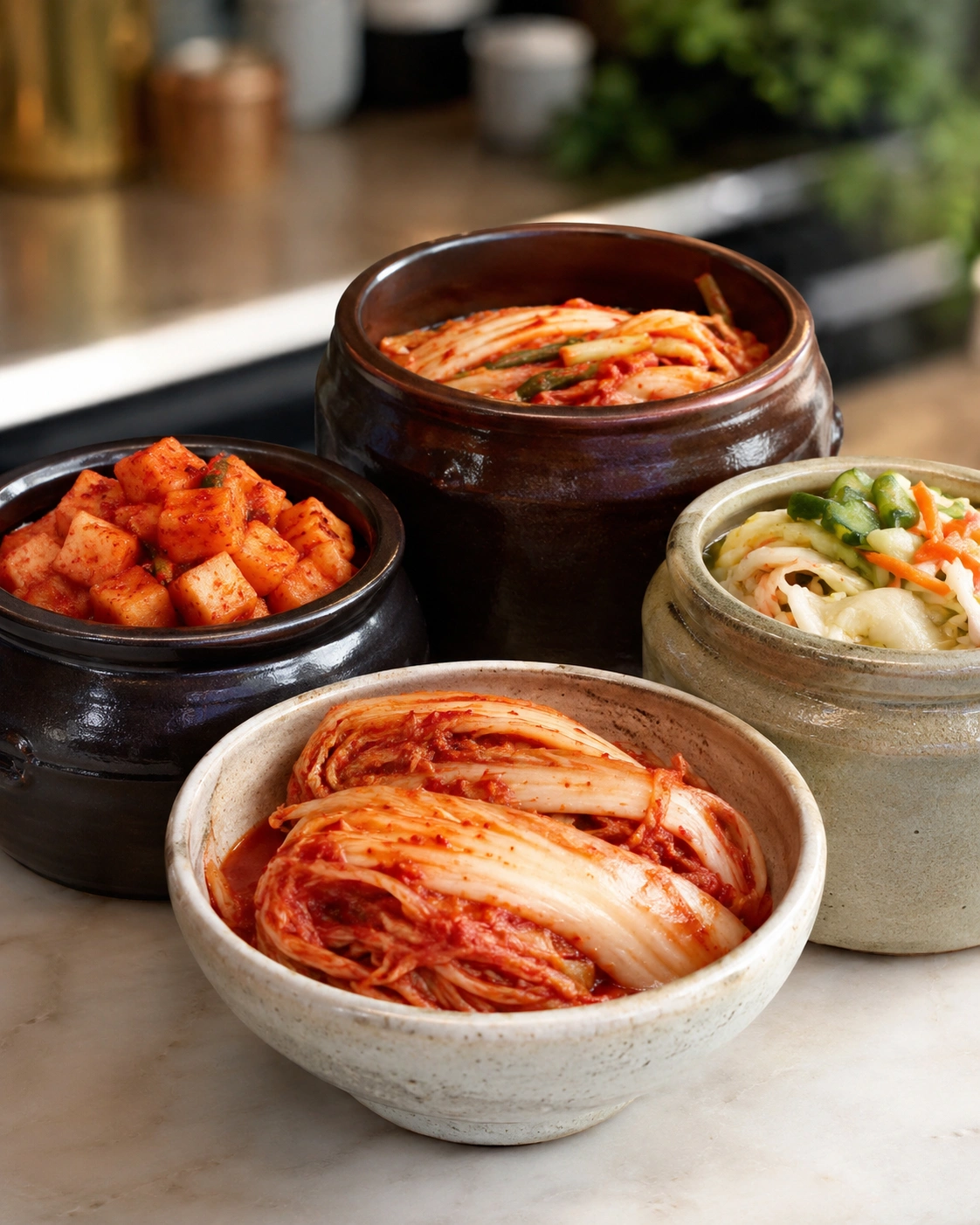
A good jar of kimchi can bring crunch and chilli to a rice bowl, cut through the richness of eggs or cheese, wake up yesterday’s leftovers or simply sit alongside dinner as a sharp, savoury side. Choosing a jar is not quite as simple as deciding how hot you want it, though. Recipes vary enormously. Some versions contain fish sauce or seafood ingredients, while others are made specifically for vegans. Some kimchi is sold chilled and described as live, while other products may be pasteurised or produced for a longer shelf life. The vegetables, seasoning, fermentation style and level of heat can all change from one maker to another which is why the method and the jars are very important.
Ingredients:
Method:
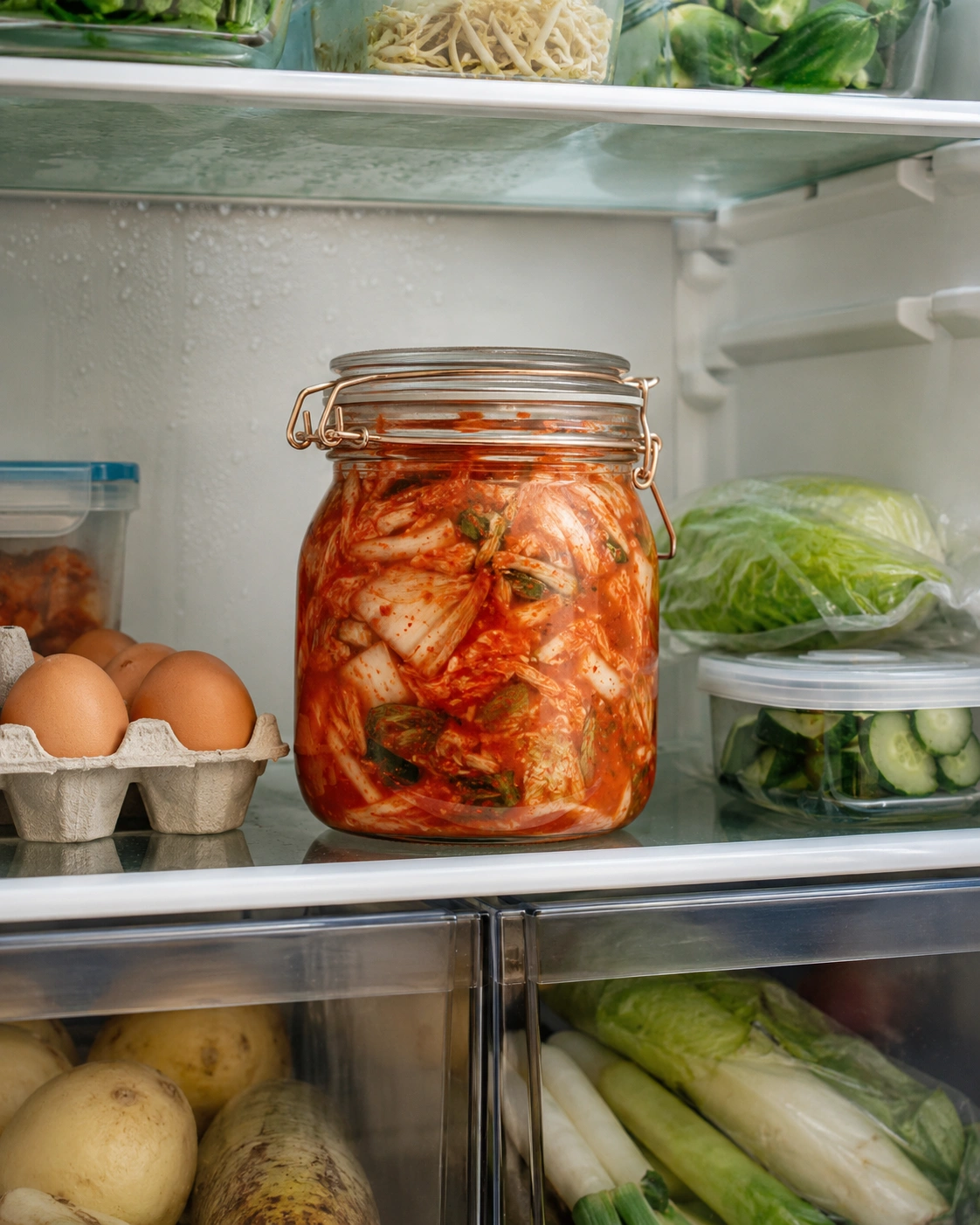
If using a purpose made fermentation jar, follow the manufacturer’s cleaning and preparation instructions for its lid, weights, seals and airlock.
Kimchi, sauerkraut and pickles need correct production, storage and labelling.
Customers should follow the maker’s instructions. Some products need refrigeration before opening. Some need refrigeration after opening. Some may be shelf stable until opened. Some may continue fermenting slowly if live and chilled.
Prepared products may contain ingredients that customers need to know about, including garlic, chilli, fish sauce, soy, sesame, mustard, dairy, gluten containing ingredients or other allergens depending on the recipe.
Fermented and Pickled Food Note:
Always check whether kimchi, sauerkraut or pickles are fermented, vinegar pickled, chilled, shelf stable, live or pasteurised. Follow supplier storage guidance and check ingredient and allergen information before buying.
List your fermented food business, farm shop supply route, market stall or preserved vegetable products on BFFD and help people find your products by location, flavour and buying route.
Use this for food business setup and safe food operation context.
Use this for allergen responsibilities and customer information.
Use this for official food hygiene and safe food handling context.
Use this for hygiene rating checks and public trust.
Use this if the cheese society serves or sells alcohol at events.
*External sources are provided for further reading. BFFD does not provide food safety, legal, trading standards, allergen, dairy hygiene, delivery, labelling or business advice. Cheesemongers, cheese makers and food businesses should always follow current official guidance and seek professional advice where required.
Related Fermented Food Pages
Related BFFD Pages
