
To buy local honey near you, look for nearby beekeepers, farm shops, farmers markets, local food shops, seasonal fairs, honey tasting sessions and BFFD supplier profiles. Before buying, check where the honey was harvested, whether it is from a named beekeeper or producer, whether the label shows the country of origin, and whether the seller can explain the honey’s source, season and flavour. In England, honey composition and labelling are controlled by the Honey Regulations, and honey labels must indicate the country of origin where the honey was harvested.
1 supplier found
Sorry, no records were found. Please adjust your search criteria and try again.
Sorry, unable to load the Maps API.
 Specialist Producers
 Farmers Markets
 Allotments & Gardens
 Local Farmer
 Rural Shops
 Livestock Provider
 Equipment & Tools
 Micro Producer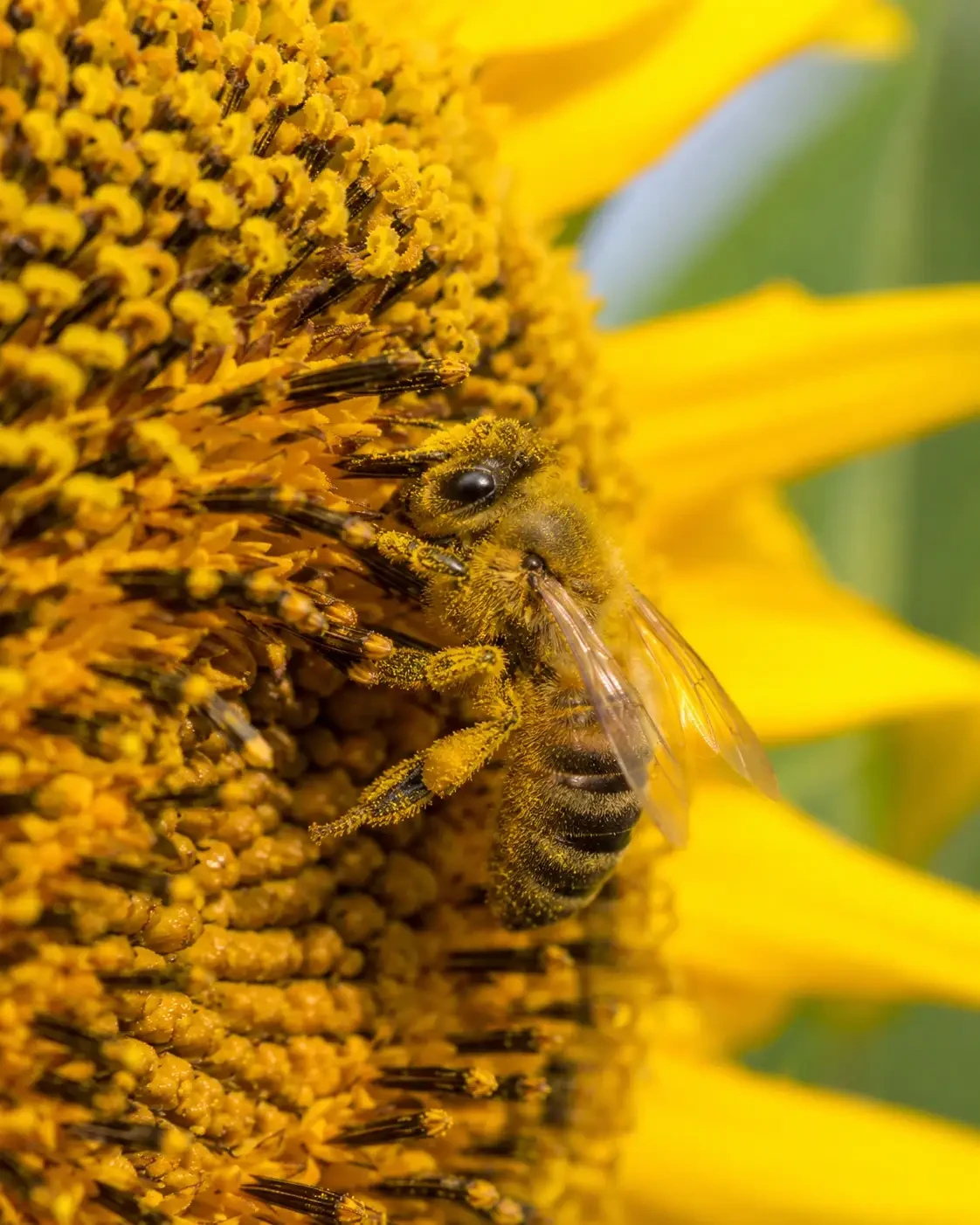
In 2024, reporting highlighted concerns over suspected adulteration in some retail honey samples, with local producer samples in one reported test performing more strongly than supermarket samples. There is debate around testing methods, but the wider issue is clear: shoppers want more confidence in what they are buying.
Local honey is usually found through several routes.
Independent shops may carry local honey from nearby suppliers. Check the label and ask where it was harvested.
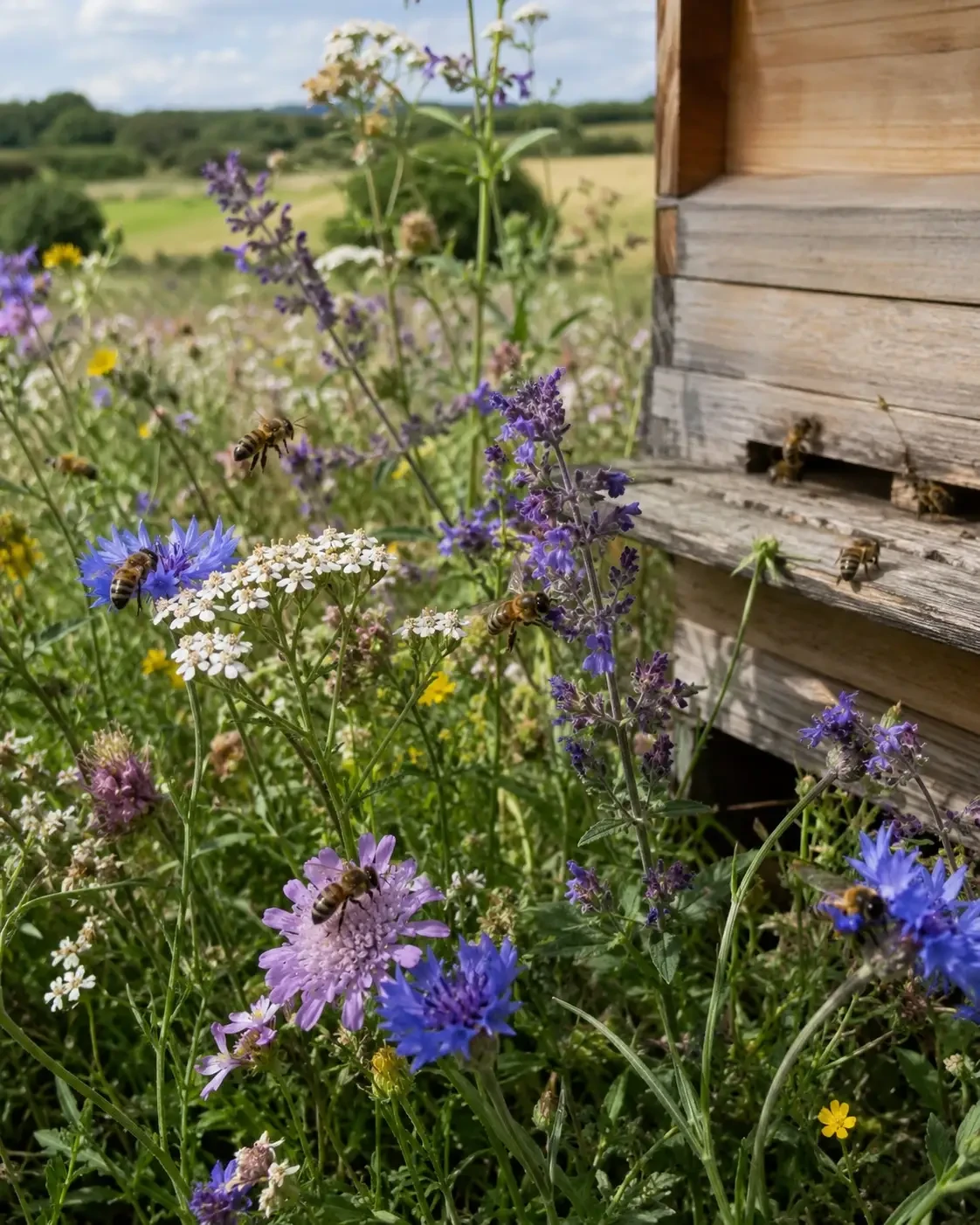
Honey should be easy to understand, not hidden behind vague labelling.
Local honey can come in different forms.
A naturally crystallised honey with a spreadable texture.
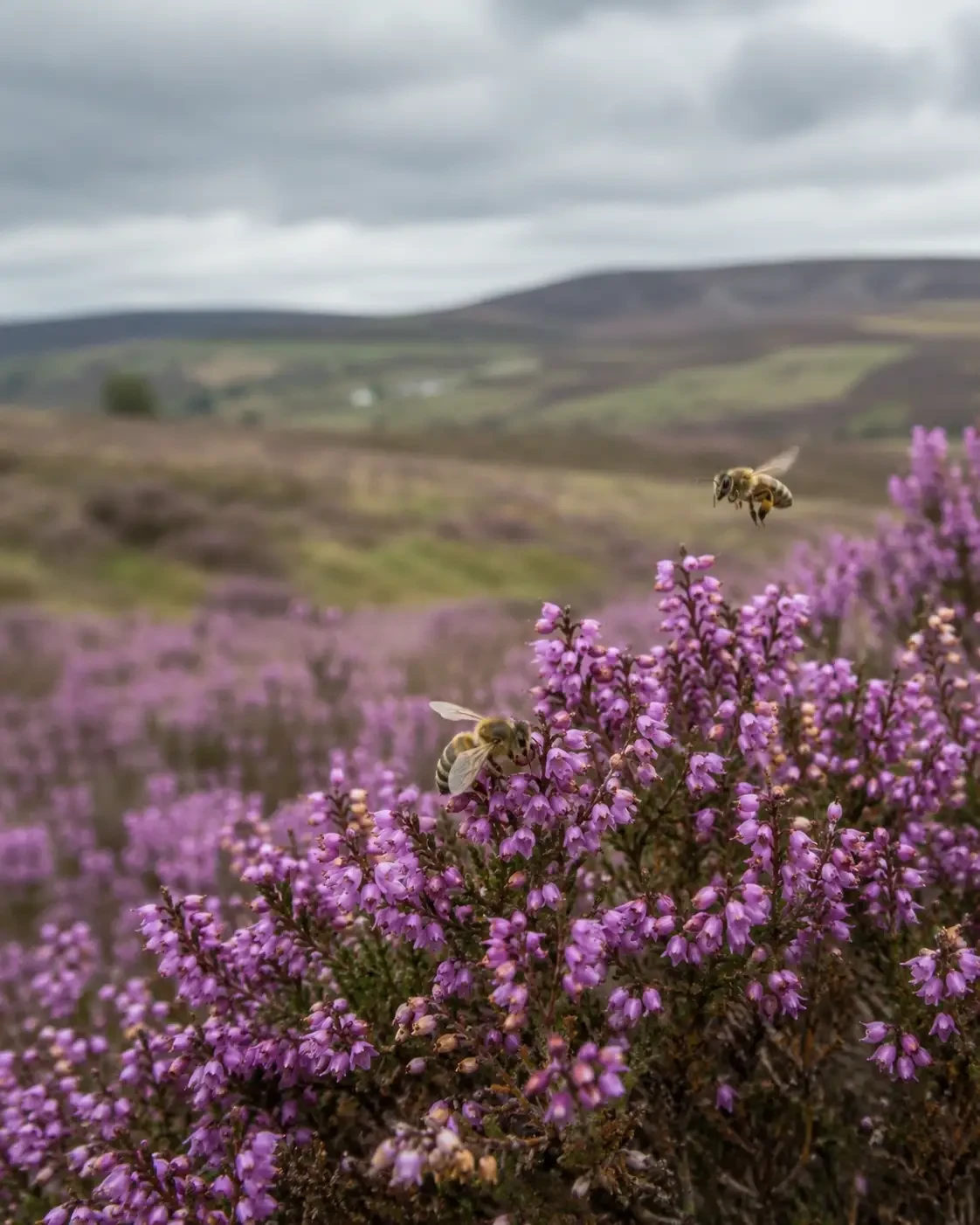
A strong flavoured honey associated with heather moorland where available.
Pieces of honeycomb packed in honey.
Honey can be seasonal because bees forage from different flowers at different times of year.
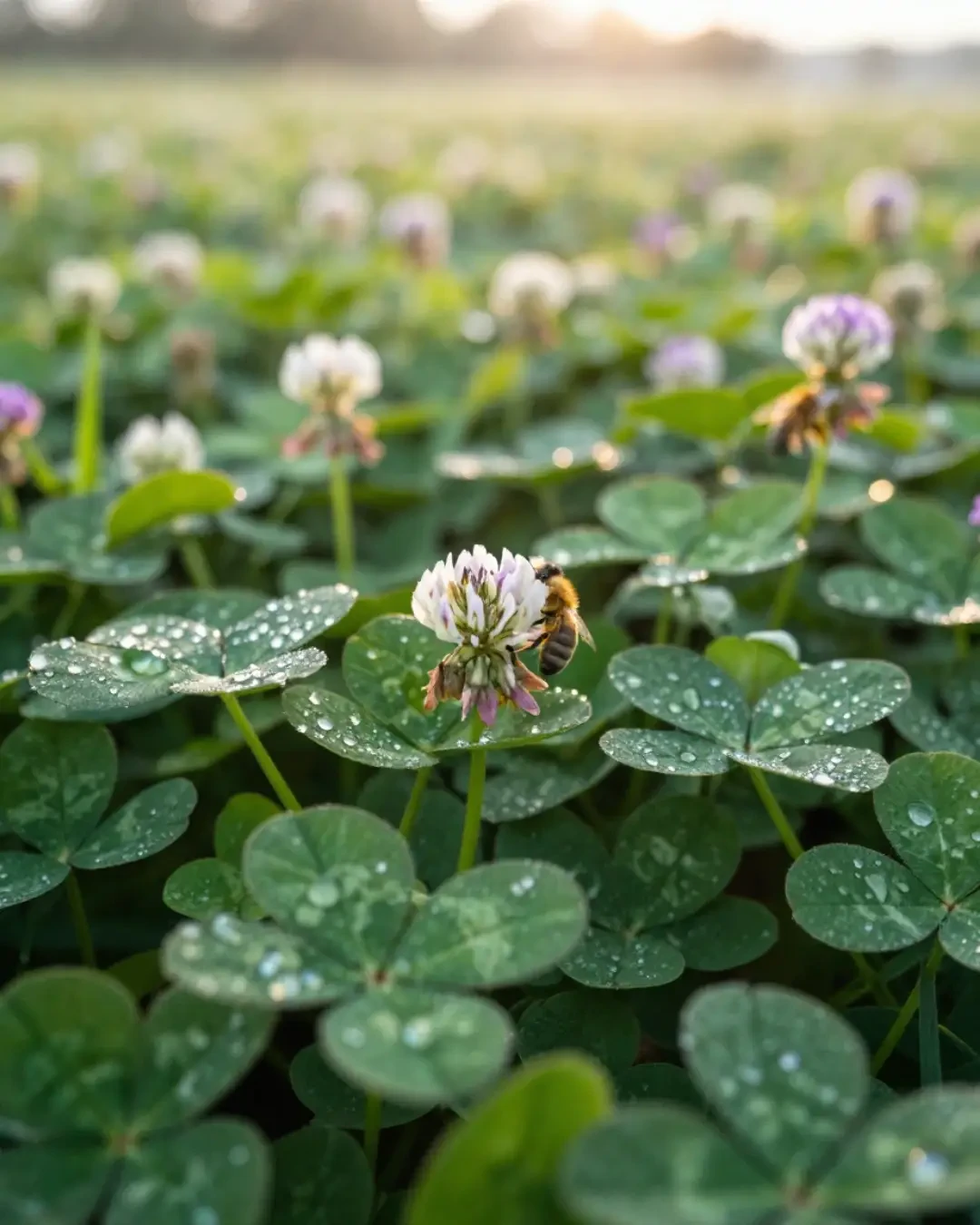
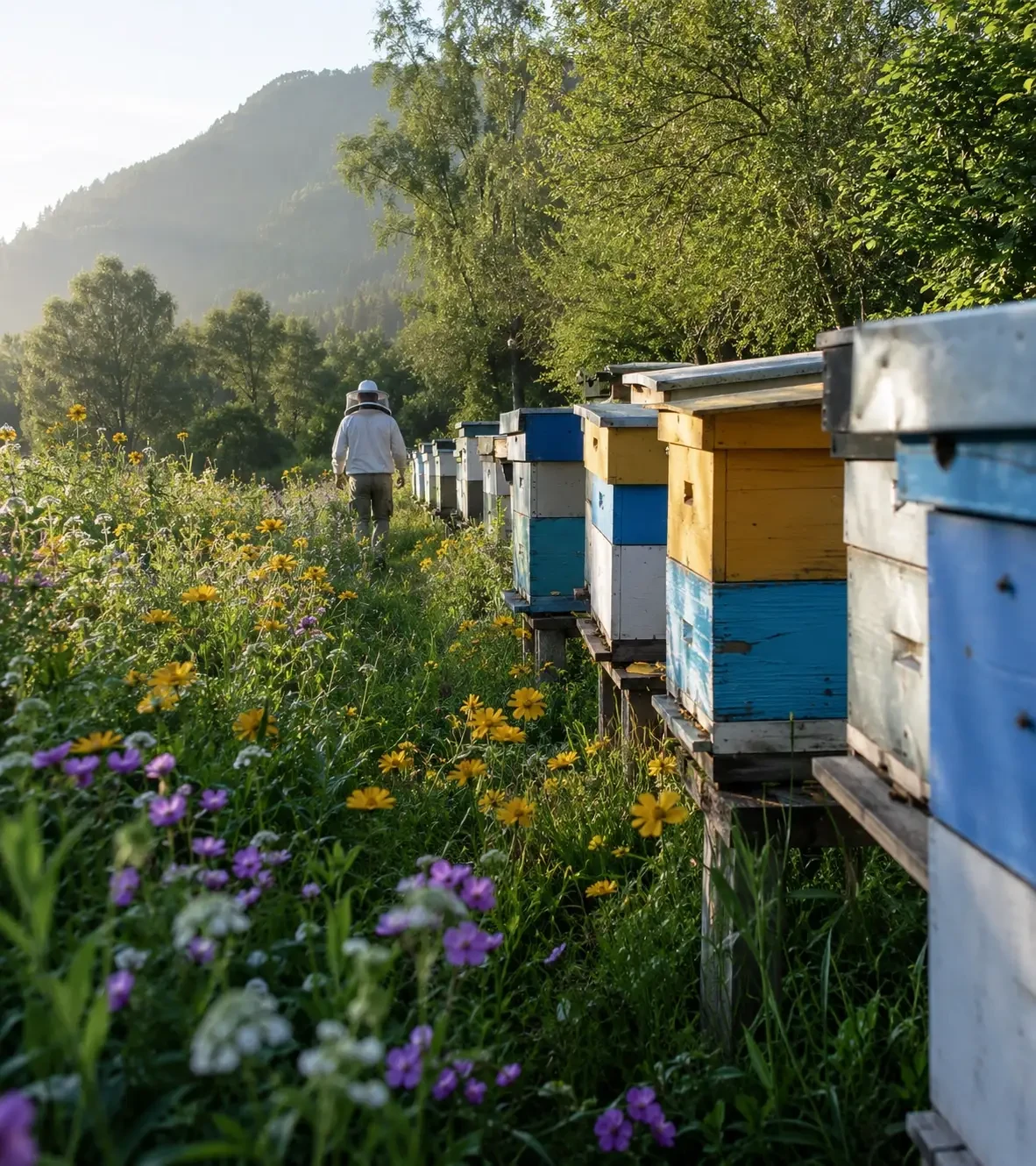
A good farm shop should be proud to explain local sourcing.
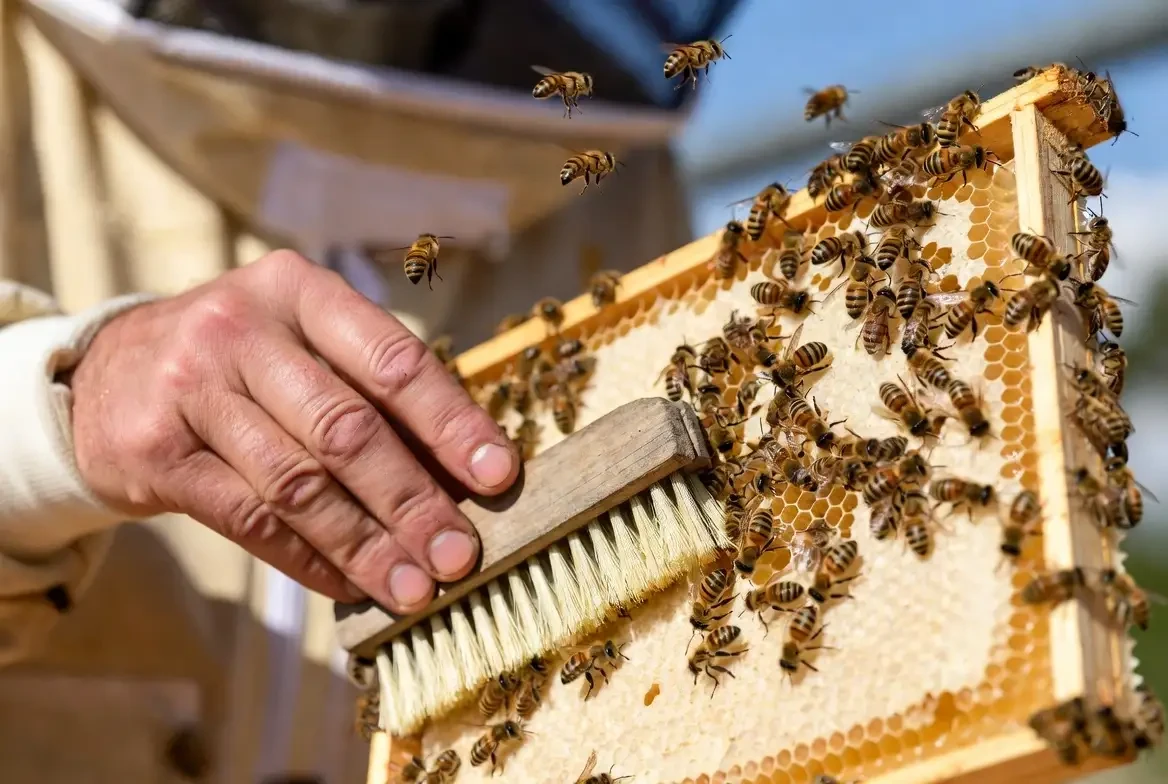
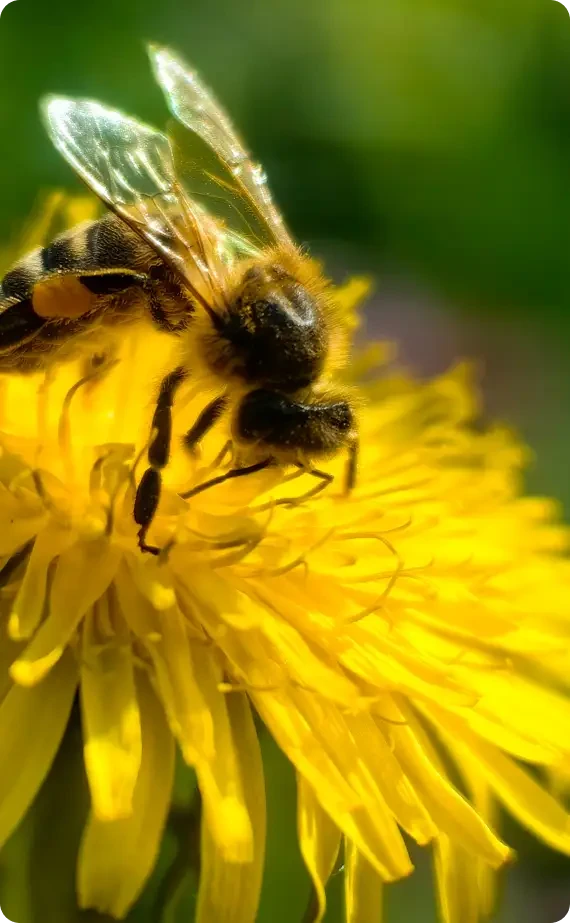
A BFFD beekeeper profile can help show:
Buying a beehive is only one step. The bigger goal is responsible beekeeping that supports bees, local food and public trust.
Related Beekeeper Pages
Useful for beginner advice, hive types and local association guidance.
Official beginner guide covering getting started and equipment considerations.
Official guidance on cleaning and sterilising hive equipment.
Official guidance explaining the responsibility to notify suspected notifiable pests or diseases.
Official guidance on serious notifiable honey bee pests and diseases.
* External sources are provided for further reading. BFFD does not provide veterinary, legal, equipment safety or bee health inspection advice. Beekeepers should always follow current official guidance and contact the National Bee Unit or local bee inspector where required.
Before buying a beehive, check the hive type, frame compatibility, local support, weight, material, spare part availability, cleaning requirements and whether the hive suits your planned apiary site.
Before buying a beehive, check the hive type, frame compatibility, local support, weight, material, spare part availability, cleaning requirements and whether the hive suits your planned apiary site.
Before buying a beehive, check the hive type, frame compatibility, local support, weight, material, spare part availability, cleaning requirements and whether the hive suits your planned apiary site.
Before buying a beehive, check the hive type, frame compatibility, local support, weight, material, spare part availability, cleaning requirements and whether the hive suits your planned apiary site.
Before buying a beehive, check the hive type, frame compatibility, local support, weight, material, spare part availability, cleaning requirements and whether the hive suits your planned apiary site.
Before buying a beehive, check the hive type, frame compatibility, local support, weight, material, spare part availability, cleaning requirements and whether the hive suits your planned apiary site.
Before buying a beehive, check the hive type, frame compatibility, local support, weight, material, spare part availability, cleaning requirements and whether the hive suits your planned apiary site.
Before buying a beehive, check the hive type, frame compatibility, local support, weight, material, spare part availability, cleaning requirements and whether the hive suits your planned apiary site.
A good beehive should make inspections, colony care and learning easier. BFFD is being built to help beekeepers, honey producers and local food suppliers become easier to find, understand and support.
Want to get food independence, support your local grower, get better prices and shop more privately?
Local food isn’t just something you find. It’s something you protect. A free account helps keep local supply visible, supported, and resilient.
….it takes 30 seconds for food lovers and 5 minutes for suppliers
We built this for people who care where their food comes from. For people who want to remain food secure. For Farmers to get to the local people, who deserve a better income and to deliver a better price for you. For the environmentally conscious and the privacy-conscious. An account simply helps us make the map and supplier reach more useful to you, without changing how open it is. You’re always in control.


Find local food. Stay connected to it. Create a free account to support local producers and be part of a growing food network.