Fermented foods sit at the crossroads of food craft, preservation, flavour and seasonality.
Behind a jar of sauerkraut, kimchi, fermented vegetables, pickles, miso style products, kefir, kombucha, cultured sauces or live ferments is a maker working with time, ingredients, salt, acidity, temperature, storage and food safety. Fermentation is not simply a trend. It is one of the oldest ways people have transformed and preserved food. Buy From Farmers Direct is being built to help fermented food makers, farm shops, market traders and specialist local suppliers become easier to find, easier to understand and easier to support.
BFFD supports fermented food makers by helping small producers, farm shops and local food suppliers create clearer profiles, show where they are based, explain what fermented foods they make, promote online ordering, local delivery, farm shop stockists, farmers market attendance, restaurant supply and safe product information, and appear in local food discovery searches. This Fermented Foods section links to pages covering fermented foods near me, buy fermented foods online, kimchi, sauerkraut and pickles, British fermented foods and fermentation UK.
BFFD supports fermented food makers by helping small producers, farm shops and local food suppliers create clearer profiles, show where they are based, explain what fermented foods they make, promote online ordering, local delivery, farm shop stockists, farmers market attendance, restaurant supply and safe product information, and appear in local food discovery searches. This Fermented Foods section links to pages covering fermented foods near me, buy fermented foods online, kimchi, sauerkraut and pickles, British fermented foods and fermentation UK.
BFFD wants to help fermented food makers because specialist food producers are often difficult for the public to find.
Many people are curious about fermented foods, but they may only know a handful of products from supermarket shelves. They may not know that local makers are producing small batch sauerkraut, kimchi, pickled vegetables, cultured sauces, kombucha, kefir style drinks, fermented chilli products, miso style pastes or seasonal ferments using vegetables, fruit, herbs and spices.
At the same time, fermented food makers face a particular visibility challenge. Their products often need explanation. Customers may want to know whether a product is live, pasteurised, refrigerated, shelf stable, spicy, sour, sweet, raw, cooked, vegan, gluten free or made with local ingredients.
BFFD cannot solve every challenge facing small food producers, but it can help with discovery.
A clearer digital route can help fermented food makers explain what they produce, where they sell, how people can buy and why food provenance matters.
Fermented foods matter because they show how ingredients can be preserved, transformed and given a longer life.
Fermentation can help producers make use of seasonal vegetables, fruit, herbs, dairy, grains and other ingredients. It can also give farm shops, farmers markets and local food retailers more distinctive products than standard fresh produce alone.
Fermented foods can support:
For BFFD, fermented foods fit naturally into the wider mission of helping people discover the producers behind the food they buy.
Fermented foods are popular, but they are not always well understood.
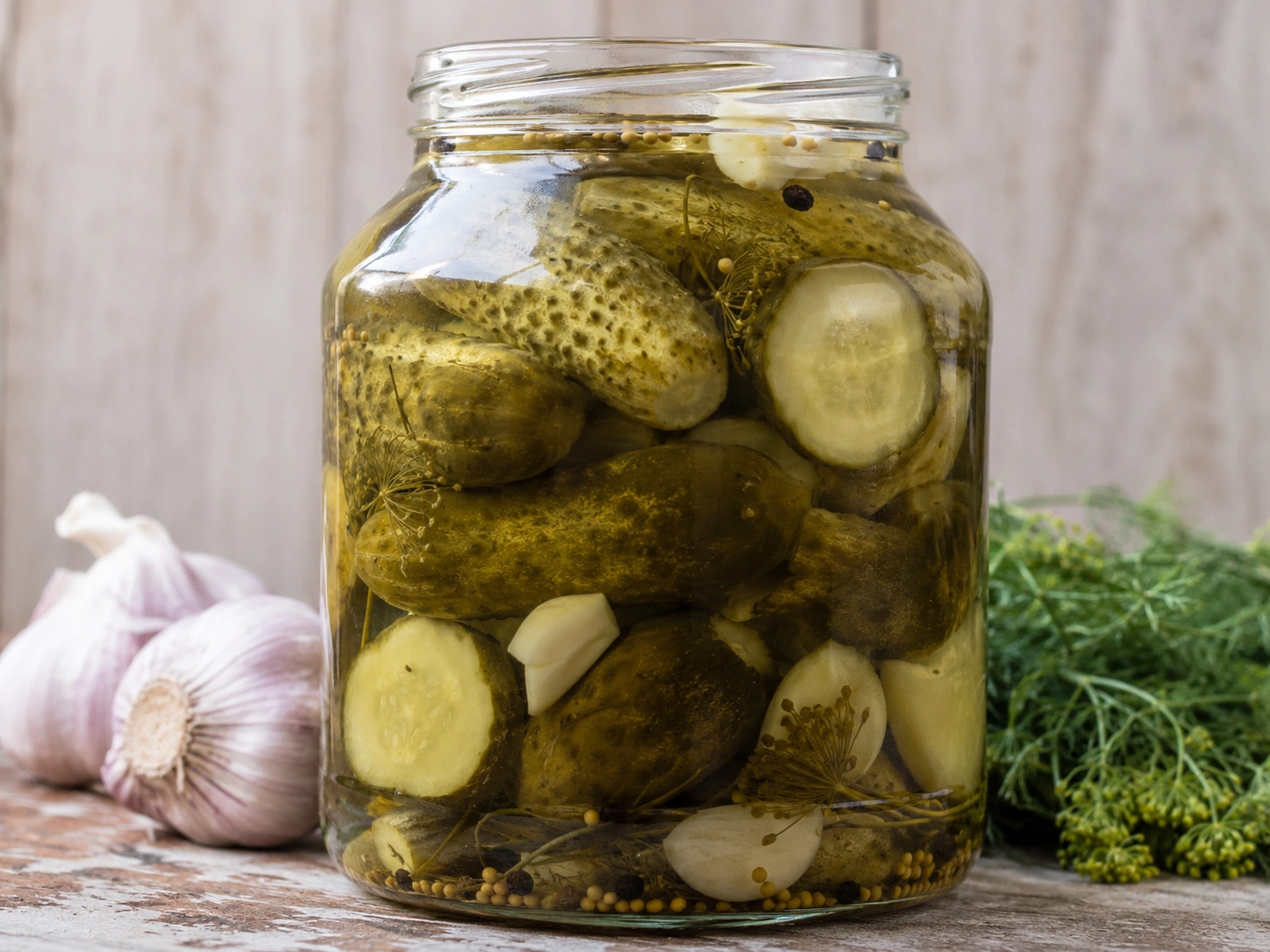
A customer may see a jar of sauerkraut, kimchi or pickles and not know whether it is fermented or vinegar pickled, live or pasteurised, refrigerated or shelf stable, spicy or mild, ready to eat or intended as an ingredient.
This matters because the words around fermented food can be confusing. “Pickled” does not always mean fermented. “Live” does not always mean the product should be handled casually. “Natural” does not remove the need for safe production, clear labelling and correct storage.
BFFD is being developed to help fermented food makers and local suppliers explain products clearly, without overclaiming.
This section is for people and businesses connected to fermented food making, preserved food, cultured products and local artisan food supply.
It may be useful for fermented food makers, farm shops, farmers market traders, vegetable growers, fruit growers, independent food producers, delis, specialist retailers, restaurants, cafés, chefs, veg box suppliers, local food projects and customers looking for fermented foods.
For suppliers, the goal is better visibility.
For shoppers and trade buyers, the goal is easier discovery and clearer product information.
BFFD helps fermented food makers by organising local food discovery around the way people actually search.
A user may search for fermented foods near me, buy fermented foods online, local kimchi, sauerkraut near me, pickles near me, fermented vegetables, British fermented foods, kombucha near me, kefir near me, fermented chilli sauce, farm shop ferments or fermentation UK.
A strong BFFD fermented food profile can connect those searches to a real supplier.
A fermented food maker profile can include the business name, location, products made, ingredients, flavour notes, fresh or shelf stable information, chilled storage requirements, farm shop stockists, farmers market attendance, online ordering, local delivery, collection, restaurant supply, wholesale enquiry routes, photos, website links, social links, contact details and last updated date.
The aim is to make fermented food makers easier to find by place, product and buying route.
A local discovery page helping users find fermented food makers, farm shops, markets, delis, veg box suppliers and specialist local food businesses nearby.
A product and buying guide helping users understand how to order fermented foods safely and confidently from makers, farm shops and specialist suppliers.
A product guide explaining common fermented and preserved vegetable products, how they differ, what to check before buying and how local makers should explain them.
An educational provenance guide explaining UK fermented food production, local ingredients, farm shop supply, seasonal preservation and why visible British makers matter.
An educational guide explaining fermentation in a simple, food focused way without becoming a technical production manual.
A strong fermented food maker profile should answer the questions people usually ask before buying.
A customer should be able to understand where the maker is based, what products are available, whether the products are fermented, pickled, cultured, live, pasteurised, chilled, shelf stable, spicy, mild, vegan, gluten free or made with local ingredients where relevant.
The profile should also make buying routes clear. Can customers buy online? Is local delivery available? Is collection offered? Are products stocked in farm shops? Does the maker attend farmers markets? Can restaurants, cafés or retailers make trade enquiries?
The best profiles are clear, practical and current. They help customers understand what is made, how to buy and how the product should be stored and used.
Food provenance matters strongly with fermented foods.
Fermented foods often begin with simple ingredients: cabbage, carrots, beetroot, apples, cucumbers, chillies, garlic, herbs, spices, milk, tea, grains or fruit. The value comes from how those ingredients are handled, transformed and made safe for sale.
A good fermented food maker should help customers understand the product, the ingredients, the making route and where the food can be bought.
BFFD connects fermented foods with provenance because specialist food should be easier to trace back to the people making it.
Farm shops and farmers markets are natural routes for fermented food makers.
A farm shop may stock kimchi, sauerkraut, pickles, fermented vegetables, cultured sauces, kombucha, kefir style drinks, chutneys, preserves and local condiments from named suppliers. A farmers market gives customers the chance to speak directly with the maker, understand flavour differences and ask about storage.
These routes matter because fermented foods often benefit from explanation. A customer may not know whether they prefer spicy kimchi, sharp sauerkraut, mild pickles or fermented chilli sauce until a maker or retailer explains the product clearly.
BFFD can help make those routes easier to find.
Fermented foods link naturally with vegetable growers.
Cabbage can become sauerkraut. Radishes, carrots, cucumbers and chillies can become fermented vegetables or pickles. Seasonal surplus can become value added food when it is handled safely and professionally.
This connection matters because it gives growers another route to use produce and gives customers another way to enjoy seasonal food.
The relationship between growers and fermenters should be visible wherever possible. A jar of fermented vegetables becomes more meaningful when the customer understands where the vegetables came from and who made the product.
Fermentation and preservation can also connect with fruit growers.
Apples, berries, pears, plums and other fruit may be used in vinegars, chutneys, relishes, cultured drinks, preserves or seasonal fermented products, depending on the maker and food safety requirements.
This gives BFFD a natural internal route between fermented foods, cider makers, apple orchards and fruit growers.
Kimchi, sauerkraut and pickles are often grouped together, but they are not all the same thing.
Sauerkraut is usually associated with fermented cabbage. Kimchi is often associated with fermented vegetables, seasoning, chilli, garlic and other flavourings, although styles vary. Pickles may be fermented or vinegar pickled depending on how they are made.
This is why the product page needs to explain the differences carefully.
A good supplier should make clear what product is being sold, whether it is fermented or vinegar pickled, whether it is live or pasteurised, how it should be stored, how spicy it is, and whether it contains allergens or ingredients customers should know about.
British fermented foods can support food resilience by helping local ingredients last longer and giving producers another route to market.
Fermentation can turn seasonal produce into products that travel better, store differently and create more value than fresh produce alone. This can support farm shops, markets, independent retailers, restaurants and local food projects.
British fermented foods should not be presented as one narrow tradition. The UK food scene includes traditional preservation, new artisan producers, international influence, chef led ferments, local vegetable ferments, dairy cultures and small batch drinks.
The British Fermented Foods page should explain this in a careful, inclusive and provenance led way.
Fermentation is often fascinating to the public, but it can also be misunderstood.
People may have heard of live cultures, probiotics, gut health, sourdough, kombucha, kefir, kimchi or sauerkraut, but they may not understand what fermentation means as a food process.
The Fermentation UK page should explain fermentation simply. It should help users understand that fermentation is a controlled food process involving microorganisms, time and suitable conditions. It should avoid medical claims and should not become a home fermentation instruction manual.
Its job is to build appreciation for the skill, safety and food craft behind professional fermentation.
Restaurants, cafés, pubs, hotels and caterers may value fermented foods because they bring acidity, texture, depth and contrast to dishes.
A chef might use kimchi in rice bowls, sauerkraut with sandwiches, fermented chillies in sauces, pickled vegetables on small plates, cultured products in breakfasts or fermented condiments alongside meat, fish, cheese or vegetable dishes.
For hospitality buyers, the key details are consistency, flavour, ingredients, allergens, storage, chilled delivery, order size, invoices and whether the maker can supply trade customers.
A strong BFFD profile can help restaurants understand whether a fermented food maker is suitable before making contact.
Fermented foods can support budget friendly eating when they are used well.
A spoonful of sauerkraut, kimchi, pickles or fermented sauce can add flavour, acidity and texture to simple meals. They can help lift rice dishes, eggs, sandwiches, potatoes, stews, salads, soups, wraps and leftovers.
The point is not to make fermented foods sound like a miracle product. It is to show that strong flavour can make simple meals more interesting.
BFFD can link fermented food pages naturally into Budget Friendly Eating, Cheap Eats and Grocery Shopping Budget because these products can help households add variety without rebuilding the whole meal.
Fermented food makers, farm shops and suppliers have important food safety responsibilities.
Fermented foods need safe production methods, correct storage, appropriate labelling, ingredient information and allergen declarations where required. Products may be chilled, shelf stable, live, pasteurised, bottled, jarred or sold fresh, and each route has different practical considerations.
BFFD can help suppliers present clearer information, but it does not replace official food safety, environmental health, trading standards, labelling or business guidance.
Fermented Food Safety Note:
Always check whether a fermented food is chilled, shelf stable, live, pasteurised, ready to eat or intended as an ingredient. Follow supplier storage and use guidance. Prepared products may contain allergens or additional ingredients.
A BFFD listing can help fermented food makers become easier to discover by people already looking for local food.
For a fermented food maker, this may mean better visibility for fermented foods near me searches, buy fermented foods online searches, local kimchi, sauerkraut, pickles, British fermented foods, farm shop ferments, farmers market discovery, restaurant supply, seasonal preservation and food provenance education.
For shoppers, it means less guesswork. For fermented food makers, it creates another structured route into local food visibility.
For BFFD, it strengthens the wider mission of helping people buy from farmers, growers, makers and specialist producers with more confidence.
Use this for food business setup and safe food operation context.
Use this for allergen responsibilities and customer information.
Use this for official food hygiene and safe food handling context.
Use this for hygiene rating checks and public trust.
Use this if the cheese society serves or sells alcohol at events.
*External sources are provided for further reading. BFFD does not provide food safety, legal, trading standards, allergen, dairy hygiene, delivery, labelling or business advice. Cheesemongers, cheese makers and food businesses should always follow current official guidance and seek professional advice where required.
Related Fermented Food Pages
Related BFFD Pages
The Fermented Foods section is a specialist producer hub for fermented food makers, farm shops, growers, market sellers and local food suppliers that want to be easier to find through BFFD.
The Fermented Foods section is a specialist producer hub for fermented food makers, farm shops, growers, market sellers and local food suppliers that want to be easier to find through BFFD.
The Fermented Foods section is a specialist producer hub for fermented food makers, farm shops, growers, market sellers and local food suppliers that want to be easier to find through BFFD.
The Fermented Foods section is a specialist producer hub for fermented food makers, farm shops, growers, market sellers and local food suppliers that want to be easier to find through BFFD.
The Fermented Foods section is a specialist producer hub for fermented food makers, farm shops, growers, market sellers and local food suppliers that want to be easier to find through BFFD.
The Fermented Foods section is a specialist producer hub for fermented food makers, farm shops, growers, market sellers and local food suppliers that want to be easier to find through BFFD.
The Fermented Foods section is a specialist producer hub for fermented food makers, farm shops, growers, market sellers and local food suppliers that want to be easier to find through BFFD.
The Fermented Foods section is a specialist producer hub for fermented food makers, farm shops, growers, market sellers and local food suppliers that want to be easier to find through BFFD.
Fermented food makers bring preservation, flavour and specialist food craft into British local food. BFFD is being built to help fermented food makers, farm shops, growers and specialist suppliers become easier to find, understand and support.
