In the UK, Pasture for Life says animals only need 51 percent of their diet to be grass based to be labelled grass fed under Defra rules, while its certification guarantees animals have been raised on 100 percent pasture. This is why shoppers should check whether a grass fed claim is certified, self described or explained clearly by the supplier.
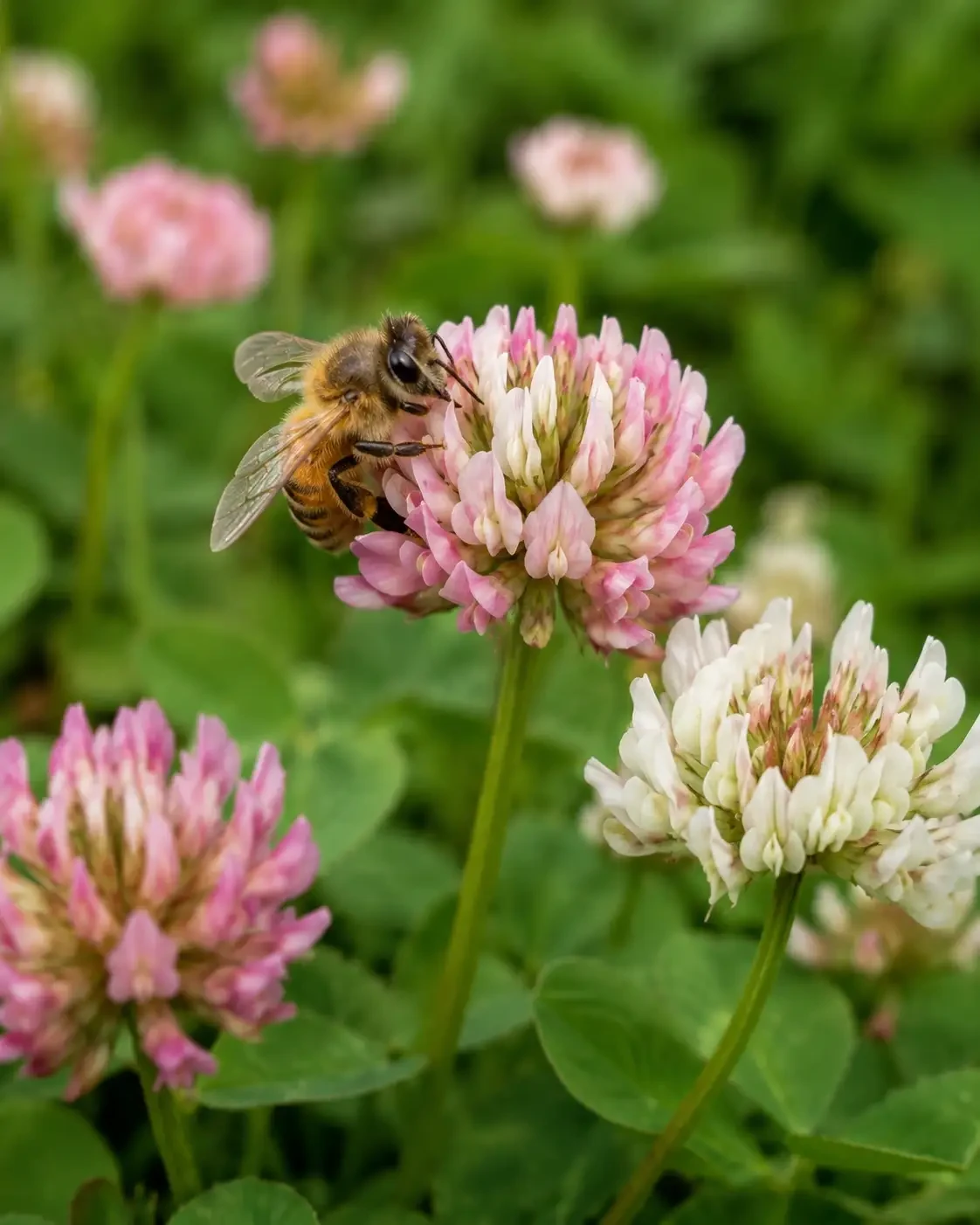
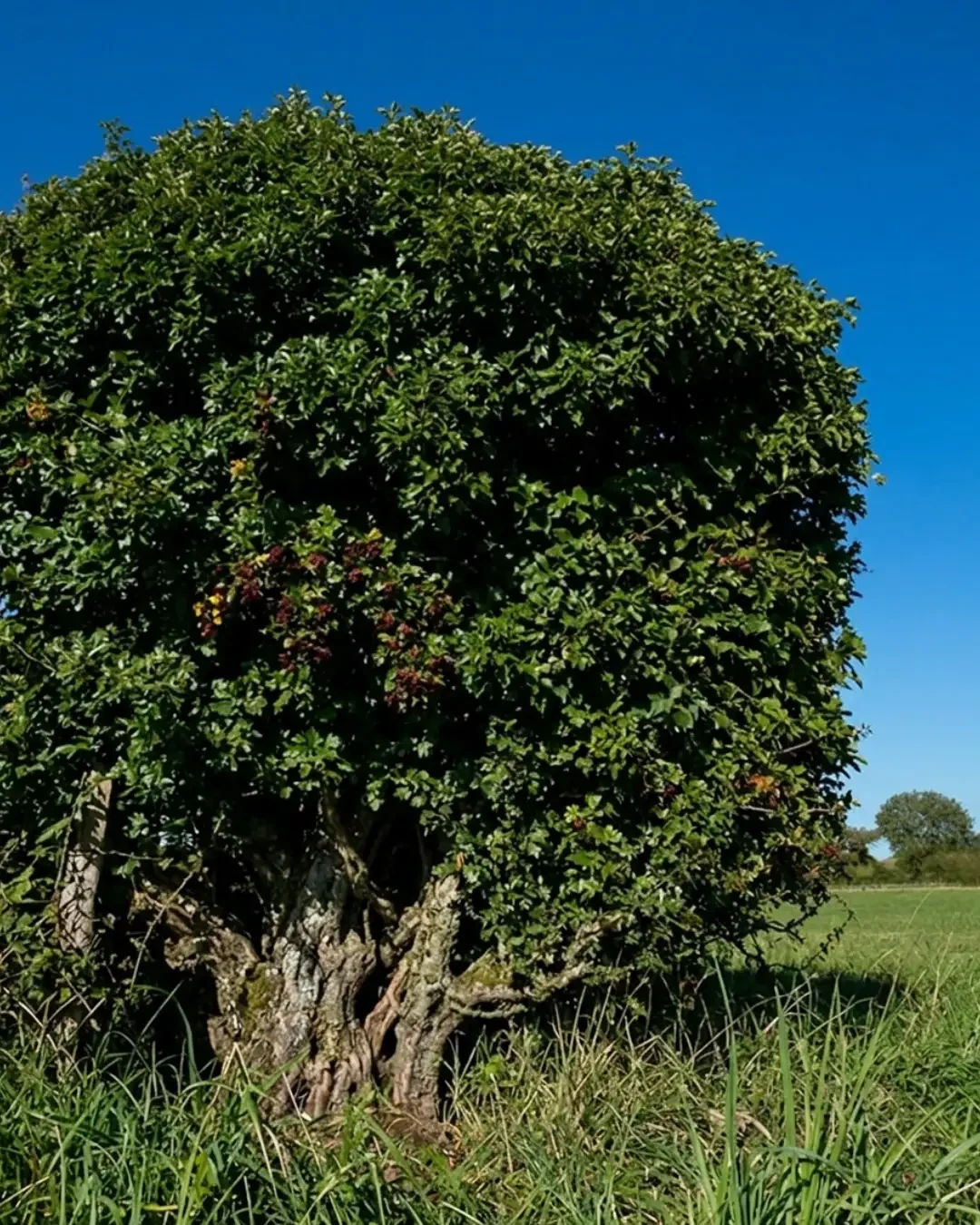
Grass fed, pasture fed and pasture raised are often confused.
Grass fed usually focuses on diet. It suggests that animals eat mainly or entirely grass and forage. HOWEVER do not be fooled by this term, animals may still not have a great existence and still be fed grass related food stuffs.
Pasture fed is often used in a more specific way, especially where certification is involved. Pasture for Life certification guarantees that an animal has been raised on 100 percent pasture.
Pasture raised usually focuses on access to pasture and outdoor living. It can apply to different animals, including poultry and livestock, but the exact meaning can vary depending on the supplier and product. This is possibly the best term to look for on your food packaging.
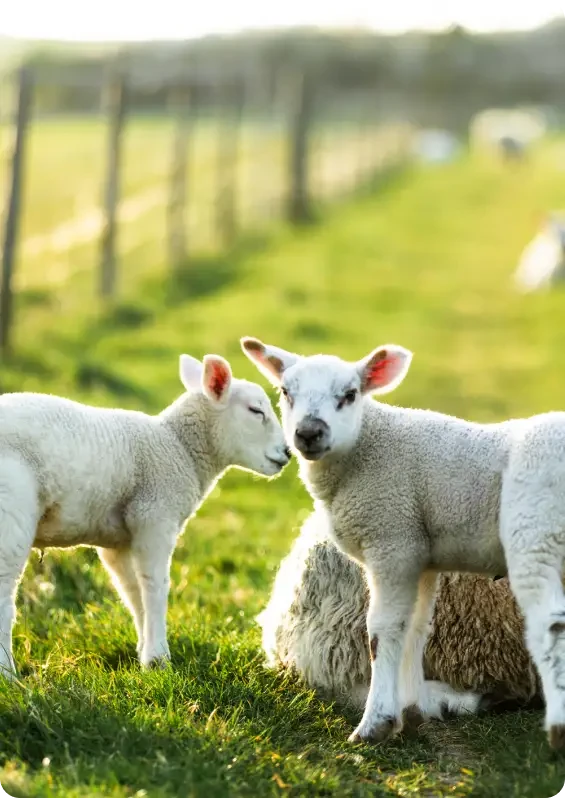
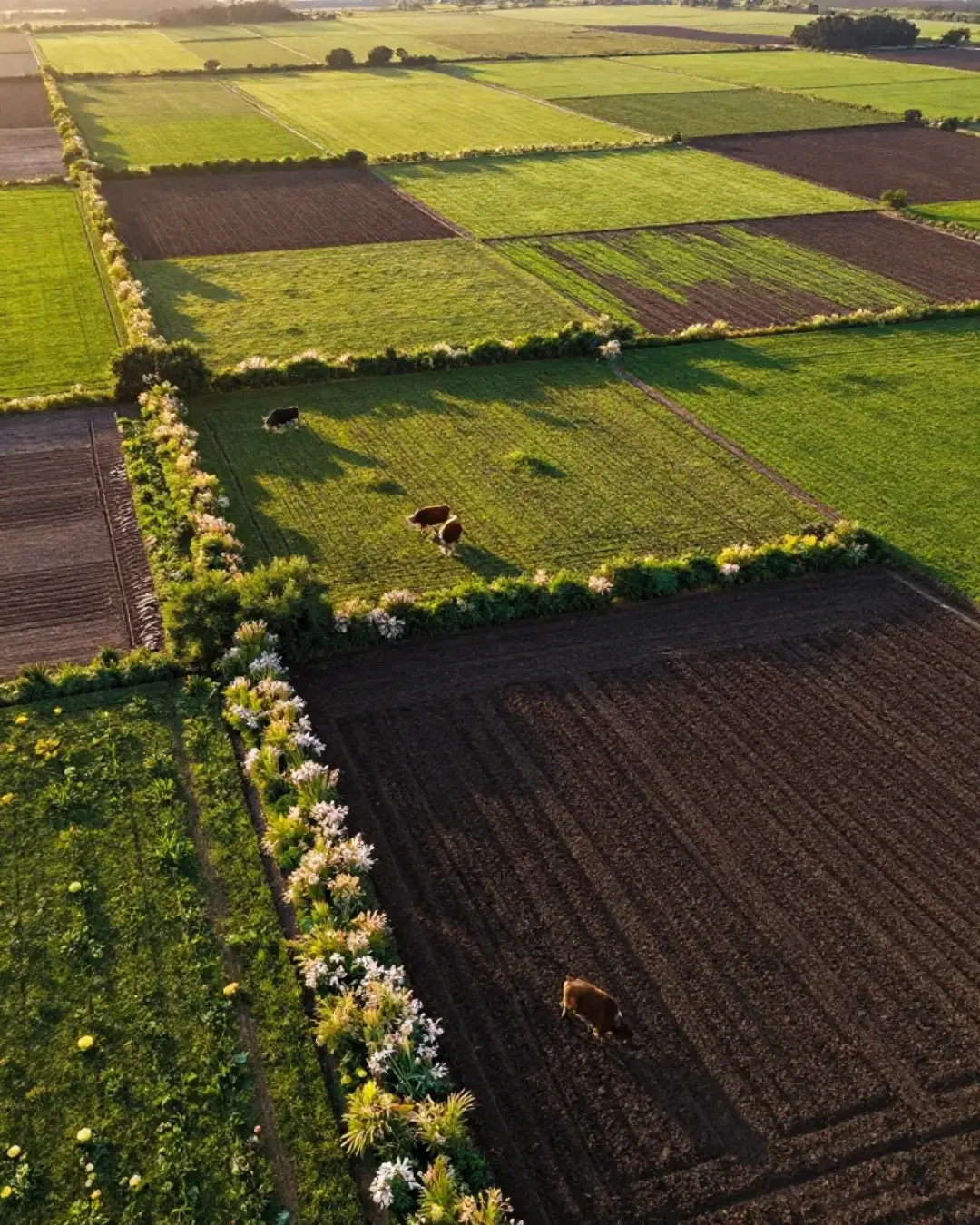
Pasture for Life states that under Defra rules, animals only need 51 percent of their diet to be grass based to be labelled as grass fed. The same organisation says its certification mark allows UK farmers to guarantee that animals have been raised on 100 percent pasture.
That distinction is important!
Useful details include:
For BFFD, this is exactly the kind of clarity supplier profiles should help provide.
Pasture for Life describes its certification as a standard for best practice that guarantees an animal has been raised on 100 percent pasture. Farms certify animals and retailers can become approved to sell certified produce.
Food descriptions should not mislead shoppers but unfortunately they do.
Want to get food independence, support your local grower, get better prices and shop more privately?
Local food isn’t just something you find. It’s something you protect. A free account helps keep local supply visible, supported, and resilient.
….it takes 30 seconds for food lovers and 5 minutes for suppliers
We built this for people who care where their food comes from. For people who want to remain food secure. For Farmers to get to the local people, who deserve a better income and to deliver a better price for you. For the environmentally conscious and the privacy-conscious. An account simply helps us make the map and supplier reach more useful to you, without changing how open it is. You’re always in control.


Find local food. Stay connected to it. Create a free account to support local producers and be part of a growing food network.