Follow us:

Purchase of Carbon Credits

The purchase of carbon credits means buying tradeable units that represent a claimed reduction, avoidance or removal of greenhouse gas emissions, usually measured as one tonne of carbon dioxide equivalent.
Buying carbon credits does not automatically mean a business, product or food supply chain is sustainable. Carbon credits should be used carefully, transparently and alongside real emissions reductions.

Carbon Project Created

Carbon Benefit Measured

Credit Verified & Issued

Buyer Purchases Credit

Carbon Credit Is Retired Or Claimed

Farm Carbon Project

A land manager generates credits from approved carbon or nature work.

Business Offset Purchase
A company buys credits to compensate for residual emissions.
Consumer Facing Claim
A brand uses carbon credits to support a claim such as carbon neutral, low carbon or climate positive, which must be clear and not misleading.

Purchase of Carbon Credits

The purchase of carbon credits is when a business, organisation or individual buys credits from a carbon project or carbon market to compensate for emissions or support a climate related claim. A credit usually represents one tonne of carbon dioxide equivalent that has been reduced, avoided or removed. Buying carbon credits can help fund environmental projects, including some land based and farming projects, but buyers need to check credit quality, verification, additionality, permanence, double counting, retirement and whether any public claim is clear and lawful. Carbon credits are not the same as UK Emissions Trading Scheme allowances, and they should not be used as a substitute for reducing emissions at source.
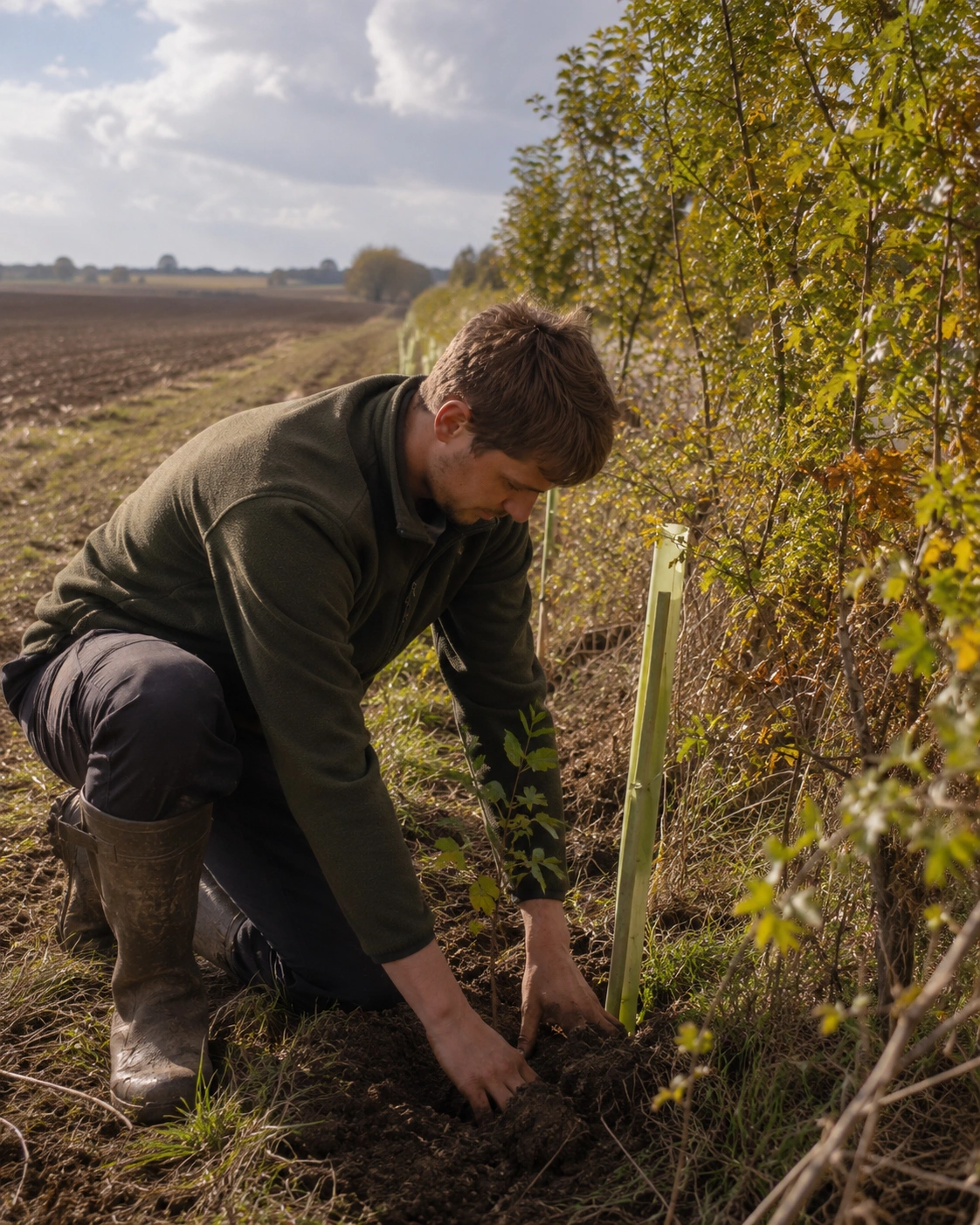
A man planting a tree to reduce carbon emissions
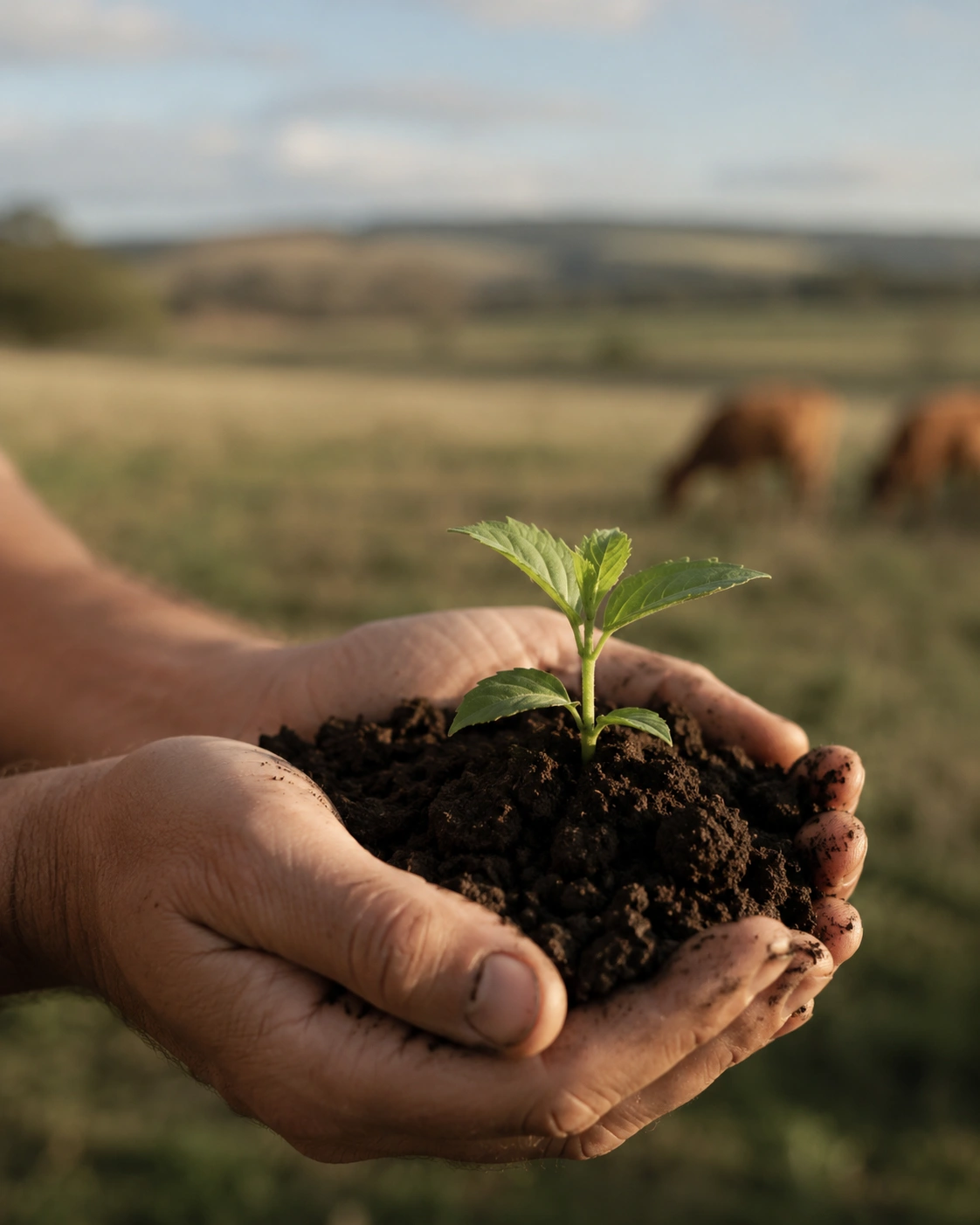
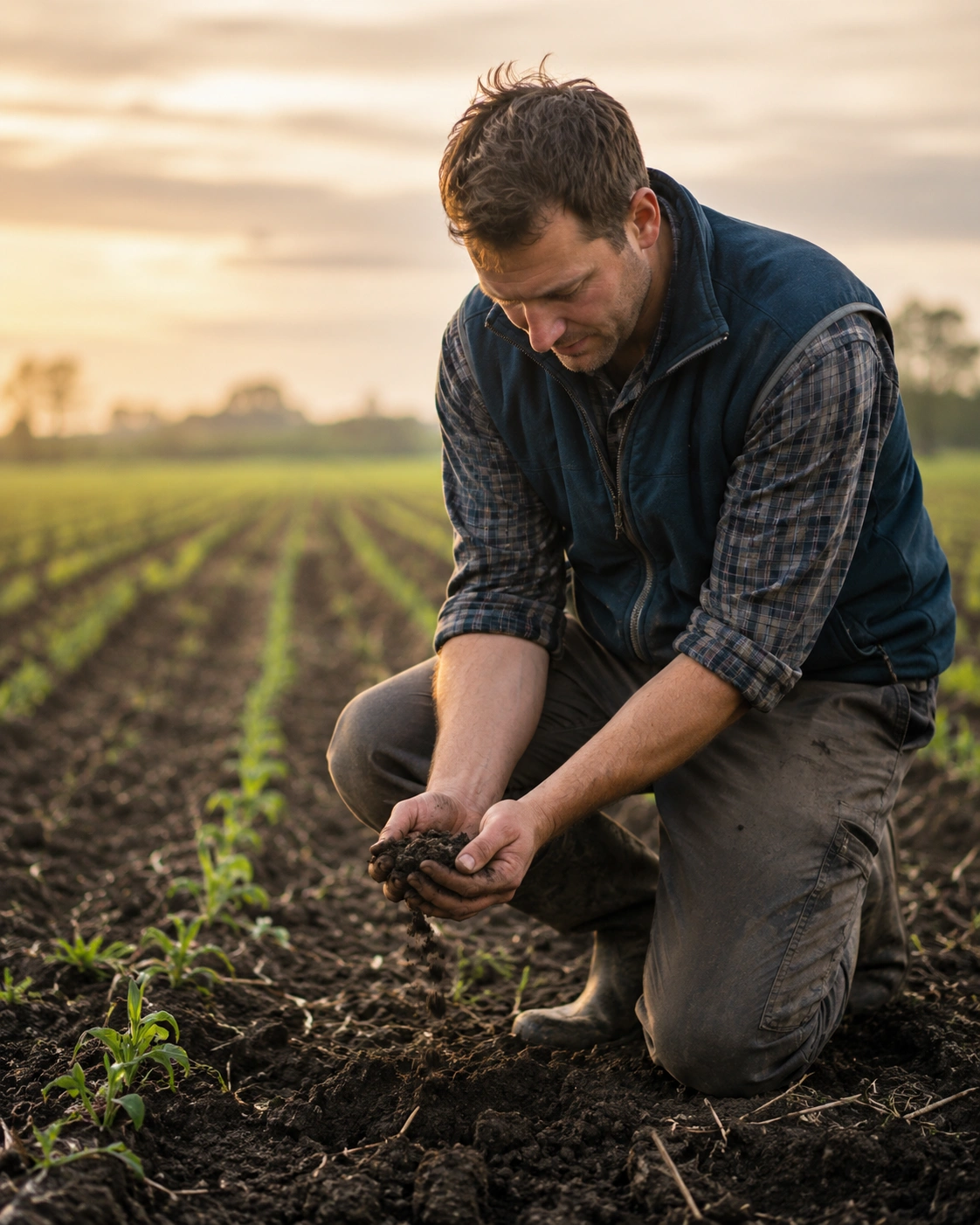
A person holding a growing seed in soil

What the Purchase of Carbon Credits Means

The purchase of carbon credits is a way of putting a financial value on a claimed climate benefit.
A project claims to reduce emissions, avoid emissions or remove carbon from the atmosphere. That benefit is measured, verified and converted into credits under a particular carbon standard or scheme. A buyer then purchases those credits, often to compensate for emissions that are difficult to reduce immediately.
In plain English, a company may say: “We still create emissions, but we are buying credits from a project that reduces or removes emissions elsewhere.”
That may sound simple, but the reality is more complicated. The quality of a carbon credit depends on whether the climate benefit is real, additional, properly measured, permanent, independently verified and not counted twice.
The UK Government has recognised the role of responsible voluntary carbon and nature markets, while also consulting on how to raise integrity, governance, disclosure and trust in those markets. Its voluntary carbon and nature markets work is specifically concerned with quality, clarity and confidence.

Carbon Credits Are Not the Same as Carbon Allowances

So when people search for the purchase of carbon credits, they may be looking for voluntary offset credits, but they may also confuse them with regulated emissions allowances.
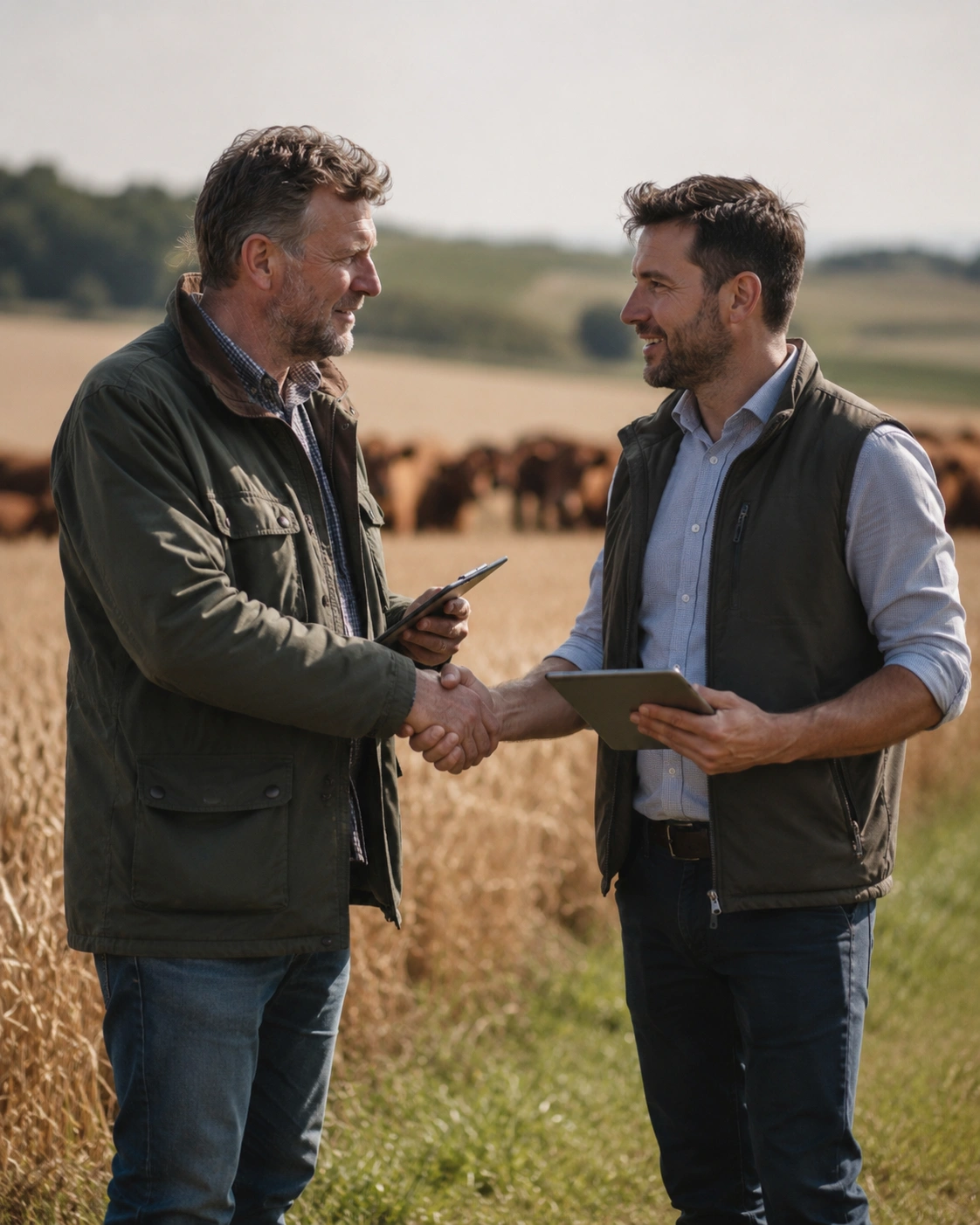
two farmers talking

Carbon Credits 

Voluntary or project based credits representing reductions or removals.

Carbon Allowances

Regulated permission to emit within schemes such as the UK ETS.

Personal Carbon Allowances

A proposed individual carbon budgeting concept, not the same as buying carbon credits.
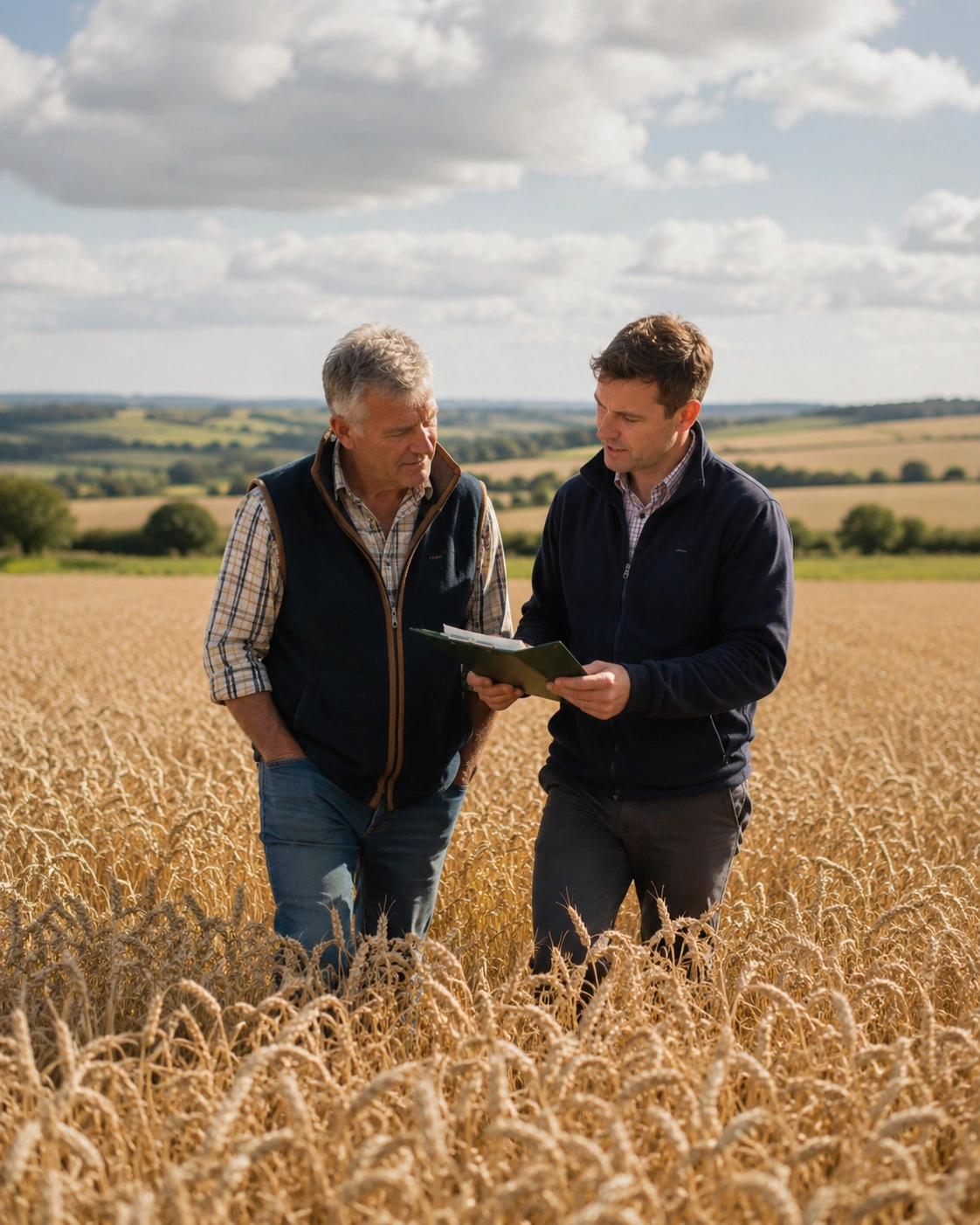
two farmers talking in a wheat field

How Carbon Credits Are Bought

The purchase of carbon credits can happen through a few different routes.
A buyer may purchase credits directly from a project developer, through a broker, through a carbon marketplace, through a sustainability consultant or through a carbon standard registry. In many cases, the credit should be retired after purchase if it is being used as an offset claim. Retirement means the credit cannot be sold or used again.
The basic process usually looks like this:

Purchase of Carbon Credits and Farming

Farmers and land managers are increasingly being approached about carbon markets because they manage land that may store carbon, reduce emissions or deliver nature benefits.
A farm based carbon project might involve soil carbon work, hedgerow creation, tree planting, agroforestry, peatland restoration, grassland management, cover crops or reduced emissions from farm practices.
This can create a possible income stream for farmers, but it also brings risk
The NFU’s explainer on carbon markets says carbon credits can be generated from activities that reduce, remove or avoid emissions under defined monitoring, reporting and verification standards. It also warns that carbon credits can only be used as an offset once, and that selling a credit can mean the farmer cannot count it towards the farm’s own net zero position.
A farmer may sell a credit today and later discover they cannot use that same carbon benefit to support the farm’s own environmental claim, supply chain requirement or lender reporting. That is why farmers should understand who owns the carbon, who owns the claim and how long the contract lasts.
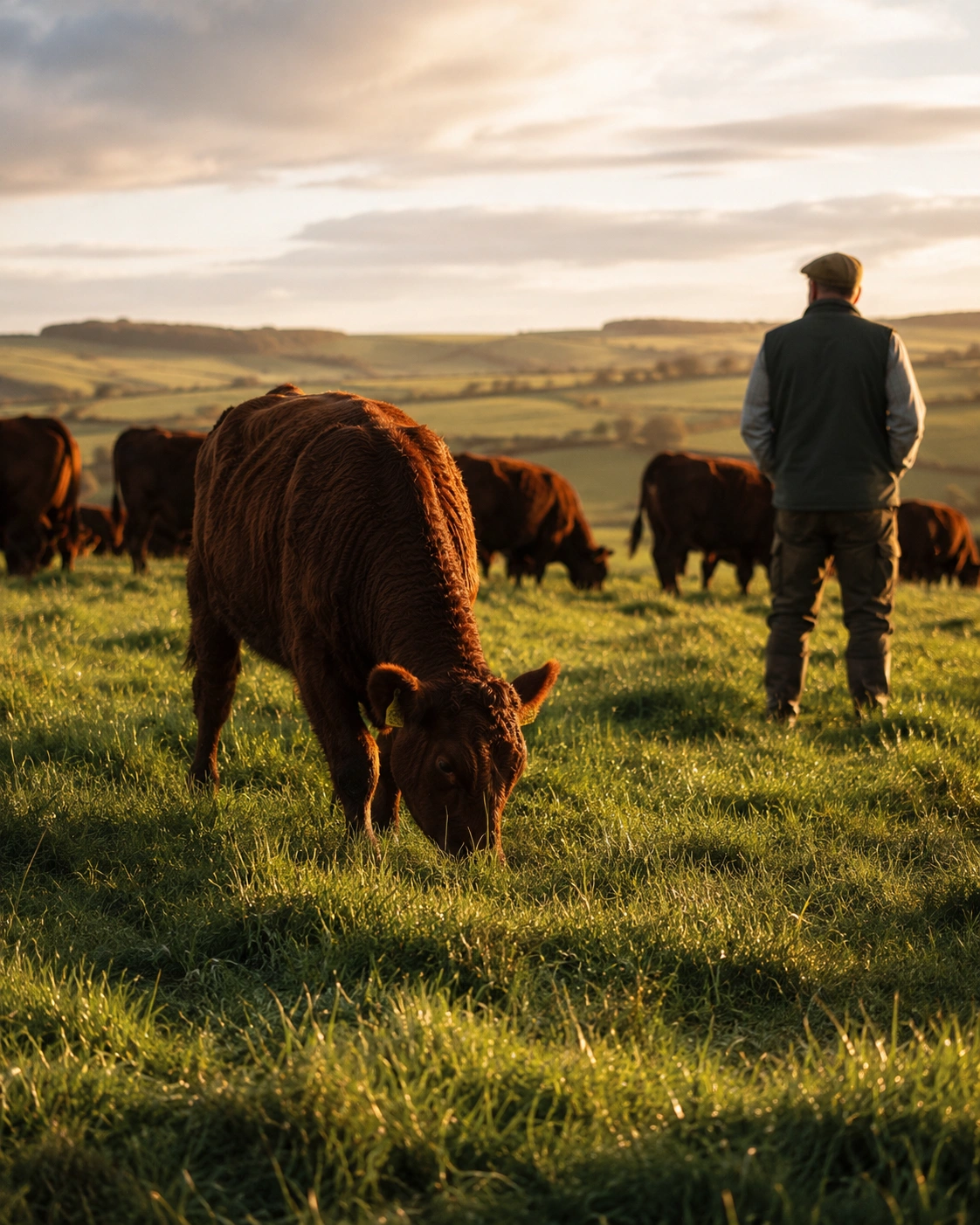
a farmer standing with his cattle

Are Farmers Being Pressured Into Carbon Credit Schemes?

Some farmers explore carbon credits voluntarily because margins are tight and carbon markets appear to offer new income. Others may feel structural pressure because subsidies are changing, supply chains are demanding more carbon data and buyers, retailers or lenders increasingly want environmental reporting.
That does not always mean direct coercion. It can mean commercial pressure.
A farmer may be told that joining a scheme gives them a new income stream. They may also be told that carbon measurement will be expected by processors, retailers, banks or corporate buyers. In that environment, carbon credits can begin to feel less like a choice and more like a condition of staying commercially acceptable.

RICS has noted that the agricultural sector is well placed to contribute to carbon sequestration because around 70 percent of UK land mass is agricultural land, but that realising the potential of carbon markets requires robust methods and frameworks.

For BFFD, this matters because farmers should not be pushed into long term carbon contracts without clear advice, fair terms and a full understanding of what they may be giving away.

Green Claims and Carbon Credit Purchases

Businesses must be careful when making claims based on carbon credits.
The UK Green Claims Code says environmental claims should be truthful, clear, unambiguous, accurate and not misleading. The CMA developed the guidance to help businesses understand their obligations when making environmental claims.
This matters because a company might purchase carbon credits and then describe a product, service or business as carbon neutral, climate positive, low carbon or sustainable. If that claim is not properly explained and evidenced, it could mislead consumers.
For food businesses, this is especially sensitive. A “carbon neutral” food product may still have travelled long distances, relied on complex supply chains, used intensive production systems or offered weak provenance. Carbon credits do not automatically fix those issues.
BFFD’s view is simple: carbon claims should never be allowed to hide poor food transparency.
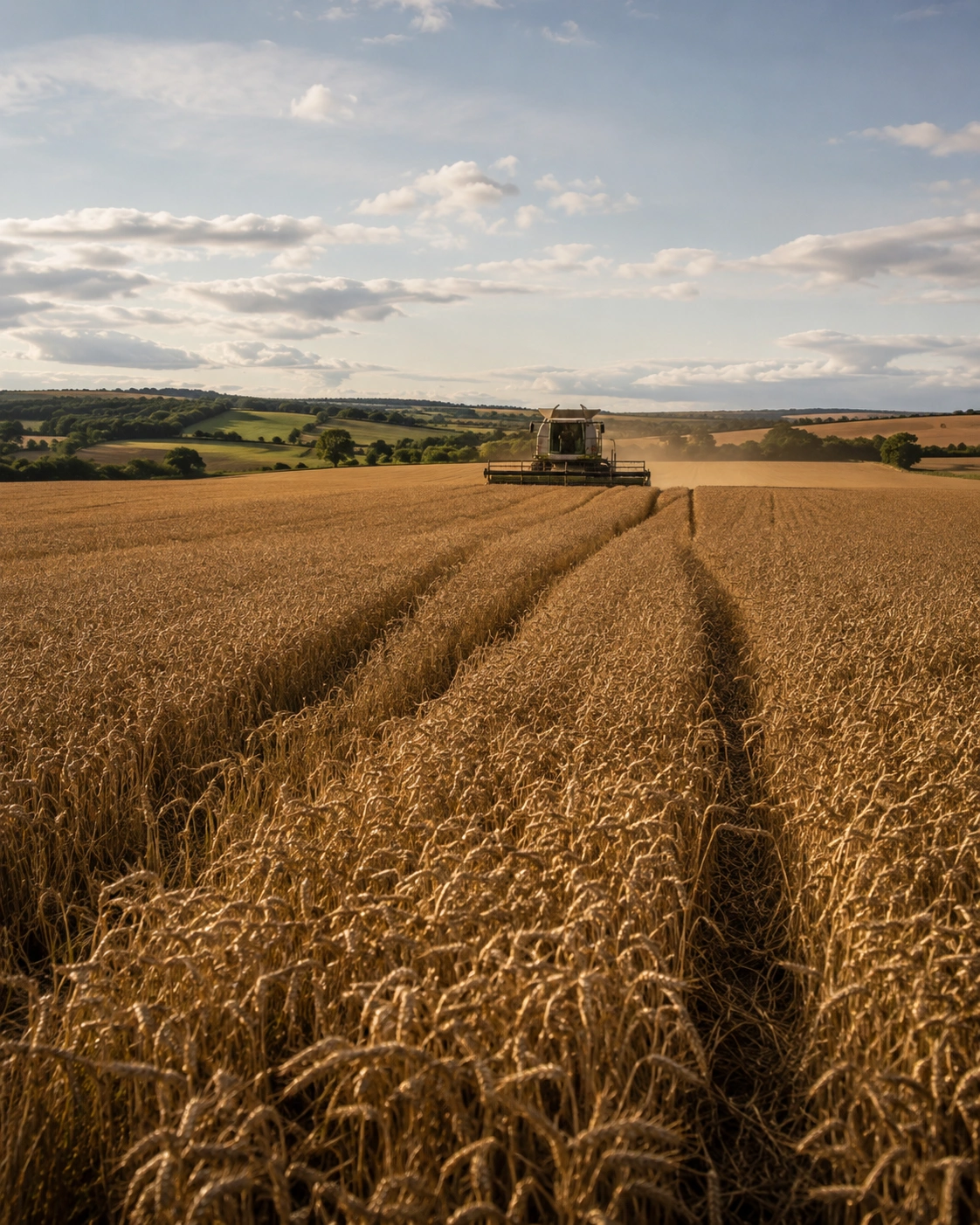
A farmer harvesting crop
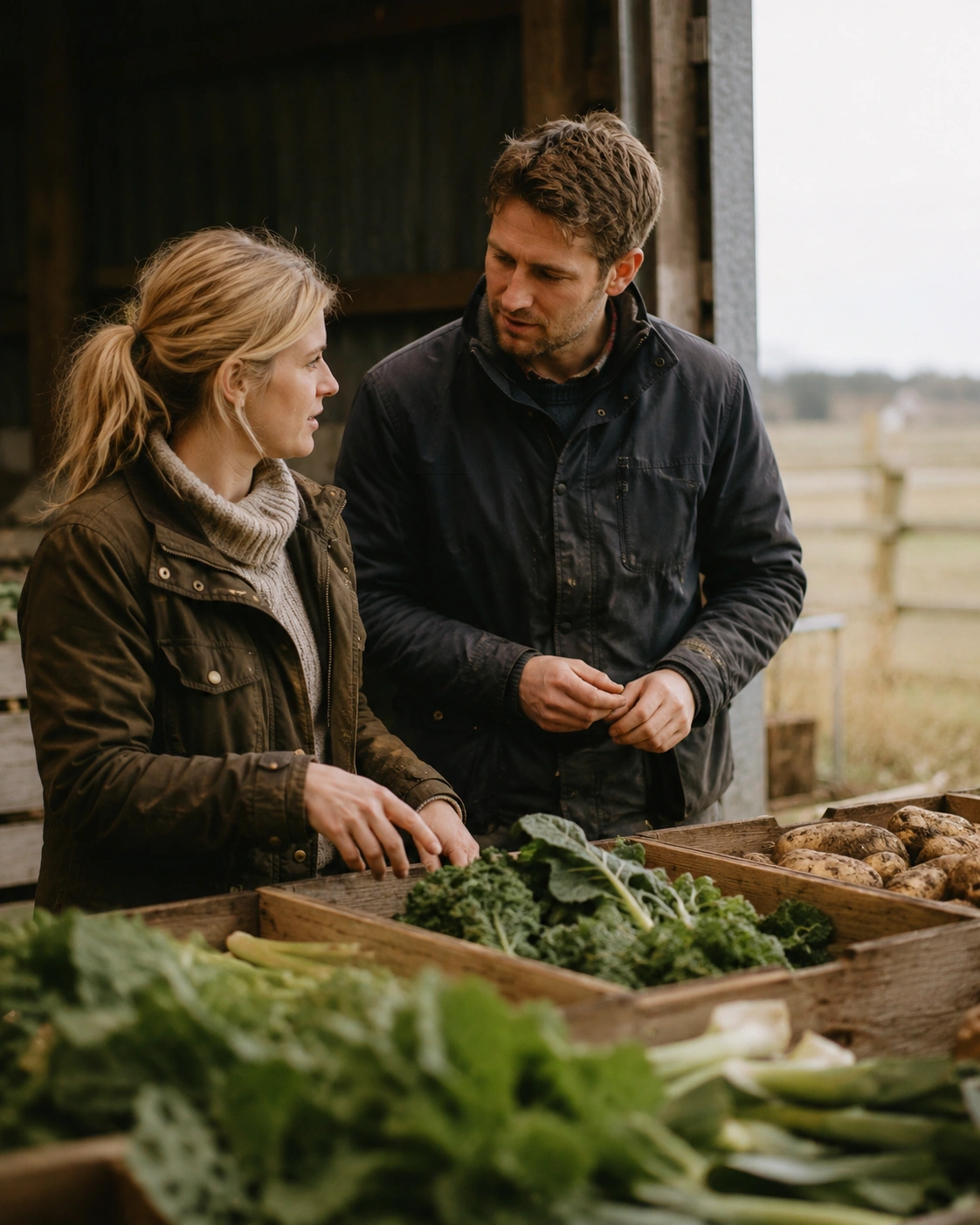
two people talking over food

What the Purchase of Carbon Credits Means for Consumers

Most consumers are not personally purchasing carbon credits when they buy food.
However, carbon credit purchases can still affect them. A brand may use credits to make a carbon neutral claim. A retailer may use carbon accounting to guide product ranges. A food company may add the cost of offsetting or reporting into pricing. A product may be marketed as climate friendly because of offsets rather than direct production changes.
Consumers need to understand the difference between:

How End Users Can Avoid Getting Caught Out

If carbon credits become more visible in food purchasing, consumers should protect themselves by asking better questions.
For BFFD, the deeper concern is where these systems may go over time. If food purchases become increasingly linked to carbon scores, personal allowances, digital identity, loyalty data or behavioural nudging, then people may lose freedom and privacy around basic food choices.
BFFD believes food should remain human, understandable and connected to real producers, not reduced to a number on a screen.
Looking at statistics in a field
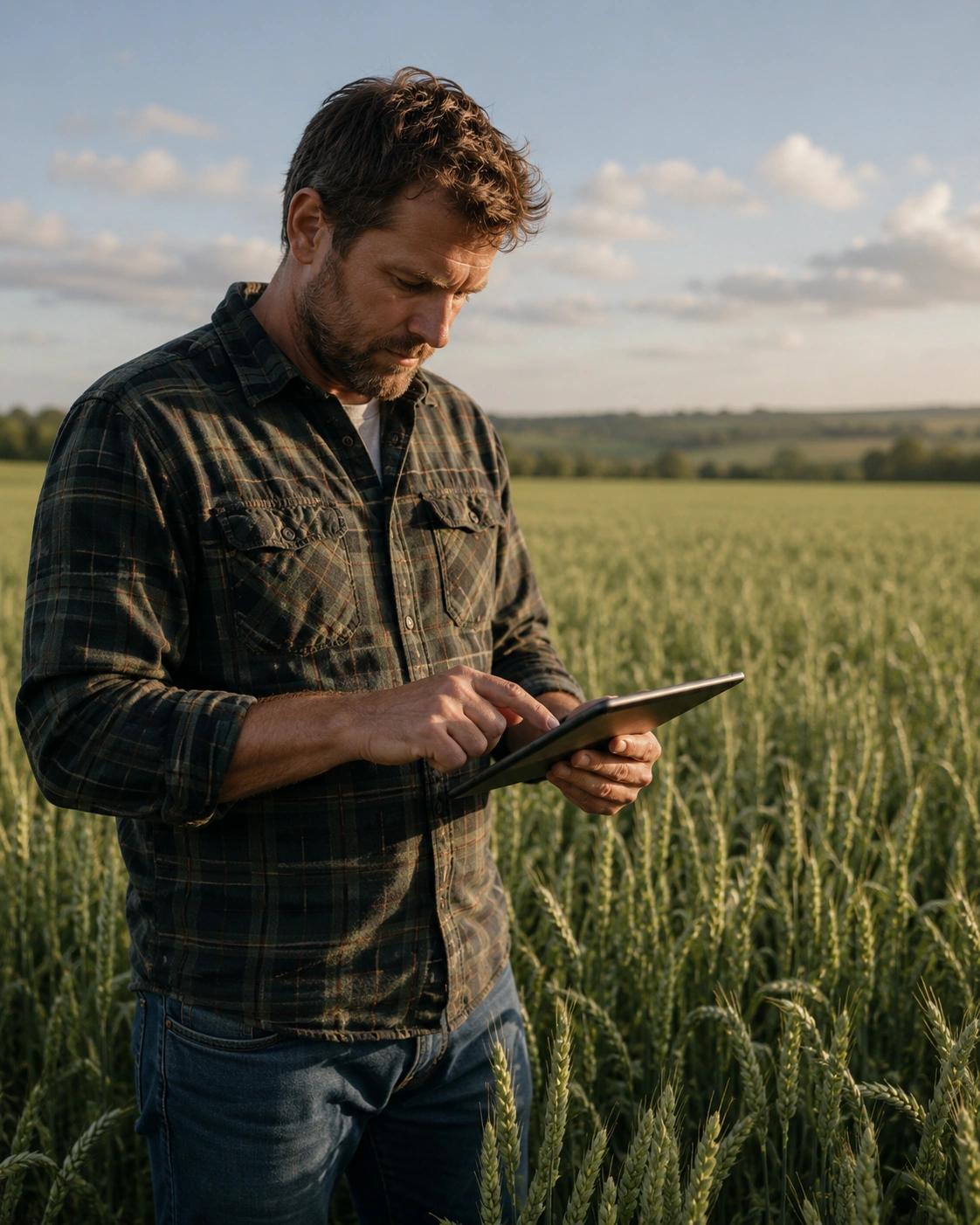
A farmer checking his crop

Purchase of Carbon Credits and Food Prices

Buying carbon credits costs money, and carbon reporting systems cost money too.
Those costs may sit with companies at first, but food supply chains often pass costs down to producers or up to consumers. Farmers may face reporting and verification costs. Processors may face carbon accounting requirements. Retailers may demand supply chain emissions data. Brands may build offsetting costs into product pricing.
That does not mean every carbon credit purchase automatically raises food prices. But carbon systems are not cost free.
The question is who benefits and who pays.

If middlemen, consultants, registries and corporate buyers benefit while farmers and shoppers carry the cost, the system deserves scrutiny.
Purchase of Carbon Credits and BFFD

BFFD is not a carbon credit marketplace, broker or investment adviser.
BFFD’s role is to help people understand how carbon credit purchases may affect farming, food production, consumer claims and local food trust.
We believe farmers should understand what they are signing before entering carbon schemes. We believe businesses should make carbon claims honestly. We believe consumers should not be misled by vague offset language. We believe local food should not be judged only through carbon scoring while ignoring provenance, food access, affordability, nutrition and producer survival.
This page sits within BFFD’s wider food and farming knowledge section because carbon credits are becoming part of the conversation around land, food and farming.
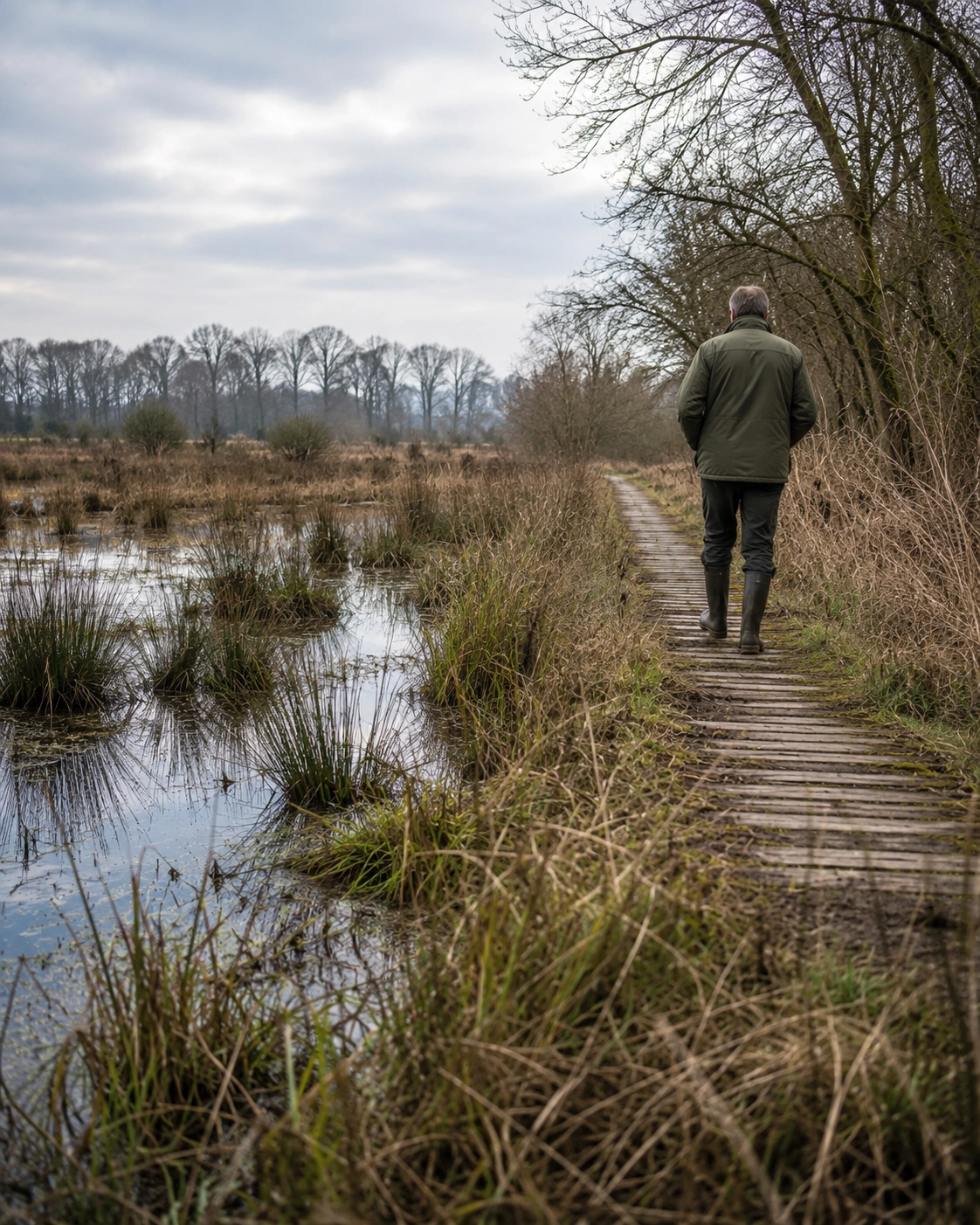
A man walking through his carbon field

Common Misunderstandings About the Purchase of Carbon Credits

Where to Purchase Carbon Credits

Carbon credits can be purchased through carbon marketplaces, brokers, project developers, consultants, carbon standards, registries and specialist providers. The right route depends on whether you are an individual, a business, a farmer, a landowner, a food company or an organisation looking to make a public climate claim.
The most important point is this: do not buy carbon credits simply because a website sells them. Check the standard, the project, the registry, the retirement process and the claim you are allowed to make afterwards.
Carbon credits are often sold through three broad routes.

1. Carbon Standards and Registries

Gold Standard Marketplace

Gold Standard says its certified carbon credits fund climate protection projects that reduce greenhouse gas emissions and create sustainable development benefits. It also explains that each carbon credit equals one tonne of CO2 reduced or removed, and that purchases are made by the tonne.

Verra Verified Carbon Standard

Verra runs the Verified Carbon Standard and explains that each Verified Carbon Unit represents one tonne of carbon dioxide equivalent reduced or removed. Verra also states that it does not buy, sell or trade carbon credits itself, and that purchase agreements happen outside the Verra Registry.

UK Woodland Carbon Code

The Woodland Carbon Code is the UK’s voluntary carbon standard for woodland creation projects, managed by Scottish Forestry. It provides guidance for buyers and landowners, including how to buy and use units.

We go into more detail regarding both UK bodies and Global carbon bodies In the following pages.

2. Carbon Marketplaces and Brokers

Some buyers purchase carbon credits through marketplaces or brokers that source credits from multiple projects or registries. This can be easier for individuals or smaller businesses, but it also means buyers need to understand what the provider is selling. A marketplace should make the project, standard, price, registry, verification, retirement process and buyer claim clear. For example, Climate Impact X describes its marketplace as offering verified carbon credits from registries such as Verra and Gold Standard, while Forest Carbon says it works with land managers and projects validated through standards such as the Woodland Carbon Code and Peatland Code.

3. Direct Purchase From Project Developers

Larger buyers may purchase credits directly from project developers, land managers or specialist carbon project providers. This route can be useful for businesses wanting a closer relationship with a project, especially for UK land based credits. However, direct purchase usually requires more due diligence, legal review and clarity around ownership, delivery, monitoring, verification and retirement. For farmers and landowners, this is where caution is especially important. Selling a carbon credit can mean selling a claim that the farm may not be able to use later for its own carbon reporting. The NFU warns that carbon credits can only be used once, and that if a farmer sells a credit, they may not be able to count it towards the farm’s own net zero position.

Important note

BFFD does not sell carbon credits and does not provide financial, legal, investment or carbon market advice. External links are provided for research and due diligence only. Always seek qualified advice before purchasing carbon credits or making public carbon claims.

LEARN MORE ABOUT CARBON CREDITS

Carbon Certifications to look out for

FAQ

What is the purchase of carbon credits?

The purchase of carbon credits means buying tradeable units that represent claimed reductions, removals or avoidance of greenhouse gas emissions, usually measured as one tonne of carbon dioxide equivalent.
You can purchase carbon credits through recognised marketplaces, brokers, project developers, registries and standards. Examples include the Gold Standard Marketplace, UK Woodland Carbon Code routes, UK Peatland Code projects, and verified credit providers working with standards such as Verra and Gold Standard. Always check verification, retirement and claim rules before buying.
Carbon credits are usually bought by businesses, organisations or individuals that want to compensate for emissions or support a climate related claim. Companies may buy them through carbon marketplaces, brokers, consultants, standards or project developers.
No. Carbon credits usually represent emissions reductions or removals. Carbon allowances are part of regulated emissions trading schemes such as the UK ETS, where participants buy, trade and surrender allowances to cover regulated emissions.
Yes, some farmers and land managers can generate credits through eligible carbon projects, such as soil carbon, tree planting, peatland restoration, hedgerows or other land management changes. They should take advice before signing contracts.
Farmers should be cautious and seek advice before selling carbon credits. Selling a carbon credit may affect whether the farm can use that same carbon benefit for its own net zero claims or supply chain reporting later.
Farmers should check who owns the carbon claim, how long the contract lasts, whether the credit can still be counted towards the farm’s own net zero position, how carbon is measured, what happens if carbon is lost and whether the agreement affects future land use.
Only if the claim is accurate, clear, evidenced and not misleading. The UK Green Claims Code says environmental claims must be truthful, clear and not misleading.
Consumers should check the detail. A carbon credit claim does not automatically mean food is local, nutritious, affordable, sustainable, fairly produced or better quality. Provenance, seasonality, production, price and supplier trust still matter.

BFFD cares because carbon credit purchases can affect land use, farming income, food claims, product pricing and consumer trust. Food should remain understandable, transparent and connected to real producers.

Check whether the credit is verified, additional, permanent, traceable, not double counted and retired after purchase. You should also check what public claim you are allowed to make and whether the credit supports emissions reduction rather than replacing it.

Understand Carbon Before It Shapes Food

Carbon financing is becoming part of the conversation around farming, land and food. BFFD is being built to help people understand food, farming and local supply with clearer links between producers, products, place and trust.