Borlotti beans reward a patient gardener with colourful pods and creamy, speckled seeds for the kitchen. They are forms of Phaseolus vulgaris, the same species as French beans, usually grown for the beans inside mature pods. Choose a dwarf or climbing selection before planning the bed, and decide whether you want fresh shelling beans or a crop to dry for winter.
Summer crop
Frost tender
Full sun
Dwarf or climbing
Shelling beans
| Botanical name | Phaseolus vulgaris, borlotti selections |
| Family | Fabaceae |
| Plant type | Annual vegetable |
| Harvest used | Mature seeds, fresh or dried |
| Habit | Dwarf bush or twining climber |
| Height | Dwarf about 45 to 60cm; climbers about 2m |
| Position | Warm, sunny and sheltered |
| Soil | Fertile, moist but well drained |
| Hardiness | Killed by frost |
| Indoor sowing | Mid April to May |
| Outdoor sowing | Late May to June once soil is warm |
| Planting out | Late May or June after local frosts |
| Sowing depth | About 5cm |
| Dwarf spacing | 30cm apart, rows 45cm apart |
| Climbing spacing | 15 to 30cm along supports |
| Support | Strong frame for climbing forms |
| Fresh harvest | Late summer as seeds fill |
| Dry harvest | Usually September to October |
| Containers | Dwarf forms are easiest |
| Storage | Only completely dry beans in sealed jars |
| Plant name | Crop type | Spacing |
Sow indoors
Plant outdoors
Harvest
Polytunnel | |||||||||||
|---|---|---|---|---|---|---|---|---|---|---|---|---|---|---|
| Jan | Feb | Mar | Apr | May | Jun | Jul | Aug | Sep | Oct | Nov | Dec | |||
| Beans (Borlotti) | Legumes | Single 0.30m, In row 0.30m, Row gap 0.45m | No activity recorded | No activity recorded | No activity recorded | Sow indoors, Polytunnel | Sow indoors, Plant outdoors, Polytunnel | Sow indoors, Plant outdoors, Polytunnel | No activity recorded | Harvest | Harvest | Harvest | No activity recorded | No activity recorded |
Sow indoors: April, May, June. Plant outdoors: May, June. Harvest: August, September, October. Polytunnel: April, May, June.
Sow indoors in April or May, then plant after the last local frost. Direct sowing in May or June needs warm soil. August to October covers fresh shelling and drying harvests, depending on sowing and weather. Polytunnel months indicate protected growing, not guaranteed warmth. The spacing shown is for dwarf plants; climbers need a separate support layout.
Choose borlotti if you enjoy a crop that changes through the season. The harvest is concentrated rather than a daily handful of young green pods. A modest trial row lets you judge whether your garden gives beans enough late summer warmth to fill and dry well.
Dwarf plants suit a low bed or substantial container, while climbers make better use of height. Where autumn is consistently wet, grow primarily for fresh shelled beans. You can still enjoy the crop without relying on perfect outdoor drying weather.
Photo: Shagil Muzhappilangad, CC BY-SA 4.0. Resized and optimised; cropped for display. Adapted image under the same licence.
Choose a sunny, sheltered bed with access for checking pods and picking between showers. Avoid shade beneath a mature hedge.
Add mature compost to workable soil. Aim for moisture retention with good drainage, and avoid treading on the bed while it is wet.
Install and brace climbing supports before planting. Leave room to reach both sides without stepping on roots or pulling on tangled stems.
For patio growing, choose a large container with drainage holes. Dwarf selections are easier to accommodate; climbers need a stable planter and tall support.
Photo: Marek Ślusarczyk, CC BY 3.0. Resized and optimised; cropped for display.
A protected start gives drying beans more time to mature. Keep the timetable realistic: sowing very early is unhelpful if seedlings then spend weeks tangled together indoors while the garden remains cold.
1.
Check the packet for habit and maturity. Label dwarf and climbing selections separately.
2.
Sow one seed about 5cm deep in each pot or deep module of moist peat free compost.
3.
Keep pots bright and above about 12°C. Avoid standing them in water.
4.
Prepare the bed and support frame. Space dwarf plants 30cm apart in rows 45cm apart.
5.
Gradually acclimatise seedlings outdoors, returning them to shelter whenever frost threatens.
6.
Plant after local frosts, keeping the rootball intact and level with the soil. Water in.
7.
Position one climber per support, usually 15 to 30cm apart, and guide stems gently.
8.
Label the variety and sowing date. Check young plants frequently and replace failures promptly.

Watering
Keep moisture reasonably steady while flowers and seeds develop. Check beneath the surface before watering; dry looking topsoil can conceal moist ground. Apply water slowly around the roots so it reaches the soil instead of running into the path.
Container plants need closer attention in warm weather. Check that water reaches the entire rootball. During final drying, protect mature pods from repeated wetting rather than continually watering foliage that is already finishing.

Feeding
A prepared bed usually needs little extra fertiliser. Poor growth can reflect cold, drought or restricted roots rather than a shortage of feed.
For containers, follow compost and fertiliser instructions. Avoid combining feeds, and inspect watering and drainage before increasing the dose.

Pruning
Pinch off a climbing shoot that has passed the top of its support. Keep the crop reachable and disentangle only gently. Dwarf borlotti do not need a routine programme of pruning.
Leave designated drying pods on the plants to mature. This differs from picking French beans frequently for tender pods. If you also want a fresh shelling harvest, mark a few plants for each purpose so the later seed crop is not accidentally picked away.

Winter care
Finish harvesting before frost damages the crop. Bring mature pods into a dry, airy place if autumn weather prevents outdoor drying. Spread shelled beans in a single layer and check them before storing.
Clear spent growth and clean supports. Label saved seed separately from cooking beans. Investigate condensation in stored beans and discard mouldy seeds.
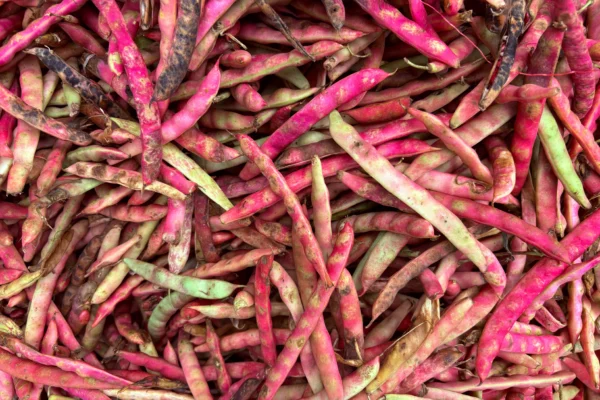
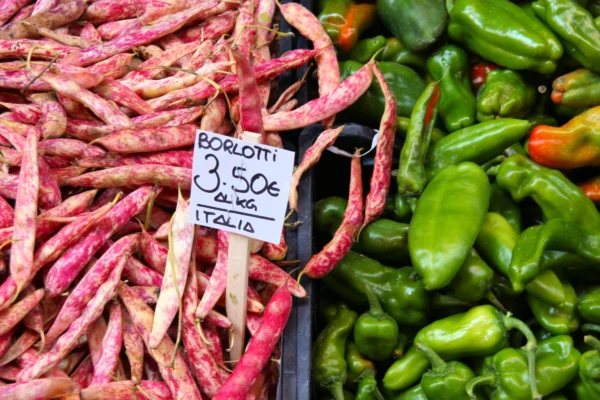
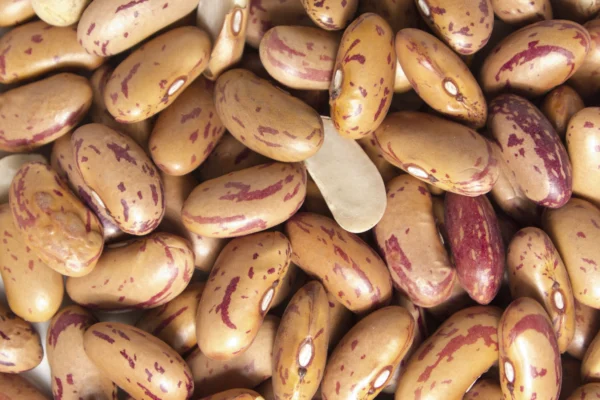
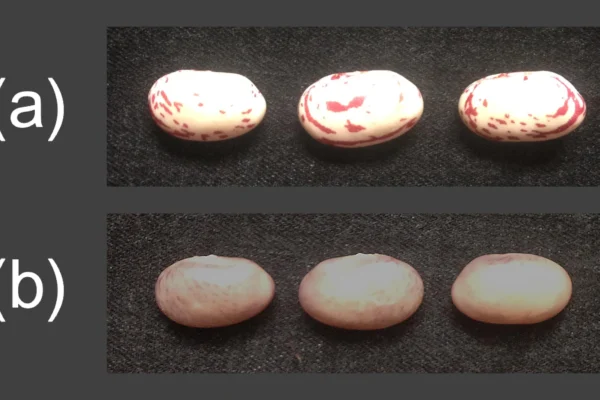
Typical borlotti pods become cream coloured with pink or red markings as they mature, and the seeds are also patterned. Colour intensity varies with selection and maturity. A named packet is more reliable than identifying a cultivar from a photograph of harvested beans.
For fresh shelling, open a sample pod when the seeds are full sized but still soft. For dry storage, wait for brittle pods and hard seeds, then finish drying indoors. Attractive red pods alone do not prove that the beans are ready for a jar.
Photo: Tiia Monto, CC BY-SA 3.0. Resized and optimised; cropped for display. Adapted image under the same licence.
In cooler districts, start in pots and choose a position that receives good afternoon sun. A later outdoor sowing may still provide fresh beans even when the season is too short for a fully dry crop.
In wetter western gardens, plan a drying space before autumn. A ventilated shed or sheltered indoor area is more useful than hoping damp pods will improve in a sealed bag. Harvest on a dry day when possible.
A polytunnel can lengthen the useful season, but air circulation and watering still matter. Check plants at the back of the structure, where heat or dry soil can go unnoticed. Avoid packing the tunnel so tightly that mature pods cannot be inspected.
Photo: Hevesli, CC BY-SA 4.0. Resized and optimised; cropped for display. Adapted image under the same licence.
Cold, wet compost can cause rotting. Check a failed pot before watering it again, and resow in fresh compost with better warmth and drainage.
Bean seed fly can damage germinating beans. Raising a few replacements in pots helps fill gaps. Delay direct sowing if conditions are still cold and growth will be slow.
The season may be too short or wet for drying. Gather sound, mature beans for fresh use or suitable freezing rather than sealing incompletely dried seeds.
Phaseolus rust can produce pale, brown or dark pustules. Improve airflow, remove affected leaves where practical and avoid saving seed from badly affected plants.
Residual moisture is the usual concern. Inspect all beans before storage, discard damaged or mouldy seeds and only close the container once the sound crop is thoroughly dry.
Raise plants from seed each year. For seed saving, select healthy plants that showed the habit and pod quality you wanted. Keep several representative plants instead of choosing only the last unpicked pod in the bed.
Allow seed to mature completely, then dry and label it with cultivar and year. French bean types largely self pollinate, but do not promise exact results from unidentified mixed seed. Bought seed is the simplest option when a specific named selection matters.
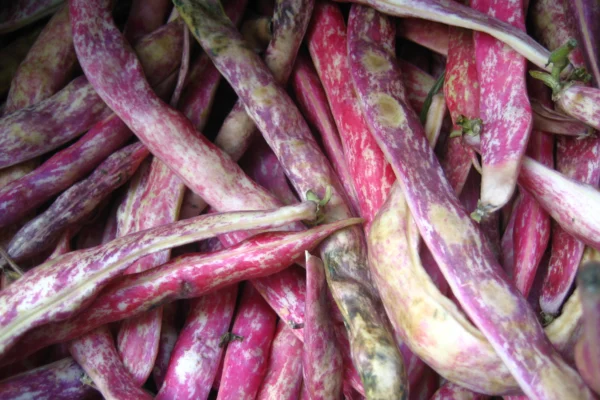
Lingua di Fuoco, climbing form
A climbing shelling selection with decorative mottled pods. Choose it for a tall frame where you can leave pods to mature while keeping them clear of wet ground. Confirm that the packet specifies climbing.
Illustrative borlotti beans; the photographed cultivar is unidentified.
Photo: Jeremy Keith, CC BY 2.0. Resized and optimised; cropped for display.
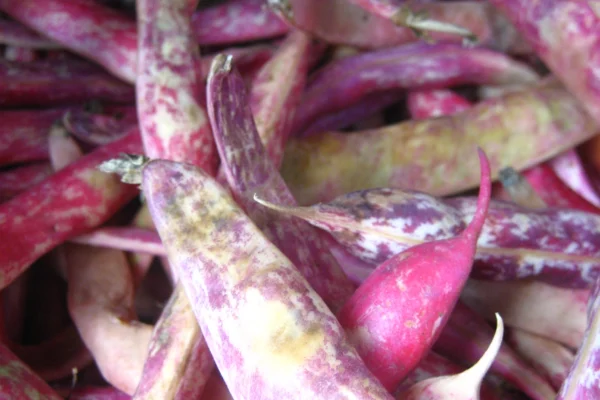
Lingua di Fuoco, dwarf form
The bush form offers the same general borlotti harvest in a lower plant. It suits a smaller bed and windy sites, but low pods need particular attention during a wet drying season.
Illustrative borlotti beans; the photographed cultivar is unidentified.
Photo: Jeremy Keith, CC BY 2.0. Resized and optimised; cropped for display.
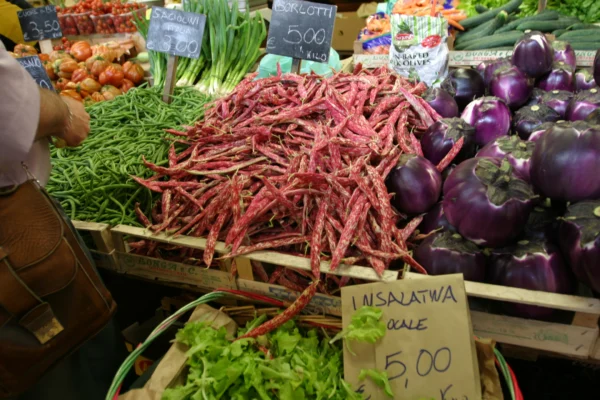
Borlotto di Vigevano Nano
A recognised dwarf borlotti selection. It is useful when you want to compare two compact seed lines without building a climbing frame. Follow the supplier’s spacing and maturity guidance for the seed supplied.
Illustrative borlotti beans; the photographed cultivar is unidentified.
Photo: Ian L, CC BY-SA 2.0. Resized and optimised; cropped for display. Adapted image under the same licence.
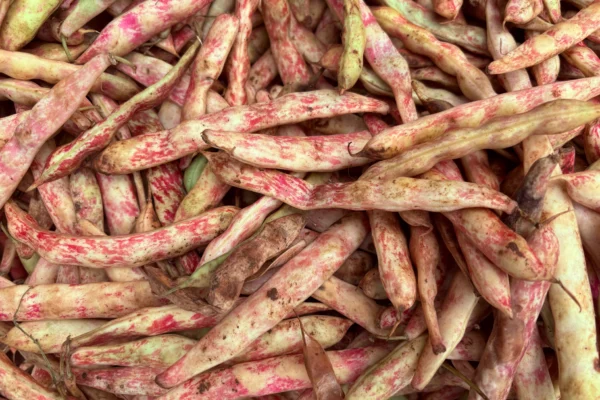
Lamon
A climbing shelling bean associated with Belluno in Italy. Seeds of Italy describes plants around 1.8 to 1.9m tall. Give it a proper support and space for a crop of mature seeds.
Illustrative borlotti beans; the photographed cultivar is unidentified.
Photo: Shagil Muzhappilangad, CC BY-SA 4.0. Resized and optimised; cropped for display. Adapted image under the same licence.
Explore the BFFD map for growers and local food producers, then ask about seasonal borlotti availability. For your own plot, confirm whether any seed or young plants offered are dwarf or climbing.
A varied garden around the bean bed helps support the insects and other animals that share it. Keep nearby flowers available through summer and check for beneficial insects before acting on a small aphid colony.
Use observation first when leaves are marked. Not every insect resting on a pod damages the crop; check before deciding whether any action is needed.
Published by Buy From Farmers Direct. Sources checked 4 October 2026. Growing references: RHS: Growing beans for drying; RHS: Growing beans for drying, practical feature; University of Minnesota Extension: Growing beans; Seeds of Italy: Lamon climbing borlotto; Chiltern Seeds: Borlotto di Vigevano Nano; Premier Seeds Direct: Dwarf Lingua di Fuoco; RHS: Bean seed fly; RHS: Runner and French bean rust. The seasonal timeline uses the shared BFFD Growers Calendar record; adjust timings to your variety and local conditions.
Start pots in April or May and plant outside after frost. Direct sowing usually suits late May or June once the soil is warm. Drying crops benefit from the longer season of a protected start.
For fresh shelling, check for full sized, soft seeds inside mature pods. For drying, pods should become brittle and seeds hard. UK harvests commonly fall from late summer into autumn.
Let mature pods dry on the plant where weather permits. Bring them into an airy, dry place before persistent rain or frost, shell them, and finish drying thoroughly before sealed storage.
Climbing selections need a strong tall frame. Dwarf selections stay low and may only need short twiggy support. Check the packet because Lingua di Fuoco is sold in both forms.
Yes, especially dwarf selections in a substantial, well drained container. Allow enough root space, water consistently and avoid crowding. A tall climbing bean needs a much larger, stable planter.
They belong to the same species, Phaseolus vulgaris. Borlotti are usually selected for mature shelling or dried beans, while ordinary French bean crops are usually picked for tender young pods. Cook harvested beans appropriately before eating.
Use the BFFD growers calendar for seasonal planning and the map to find local producers. Note which borlotti form succeeded in your garden.
Explore more growing guides: Beans (Broad), Beans (French), Beans (Runner).
Want to get food independence, support your local grower, get better prices and shop more privately?
Local food isn’t just something you find. It’s something you protect. A free account helps keep local supply visible, supported, and resilient.

….it takes 30 seconds for food lovers and 5 minutes for suppliers
We built this for people who care where their food comes from. For people who want to remain food secure. For Farmers to get to the local people, who deserve a better income and to deliver a better price for you. For the environmentally conscious and the privacy-conscious. An account simply helps us make the map and supplier reach more useful to you, without changing how open it is. You’re always in control.


Find local food. Stay connected to it. Create a free account to support local producers and be part of a growing food network.


