Lantana adds bright clusters of small flowers to a sunny patio, often showing several colours in the same flowerhead as the blooms age. In Britain it is best approached as a tender container shrub or summer bedding plant, with a clear plan for autumn. Give it warmth, plenty of light and a freely draining root environment. A named compact selection is easier to accommodate than a large shrub, while trailing lantana offers a different shape for raised pots.
Sunny sheltered position
Tender flowering shrub
Good summer container plant
Protect from cold
Ornamental, not edible
| Botanical genus | Lantana |
| Family | Verbenaceae |
| Common garden group | Lantana camara and its hybrids |
| Trailing species | Lantana montevidensis |
| Plant type | Tender shrub, often used as seasonal bedding |
| Main attraction | Rounded clusters of small tubular flowers |
| Flower colours | Yellow, orange, red, pink, white and purple |
| Colour changes | Some flowers change colour as they age |
| Position | Full sun and shelter |
| Soil | Fertile, moist but well drained |
| Container compost | Peat free loam-based potting compost |
| Outdoor planting | Late May–June once warm and frost free |
| Typical summer display | June–September, sometimes into mild autumn |
| Winter location | Bright protected space with suitable warmth |
| Cold tolerance | Check the selection; do not rely on outdoor winter survival |
| Pruning | Light shaping in mid to late spring |
| Propagation | Semi-ripe cuttings; seed is an optional project |
| Container feed | Suitable liquid fertiliser during active growth |
| Common indoor pests | Whitefly and glasshouse red spider mite |
| Safety | Harmful if eaten; wear gloves when handling |
| Plant name | Crop type | Spacing |
Sow indoors
Plant outdoors
Harvest
Polytunnel | |||||||||||
|---|---|---|---|---|---|---|---|---|---|---|---|---|---|---|
| Jan | Feb | Mar | Apr | May | Jun | Jul | Aug | Sep | Oct | Nov | Dec | |||
| Lantana | Not recorded | Single 60cm, In row 60cm, Row gap 60cm for compact forms; larger or trailing plants may spread over 1m | No activity recorded | No activity recorded | Sow indoors | Sow indoors | Plant outdoors | Plant outdoors | No activity recorded | No activity recorded | No activity recorded | No activity recorded | No activity recorded | No activity recorded |
Sow indoors: March, April. Plant outdoors: May, June. Harvest: no months recorded. Polytunnel: no months recorded.
March-April sowing is optional for suitable labelled seed; young nursery plants are the simpler route to a summer display. May-June planting means moving outside only when frost has passed and nights are reliably warm, later in colder districts. Flowers normally provide summer colour and may continue into a mild autumn. Harvest is empty because lantana is ornamental and harmful if eaten. The polytunnel band is empty: overwintering needs a bright space maintained at the temperature required by the particular plant, not merely an unheated cover.
Lantana suits a warm patio, a sheltered courtyard or a conservatory with plenty of light. Containers make it easier to move a favourite plant into winter protection, and a trailing form can spill over a raised pot without needing a broad border.
Before buying, decide whether it will be seasonal bedding or a plant you intend to keep. The second choice needs a bright winter space as well as a summer position. Lantana is harmful if eaten, including its berries; keep it away from browsing pets and use gloves for handling.
Photo: Victor M. Vicente Selvas, CC BY-SA 3.0. Resized and optimised; cropped for display. Adapted image under the same licence.
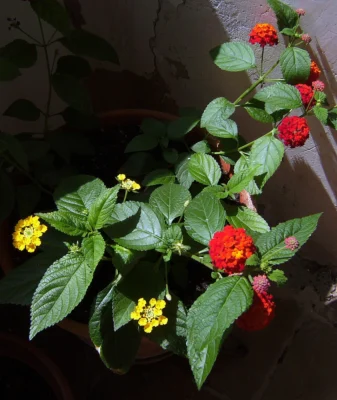
Choose the sunniest suitable position, sheltered from cold winds. A warm wall can help, provided the pot is not trapped in a dry rain shadow without regular watering. Heavy shade usually gives a less satisfying flower display.
Use fertile ground that retains useful moisture but does not remain saturated. A container is the practical option where soil drains poorly or where the plant must be lifted each autumn. Do not assume a shrub seen outdoors abroad is hardy in a British garden.
For a young compact plant, a drained pot around 25–30cm across is a useful starting point; increase the size as its roots fill the space. Use peat free loam-based compost and a stable container that will not tip as the shrub becomes top heavy.
Allow for the named plant’s spread. Compact seasonal selections may fit at around 45–60cm spacing, whereas established larger shrubs and trailing forms can eventually spread beyond a metre. Position the pot where branches will not obstruct a narrow path.
Photo: Rasitha nellickal, CC BY-SA 4.0. Resized and optimised; cropped for display. Adapted image under the same licence.
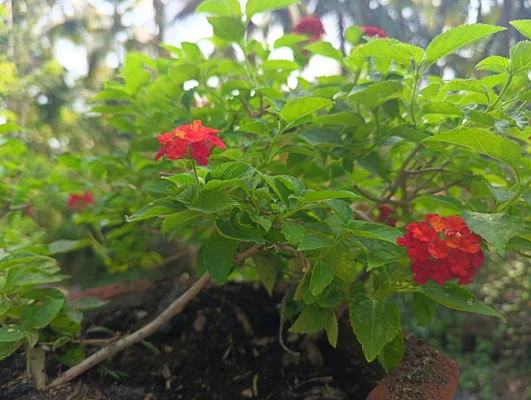
Buy a healthy labelled plant and grow it on under suitable protection if it arrives before outdoor conditions are ready. A compact plant with fresh growth and a sound rootball is a better start than one already stressed by cold or repeated drying.
1.
Read the label for mature size, habit and winter temperature. Choose a compact bush or trailing form deliberately rather than expecting every lantana to make the same shape.
2.
Inspect leaves, shoot tips and their undersides for pests. Keep a suspect new plant apart from an established collection until its condition is understood.
3.
If the young plant needs potting on, use a container just large enough for its developing roots. Keep drainage holes open and fill with suitable fresh peat free compost.
4.
Set the rootball at the same depth as in its nursery pot. Firm the surrounding compost gently and leave space below the rim so watering does not immediately run over the edge.
5.
Keep the plant in bright protected conditions while outdoor nights remain cold. Water to maintain growth without leaving the compost continuously wet.
6.
Gradually acclimatise it to outdoor light and air, returning it under cover when cold is forecast. Do not rush the move because a single afternoon feels summery.
7.
Place outside in its final sunny position once frost risk is past and nights are reliably warm. For border planting, prepare a broad area and use the spacing recommended for the selection.
8.
Water well after planting and monitor the original rootball during establishment. Keep the label and decide where the plant will go before autumn temperatures begin falling.

Watering
Water actively growing container plants thoroughly when the compost begins to dry, then let the surplus escape. Warm sunny weather can use water quickly, particularly in a small pot with a large leaf canopy.
The plant’s reputation in hot climates does not mean a young potted specimen can be ignored. Check roots and drainage if it wilts despite wet compost. Avoid repeated small splashes that wet only the surface while the centre of the rootball stays dry.

Feeding
Feed established container plants during active spring and summer growth with a suitable balanced liquid fertiliser. Follow the product and plant supplier’s instructions; different selections and composts may call for intervals from fortnightly to monthly.
Take account of fertiliser already included in new compost. Reduce feeding when growth slows in autumn and do not try to drive soft growth through a dark winter. Persistent poor flowering needs a check of light, warmth and plant health as well as nutrition.

Pruning
Shape an overwintered plant lightly in mid to late spring as growth resumes. Remove dead or damaged shoots and shorten awkward stems to maintain a balanced framework. Use clean tools and gloves, and keep the plant protected from cold afterwards.
Remove spent flowerheads if they spoil the display or begin forming berries. Avoid repeatedly clipping off fresh flower-bearing shoots through summer. A large overgrown plant needs a considered reduction, not an automatic severe cut merely because it has reached autumn.

Winter care
Move plants into protection before autumn cold damages them. A bright conservatory or heated greenhouse is useful; follow the named plant’s requirements. Around 10°C or warmer is a practical starting point for many kept plants, with warmer conditions needed by some trailing selections.
Water sparingly enough to keep the rootball just moist while growth is slow. Maintain airflow without cold draughts, remove fallen debris and inspect leaf undersides for pests. An unheated greenhouse can still freeze, so it does not by itself provide dependable winter safety.
Lantana carries clusters of small tube-based flowers, each opening into a spreading flat face. The individual blooms are packed together at the ends of stems, and different ages can create rings of contrasting colour within a single head.
Leaves are usually toothed and distinctly textured or wrinkled. Camara types commonly make a bushy shrub, while Lantana montevidensis has a spreading, trailing habit. Viburnum lantana, the hardy wayfaring tree, is an unrelated shrub despite sharing the word lantana.
Photo: Nativeplants garden, CC BY-SA 4.0. Resized and optimised; cropped for display. Adapted image under the same licence.
A sheltered southern patio offers a longer warm season than an exposed upland garden, but winter protection still needs planning. Treat any late-autumn flowers as a bonus rather than delaying the move indoors until frost arrives.
A container display can work well even if you choose not to overwinter it. If keeping plants, leave enough indoor space between them to inspect foliage and circulate air. Crowding every tender plant tightly together makes winter care harder.
Modern selections vary considerably in growth and flowering habit. Buy for the space you actually have, keep a note of the name and assess the plant through a full season before adding more. A smaller well-lit specimen can be easier to manage than an oversized pot squeezed into shade.
Photo: Alvesgaspar, CC BY-SA 3.0. Resized and optimised; cropped for display. Adapted image under the same licence.
Check whether the plant receives enough direct light and warmth. Heavy shade, repeated hard trimming or unsuitable feeding can weaken the display. Move a pot gradually into a brighter suitable position and allow fresh shoots time to develop.
Inspect the compost before watering. Drought, waterlogging and cold can all cause stress. Correct the actual root or temperature problem, and avoid assuming every wilted plant needs another soaking.
Glasshouse whitefly can gather under foliage and leave sticky honeydew with sooty mould. Inspect new plants and overwintering stock regularly. Early biological control under suitable greenhouse conditions can help; follow the supplier’s instructions.
Glasshouse red spider mite is encouraged by warm dry protected conditions. Check leaf undersides with a lens and act before the plant is heavily affected. Suitable predatory mites are an option under cover; simply increasing humidity is not a complete treatment.
Powdery mildew can affect lantana, especially under glass. Improve spacing and airflow, keep roots appropriately watered and remove badly affected growth. Avoid excessive nitrogen feeding and repeated drought stress.
Semi-ripe cuttings in summer are a useful way to retain the character of a healthy parent. Select non-flowering shoots with a firm base and softer tip, remove the lowest leaves and insert into suitable propagation compost. Keep warm and lightly moist in bright filtered light until rooted.
Seed raising is an optional spring project, following the packet’s requirements; trailing lantana seed can be started around 16–18°C. Seedlings may not match a named hybrid and are not a guaranteed quick route to summer flowers. Check any propagation restrictions on named selections, and keep seeds and berries away from children and pets.
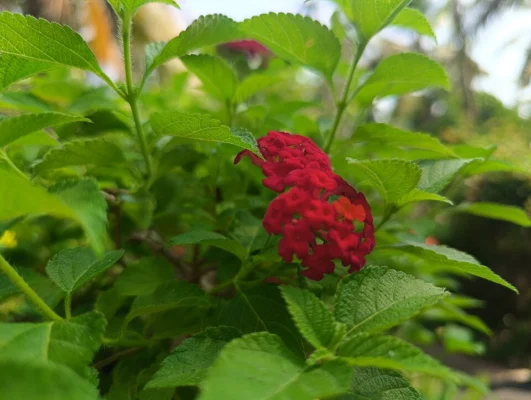
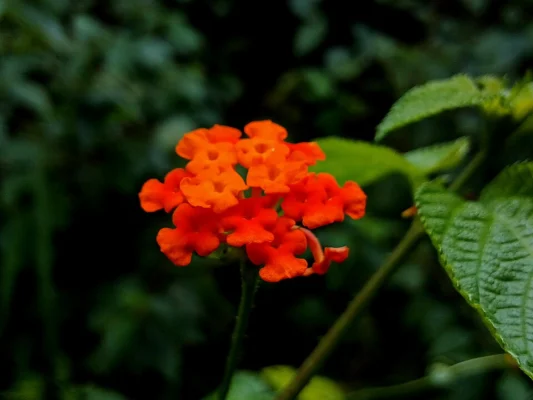
Dallas Red
A bushy tender selection with orange flowers that deepen to red as they age. It makes a strong warm-coloured feature for a sunny pot or seasonal bed. Check its eventual spread and protect it over winter if keeping it for another year.
Illustrative red-flowered Lantana camara; not a confirmed Dallas Red plant.
Photo: Rasitha nellickal, CC BY-SA 4.0. Resized and optimised; cropped for display. Adapted image under the same licence.
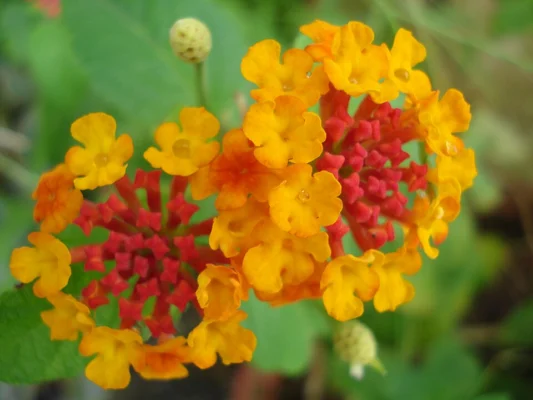
Lantana camara
The familiar bushy lantana group includes many combinations of yellow, orange, red, pink and white. Unnamed plants can vary in size and flower colour. Choose a labelled compact selection when space or the available winter accommodation is limited.
A two-coloured Lantana camara flower display; no named cultivar is claimed.
Photo: Aruna at Malayalam Wikipedia, CC BY-SA 3.0. Resized and optimised; cropped for display. Aruna at Malayalam Wikipedia
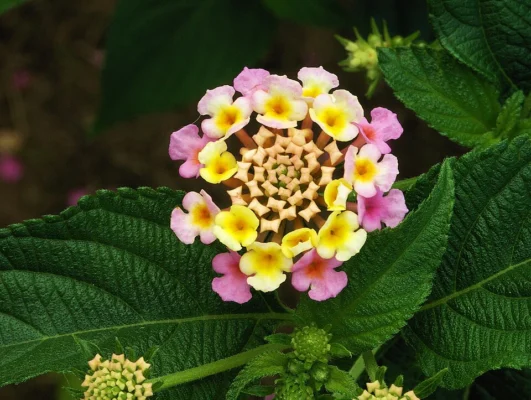
Feston Rose
A tender shrub with pink and yellow flower clusters and a potentially broad mature spread. It offers a softer colour combination than fiery red selections. Allow adequate space and use a sunny sheltered position with winter protection.
Illustrative pink-and-yellow Lantana camara flowers; not confirmed as Feston Rose.
Photo: Alvesgaspar, CC BY-SA 3.0. Resized and optimised; cropped for display. Adapted image under the same licence.
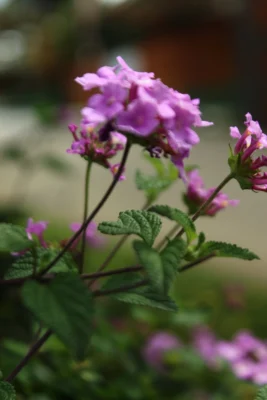
Lantana montevidensis
Trailing lantana has slender spreading stems and pinkish-purple flowers with pale centres. It suits a raised container where the habit can be seen. It is especially tender, so check its warmer winter requirements rather than treating it as hardy ground cover.
Lantana montevidensis flowers, identified by the source.
Photo: MaheSwara, CC0. Resized and optimised; cropped for display.
Compare mature spread, bush or trailing habit and the winter temperature on the label. Choose healthy named plants from a reliable grower and inspect their leaves before bringing them into a collection. A manageable container and a realistic autumn plan make lantana easier to enjoy.
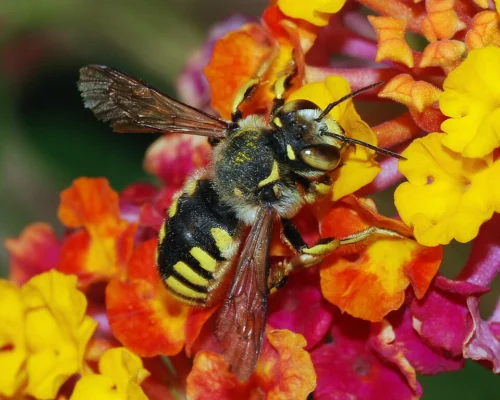
The small clustered flowers can attract visiting insects, including bees and butterflies. Leave open blooms available while tidying spent heads, and combine lantana with other flowers that provide interest earlier and later in the year.
Avoid routine spraying of a flowering display. Observe the plant first and identify a pest before choosing targeted action. The accompanying insect photograph illustrates a flower visit; it does not imply that the photographed species occurs in every British garden.
Published by Buy From Farmers Direct. Growing guidance reviewed 6 October 2026. The seasonal timeline uses the shared BFFD Growers Calendar record; adjust timings to your variety and local conditions.
The common camara and trailing types in this guide are tender. Grow them as seasonal bedding or move them into bright protected accommodation before autumn cold. Check the exact plant’s temperature requirements; an unheated greenhouse is not dependable protection.
Yes. A container is often the most practical British growing method because it can be moved for winter. Choose a drained stable pot, suitable peat free compost and a sunny sheltered summer position.
On many selections, individual flowers change colour as they age. A cluster contains blooms at different stages, so yellow, orange, pink or red may appear together. The sequence and colours depend on the plant.
No. Grow lantana as an ornamental plant. It is harmful if eaten, and berries should not be treated as a food crop. Keep plants and fallen material away from children or pets likely to chew them.
Light shaping is usually done in mid to late spring as growth resumes. Remove damaged shoots and shorten awkward growth with clean tools, using gloves. Avoid repeatedly cutting away the summer flowering shoots.
No. Viburnum lantana is the hardy wayfaring tree, an unrelated shrub. The tender flowering lantanas in this guide belong to the genus Lantana and have different cultivation and winter needs.
Give lantana a warm sunny summer position, a drained container and steady care while it is growing. Choose a size you can manage, keep an eye on protected plants for pests and move valued specimens into suitable winter accommodation before the season turns cold.
Want to get food independence, support your local grower, get better prices and shop more privately?
Local food isn’t just something you find. It’s something you protect. A free account helps keep local supply visible, supported, and resilient.

….it takes 30 seconds for food lovers and 5 minutes for suppliers
We built this for people who care where their food comes from. For people who want to remain food secure. For Farmers to get to the local people, who deserve a better income and to deliver a better price for you. For the environmentally conscious and the privacy-conscious. An account simply helps us make the map and supplier reach more useful to you, without changing how open it is. You’re always in control.


Find local food. Stay connected to it. Create a free account to support local producers and be part of a growing food network.


