Follow us:

Apple Orchards In The UK

UK Apple orchards are critical in Britain’s movement to become self sustaining

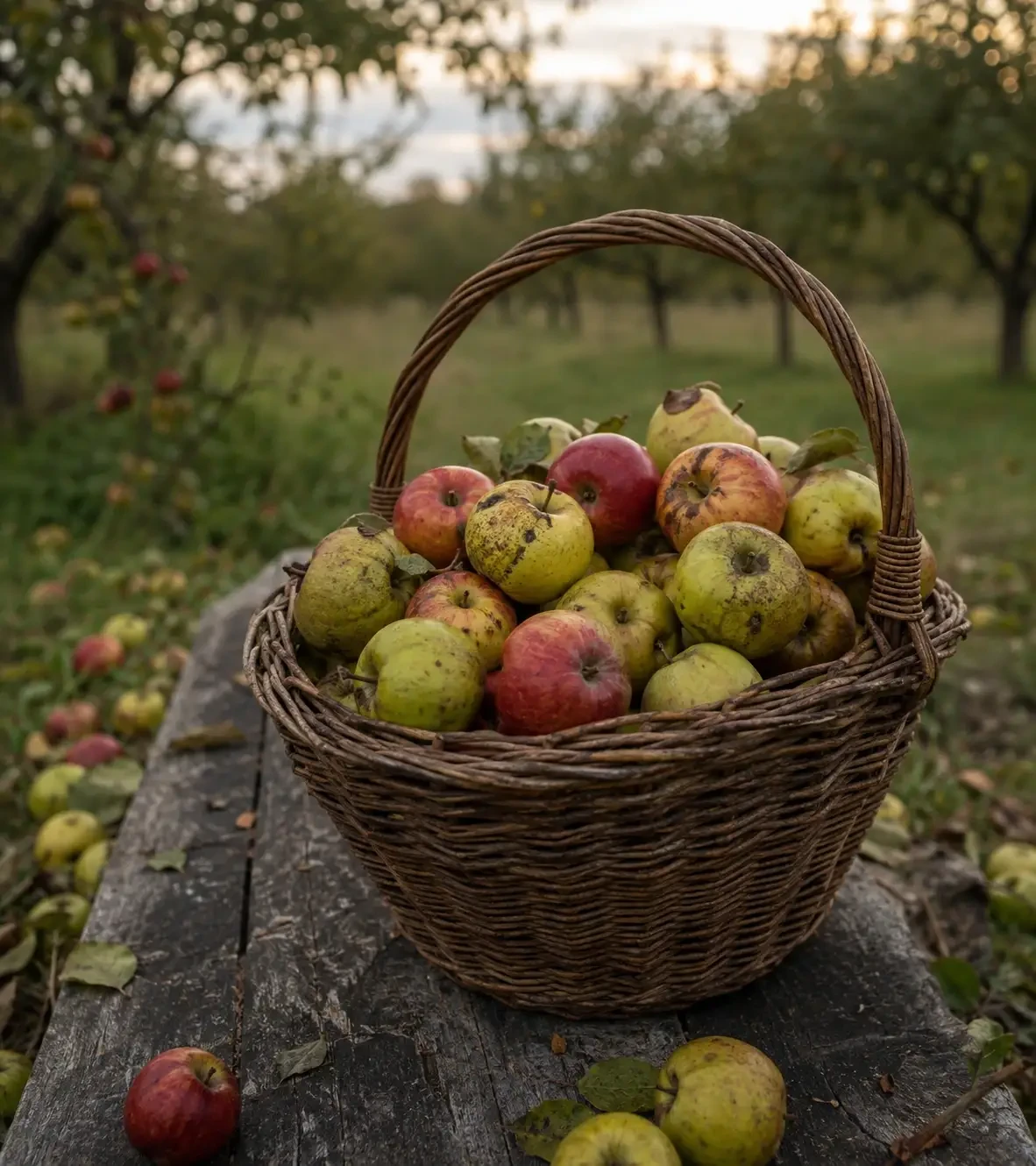
Apple orchards are part of Britain’s food story. They support fruit growers, cider makers, farm shops, juice producers, local markets, rural businesses, wildlife, seasonal education and the simple pleasure of knowing where food and drink begin. Every bottle of cider, glass of apple juice, bag of apples, jar of chutney or orchard led product starts with a growing landscape. Behind it are trees, blossom, pollinators, pruning, weather, harvest timing, storage, pressing, sorting and the people who care for the orchard through the year. Buy From Farmers Direct is being built to help people understand apple orchards properly and find the growers, cider makers, farm shops and orchard led producers behind British food and drink.
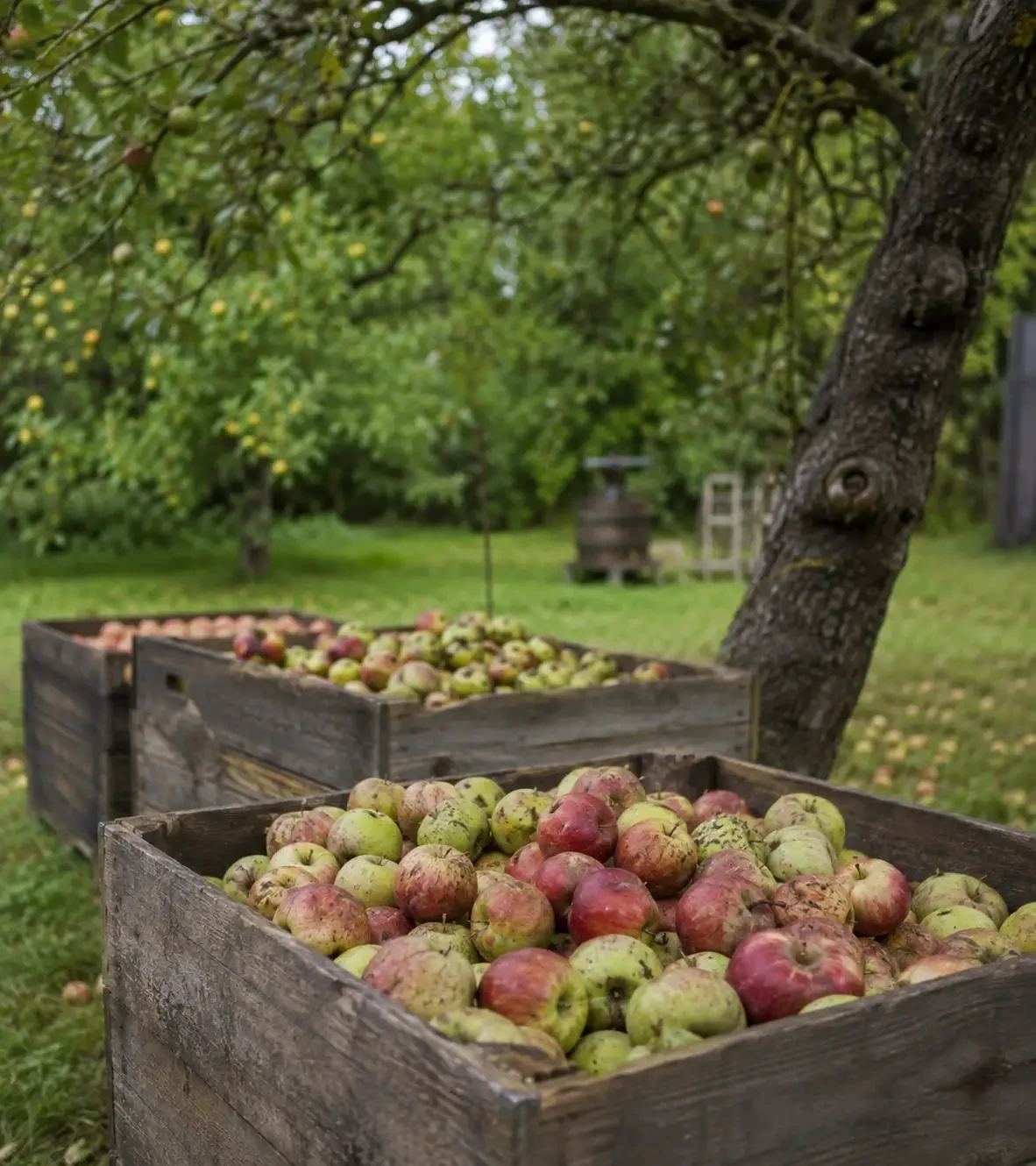
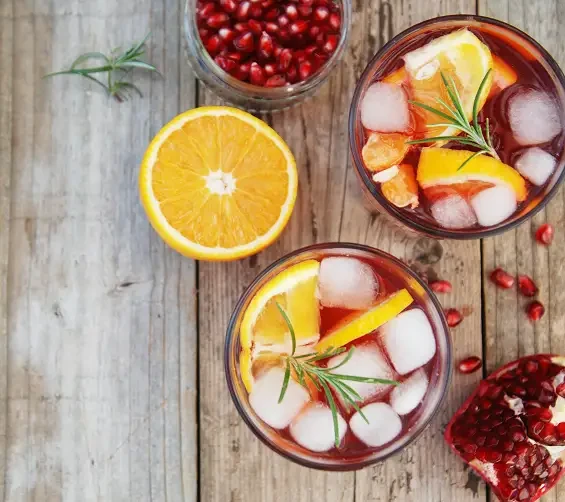
Apple orchards in the UK support fruit growing, cider making, apple juice production, farm shops, farmers markets, local food education, biodiversity and rural food resilience. Some orchards grow eating apples, cooking apples or cider apples, while others support mixed products such as juice, cider, perry, vinegar, chutneys, preserves and seasonal events. BFFD helps users discover orchard led producers, cider makers, fruit growers and farm shops with clearer links between apples, place, season and trust.

Why Apple Orchards Matter

Apple orchards matter because they connect food, farming, nature and place all under one profession.
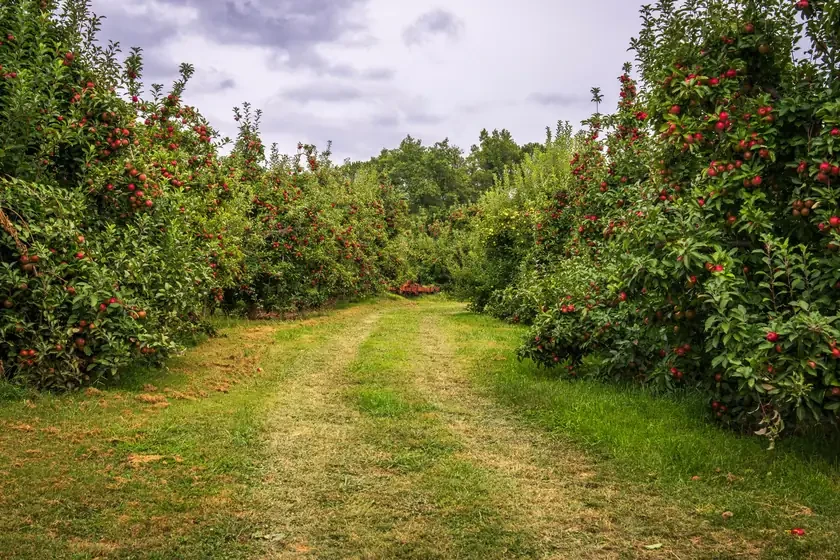
An orchard is not just a group of trees. It is a productive landscape that changes through the year. Blossom appears in spring. Fruit develops through summer. Harvest comes in late summer and autumn, depending on variety and use. Some apples are eaten fresh. Some are cooked. Some are pressed into juice. Some are fermented into cider.
Orchards help people see food production in a way that feels tangible. A child can understand an apple on a tree. A shopper can connect a bottle of cider to the fruit behind it. A farm shop can use orchard products to tell a stronger local food story.
For BFFD, apple orchards matter because they show how local food begins long before it reaches the shelf.

Apple Orchards and Cider Makers

Cider begins with apples.
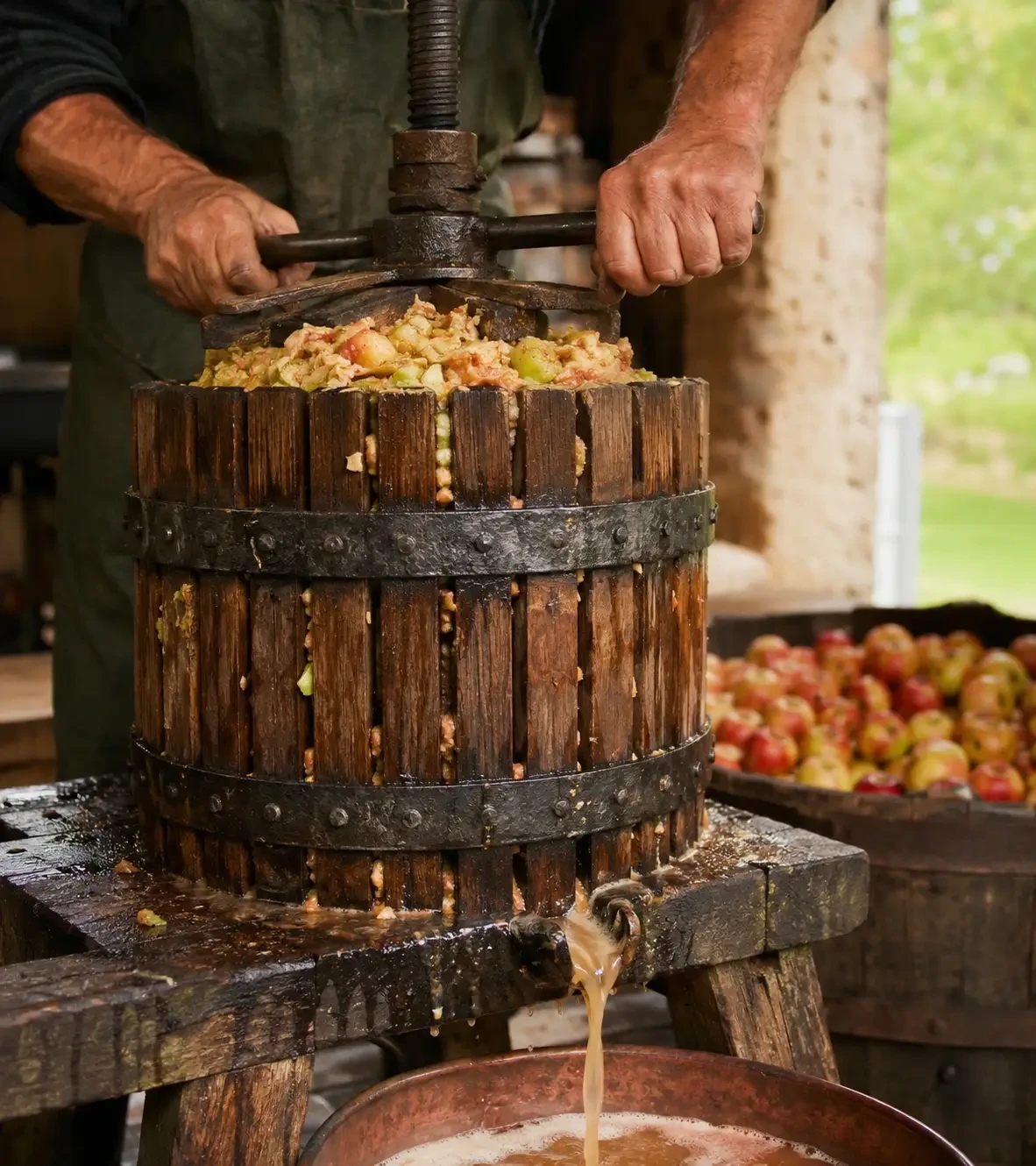
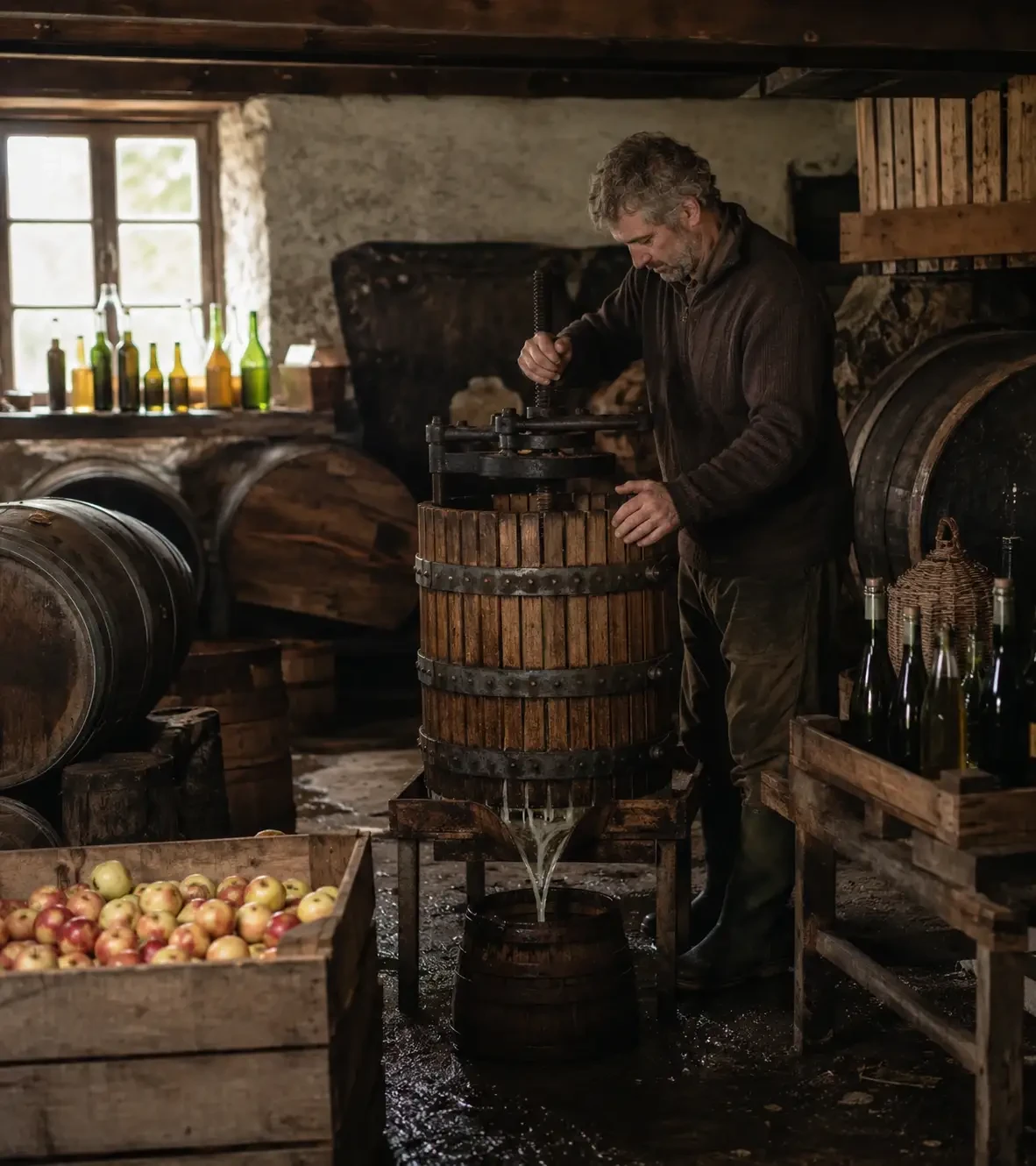
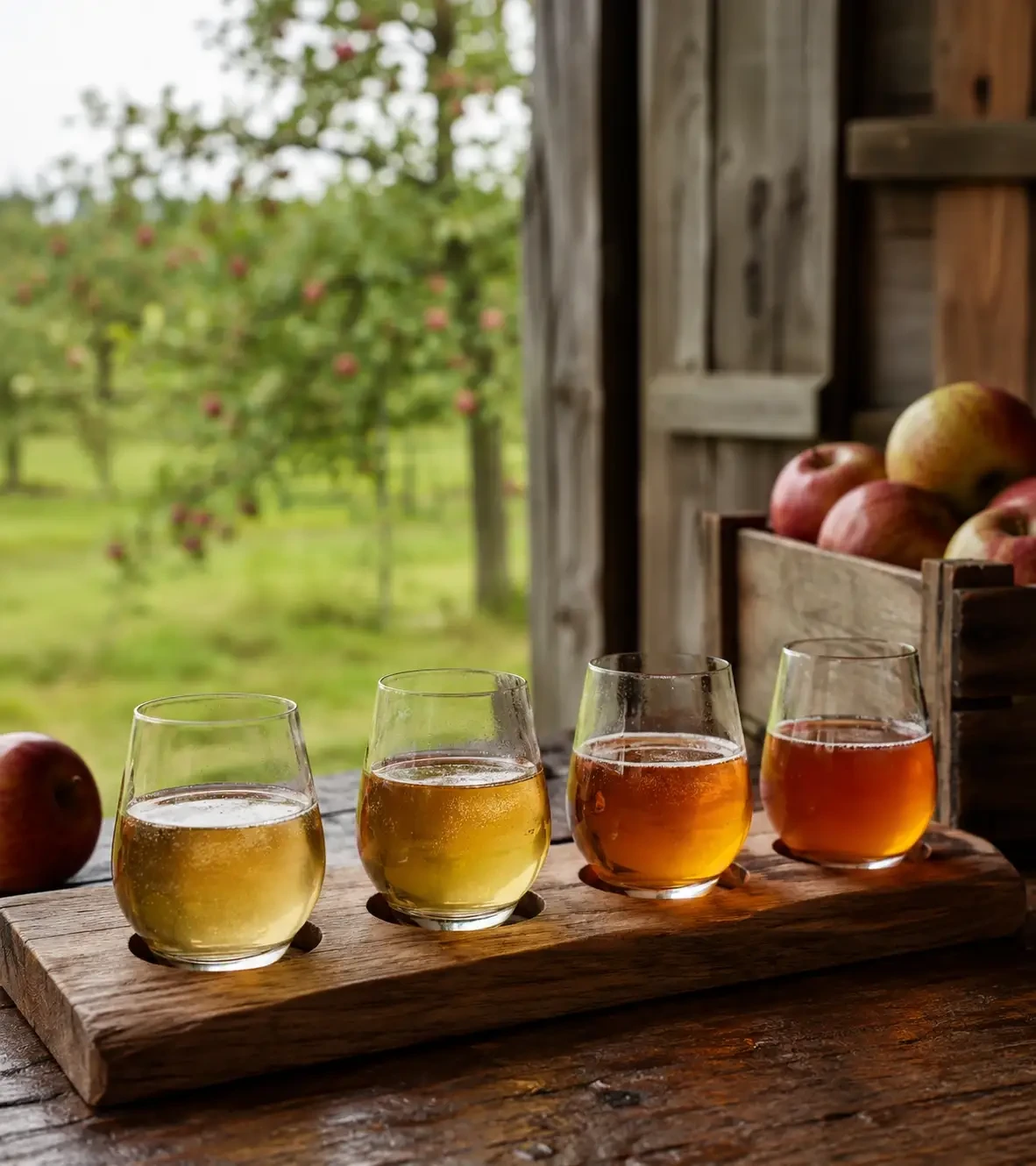
That sounds obvious, but it is often forgotten when cider is treated only as a finished drink. The character of cider is shaped by fruit, harvest timing, pressing, fermentation, blending and the decisions of the maker. Some cider makers grow their own apples. Others work with local orchards, regional growers or trusted fruit suppliers. Some use traditional cider apple varieties. Others blend dessert apples, culinary apples or perry pears where relevant to the product range.
A good cider maker profile should help users understand whether the cider is orchard led, where the fruit comes from where provided, what style is made and how customers can buy responsibly.

Apple Orchards and Fruit Growers

Apple orchards also sit naturally within the wider Fruit Growers section. Fruit growers may produce eating apples, cooking apples, pears, plums, cherries, soft fruit or other orchard and field fruits. Some sell direct through farm shops, pick your own sites, farmers markets, veg boxes, local delivery, restaurants or independent retailers.
Apple orchards are a strong bridge between food education and commercial supply. They help users understand seasonality, varieties, storage, harvest timing and the difference between fruit grown locally and fruit sold anonymously.

Eating Apples, Cooking Apples and Cider Apples

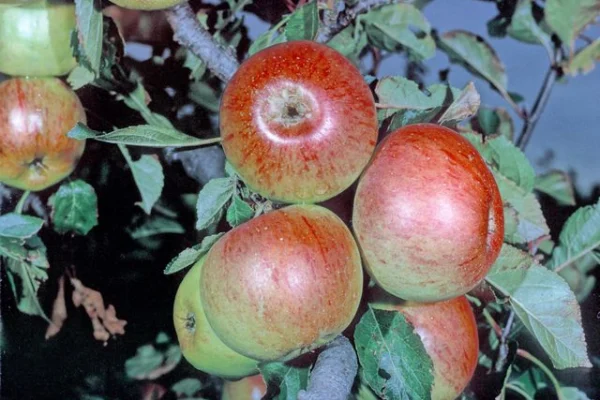
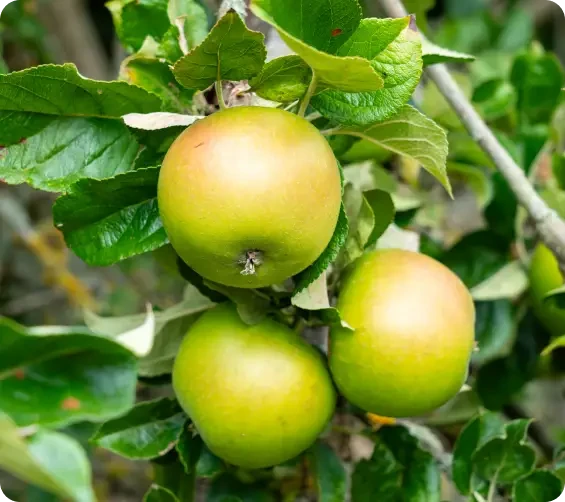
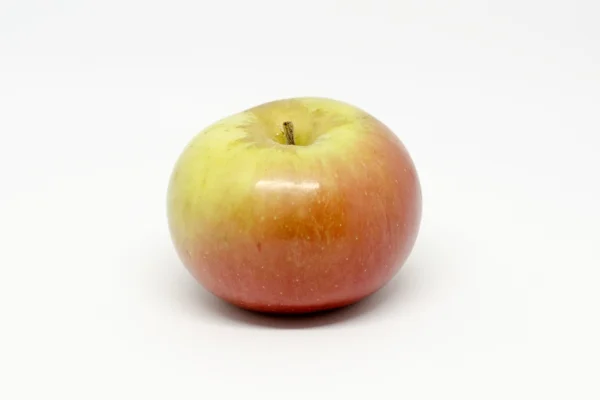
Not all apples are grown for the same purpose. Eating apples are usually chosen for fresh eating. Cooking apples are often sharper or firmer and work well in pies, crumbles, sauces and preserves. Cider apples may be selected for qualities such as acidity, tannin, sweetness, bitterness or aroma, depending on the cider style being made.
This matters because the apple variety shapes the end product. A customer buying apples from a farm shop may want crisp eating apples. A baker may want cooking apples. A cider maker may need fruit that brings structure and balance to fermentation. A juice producer may want sweetness, aroma and freshness.
Good orchard information helps people understand why apples are not all the same.

Apple Orchards and Seasonality

Apple orchards are deeply seasonal.
Spring brings blossom and pollination. Summer brings fruit development. Harvest usually arrives later in the year, depending on variety, region and weather. Some apples are sold fresh after picking. Others can be stored for later sale. Cider apples may be harvested, pressed and fermented according to the maker’s production cycle.
Seasonality helps people reconnect with food in a natural way. It explains why some apples appear at certain times, why harvest events matter and why orchard products feel tied to a particular place and moment.

Apple Orchards and Farm Shops

Farm shops are one of the clearest places to experience orchard led food.
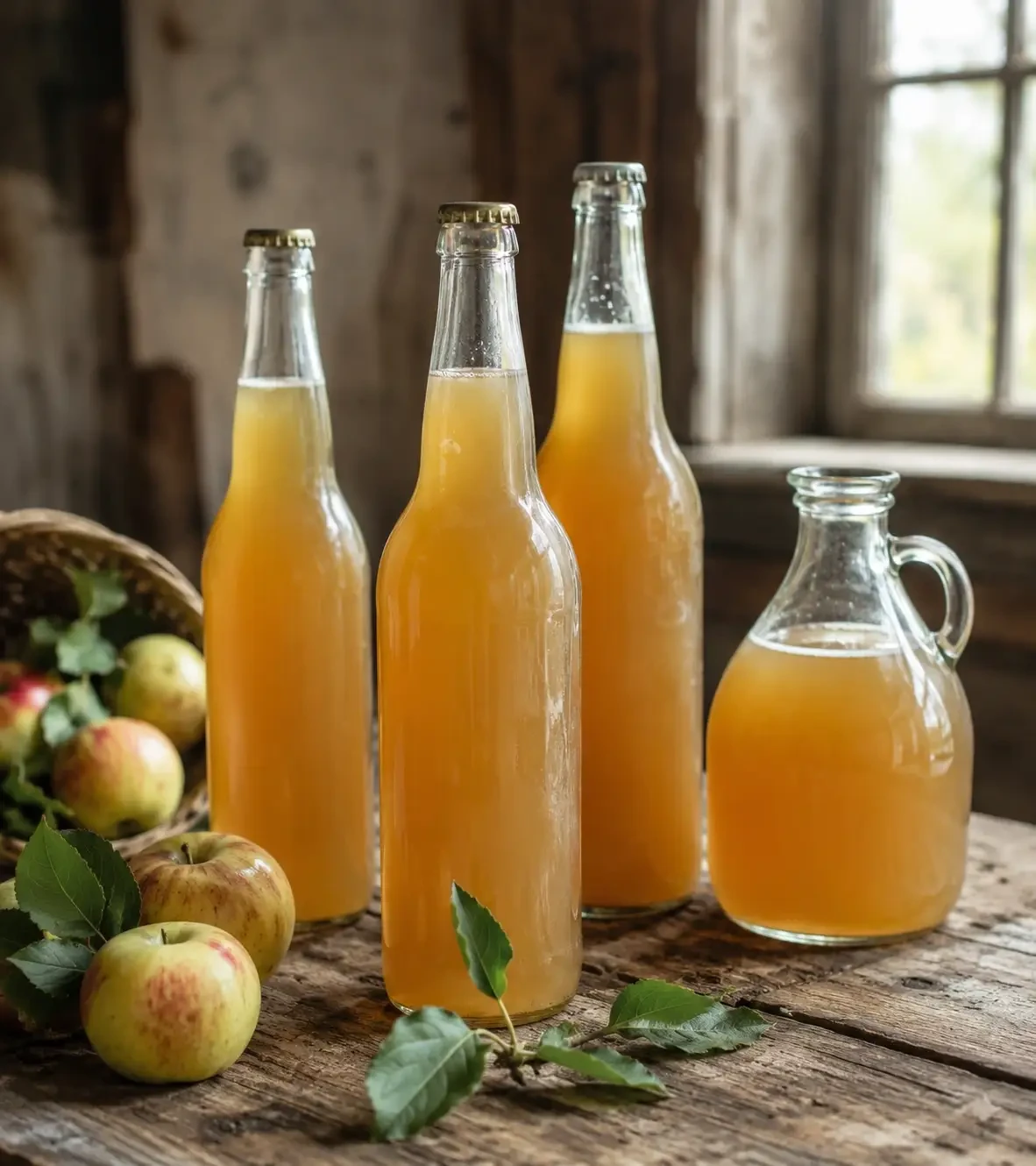
A farm shop may sell apples from its own orchard, fruit from nearby growers, apple juice, cider, chutneys, preserves, cakes, pies, vinegar or seasonal gift boxes. Some farm shops may also host apple days, tastings, harvest events or orchard walks.
When the orchard story is visible, the product becomes more meaningful. A bottle of apple juice is no longer just a drink. It becomes part of a local growing route.

Apple Orchards and Farmers Markets

Believe it or not Farmers markets can help orchards reach customers directly. A grower may bring fresh apples, juice, cider, preserves, dried apple products or seasonal fruit boxes. Customers can ask about varieties, storage, cooking uses, sweetness, harvest timing and whether the fruit is suitable for eating, baking or pressing.
This kind of conversation is valuable. Many people only know a small handful of supermarket apple names, but markets can introduce them to regional varieties, heritage fruit and orchard led products. In addition there is always the option to go directly to the orchard and have a set of trees reserved for you so you will have a consistent supply.
You can pick how the trees are grown, how they are preserved and whether you want them organicly grown or otherwise.

Apple Orchards and Food Provenance

Food provenance is especially strong with orchards because the source is easy to understand.
People can picture an apple tree. They can see a link between blossom, fruit, harvest and product. That makes orchards powerful for rebuilding trust in food.
Good provenance information might include the orchard name, county, apple varieties where provided, whether the product is fresh fruit, juice or cider, whether it is sold through a farm shop or market, and whether online ordering or local delivery is available.

Apple Orchards and Biodiversity

A big one for us is how apple orchards can support wildlife as well as food production.
BFFD should not act as the seller. It should help users discover makers and then buy directly from the cider maker, farm shop or supplier.

Traditional Cider and Food Pairing

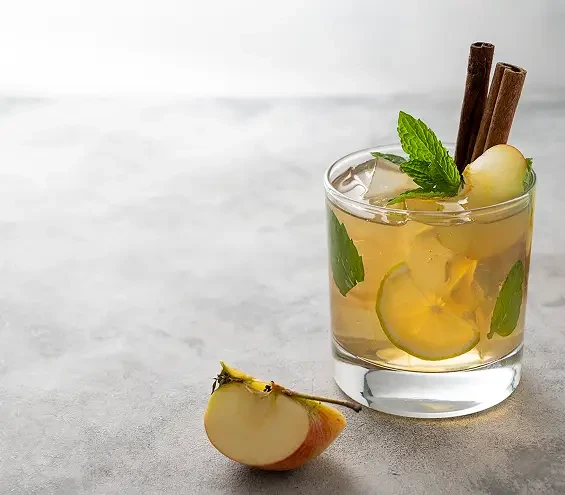
Traditional cider can work well with food because it can bring acidity, fruit, tannin and freshness. Different styles suit different meals. A dry cider may work with rich pork, cheese or roasted dishes. A softer medium cider may suit lighter meals, picnics or farm shop platters. A more tannic cider may stand up well to stronger flavours.
BFFD does not need to become a drinks pairing authority, but it can help makers explain how their cider is commonly served. That kind of practical information can help customers choose with confidence.

British Cider and Responsible Drinks Information

British cider is usually an alcoholic product, so content should be handled responsibly.

Users should check alcohol content, bottle or can size, ingredients, allergens, storage guidance and legal purchasing requirements before buying. Cider makers and suppliers should make age related delivery or collection requirements clear.

BFFD should not encourage excessive consumption. The focus should remain on producer discovery, orchard provenance, regional food culture and responsible product information.

Responsible Drinks Information

Cider is usually an alcoholic product. Always check alcohol content, product labelling, allergen information, storage guidance, delivery conditions and legal purchasing requirements before buying.
Traditional Cider and Hospitality Supply

Traditional cider can be valuable for pubs, restaurants, cafés, hotels, wedding venues and rural hospitality businesses.
A pub may want draught cider with a regional identity. A restaurant may want bottled cider to sit alongside local food. A wedding venue may want a local drinks option that feels rooted in place. A farm shop café may want apple juice, cider and seasonal orchard products from the same maker.
Hospitality buyers need practical information as well as story. They need to know supply format, availability, delivery, invoicing, alcohol content, allergens, product consistency and whether the maker can support trade orders. A strong BFFD profile can help buyers decide whether to make an enquiry.

How BFFD Helps People Find Traditional Cider

BFFD is being built to make local food and drink discovery clearer.
For traditional cider, BFFD can help users find cider makers, orchards, farm shops, farmers markets, independent retailers, pubs, restaurants, online ordering routes, mixed cases and local stockists. More importantly, it can help producers explain their cider properly.
A strong traditional cider listing should help users understand the maker, the style, the orchard or apple story where provided, whether online ordering is available, whether collection or local delivery is possible, and whether responsible product information is clear.
For customers, this reduces guesswork. For cider makers, it creates another route into local visibility.

Do you produce or sell British cider?

List your cider making business, orchard, farm shop supply route or British cider products on BFFD and help people understand your styles, producer story and buying options.
Common Misunderstandings About Traditional Cider

Traditional cider does not mean one single style

Different makers may use the phrase in different ways, so the product description matters.

Traditional cider is not automatically local

A traditional cider can be made in Britain without being local to the buyer.

Traditional cider is not automatically still

Some traditional ciders are still, while others may be sparkling.

Traditional cider is not always dry

Dry, medium and sweet traditional ciders can all exist depending on the maker.

BFFD does not sell cider directly

BFFD helps users find suppliers and understand product information. Purchases are made directly with the cider maker, farm shop or supplier.

Reputable External Sources

Use this for allergen information on alcoholic drinks where there is no ingredients list.
Use this for sulphites threshold and allergen requirements.
Use this for wider food labelling guidance.
Use this for food packaging and labelling context.
Use this for alcohol licensing context.
Use this for cider industry context.

*External sources are provided for further reading. BFFD does not provide food safety, legal, trading standards, allergen, dairy hygiene, delivery, labelling or business advice. Cheesemongers, cheese makers and food businesses should always follow current official guidance and seek professional advice where required.

FAQ

What is British cider?

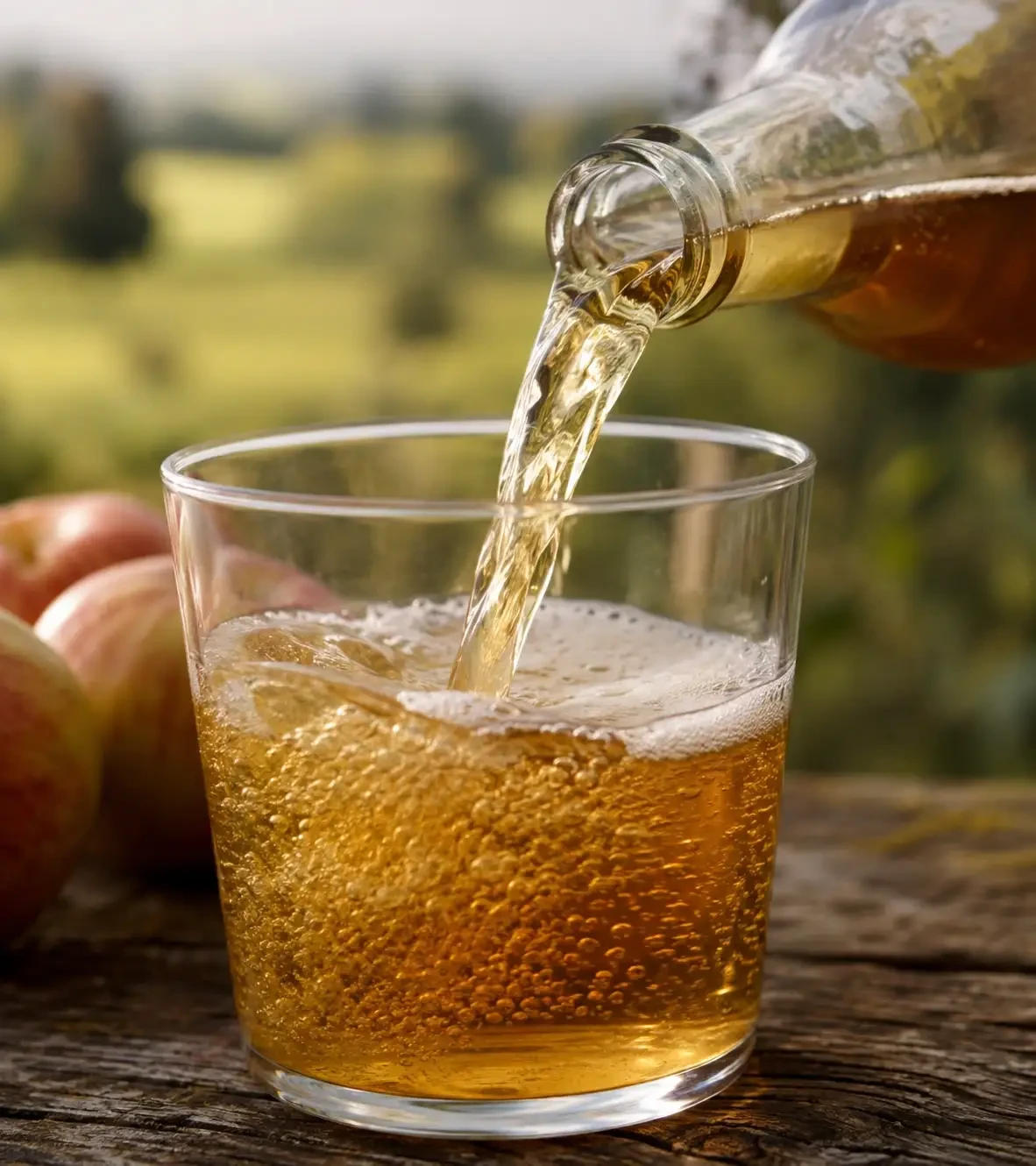
British cider usually means cider produced in Britain. It may be still or sparkling, dry, medium or sweet, bottled, canned, draught or sold as part of a mixed case.

British cider usually means cider produced in Britain. It may be still or sparkling, dry, medium or sweet, bottled, canned, draught or sold as part of a mixed case.

British cider usually means cider produced in Britain. It may be still or sparkling, dry, medium or sweet, bottled, canned, draught or sold as part of a mixed case.

British cider usually means cider produced in Britain. It may be still or sparkling, dry, medium or sweet, bottled, canned, draught or sold as part of a mixed case.

British cider usually means cider produced in Britain. It may be still or sparkling, dry, medium or sweet, bottled, canned, draught or sold as part of a mixed case.

British cider usually means cider produced in Britain. It may be still or sparkling, dry, medium or sweet, bottled, canned, draught or sold as part of a mixed case.

British cider usually means cider produced in Britain. It may be still or sparkling, dry, medium or sweet, bottled, canned, draught or sold as part of a mixed case.

British cider usually means cider produced in Britain. It may be still or sparkling, dry, medium or sweet, bottled, canned, draught or sold as part of a mixed case.

Find British Cider With Clearer Maker Information

British cider should be easier to trace back to real makers, orchards, farm shops and regional stockists. BFFD is being built to help people discover cider makers and orchard led drinks businesses with clearer links between product, maker, place and trust.