Marigolds make cheerful, straightforward summer bedding, from low French marigolds to tall African types with rounded flower heads. This guide covers Tagetes, whose divided, aromatic leaves are as distinctive as the flowers. Start seed under cover in spring, or buy young plants, then wait for frost to pass before giving them a sunny place outdoors.
Summer colour
Easy from seed
Sun loving
Plant after frost
Deadhead regularly
| Botanical name | Tagetes patula, T. erecta and T. tenuifolia |
| Family | Asteraceae |
| Plant type | Half hardy annual bedding plants |
| Typical height | 15cm to over 1m, by selection |
| Typical spread | 20–50cm, by selection |
| Light | Full sun |
| Soil | Moderately fertile, freely drained soil |
| Main interest | Yellow, orange and red summer flowers |
| Best starting point | Labelled seed or young plants |
| Working spacing | Single 30cm, In row 30cm, Row gap 30cm |
| French type | Tagetes patula |
| African type | Tagetes erecta |
| Signet type | Tagetes tenuifolia |
| Flowering | Summer to autumn frost |
| Leaf character | Pinnately divided and aromatic |
| Outdoor planting | Late May to June locally |
| Seed sowing | March–April under cover |
| Propagation | Seed |
| Winter treatment | Usually replaced each year |
| Guide scope | Ornamental Tagetes, not Calendula |
| Plant name | Crop type | Spacing |
Sow indoors
Plant outdoors
Harvest
Polytunnel | |||||||||||
|---|---|---|---|---|---|---|---|---|---|---|---|---|---|---|
| Jan | Feb | Mar | Apr | May | Jun | Jul | Aug | Sep | Oct | Nov | Dec | |||
| Marigold | Not recorded | Single 30cm, In row 30cm, Row gap 30cm | No activity recorded | No activity recorded | Sow indoors, Polytunnel | Sow indoors, Polytunnel | Plant outdoors, Polytunnel | Plant outdoors, Harvest | Harvest | Harvest | Harvest | Harvest | No activity recorded | No activity recorded |
Sow indoors: March, April. Plant outdoors: May, June. Harvest: June, July, August, September, October. Polytunnel: March, April, May.
March and April sowing means protected sowing, with warmth and good light. Plant outside in May or June only after hardening off and the last local frost. The cover band is for raising young plants, not a requirement to enclose summer bedding. June to October in the harvest row means optional cutting of ornamental flowers, never a food harvest. The 30cm spacing suits many compact types; use the packet spacing for tall African marigolds. Calendula, also called pot marigold, has a different calendar.
Choose Tagetes for edging a sunny vegetable plot, adding warm colours to pots or filling seasonal border gaps. Start with a realistic amount of space and a plant you can reach easily for routine care. A small, well placed group is easier to establish than a crowded display that needs constant correction.
They suit gardeners who can water young plants and remove old flowers. Frost finishes the display, so they are not permanent winter structure. Look at the garden through the whole year before buying. Space that seems empty in spring may already belong to a neighbouring plant by midsummer, while the winter conditions can be very different from a sheltered shop display.
Photo: Salicyna, CC BY-SA 4.0. Resized and optimised; cropped for display. Adapted image under the same licence.
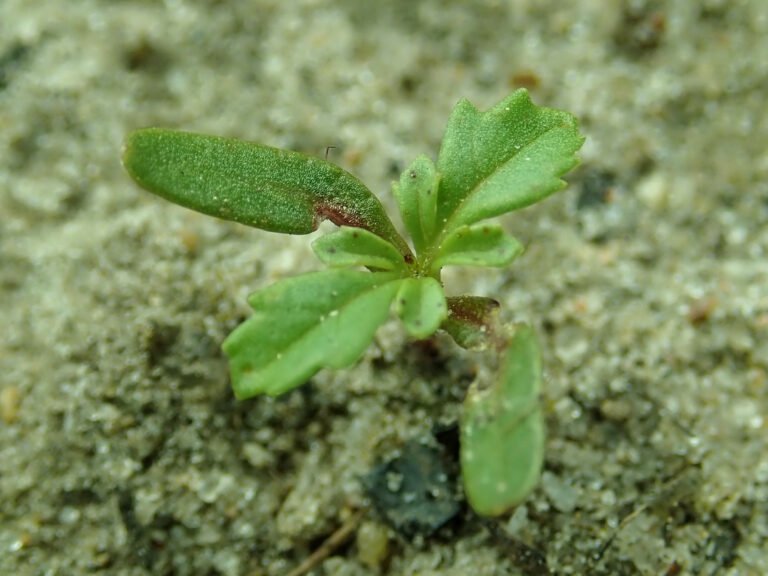
Choose a bright open position. Plants leaning into a narrow shaft of light soon lose their compact outline. Check how the light moves across the proposed position, including shade cast by fences and nearby trees. The amount of direct sun at midday alone does not describe the whole growing site.
Ordinary garden soil is usually sufficient. Avoid concentrating rich manure immediately around the roots or using a bed that remains waterlogged. Clear persistent weeds before planting. Working around established roots later is slower and risks damage, so this is a useful stage to deal with bindweed, couch grass or other unwanted growth.
Compact French or signet marigolds suit containers with fresh peat free potting compost. Tall African forms need more root space and a stable pot. Make drainage holes accessible and allow water to escape freely. Check the pot after heavy rain as well as during dry weather; a blocked outlet can undo otherwise careful watering.
Place tall selections behind shorter plants without shading them. Open single flowers are easier for visiting insects to reach than tightly packed doubles. Leave practical access for inspection and maintenance. Think about the mature outline rather than filling every visible gap around a newly bought plant. Its neighbours will also be growing into the available space.
Photo: AlexKhrom, CC BY-SA 4.0. Resized and optimised; cropped for display. Adapted image under the same licence.
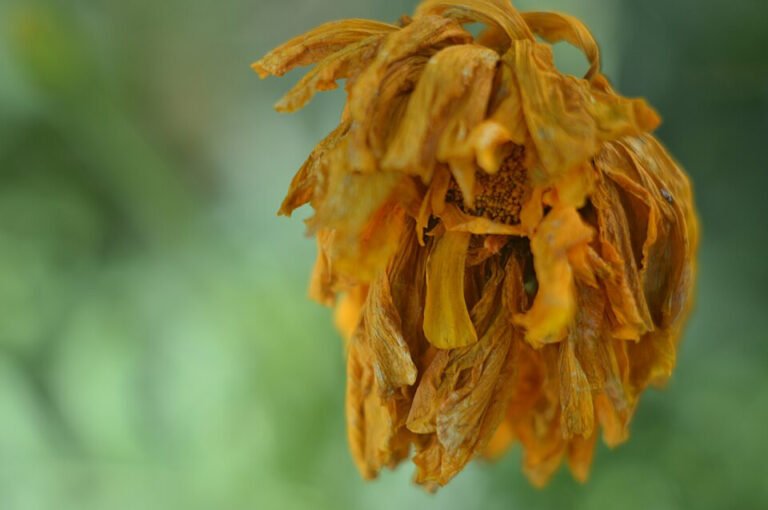
A modest spring sowing often supplies plenty of plants for a border. Prepare everything before removing plants from their pots or opening a seed packet, so roots and seedlings are not left exposed while you look for tools.
1.
Choose a packet or label giving botanical type, height and flower form. Keep the label and record the planting date. That small record makes it much easier to understand differences in growth and to replace a successful selection accurately.
2.
Rake a fine, weed free surface for later planting, or prepare clean seed trays indoors. Avoid working saturated soil: squeezing and treading it while wet can leave a compacted planting area. Wait for a workable day if the surface smears rather than crumbles.
3.
Sow seed under cover according to its packet depth and temperature. Move seedlings into good light promptly after emergence. Work with clean containers and fresh suitable compost where pots are involved. Reusing a container is fine after cleaning it, but a crust of old compost can conceal pests and obstruct drainage.
4.
Grow seedlings on with room between them, then harden off gradually before outdoor planting in late May or June. Use the forecast alongside the calendar. A warm afternoon does not cancel a cold night, and a printed month should never take priority over the conditions in your own garden.
5.
Set rooted plants at their previous compost level, using about 30cm spacing for a compact selection unless its label specifies otherwise. Work carefully rather than rushing to fill the space. Check the intended depth and spacing before finishing, because corrections are easier now than once growth is established.
6.
Firm lightly and water around the rootball, leaving the crown clear of piled compost. Water gently enough to avoid washing compost away. If the surface settles, top it up to the intended level without burying the base more deeply than planned.
7.
Protect small plants from slug and snail damage while they establish. Look again after the first windy or very wet spell. A plant that has rocked loose or a newly exposed rootball needs attention before the problem becomes established.
8.
Note which forms stay compact and flower well in your position; a taller variety may need discreet support. Review growth after a few weeks and adjust care to what you see. Regular observation is more useful than repeatedly adding fertiliser to a plant whose main problem is light, moisture or space.

Watering
Water seedlings carefully so their compost stays moist without becoming sodden. Newly planted marigolds need regular checking until roots spread into surrounding soil. Aim at the root area rather than repeatedly soaking the flowers.
In pots, check moisture below the surface and water thoroughly when needed, allowing excess to drain. Established border plants cope with short dry spells better than small plugs, but prolonged drought reduces growth and flowering.

Feeding
A reasonably fertile border rarely needs heavy feeding. Too much nitrogen encourages leafy growth and can make tall plants less sturdy. Improve poor soil sensibly before planting rather than trying to correct everything with frequent liquid feeds.
Container plants eventually use the nutrients in their compost. A flowering plant feed at the labelled dilution can maintain the display after that initial supply is depleted. Never feed a dry, wilting rootball instead of watering it.

Pruning
Remove faded flowers back to a healthy leaf or side shoot. This tidies the plant and stops old petals becoming a wet mass around developing buds. Work with clean fingers or snips and avoid breaking nearby stems.
Young plants can be pinched lightly if they need to branch, although many compact selections do this naturally. Do not repeatedly trim away all the flower buds in pursuit of a perfectly rounded plant.

Winter care
These bedding Tagetes are normally cleared after frost ends their season. Compost healthy remains and deal separately with badly diseased material. There is little advantage in keeping exhausted annual plants indoors through winter.
If saving seed, leave a few healthy heads to dry fully before collecting them. Label and store the dry seed in a cool place. Hybrid seedlings may differ from their parents, so buy fresh seed when precise uniformity matters.
Tagetes has divided leaves, often with a strong scent when handled, and flower heads in warm colours. French marigolds tend to be compact, African types often carry larger rounded heads, and signet marigolds have finely divided foliage and small open flowers.
Pot marigold is Calendula officinalis, with broader, simpler leaves and different cold tolerance. Common names alone are unreliable. Check the botanical name before following instructions on sowing dates, winter survival or use of the flowers.
Photo: Joydeep, CC BY-SA 3.0. Resized and optimised; cropped for display. Joydeep

Do not rush plants outside simply because garden centres have bedding on display. A cold spell can check growth even when it does not kill a plant. Shelter young plants and plant out when nights improve.
Cut a few ornamental stems when fresh, removing leaves that would sit underwater in a vase. Compact forms have short stems, so choose taller selections if cutting is a main purpose.
Marigolds can sit attractively among vegetables, but they do not provide a universal pest barrier. Continue inspecting the crops themselves rather than expecting a ring of flowers to prevent every insect problem.
Photo: Dolon Prova, CC BY-SA 4.0. Resized and optimised; cropped for display. Adapted image under the same licence.
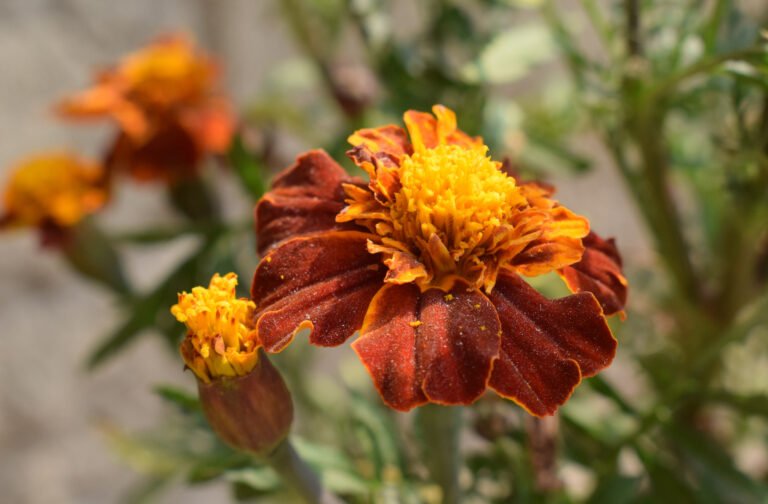
Slugs and snails can eat tender growth. Inspect at dusk, remove nearby hiding places where practical and protect the vulnerable establishment stage.
Check shade and excessive nitrogen before feeding again. Give the plant enough light and wait for young plants to reach flowering size.
Wet weather can spoil dense double heads. Remove affected blooms and improve spacing so new buds are not trapped beneath decaying petals.
Check the rootball. Dry compost needs a thorough watering; already wet compost calls for a drainage check rather than more water.
Hot dry protected conditions can favour red spider mite. Inspect leaf undersides, improve growing conditions and isolate affected plants from new seedlings.
Seed is the normal route. Sow a manageable quantity under cover in spring and pot seedlings on before they become crowded. Follow the packet because depth and temperature can differ between seed products.
Save seed only from healthy plants with mature dry heads. Open pollination and hybrid parentage mean the next generation can vary. Keep purchased seed packets separately from home saved seed so you know what to expect.
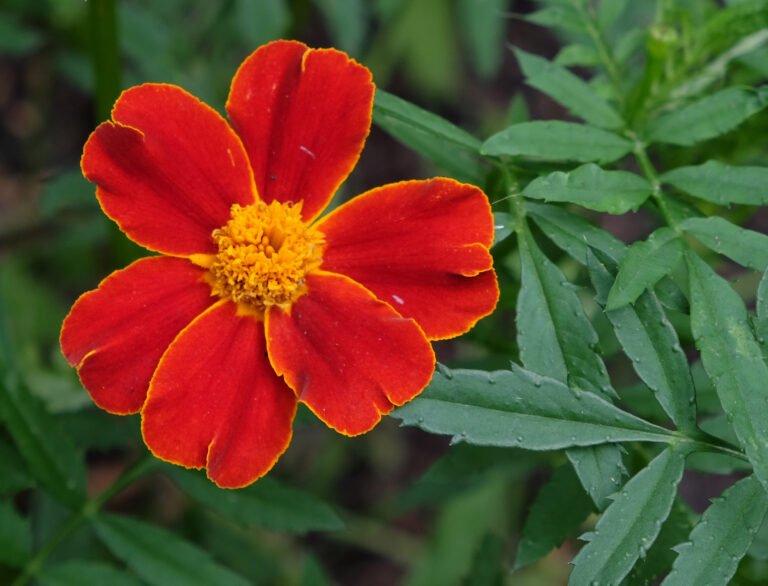
French marigolds
Tagetes patula offers compact bedding plants with single or double heads, often combining red and gold. Check height rather than assuming every French marigold is equally small.
Single French marigold; no cultivar is asserted.
Photo: V.Boldychev, CC BY 4.0. Resized and optimised; cropped for display.
African marigolds
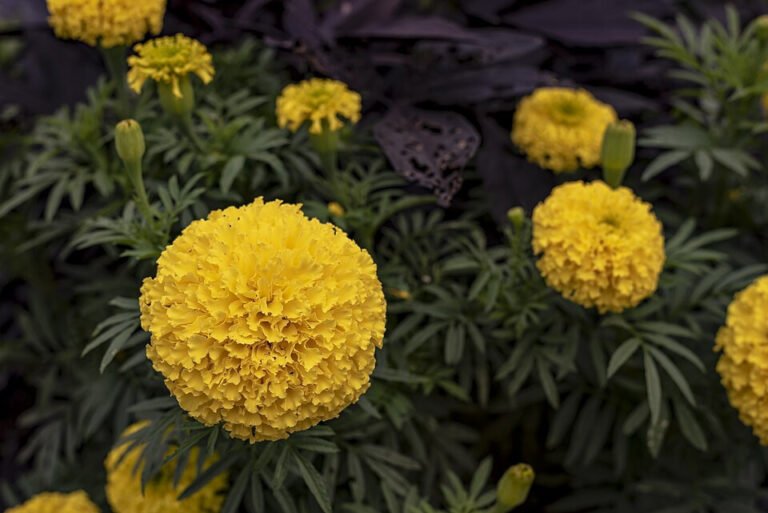
Tagetes erecta often supplies larger rounded heads and taller stems. These can anchor a bedding scheme or provide cuts, but deserve more space and shelter than a miniature edging plant.
African marigold with rounded yellow heads.
Photo: Sixflashphoto, CC BY-SA 4.0. Resized and optimised; cropped for display. Adapted image under the same licence.
Signet marigolds
Tagetes tenuifolia forms a fine leaved mound dotted with small open flowers. It gives a lighter effect than the large double forms and works well near the front of a sunny border.
Signet marigolds with small open flowers.
Photo: Agnieszka Kwiecień, Nova, CC BY-SA 4.0. Resized and optimised; cropped for display. Adapted image under the same licence.
Double flowered bedding forms
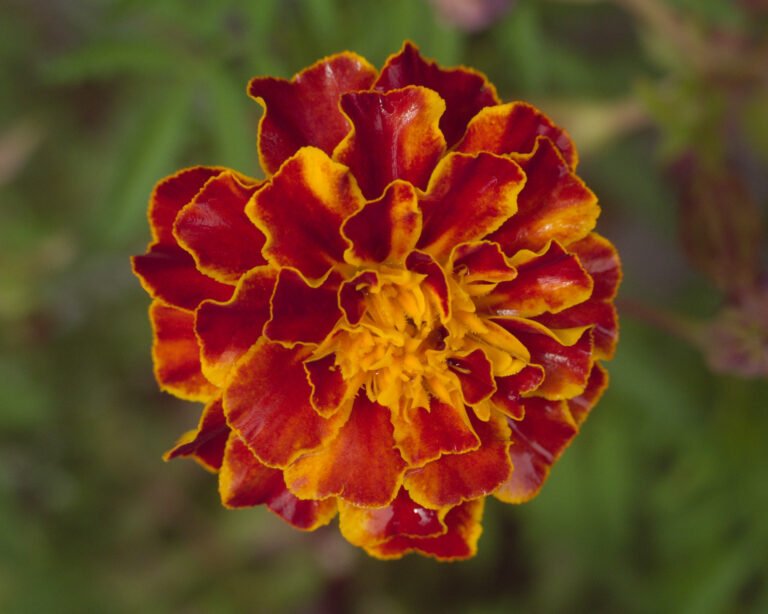
Full heads give concentrated colour, especially in containers. Choose a labelled compact selection for a small pot and compare open flowered alternatives when access for pollinating insects is a priority.
Double French marigold flower; cultivar unverified.
Photo: Cbaile19, CC0. Resized and optimised; cropped for display.
Choose the plant size and flower form first, then pick colours that suit your space. A healthy young plant with room for its roots is a better start than a crowded pot chosen only for the number of open flowers.
Open flowers provide accessible feeding sites for visiting insects. Include several flower shapes and flowering seasons in the garden so a summer bedding display forms one part of a wider supply.
Tolerate light leaf damage where plants remain healthy. Check flowers for visiting insects before any intervention and use simple physical removal for small pest colonies when practical.
Published by Buy From Farmers Direct. Growing guidance reviewed 11 October 2026. The seasonal timeline uses the shared BFFD Growers Calendar record; adjust timings to your variety and local conditions.
The Tagetes bedding types here are frost tender annuals in UK gardens. Start them under cover and plant out after frost.
They are different Tagetes species and garden selections. African types often have larger heads and taller stems, but always check the label.
No. Pot marigold is Calendula officinalis. It has broader leaves and different sowing and cold tolerance.
Check light, age, moisture and nitrogen feeding. Remove old blooms and avoid overcrowding.
Yes. Compact selections suit containers with drainage and regular watering. Larger selections need larger, stable pots.
They are not a guaranteed pest barrier. Grow them for their flowers and continue normal crop monitoring.
Give Tagetes sun, a frost free start and enough space for their chosen size. A little regular deadheading will keep the warm colours looking fresh.
Explore more growing guides: Marguerite Daisy, Miscanthus, Mexican Sunflower.
Want to get food independence, support your local grower, get better prices and shop more privately?
Local food isn’t just something you find. It’s something you protect. A free account helps keep local supply visible, supported, and resilient.

….it takes 30 seconds for food lovers and 5 minutes for suppliers
We built this for people who care where their food comes from. For people who want to remain food secure. For Farmers to get to the local people, who deserve a better income and to deliver a better price for you. For the environmentally conscious and the privacy-conscious. An account simply helps us make the map and supplier reach more useful to you, without changing how open it is. You’re always in control.


Find local food. Stay connected to it. Create a free account to support local producers and be part of a growing food network.


