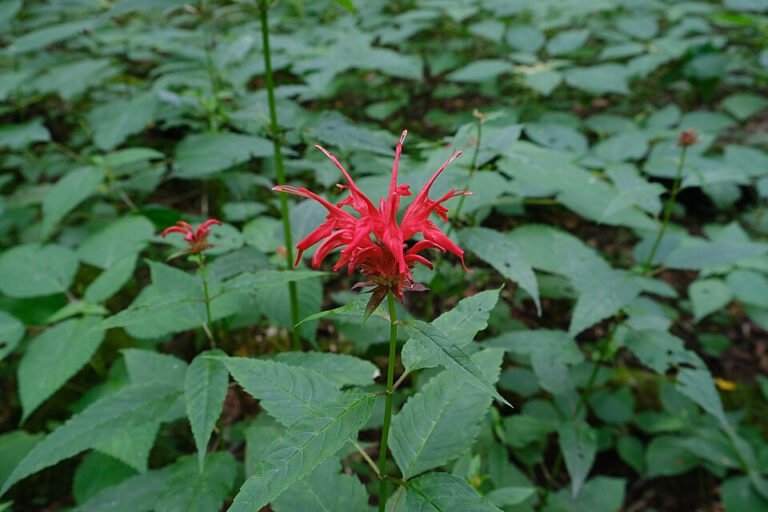
Monarda brings shaggy flower heads, aromatic leaves and an informal upright shape to summer borders. Often called bee balm or bergamot, the perennial garden forms do best when roots stay supplied with moisture and stems have air around them. A well placed clump can be divided as it spreads, keeping growth vigorous.
Summer perennial
Aromatic leaves
Moisture matters
Flowers for insects
Divide crowded clumps
| Botanical name | Monarda didyma, M. fistulosa and perennial hybrids |
| Family | Lamiaceae |
| Plant type | Herbaceous perennial |
| Typical height | 40cm–1.2m, by selection |
| Typical spread | 40–60cm initially, spreading |
| Light | Sun or light dappled shade |
| Soil | Fertile, moisture retentive but drained |
| Main interest | Whorled summer flowers and aromatic leaves |
| Best starting point | Nursery plants or healthy divisions |
| Working spacing | Single 50cm, In row 50cm, Row gap 50cm |
| Common names | Bee balm and bergamot |
| Flower colours | Red, pink, purple and white |
| Main flowering | Midsummer to early autumn |
| Stems | Square in cross section |
| Leaves | Opposite and aromatic |
| Winter growth | Dies back above ground |
| Main concern | Powdery mildew |
| Propagation | Division and cuttings |
| Guide scope | Hardy perennial garden forms |
| Different bergamot | Not Citrus bergamia |
| Plant name | Crop type | Spacing |
Sow indoors
Plant outdoors
Harvest
Polytunnel | |||||||||||
|---|---|---|---|---|---|---|---|---|---|---|---|---|---|---|
| Jan | Feb | Mar | Apr | May | Jun | Jul | Aug | Sep | Oct | Nov | Dec | |||
| Monarda | Not recorded | Single 50cm, In row 50cm, Row gap 50cm | No activity recorded | No activity recorded | Plant outdoors | Plant outdoors | Plant outdoors | No activity recorded | Harvest | Harvest | Plant outdoors, Harvest | Plant outdoors | No activity recorded | No activity recorded |
Sow indoors: no months recorded. Plant outdoors: March, April, May, September, October. Harvest: July, August, September. Polytunnel: no months recorded.
Spring and early autumn are useful planting and division windows when soil is workable. Sowing is blank because divisions and nursery plants retain the selected garden form more reliably. July–September harvest means optional ornamental flower cutting; this guide does not present all Monarda hybrids as food plants. Established hardy clumps do not need routine tunnel cover. About 50cm spacing is a starting point; allow more for vigorous selections and renew crowded clumps.
Monarda suits a mixed border where moisture loving perennials can grow in sun or lightly filtered light. Start with a realistic amount of space and a plant you can reach easily for routine care. A small, well placed group is easier to establish than a crowded display that needs constant correction.
A dry gravel bed or cramped hot pot often leads to stress and mildew. Choose a position where watering is practical during prolonged summer drought. Look at the garden through the whole year before buying. Space that seems empty in spring may already belong to a neighbouring plant by midsummer, while the winter conditions can be very different from a sheltered shop display.
Photo: Hardyplants, CC BY-SA 4.0. Resized and optimised; cropped for display. Adapted image under the same licence.
Give good light without trapping the clump against a hot wall. Light dappled shade can help on a dry site. Check how the light moves across the proposed position, including shade cast by fences and nearby trees. The amount of direct sun at midday alone does not describe the whole growing site.
Improve the wider soil with well rotted organic matter where needed. The aim is moisture retention with drainage, not a permanently soggy root zone. Clear persistent weeds before planting. Working around established roots later is slower and risks damage, so this is a useful stage to deal with bindweed, couch grass or other unwanted growth.
A compact selection can grow in a generous pot, but drying is more difficult to prevent than in a prepared border. Make drainage holes accessible and allow water to escape freely. Check the pot after heavy rain as well as during dry weather; a blocked outlet can undo otherwise careful watering.
Leave air between neighbouring stems and avoid crowding the crown beneath vigorous ground cover. Place taller forms where their summer flowers can rise above lower companions. Leave practical access for inspection and maintenance. Think about the mature outline rather than filling every visible gap around a newly bought plant. Its neighbours will also be growing into the available space.
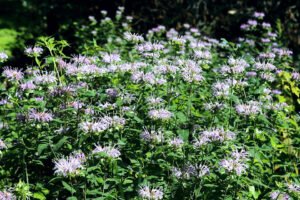
Photo: Didier Descouens, CC BY-SA 4.0. Resized and optimised; cropped for display. Adapted image under the same licence.
Start with healthy plants and a bed prepared for steady summer moisture. Prepare everything before removing plants from their pots or opening a seed packet, so roots and seedlings are not left exposed while you look for tools.
1.
Choose a clearly named perennial selection and ask about mature height and mildew performance. Keep the label and record the planting date. That small record makes it much easier to understand differences in growth and to replace a successful selection accurately.
2.
Remove persistent weeds and improve moisture retention across the bed rather than only inside the planting hole. Avoid working saturated soil: squeezing and treading it while wet can leave a compacted planting area. Wait for a workable day if the surface smears rather than crumbles.
3.
Water pots or divisions before planting and avoid leaving exposed roots in drying wind. Work with clean containers and fresh suitable compost where pots are involved. Reusing a container is fine after cleaning it, but a crust of old compost can conceal pests and obstruct drainage.
4.
Plant in spring or early autumn, avoiding saturated soil and the hottest dry spells. Use the forecast alongside the calendar. A warm afternoon does not cancel a cold night, and a printed month should never take priority over the conditions in your own garden.
5.
Set the crown at its previous depth, allowing roughly 50cm or the selection’s stated spread. Work carefully rather than rushing to fill the space. Check the intended depth and spacing before finishing, because corrections are easier now than once growth is established.
6.
Water in and apply a mulch around the plant without burying the crown. Water gently enough to avoid washing compost away. If the surface settles, top it up to the intended level without burying the base more deeply than planned.
7.
Watch young shoots for slug damage and check moisture frequently during establishment. Look again after the first windy or very wet spell. A plant that has rocked loose or a newly exposed rootball needs attention before the problem becomes established.
8.
Mark vigorous clumps for division when crowding or a weak centre develops. Review growth after a few weeks and adjust care to what you see. Regular observation is more useful than repeatedly adding fertiliser to a plant whose main problem is light, moisture or space.

Watering
Keep newly planted monarda moist while roots establish. During prolonged dry weather, soak the root area rather than giving a light splash to leaves and flowers.
Established clumps still suffer when soil repeatedly dries hard. A mulch helps retain water, but check underneath it. Pots need particularly close attention during warm wind and should drain freely after watering.

Feeding
A spring mulch and reasonably fertile soil support steady growth. Do not use heavy nitrogen feeding to force tall soft stems that then crowd and flop.
Container plants may need a suitable balanced feed after compost nutrients decline. Follow the label and address water stress first; fertiliser is not a cure for mildew caused by an unsuitable site.

Pruning
Remove spent heads if a tidier display is wanted, while retaining some later heads for winter structure. Cut damaged stems cleanly and avoid stripping healthy foliage unnecessarily.
Cut dead stems down in late winter or early spring before new growth becomes difficult to see. Divide congested clumps periodically to maintain younger growth and improve the space between stems.

Winter care
Hardy perennial garden forms die down and normally remain outdoors. Leave sound stems where their structure is useful, then tidy before fresh growth expands.
Winter drainage matters. A clump sitting in stagnant soil can decline even though it tolerates cold. Keep container drainage holes open and avoid water collecting around dormant crowns.
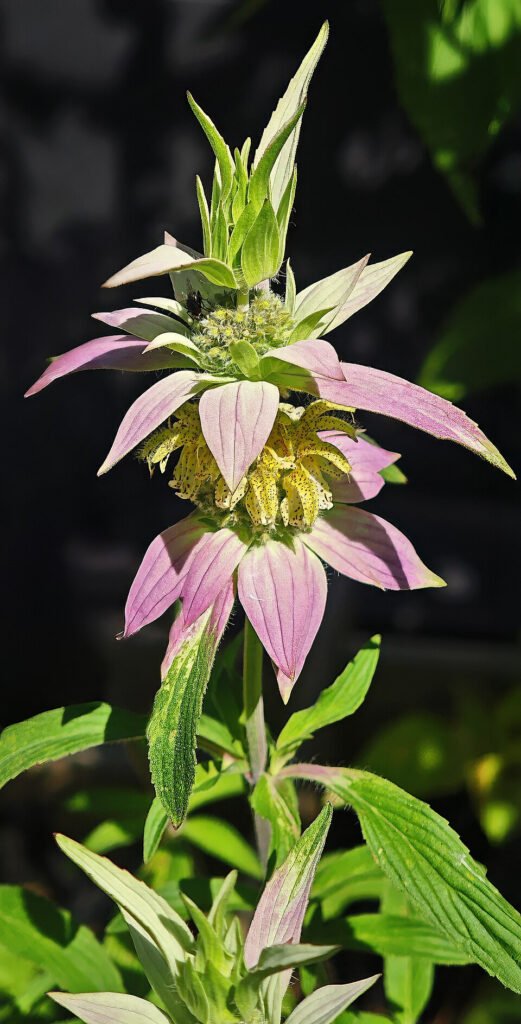
Monarda has opposite aromatic leaves on square stems and distinctive clusters of tubular flowers. Coloured bracts beneath the flowers can add to the display.
Bergamot is also the name of Citrus bergamia, the citrus used for familiar tea flavouring. This guide covers ornamental perennial Monarda, not every annual species or every plant carrying that common name.
Photo: DouglasGoldman, CC BY-SA 4.0. Resized and optimised; cropped for display. Adapted image under the same licence.
Moisture is a practical starting point when choosing a site. A sunny border with deep soil often works better than a baking raised bed with little water reserve.
Choose a selection for the space available and inspect local examples if mildew has been a recurring problem in your garden.
Cut a few fresh flower stems for arrangements and leave plenty on the clump for its garden display. This guide makes no medicinal claims or blanket culinary recommendation for hybrids.
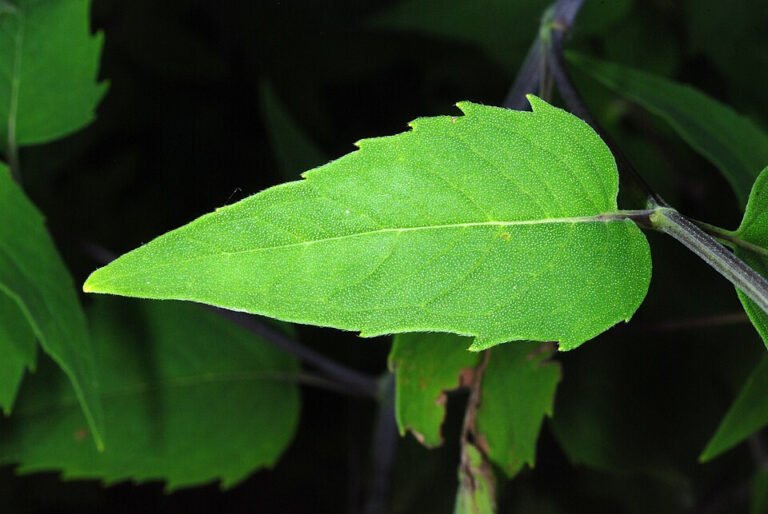
Photo: Agnes Monkelbaan, CC BY-SA 4.0. Resized and optimised; cropped for display. Adapted image under the same licence.
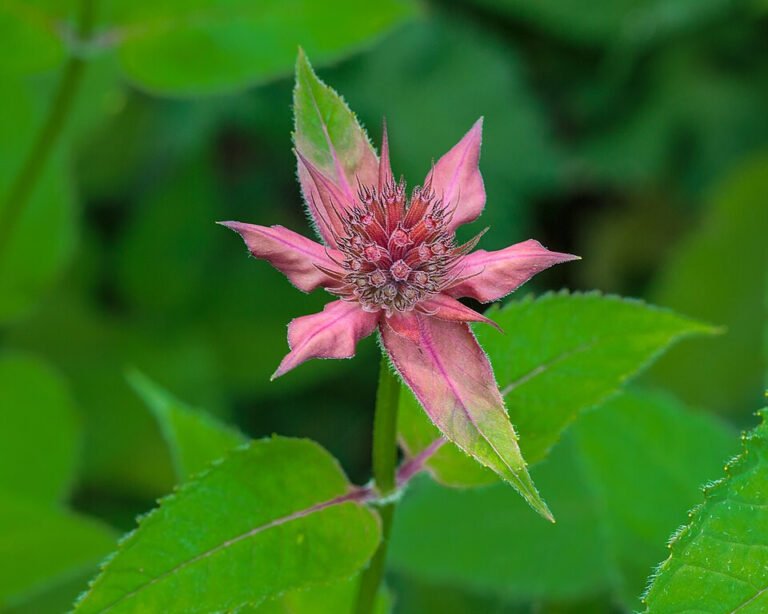
Powdery mildew is common with drought stress and crowded growth. Improve moisture and spacing, remove badly affected material and consider a better performing selection.
Shade, crowding or excessive feeding can contribute. Support taller forms discreetly and review the site.
Lift and divide a congested plant in a suitable season, replanting vigorous outer pieces.
Slugs and snails can damage spring growth. Inspect and protect the emerging crown.
Check waterlogging. Cold tolerance does not protect roots from stagnant wet soil.
Divide established clumps in spring or early autumn when soil is workable. Replant healthy outer sections with sound roots and water them carefully while they establish.
Cuttings from healthy young growth offer another route for named selections. Seedlings may vary, so use divisions or appropriate cuttings when preserving flower colour and habit is important.
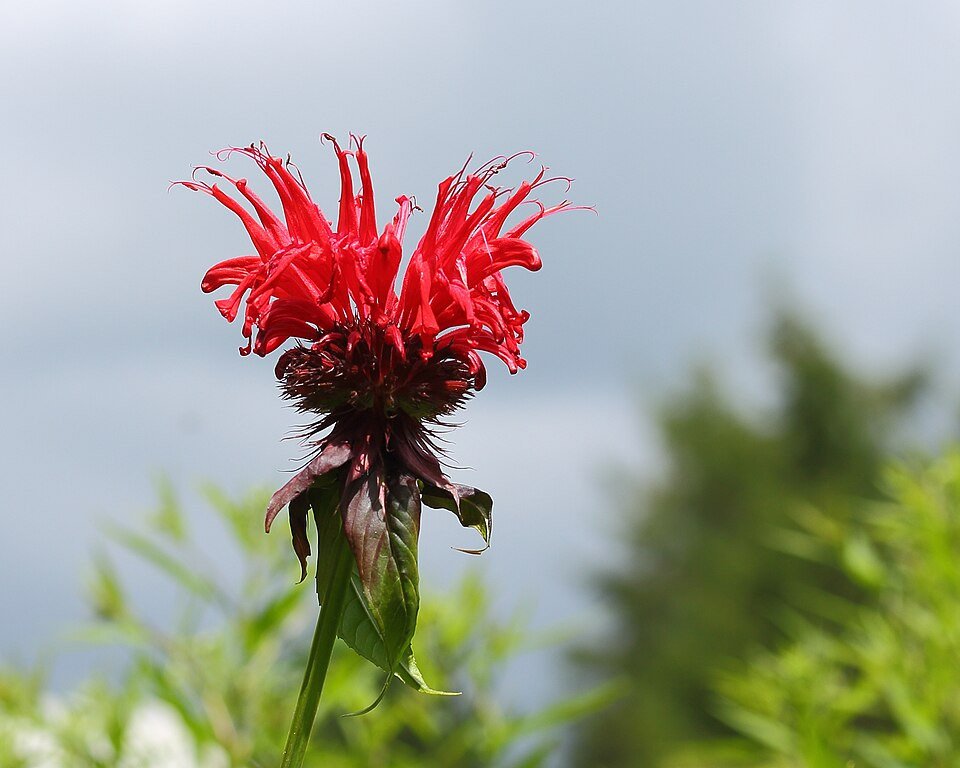
Red flowered forms
Red selections give strong summer colour and combine well with grasses. Choose a labelled form whose height fits the border.
Red Jacob Cline monarda, identified in the source.
Photo: Dominicus Johannes Bergsma, CC BY-SA 3.0. Resized and optimised; cropped for display. Adapted image under the same licence.
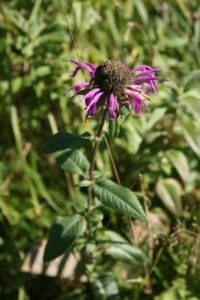
Pink flowered forms
Pink varieties can soften a mixed planting. Beauty of Cobham is a familiar example, but a species photograph does not identify that cultivar.
Monarda flower comparison showing pink purple colouring; the source does not establish a named pink cultivar.
Photo: Sten, CC BY-SA 3.0. Resized and optimised; cropped for display. Adapted image under the same licence.
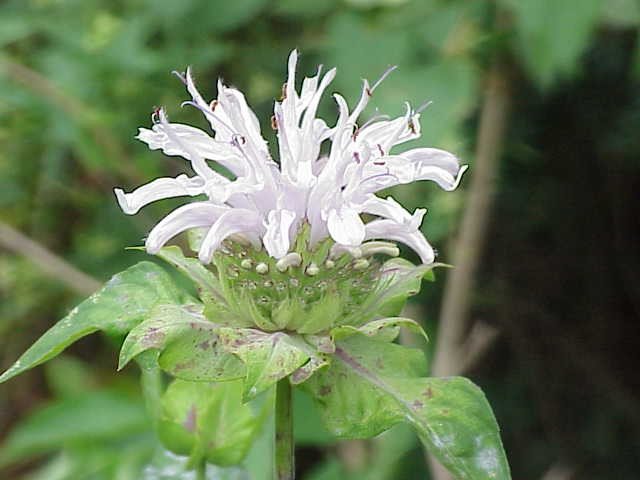
Purple and lilac forms
These colours work well among pale grasses and other summer perennials. Check moisture needs rather than treating all prairie style planting as dry gardening.
Monarda fistulosa flowers illustrate pale lilac colouring.
Photo: Kurt Stüber [1], CC BY-SA 3.0. Resized and optimised; cropped for display. Adapted image under the same licence.
Look for a healthy labelled perennial with fresh growth and a height suited to the border. Good soil moisture and sensible spacing are central to a lasting clump.
The tubular flowers attract visiting bees and other insects. Keep some blooms when cutting and include plants flowering before and after monarda for a longer season.
Hollow and standing stems can add winter structure. Delay tidy cutting where practical, and avoid unnecessary spraying of flowering plants.
Published by Buy From Farmers Direct. Growing guidance reviewed 11 October 2026. The seasonal timeline uses the shared BFFD Growers Calendar record; adjust timings to your variety and local conditions.
The garden forms covered here are herbaceous perennials that die down in winter.
Dry roots and crowded growth often contribute. Improve moisture and air space before relying on treatments.
Light dappled shade is suitable, but deep shade reduces flowering and can weaken stems.
Spring or early autumn is useful when the soil is workable and plants can establish.
That flavour comes from Citrus bergamia, a different plant.
A compact form can work in a large pot, provided watering remains dependable.
Give monarda steady moisture, open space and occasional division. Those simple conditions help its summer flowers rise above healthy aromatic foliage.
Explore more growing guides: Marguerite Daisy, Marigold, Miscanthus.
Want to get food independence, support your local grower, get better prices and shop more privately?
Local food isn’t just something you find. It’s something you protect. A free account helps keep local supply visible, supported, and resilient.

….it takes 30 seconds for food lovers and 5 minutes for suppliers
We built this for people who care where their food comes from. For people who want to remain food secure. For Farmers to get to the local people, who deserve a better income and to deliver a better price for you. For the environmentally conscious and the privacy-conscious. An account simply helps us make the map and supplier reach more useful to you, without changing how open it is. You’re always in control.


Find local food. Stay connected to it. Create a free account to support local producers and be part of a growing food network.