Sweet scabious fills a summer border with pincushion flowers on slender stems. Usually sold as Scabiosa atropurpurea, it is a short lived perennial commonly grown as an annual in the UK. It rewards spring sowing with flowers for insects and small vases, provided the site is sunny, well drained and kept picked or deadheaded.
Sunny cutting flower
Usually grown as an annual
Useful for pollinators
Pick to prolong flowering
Support taller varieties
| Botanical name | Scabiosa atropurpurea |
| Also encountered as | Sixalix atropurpurea |
| Family | Caprifoliaceae |
| Plant type | Short lived perennial, often grown annually |
| Common name | Sweet scabious |
| Typical height | About 45 to 100cm, cultivar dependent |
| Typical spread | About 30cm |
| Light | Full sun |
| Soil | Fertile and freely drained |
| Soil reaction | Neutral to alkaline often suitable |
| Main sowing | March to May |
| Indoor sowing | Early spring with gentle warmth |
| Outdoor planting | May to June after hardening off |
| Flowering | Summer into autumn |
| Flower colours | White, pink, purple and deep burgundy |
| Watering | Regular while establishing |
| Feeding | Modest rather than excessive |
| Pruning | Deadhead and cut useful stems |
| Propagation | Seed |
| Cutting use | Fresh flower arrangements |
| Plant name | Crop type | Spacing |
Sow indoors
Plant outdoors
Harvest
Polytunnel | |||||||||||
|---|---|---|---|---|---|---|---|---|---|---|---|---|---|---|
| Jan | Feb | Mar | Apr | May | Jun | Jul | Aug | Sep | Oct | Nov | Dec | |||
| Scabiosa (Sweet) | Not recorded | Single 30cm, In row 30cm, Row gap 30cm | No activity recorded | No activity recorded | Sow indoors, Polytunnel | Sow indoors, Polytunnel | Sow indoors, Plant outdoors | Plant outdoors | Harvest | Harvest | Harvest | Harvest | No activity recorded | No activity recorded |
Sow indoors: March, April, May. Plant outdoors: May, June. Harvest: July, August, September, October. Polytunnel: March, April.
March to May covers spring sowing: begin under cover in March or April, or sow outside when the soil has warmed. May and June are the usual planting months for hardened young plants, adjusted for local frosts. July to October harvest means cutting flowers only, continuing while plants bloom. The March and April cover band refers to raising seedlings, not winter survival of mature plants. Some growers overwinter autumn sowings under protection, but that optional specialist route is not shown here.
Sweet scabious suits a mixed sunny border or a dedicated cutting patch where its fine stems can weave among sturdier neighbours. Choose taller varieties for vases and more compact selections where wind or a small container would make long stems awkward.
It is a good choice if you enjoy raising a few plants from seed each year. Do not rely on every plant surviving winter: wet soil and cold can finish short lived plants, even where an occasional specimen returns.
Photo: Umut Nuri Erdoğan, CC BY 4.0. Resized and optimised; cropped for display.

Choose an open position with several hours of direct sun and room for air to circulate. Flowers lean towards light in a shaded bed, and crowded, soft growth is harder to support neatly. Avoid a damp pocket beneath shrubs.
Improve poor ground with modest quantities of well rotted organic matter before planting. The aim is workable soil that retains some moisture without becoming waterlogged. Very rich feeding produces lush stems that may bend under flowers or rain.
On heavy clay, use a raised bed or another area with better drainage. Mixing a handful of grit into one small planting hole will not drain the surrounding soil. Correct the wider growing conditions before committing a whole row.
Containers need drainage holes, peat free compost and enough volume to buffer summer drying. Pick a compact variety, allow space between plants and place the pot somewhere accessible for regular cutting. Tall selections need both root room and support.
Photo: Vasco Henrique Oliveira Fonseca, CC BY 4.0. Resized and optimised; cropped for display.
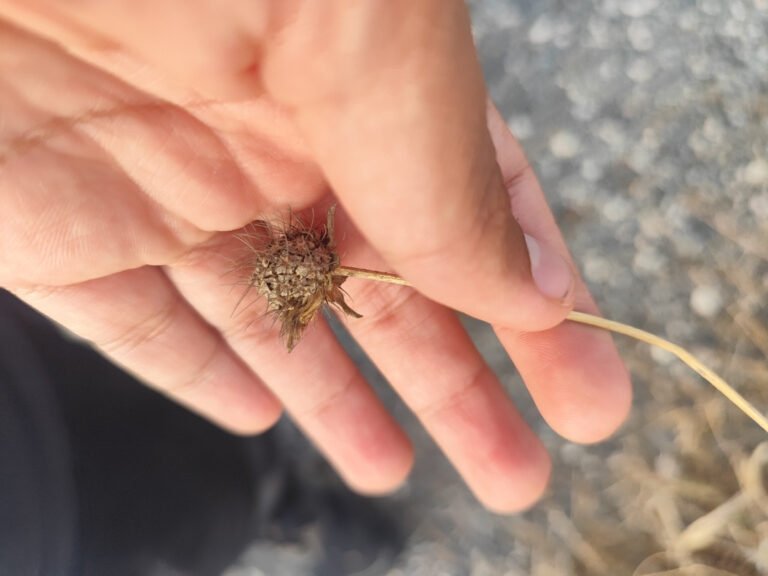
Start with the right plant and prepare its growing space before planting.
1.
Choose fresh seed of a named colour or mixture that suits your intended use. Check the stated height and sowing instructions, because cutting strains and dwarf bedding selections behave differently.
2.
Sow in early spring into clean trays or modules of seed compost, using the packet's depth and temperature guidance. Moisten the compost before sowing and avoid burying seeds deeply. A propagator can supply gentle warmth without scorching the tray.
3.
Keep the compost evenly moist while germination takes place, then give seedlings bright light and good ventilation. Remove any cover once it is no longer needed.
4.
Prick out or pot on when seedlings are large enough to handle, holding a leaf rather than squeezing the stem. Grow each plant with room to develop a useful rootball. Do not leave plants congested in a shallow seed tray.
5.
For direct sowing, wait until outdoor soil is warming, weed thoroughly and sow into a fine surface. Mark the row so emerging seedlings are recognisable. Thin gradually to the final spacing rather than allowing a dense thicket to struggle.
6.
Harden off indoor plants over about one to two weeks, increasing outdoor exposure gradually. Plant out after the main risk of hard frost, usually in May or June. Delay on a cold exposed site rather than relying on a calendar alone.
7.
Space plants around 30cm apart, adjusted to the seed packet's mature size. Plant at their previous depth and water them in. Put discreet supports or horizontal netting in place early for tall cutting varieties before stems become tangled.
8.
Check the young plants regularly for slugs and drying roots. Weed by hand nearby until they are established. Start cutting when suitable flowers open, leaving healthy foliage and side shoots to continue the display through the summer.

Watering
Water young plants at the root whenever the soil begins to dry, particularly after transplanting. Established plants cope with short dry spells, but prolonged drought shortens stems and flowering. A thorough soak is more useful than repeatedly dampening only the surface.
Pots require closer attention in warm weather. Check below the surface before watering and let excess drain away. Water earlier in the day where practical, keeping persistent dampness off crowded foliage and flowers rather than soaking the entire plant each evening.

Feeding
A moderately fertile prepared bed often needs little extra feeding. Avoid frequent high nitrogen feeds, which encourage soft leaves at the expense of sturdy flowering growth. If plants are weak, check light, roots and moisture before treating the bed as nutrient deficient.
Container plants may benefit from a modest flowering plant feed once their compost nutrients are used. Follow the label and water normally between feeds.

Pruning
Cut flowers regularly or remove spent heads back to a healthy side shoot. Leaving every flower to form seed can shorten the display. Use clean snips and avoid cutting all foliage from a young plant in pursuit of its longest first stems.
Tidy damaged or collapsing stems promptly and adjust supports as plants lengthen. Leave a few late heads if you want seed or winter interest, accepting that named colours may not reproduce faithfully. Remove exhausted plants when they no longer contribute to the border.

Winter care
Treat the main spring sown crop as seasonal. Some plants survive a mild winter in very well drained ground, but this is a bonus rather than a reliable plan. Keep fresh seed or plan to buy new young plants for next year.
Autumn sown plants need a separate, carefully managed overwintering regime with light, ventilation and protection from severe cold and wet. Do not keep seedlings warm and dark indoors. In colder gardens, spring sowing is usually the simpler and more predictable route.
Sweet scabious has rounded flower heads with a crowded central cushion and larger outer florets. The stems are slender and branching, while the foliage becomes more divided higher on the plant. Colour varies widely among seed strains and named selections.
Do not confuse it with every perennial sold as scabious. Scabiosa caucasica and compact forms associated with S. columbaria have different habits and may need different treatment. The full botanical label is more reliable than the shared pincushion description.
Photo: Clément Maouche, CC BY 4.0. Resized and optimised; cropped for display.
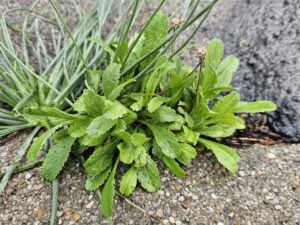
In warmer southern gardens, outdoor sowing and planting may begin earlier once conditions are suitable. In cooler districts, modules give a useful head start without exposing tiny seedlings to wet cold soil. Keep both methods tied to actual weather.
For a vase, cut fresh stems when the flower head is open enough to show its shape but before it looks tired. Take a clean bucket of water to the patch, strip submerged leaves and condition stems somewhere cool before arranging.
Mix colours deliberately rather than expecting a seed mixture to supply equal numbers of each shade. For a particular wedding or event colour, use a labelled strain and allow spare plants.
Photo: Umut Nuri Erdoğan, CC BY 4.0. Resized and optimised; cropped for display.

Damping off is encouraged by crowded seedlings, poor air movement and wet compost. Use clean equipment and fresh seed compost, sow thinly and ventilate. Remove affected seedlings promptly rather than increasing warmth and water around the remaining tray.
Slugs and snails can remove tender seedlings overnight. Check after dusk and protect small plants while they establish. Grow seedlings on to a useful size before planting into a bed with heavy grazing pressure.
Tall varieties may lean in wind, shade or overly rich soil. Install supports early, allow enough spacing and avoid excessive nitrogen. Tie stems loosely so they can expand without being pinched by string.
Powdery mildew can develop when plants are stressed or crowded. Improve spacing, water the roots consistently during drought and remove badly affected spent foliage. Do not assume every pale leaf mark requires a spray.
Seed formation, drought and exhausted plants all reduce the display. Deadhead or cut regularly, maintain sensible moisture and check the growing space. A severely stressed annual crop may not recover simply because it receives extra fertiliser.
Seed is the usual method for sweet scabious, sown in spring with the depth and temperature recommended by its supplier. Save a little seed only from healthy plants after selected heads ripen, keeping it dry and clearly labelled for the following season.
Open pollination can produce variation in colour and habit, and hybrid seed may not come true. Buy fresh seed when you need a consistent named strain. A few self sown seedlings can be useful, but identify them before moving or thinning them.
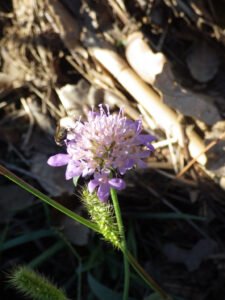
Black Knight
A dark burgundy flowered choice for dramatic arrangements. Its rich colour works among paler flowers, while the long stems benefit from discreet support in exposed cutting beds.
Photograph shows Sixalix atropurpurea as a botanical reference. It does not verify the named selection described here.
Photo: Pere Barnola, CC BY-SA 4.0. Resized and optimised; cropped for display. Adapted image under the same licence.
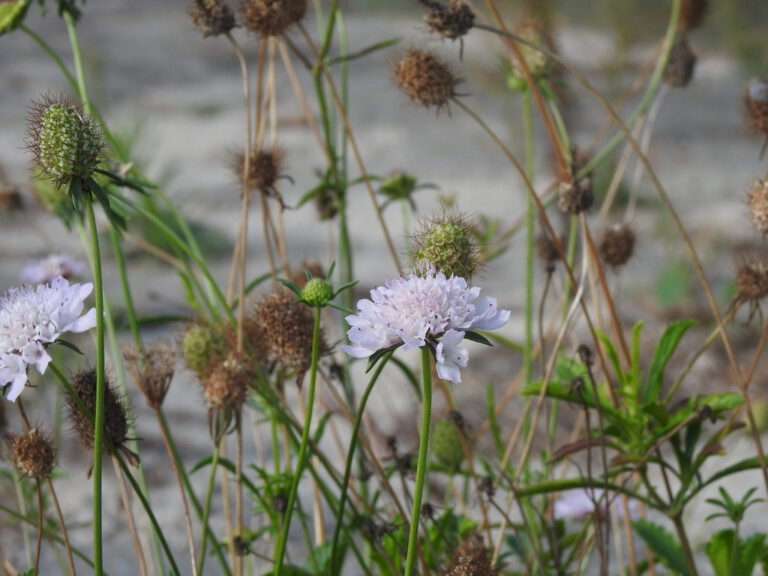
Ace of Spades
A dark flowered sweet scabious selection with a pincushion centre. Check the supplier's final height and sowing guidance, and keep its label separate from superficially similar dark strains.
Photograph shows Sixalix atropurpurea as a botanical reference. It does not verify the named selection described here.
Photo: Duarte Frade, CC BY 4.0. Resized and optimised; cropped for display.

Salmon Queen
A seed strain grown for warm pink and salmon tones. Individual plants may vary, so a packet is useful for a relaxed mixed border rather than an exact colour match.
Photograph shows Sixalix atropurpurea as a botanical reference. It does not verify the named selection described here.
Photo: Jean-Paul Boerekamps, CC0 1.0. Resized and optimised; cropped for display.
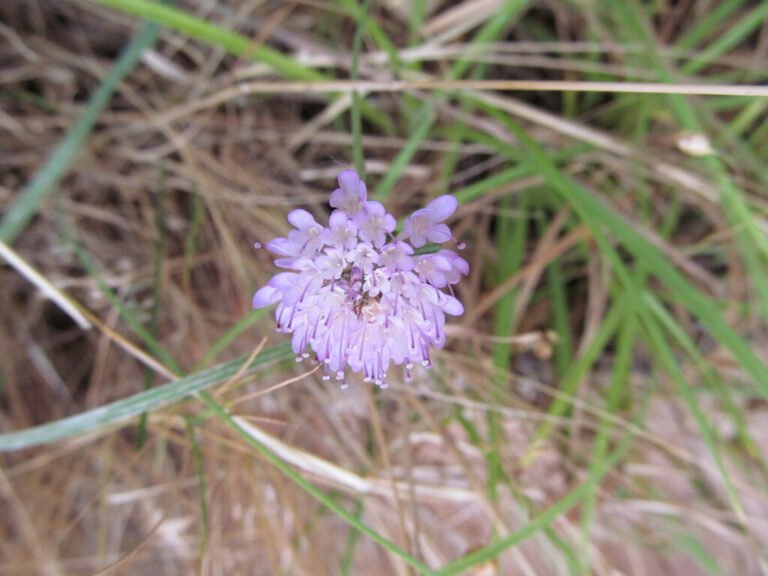
Snowmaiden
A white flowered selection for lighter planting schemes and small vases. Give it the same sunny, well drained position and regular picking as the darker colour forms.
Photograph shows Sixalix atropurpurea as a botanical reference. It does not verify the named selection described here.
Photo: zebedeugalinha, CC BY 4.0. Resized and optimised; cropped for display.
Choose sweet scabious by height, colour and cutting use. Buy labelled seed or healthy young plants, leaving enough room for airy branching growth.
Open sweet scabious flowers are useful to visiting bees, butterflies and other insects. Keep some flowers on the plants when picking for the house. A small cutting patch can still feed pollinators if harvesting is spread between plants.
Combine the summer display with earlier and later flowering plants nearby. Avoid routine insecticide use on open blooms, and tolerate minor leaf damage where plants remain vigorous. Leave a little undisturbed planting around the patch for shelter and other garden wildlife.
Published by Buy From Farmers Direct. Growing guidance reviewed 11 October 2026. The seasonal timeline uses the shared BFFD Growers Calendar record; adjust timings to your variety and local conditions.
It is a short lived perennial commonly grown as an annual in the UK. Plan a fresh crop each year rather than relying on winter survival.
Start under cover in March or April, or sow outside into warming soil in spring. Follow the seed packet and adjust for your local weather.
Yes, especially a compact selection in a generous, freely draining pot. Water regularly and support taller plants.
Yes, unless you are deliberately saving seed. Cut spent stems to healthy side shoots to encourage further flowers.
Yes. Pick fresh open flowers, remove leaves that would sit below water and condition stems in a cool place.
Not reliably for every named or hybrid strain. Buy labelled seed where a particular colour and habit are essential.
Start sweet scabious in good light, give it a sunny bed and keep cutting its flowers. A few well spaced plants can provide a long season of movement, colour and insect visitors.
Want to get food independence, support your local grower, get better prices and shop more privately?
Local food isn’t just something you find. It’s something you protect. A free account helps keep local supply visible, supported, and resilient.

….it takes 30 seconds for food lovers and 5 minutes for suppliers
We built this for people who care where their food comes from. For people who want to remain food secure. For Farmers to get to the local people, who deserve a better income and to deliver a better price for you. For the environmentally conscious and the privacy-conscious. An account simply helps us make the map and supplier reach more useful to you, without changing how open it is. You’re always in control.


Find local food. Stay connected to it. Create a free account to support local producers and be part of a growing food network.


