Agapanthus brings rounded heads of blue, violet or white flowers above fountains of green leaves. It can make a striking summer feature in a sunny border or a single patio pot. Start by choosing a plant with the right size and winter tolerance for your garden, then give it light, drainage and steady care while it grows.
Full Sun
Good Drainage
Summer Flowers
Excellent in Pots
Check Hardiness
| Botanical name | Agapanthus species and cultivars |
| Family | Amaryllidaceae |
| Common name | African lily |
| Plant type | Clump forming perennial |
| Position | Full sun |
| Soil | Moist but well drained |
| Planting season | Spring; adjust for local frost |
| Flowering season | Usually July to September |
| Typical height | About 20cm to 1.5m, by variety |
| Spacing | Usually 30cm to 60cm; check label |
| Foliage | Evergreen or deciduous |
| Flower colours | Blue, violet, white and bicolours |
| Containers | Yes, with drainage holes |
| Feeding | Pots benefit during active growth |
| Division | Spring, when clumps need it |
| Seed sowing | Spring under cover |
| Pruning | Remove dead leaves and old stems |
| Winter care | Depends on species and cultivar |
| Pollinators | Flowers can attract bees |
| Edibility | Ornamental; harmful if eaten |
| Plant name | Crop type | Spacing |
Sow indoors
Plant outdoors
Harvest
Polytunnel | |||||||||||
|---|---|---|---|---|---|---|---|---|---|---|---|---|---|---|
| Jan | Feb | Mar | Apr | May | Jun | Jul | Aug | Sep | Oct | Nov | Dec | |||
| Agapanthus | Unusual & exotic | Single 0.60m, In row 0.60m, Row gap 0.60m | Polytunnel | Polytunnel | Sow indoors, Plant outdoors, Polytunnel | Sow indoors, Plant outdoors, Polytunnel | Plant outdoors | No activity recorded | Harvest | Harvest | Harvest | Polytunnel | Polytunnel | Polytunnel |
Sow indoors: March, April. Plant outdoors: March, April, May. Harvest: July, August, September. Polytunnel: January, February, March, April, October, November, December.
This is a seasonal guide for UK gardens. The harvest row shows the usual flowering and cut flower season, not an edible crop. Plant tender types outside only after local frost risk has passed. Protect pots over winter and check the requirements of your named variety. The polytunnel row indicates a period when protected growing may be useful; an unheated tunnel is not guaranteed frost free.
A compact cultivar can sit near a sunny seating area, while taller plants can rise through a summer border. Think about the view from the house as well as the colour of neighbouring flowers. Leave room to reach the pot or clump for watering and maintenance.
The choice between evergreen and deciduous plants matters. Deciduous types lose their leaves in winter and are generally tougher, but hardiness still varies. Ask a grower for the exact name and how it performs locally, especially if you hope to leave it in the ground.
Photo: Edoddridge, CC BY-SA 3.0. Resized and optimised; cropped for display. Adapted image under the same licence.
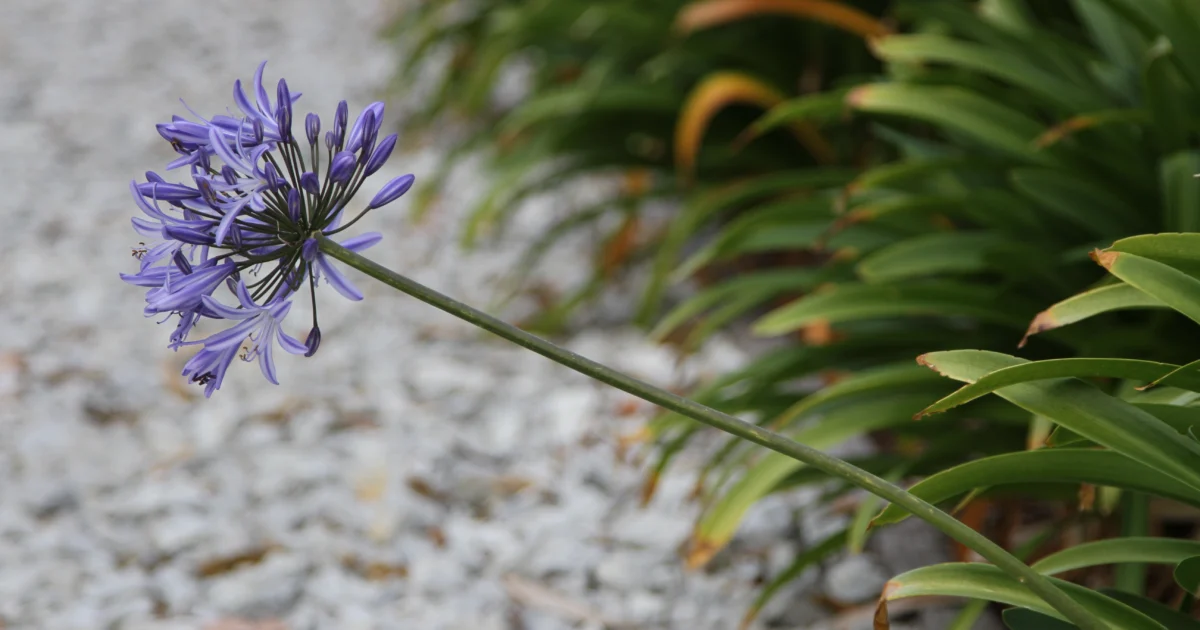
Choose an open, sunny position. A sheltered patio or the front of a warm border is often useful, provided nearby shrubs will not shade the plant as they grow.
Drainage matters in winter. Inspect your proposed planting place after rain: a hollow that stays wet is a poor choice. A container gives you control when the garden soil is unsuitable.
Use a stable pot with drainage holes and peat free compost suitable for long term container plants. Straight sides make a congested rootball easier to remove at repotting time. Keep the drainage route clear.
Allow roughly 30cm to 60cm between plants as an initial guide, then follow the mature spread on the label. Larger species may need more space. A small nursery pot is not a reliable guide to the eventual size of the clump.
Photo: Johirsuresh1998, CC BY-SA 4.0. Resized and optimised; cropped for display. Adapted image under the same licence.
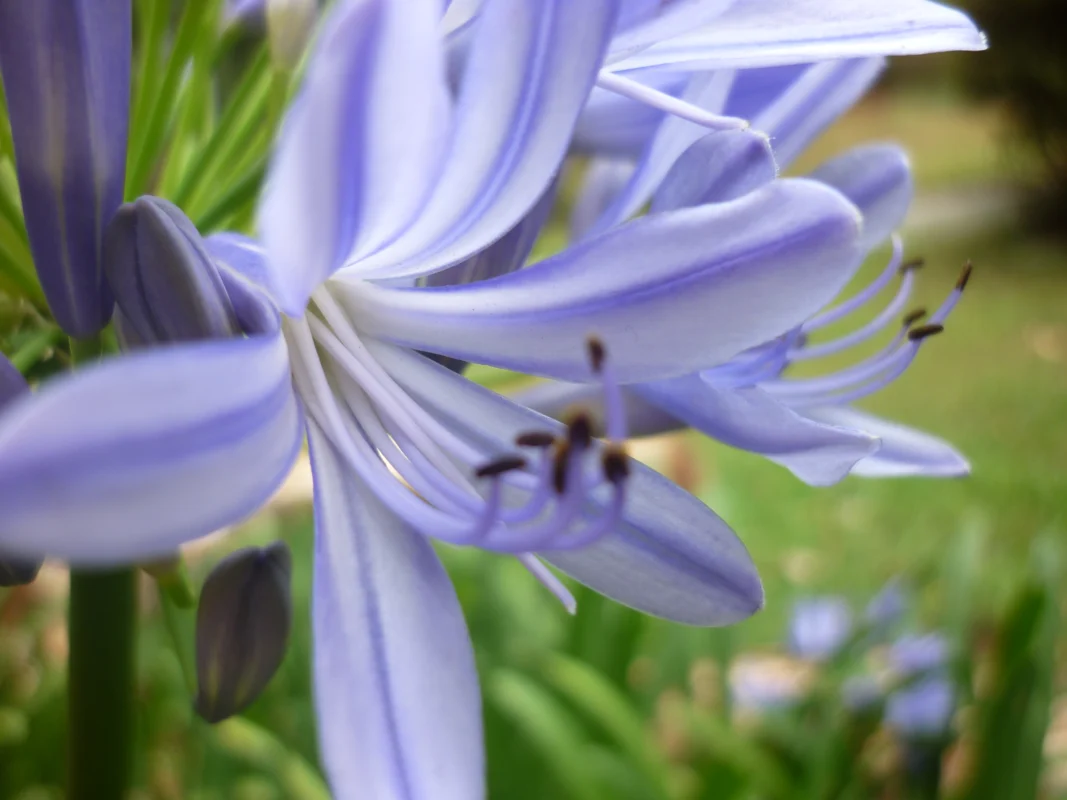
Spring is a useful starting point for planting. Delay tender plants until frost risk has passed, and gradually accustom anything raised under cover to outdoor conditions. Keep the label with the plant so you can plan its winter care.
1.
Choose a healthy named plant and check its eventual height, spread and hardiness.
2.
Water the nursery pot so the rootball is evenly moist before you remove it.
3.
Clear weeds and set out the plants at the spacing recommended for their variety.
4.
Prepare a hole wide enough for the rootball. In a container, leave space for watering below the rim.
5.
Ease the plant from its pot, supporting the rootball rather than pulling on the leaves.
6.
Set a potted plant at its previous soil level. For bare rhizomes, follow the supplier's depth instructions.
7.
Backfill gently, firm around the roots and water to settle the soil or compost.
8.
Label the plant, check moisture during establishment and make a note of its winter protection needs.

Watering
Check newly planted clumps and pots regularly. Water the root area thoroughly when needed and let surplus water drain away. The right frequency changes with the weather, container size and how quickly the plant is growing.
Do not stop checking pots when the main display finishes. Severe drying during late summer can reduce the following year's flowers. Established border plants need less attention, although prolonged dry spells still deserve a check.

Feeding
A pot has a limited supply of nutrients. During active growth, use a suitable liquid fertiliser at the labelled dilution and interval. Take account of any fertiliser already included in new compost.
Feeding is one part of care. If flowering is disappointing, also assess light, watering, roots and winter damage. Keep a simple note of what you change so you can judge the next season fairly.

Pruning
Remove faded flower stems near the base if you prefer a tidy finish. Alternatively, leave some healthy seedheads for their shape. Avoid cutting away green leaves simply because flowering has ended.
Let deciduous foliage die down naturally, then remove it. Evergreen plants usually need only damaged or untidy leaves removed. Wear gloves when handling agapanthus, as the sap can irritate skin.

Winter care
Plan protection before cold weather arrives. Tender evergreen plants are best kept in movable pots and overwintered in bright, frost free shelter. A greenhouse or cold frame can still freeze, so check the minimum temperature.
Protect container roots as well as foliage, keep pots out of standing water and reduce watering as growth slows. Hardy border varieties may benefit from an insulating mulch in cold areas. Remove heavy winter coverings when growth resumes.
The leaves grow from the base in long, arching straps. Flower stems rise above them, each carrying many individual flowers arranged around a central point. Some heads are almost spherical; others make a more open dome.
Flower form is useful when comparing plants. Agapanthus inapertus has hanging, narrow flowers, while many familiar garden types have more open trumpets. Photographs show individual plants, so use the nursery label for a cultivar's expected colour and size.
Photo: Victorrocha, CC BY-SA 3.0. Resized and optimised; cropped for display. Adapted image under the same licence.
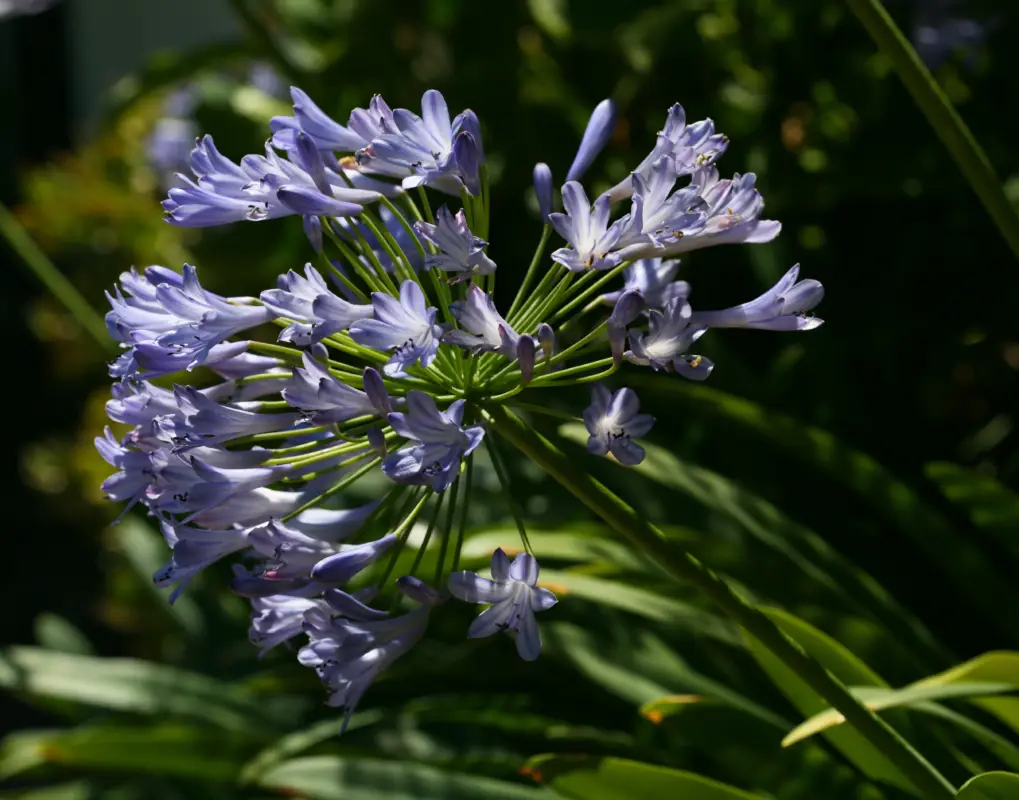
In milder coastal gardens, suitable varieties can make good border plants. Shelter still matters: a garden close to the sea can be exposed to strong wind, and a low corner may hold cold air.
For colder inland, northern or elevated gardens, start with a named hardy deciduous cultivar or a pot you can protect. Match the choice to your winter conditions rather than assuming every African lily has the same tolerance.
In wetter districts, assess winter drainage as carefully as frost. Position pots where you can inspect them easily. Local growers can often explain which cultivars have performed well through several winters nearby.
Photo: Dominicus Johannes Bergsma, CC BY-SA 3.0. Resized and optimised; cropped for display. Adapted image under the same licence.
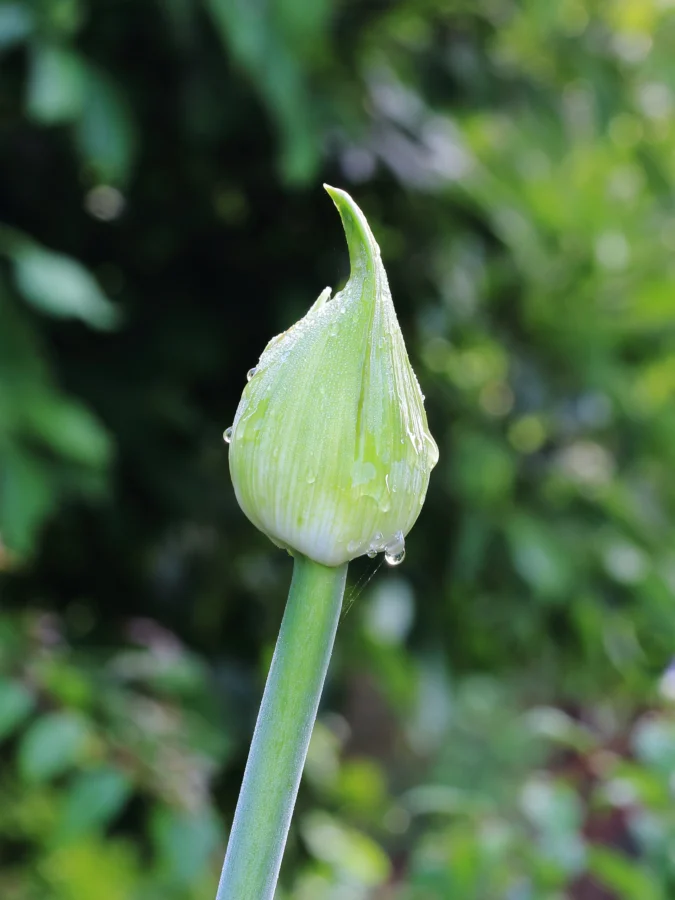
Check for too much shade, severe drying in the previous summer, recent division or winter damage. A plant may also flower poorly in an oversized pot or when its roots are excessively congested. Diagnose the growing conditions before adding more feed.
Yellowing is normal when a deciduous plant rests in autumn. At other times, feel the compost before watering: both dry roots and poor drainage can cause trouble. Persistent collapse needs closer inspection rather than a routine extra watering.
Slugs and snails may damage young growth. Look for the cause, particularly around pot rims and sheltered leaf bases. Small amounts of damage can be tolerated; protect vulnerable new shoots where necessary.
Distorted, browning buds that do not open can be a sign of agapanthus gall midge. Check for small creamy or orange larvae inside affected buds. Remove affected flower heads and follow current RHS guidance for confirmed infestations.
Do not deliberately leave a plant severely root bound. Repot into a modestly larger container when needed, or divide an established clump in spring. Choose manageable divisions with healthy roots and shoots.
Division preserves the characteristics of a named cultivar. Lift a congested clump in spring and separate it into substantial rooted sections, then replant and water. Tiny pieces can take longer to rebuild a flowering plant.
Seed offers a different project: seedlings can vary from their parent. Sow in suitable seed compost under cover, following the packet's temperature and depth instructions. Label the batch and protect young plants during their first winter. Do not expect immediate flowers.
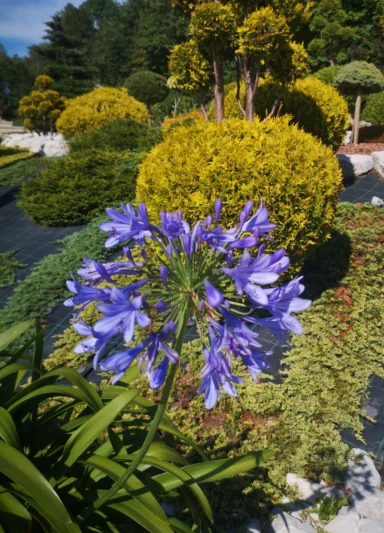
Agapanthus africanus
An evergreen African lily grown for blue summer flowers. The RHS gives plants under this name an H3 rating, so winter protection is important outside mild sites. Names can be confused in cultivation; confirm the identity with the grower.
Photo: Zbigniew Niepokój, CC BY-SA 4.0. Resized and optimised; cropped for display. Adapted image under the same licence.
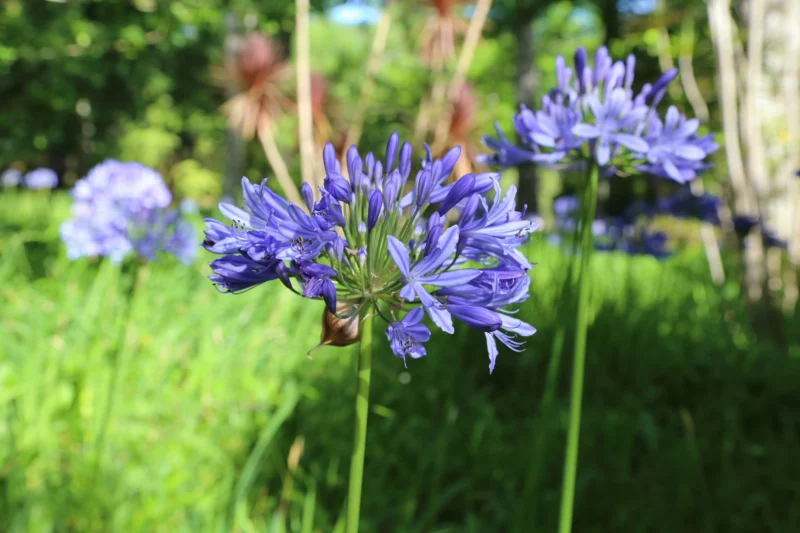
Agapanthus praecox
An evergreen species with open blue flower heads and tall stems. It is more tender than many deciduous garden selections; the RHS rates it H2. A container with frost free winter shelter is a practical UK approach.
Photo: C T Johansson, CC BY-SA 4.0. Resized and optimised; cropped for display. Adapted image under the same licence.
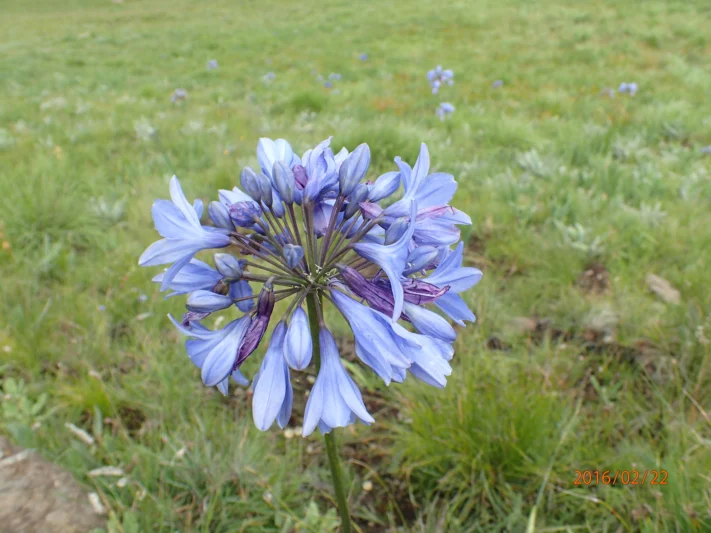
Agapanthus campanulatus
A deciduous species with lavender blue flowers and narrower foliage. Its RHS H4 rating makes it a tougher comparison, although a sheltered site and good drainage remain useful. Check individual cultivars separately.
Photo: Peter Warren (peterrwarren), CC0 1.0. Resized and optimised; cropped for display.
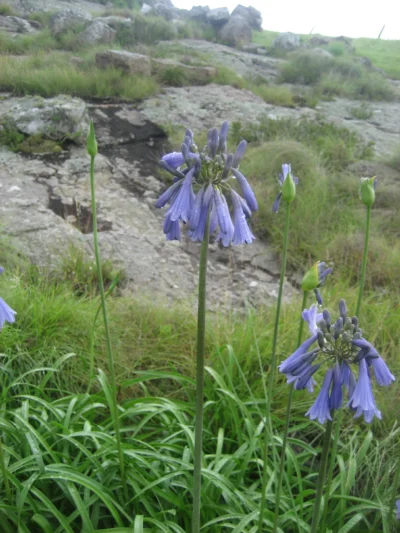
Agapanthus inapertus
Recognisable by its pendent, narrow tubular flowers, often in deeper blue shades. It is deciduous but is rated H3 by the RHS, demonstrating why leaf habit alone does not guarantee hardiness. Give taller stems appropriate space.
Photo: Ton Rulkens, CC BY-SA 2.0. Resized and optimised; cropped for display. Adapted image under the same licence.
Explore the BFFD map for independent growers and nurseries. Ask for a named agapanthus suited to your garden, then compare mature size, flowering time and winter care. Check availability before travelling.
Agapanthus flowers can attract bees during the summer display. Include other plants that flower earlier and later so the garden offers a longer season of food. Choose neighbouring plants that can share the same sunny conditions.
Watch which flowers receive visitors in your own garden and use that observation when planning the next season. Keep flowering plants accessible and avoid unnecessary treatments while insects are visiting.
Growing references: RHS agapanthus growing guide; RHS species profiles; RHS gall midge guidance; Val Bourne on container growing.
Plant hardy types in spring when the soil is workable. For tender plants or those grown under cover, wait until local frost risk has passed and harden them off first. Summer purchases need careful watering while they establish.
Spring is the usual time, particularly as new growth begins. Divide when an established clump is congested or you need more plants, rather than splitting it automatically every year. Keep useful sections with roots and shoots.
Yes. Choose a stable container with drainage holes, suitable peat free compost and room for modest root growth. Water and feed during the growing season, then provide winter protection appropriate to the variety.
Possible causes include shade, previous summer drought, winter damage, recent division and unsuitable pot size. Check those conditions in turn. A newly divided or seed raised plant may need time before producing a strong display.
Sow under cover using the instructions supplied with the seed. Keep the compost suitably moist, label the seedlings and protect them through winter. Seedlings may differ from their parent; division is preferable for keeping a named cultivar true.
Remove spent stems if you do not want seedheads. Allow deciduous leaves to die naturally before tidying them, and leave healthy evergreen foliage in place. Winter protection depends on the variety, not simply whether you have cut it back.
Find independent growers and nurseries on the BFFD map, or return to the growers calendar to plan your next planting. A local grower can help you choose an agapanthus that suits your space and winter conditions.
Want to get food independence, support your local grower, get better prices and shop more privately?
Local food isn’t just something you find. It’s something you protect. A free account helps keep local supply visible, supported, and resilient.

….it takes 30 seconds for food lovers and 5 minutes for suppliers
We built this for people who care where their food comes from. For people who want to remain food secure. For Farmers to get to the local people, who deserve a better income and to deliver a better price for you. For the environmentally conscious and the privacy-conscious. An account simply helps us make the map and supplier reach more useful to you, without changing how open it is. You’re always in control.


Find local food. Stay connected to it. Create a free account to support local producers and be part of a growing food network.


