Lilac brings a generous burst of scented blossom to late spring and early summer. The familiar common lilac can become a substantial shrub, while smaller selections suit more compact gardens. Give it sun, a well drained position and room for its natural shape. Most years, restrained pruning just after flowering is more useful than a severe annual haircut.
Fragrant late spring flowers
Sunny open position
Check the mature size
Prune after flowering
Compact forms for smaller gardens
| Botanical genus | Syringa |
| Family | Oleaceae |
| Familiar species | Syringa vulgaris |
| Plant type | Deciduous woody shrub or small tree |
| Main flowering | May and June, variety and region dependent |
| Flower colours | Lilac, purple, pink, cream and white |
| Fragrance | Many varieties strongly scented |
| Common lilac size | Often several metres tall and wide |
| Compact options | Selections such as Palibin |
| Position | Full sun for good flowering |
| Soil | Well drained, generally neutral to alkaline |
| Main planting | Autumn to early spring |
| Container planting | Possible outside extremes with careful watering |
| Routine pruning | Immediately after flowering |
| Flower buds | Form on the previous season's growth |
| Renovation | Staged winter work when necessary |
| Suckers | May arise from the roots |
| Grafted plants | Rootstock suckers may differ from the top |
| Propagation | Layering, suitable suckers or cuttings |
| Edible harvest | Not part of this ornamental guide |
| Plant name | Crop type | Spacing |
Sow indoors
Plant outdoors
Harvest
Polytunnel | |||||||||||
|---|---|---|---|---|---|---|---|---|---|---|---|---|---|---|
| Jan | Feb | Mar | Apr | May | Jun | Jul | Aug | Sep | Oct | Nov | Dec | |||
| Lilac | Not recorded | Single 150cm for compact selections or 300 to 400cm for larger common lilacs; row spacing follows mature spread | Plant outdoors | Plant outdoors | Plant outdoors | No activity recorded | No activity recorded | No activity recorded | No activity recorded | No activity recorded | No activity recorded | Plant outdoors | Plant outdoors | Plant outdoors |
Sow indoors: no months recorded. Plant outdoors: January, February, March, October, November, December. Harvest: no months recorded. Polytunnel: no months recorded.
October to March is the main planting period while soil is workable; container plants can be planted at other suitable times with additional watering. Allow about 150cm between compact selections such as Palibin, while larger common lilacs may need 300 to 400cm or more according to their eventual spread. Leave enough access around each shrub and follow its mature dimensions rather than the size of the nursery pot. Seed and harvest bands are blank because named nursery plants are the usual starting point and this is an ornamental guide. There is no routine tunnel season. Prune lightly after the actual flowers fade, rather than following a fixed winter haircut.
Choose lilac for a sunny border where spring fragrance matters and a woody framework can remain for the rest of the year. It is a seasonal feature rather than a shrub covered in flowers every month. Nearby planting can supply later interest while leaving the lilac enough light and air.
Look beyond the size of the nursery pot. Common lilac can outgrow a narrow passage or a small front border, leading to repeated hard cutting and fewer flowers. A compact selection is a more comfortable choice where access, windows or neighbouring plants limit the available space.
Photo: Autres, CC BY-SA 3.0. Resized and optimised; cropped for display. Adapted image under the same licence.

Use an open sunny position with soil that drains well. Most lilacs are comfortable in neutral to alkaline conditions. If the site remains wet for long periods, solve that problem or choose another plant rather than burying roots in a richly filled planting hole.
Avoid a frost pocket where cold air collects around developing buds and flowers. Shelter from damaging wind is useful, but a position hemmed in by tall evergreen planting can become too shaded. Check how the site behaves in spring as well as at planting time.
Give the shrub room to develop without constant clipping against a boundary. Leave access to reach its base, remove unwanted suckers and water during establishment.
For a pot, choose a genuinely compact lilac and a substantial drained container. A loam based peat free compost can provide lasting structure.
Photo: WrS.tm.pl, Public domain. Resized and optimised; cropped for display.

Plant a labelled healthy shrub into suitable ground and maintain moisture while it establishes. Keep its eventual size and flowering habit in mind from the beginning.
1.
Compare the cultivar's mature dimensions, flower colour and flowering period. Ask whether it is on its own roots or grafted if that information is available.
2.
Choose a workable autumn, winter or early spring planting day. Avoid frozen or waterlogged soil. If the plant must wait in its pot, keep it watered appropriately rather than leaving it dry while preparing the bed.
3.
Remove weeds from the planting area and loosen compacted ground where practical. Prepare a hole broad enough to spread the existing roots without folding them into a narrow slot.
4.
Water the rootball before removing the container. Ease badly circling outer roots gently where needed. Handle the plant by its pot or rootball rather than pulling its stems to free it.
5.
Set the shrub at the same soil level as before, keeping any graft union above ground. Check the depth before filling.
6.
Backfill with the excavated soil, settling it gently around the roots. Water thoroughly so the rootball and surrounding ground make good contact.
7.
Apply a useful mulch around the root area while leaving the stem base clear. Mark the outer edge so later gardening does not damage shallow new roots.
8.
Check moisture through the first growing seasons, especially in dry spring weather. Let the plant establish before major reshaping.

Watering
Water a newly planted lilac during dry spells, wetting the root area thoroughly. A light shower may not moisten a nursery rootball, particularly beside a wall or beneath neighbouring foliage. Check the soil rather than relying on the appearance of leaves alone.
Established shrubs in suitable soil usually need less intervention. Pots remain dependent on regular checks throughout the growing season. Let excess water drain freely and never leave a container in a permanent pool merely because the plant is large.

Feeding
Established garden lilacs generally need little special feeding when the soil is sound. Maintain the surrounding soil with appropriate organic matter and keep competitors under control. Heavy nitrogen feeding can encourage leaf growth without solving poor flowering.
Refresh the top compost of container plants in spring and feed moderately during active growth according to the product instructions. Repot when roots and compost condition require it, using a manageable next size. Check watering and root health before treating every pale leaf as a nutrient shortage.

Pruning
Carry out routine shaping immediately after flowering, taking only what is needed and cutting to suitable outward growth. Lilacs flower on wood made in the previous season. Repeated winter shortening removes potential flowers and can lead to a cycle of leaves without much blossom.
Remove dead or crowded growth and deal with unwanted suckers at their origin. A badly overgrown shrub may need staged renovation over several years, accepting reduced flowering while it recovers. Grafted rootstock suckers should not be allowed to replace the named top growth.

Winter care
Most garden lilacs are hardy and do not need a heated winter home. The main jobs are checking newly planted shrubs, support where used and drainage around containers. Avoid working frozen or saturated soil simply because the shrub is dormant.
If major renovation is necessary, plan it as a separate operation from annual tidying. Winter removal of a proportion of old stems can renew an overgrown plant, but it changes the flowering display. Leave healthy well shaped shrubs alone rather than pruning by habit.
Common lilac carries paired broad leaves and upright branching clusters of small tubular flowers. Many familiar forms are strongly scented. Compact species and hybrids may have smaller leaves and a finer habit, so the label remains useful when comparing two very different looking shrubs.
A sucker is a shoot arising from the roots or low base, separate from the main framework. On an own root plant it can match the parent; on a grafted plant it may belong to different stock. Trace its origin before deciding whether to retain, remove or propagate it.
Photo: Abraham, CC BY 4.0. Resized and optimised; cropped for display.

Flowering dates move with the season and location. A cold northern spring can delay the display, while a sheltered southern garden may flower earlier. Prune after your own shrub has finished, not merely because a calendar has reached June.
In exposed gardens, choose a site that protects developing flowers without sacrificing sunlight. Spring frost can brown an otherwise promising display. Damage in one difficult season does not automatically mean the shrub is unsuitable or needs severe pruning.
In small gardens, plan later interest around the lilac's brief main show. Perennials or other shrubs can extend the season, provided they do not crowd its roots and canopy. Leaving space for natural growth reduces the need for repeated corrective cutting.
Photo: Hirundo888, CC BY-SA 4.0. Resized and optimised; cropped for display. Adapted image under the same licence.
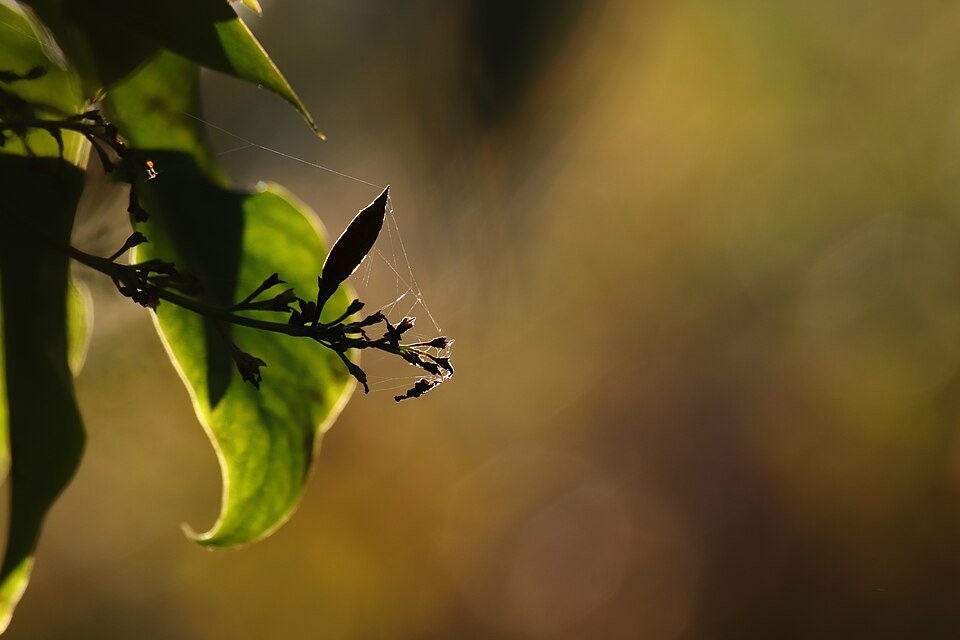
Review shade, age, previous pruning and excessive nitrogen. Winter clipping can remove flower buds. Correct the cause and allow a full growth cycle before judging the result.
Powdery mildew can appear, especially where air movement is poor. Avoid crowding, maintain suitable moisture and remove badly affected fallen material without assuming every case threatens the whole shrub.
Lilac blight is one possible cause. Remove affected growth appropriately and seek a firm diagnosis if damage spreads. Keep tools clean and avoid unnecessary wounding in wet conditions.
Leaf mining insects may be responsible. Inspect the pattern and tolerate minor cosmetic damage where the shrub remains vigorous rather than applying an automatic treatment.
Root suckers may be taking over. Remove unwanted growth at its origin and check whether a grafted rootstock is involved. Cutting repeatedly at soil level can leave the source in place.
Layering a suitable low branch in autumn or spring can produce another plant without immediately separating it from the parent. Keep the chosen branch labelled and check rooting before moving it. This patient approach suits a shrub that is not urgently needed elsewhere.
Suckers from an own root lilac can be useful when they have roots of their own. Do not assume a grafted plant's suckers reproduce the named cultivar. Cuttings are another possibility but can root slowly; seed is chiefly for species or experiments and may take years to flower.

Common lilac
Syringa vulgaris offers the familiar large spring flower clusters. Allow room for a substantial shrub and for possible suckers around its base.
Common lilac flowers; no named cultivar is claimed.
Photo: Aporia.j, CC BY-SA 4.0. Resized and optimised; cropped for display. Adapted image under the same licence.
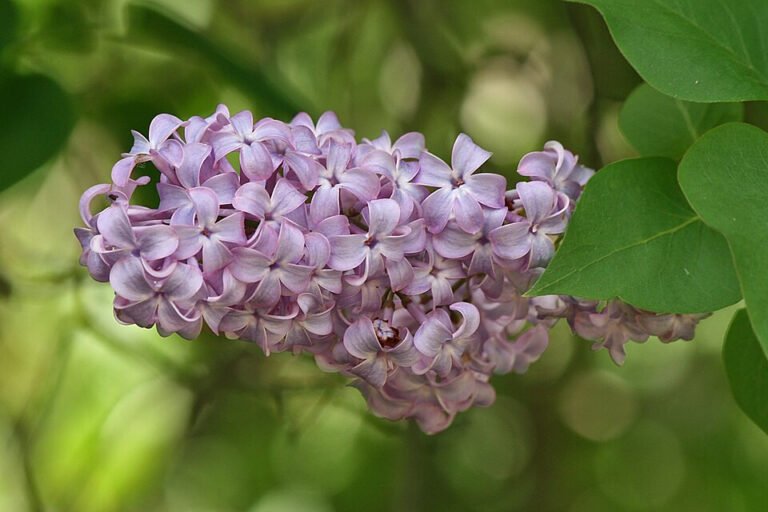
Madame Lemoine
A white double flowered common lilac selection. Choose it for a pale spring display and check the mature dimensions before planting close to a path.
Pale purple common lilac illustrates the species; white Madame Lemoine is not pictured.
Photo: Jjron, CC BY-SA 3.0. Resized and optimised; cropped for display. Adapted image under the same licence.

Palibin

Sensation
A named common lilac with distinctive contrasting flower edges. Buy labelled stock for the intended effect; a generic purple lilac photograph does not verify this cultivar.
A purple lilac cluster; the photograph does not verify Sensation.
Photo: Hswaton, CC BY-SA 3.0. Resized and optimised; cropped for display. Adapted image under the same licence.
Compare the plant label, mature spread and flower form. Buying a suitable sized selection saves years of pruning a large shrub back into a space it was never likely to fit.
Flowering lilacs can contribute to a varied garden food supply for visiting insects, although flower form affects access. Combine a spring display with other plants that flower before and after it rather than relying on one shrub for the whole season.
Check for active bird nests before pruning established shrubs. Retain useful shelter where possible and avoid unnecessary broad insect treatments. Cosmetic leaf damage often has little effect on a healthy mature lilac.
Published by Buy From Farmers Direct. Growing guidance reviewed 11 October 2026. The seasonal timeline uses the shared BFFD Growers Calendar record; adjust timings to your variety and local conditions.
For ordinary shaping, prune lightly just after flowering. Major winter renovation is a separate job and may reduce the next display.
Common reasons include shade, youth, unsuitable pruning and excessive leafy growth. Check these before feeding heavily or cutting the shrub back again.
Choose a compact selection, a substantial drained pot and suitable compost. Expect regular watering, measured feeding and occasional repotting.
Remove them if they are unwanted or arise from grafted rootstock. A rooted sucker from an own root plant can be used for propagation if you have space.
No. Common lilac can become substantial, while compact species and selections grow more slowly and stay smaller. Read the mature dimensions before buying.
Renovation is possible, preferably staged over several years. Expect a period of reduced flowers and strong new growth, and use it to solve a real structural problem rather than as annual routine.
Give lilac a sunny home with enough room, then prune with its flowering cycle in mind. A modest amount of well timed care is usually all a settled shrub needs.
Want to get food independence, support your local grower, get better prices and shop more privately?
Local food isn’t just something you find. It’s something you protect. A free account helps keep local supply visible, supported, and resilient.

….it takes 30 seconds for food lovers and 5 minutes for suppliers
We built this for people who care where their food comes from. For people who want to remain food secure. For Farmers to get to the local people, who deserve a better income and to deliver a better price for you. For the environmentally conscious and the privacy-conscious. An account simply helps us make the map and supplier reach more useful to you, without changing how open it is. You’re always in control.


Find local food. Stay connected to it. Create a free account to support local producers and be part of a growing food network.


