New Zealand flax gives a border year round shape through fans of long strap shaped leaves. Phormium selections range from compact coloured plants to substantial green clumps, so the label’s mature dimensions matter. Choose enough space, dependable drainage and shelter appropriate to the selection, then maintain it by removing damaged leaves individually.
Evergreen structure
Bold strap leaves
Choose mature size
Good drainage
Tidy individual leaves
| Botanical name | Phormium tenax, P. cookianum and garden hybrids |
| Family | Asphodelaceae |
| Plant type | Evergreen clump forming perennial |
| Typical height | About 60cm–3m in leaf, by selection |
| Typical spread | About 60cm–3m |
| Light | Sun or light shade |
| Soil | Fertile, moisture retentive but drained |
| Main interest | Bold strap leaves and occasional tall flower stems |
| Best starting point | Labelled nursery plant or healthy division |
| Working spacing | Single 150cm, In row 150cm, Row gap 150cm |
| Common botanical genus | Phormium |
| Leaf colours | Green, bronze and variegated combinations |
| Growth pattern | Fans forming a widening clump |
| Flowers | Tall stems on some mature plants |
| Flowering frequency | Not guaranteed annually |
| Planting preference | Spring |
| Propagation | Division for named forms |
| Pruning method | Remove whole damaged leaves at base |
| Winter tolerance | Varies with selection and site |
| Different plant | Not textile flax Linum usitatissimum |
| Plant name | Crop type | Spacing |
Sow indoors
Plant outdoors
Harvest
Polytunnel | |||||||||||
|---|---|---|---|---|---|---|---|---|---|---|---|---|---|---|
| Jan | Feb | Mar | Apr | May | Jun | Jul | Aug | Sep | Oct | Nov | Dec | |||
| New Zealand Flax | Not recorded | Single 150cm, In row 150cm, Row gap 150cm | No activity recorded | No activity recorded | No activity recorded | Plant outdoors | Plant outdoors | No activity recorded | No activity recorded | No activity recorded | No activity recorded | No activity recorded | No activity recorded | No activity recorded |
Sow indoors: no months recorded. Plant outdoors: April, May. Harvest: no months recorded. Polytunnel: no months recorded.
April–May is a practical spring planting window, allowing growth before the following winter. Sowing is blank because labelled nursery plants or divisions preserve a chosen leaf colour and habit more reliably. The harvest row is blank: this is an ornamental foliage guide, not a fibre or food crop calendar. Established plants do not need routine tunnel cover, though tender selections and exposed pots may need temporary winter protection. The 1.5m spacing is only a medium sized example; large forms require much more.
Choose phormium for a strong evergreen outline in a border, gravel setting or substantial patio container. Start with a realistic amount of space and a plant you can reach easily for routine care. A small, well placed group is easier to establish than a crowded display that needs constant correction.
Large forms are awkward to squeeze beside a narrow path. Their long leaves occupy real space even when the root clump still looks small. Look at the garden through the whole year before buying. Space that seems empty in spring may already belong to a neighbouring plant by midsummer, while the winter conditions can be very different from a sheltered shop display.
Photo: KATHERINE WAGNER-REISS, CC BY-SA 4.0. Resized and optimised; cropped for display. Adapted image under the same licence.
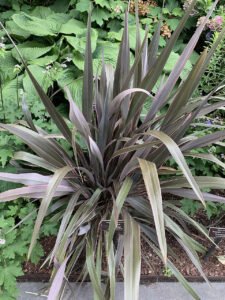
Sun gives good colour in many selections, while light shade can suit some. In colder districts, favour a sheltered sunny position. Check how the light moves across the proposed position, including shade cast by fences and nearby trees. The amount of direct sun at midday alone does not describe the whole growing site.
Use fertile soil with drainage and some moisture reserve. A plant can tolerate coastal exposure yet still struggle in cold saturated ground. Clear persistent weeds before planting. Working around established roots later is slower and risks damage, so this is a useful stage to deal with bindweed, couch grass or other unwanted growth.
Choose a genuinely compact form for a large stable pot. Heavy leaf growth can catch wind, and roots eventually fill the available compost. Make drainage holes accessible and allow water to escape freely. Check the pot after heavy rain as well as during dry weather; a blocked outlet can undo otherwise careful watering.
Keep leaf tips away from doorways and places where people brush past. Allow room to reach the base for removing old leaves. Leave practical access for inspection and maintenance. Think about the mature outline rather than filling every visible gap around a newly bought plant. Its neighbours will also be growing into the available space.
Photo: Michal Klajban, CC BY-SA 4.0. Resized and optimised; cropped for display. Adapted image under the same licence.
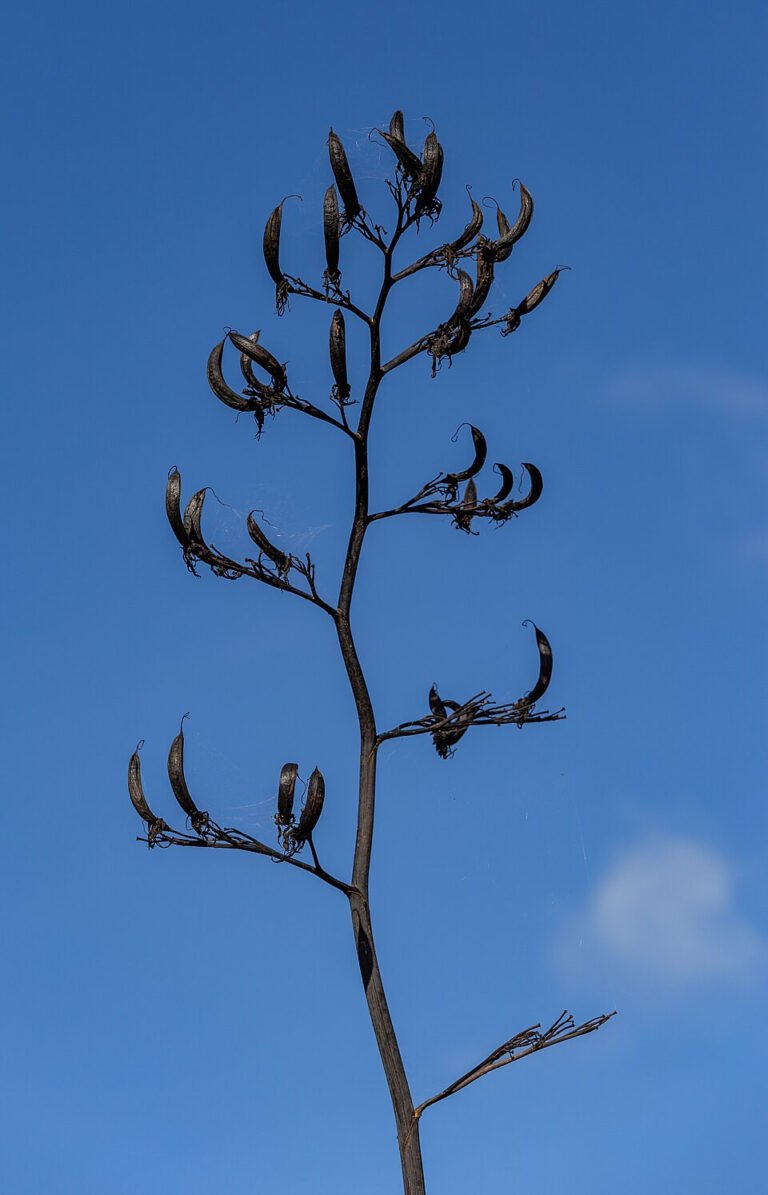
Choose the mature leaf size and hardiness first; flower colour is a secondary consideration. Prepare everything before removing plants from their pots or opening a seed packet, so roots and seedlings are not left exposed while you look for tools.
1.
Buy a labelled selection with clear height, spread and winter guidance rather than judging size from a young pot. Keep the label and record the planting date. That small record makes it much easier to understand differences in growth and to replace a successful selection accurately.
2.
Clear a broad area and assess drainage before planting a permanent clump. Avoid working saturated soil: squeezing and treading it while wet can leave a compacted planting area. Wait for a workable day if the surface smears rather than crumbles.
3.
Water the nursery pot and remove it carefully without pulling on the long leaves. Work with clean containers and fresh suitable compost where pots are involved. Reusing a container is fine after cleaning it, but a crust of old compost can conceal pests and obstruct drainage.
4.
Plant in spring when soil is workable and severe cold has eased. Use the forecast alongside the calendar. A warm afternoon does not cancel a cold night, and a printed month should never take priority over the conditions in your own garden.
5.
Set the crown at its previous level and allow its labelled spread, keeping the leaf bases above buried wet material. Work carefully rather than rushing to fill the space. Check the intended depth and spacing before finishing, because corrections are easier now than once growth is established.
6.
Backfill, firm and water in, with mulch around rather than into the central fans. Water gently enough to avoid washing compost away. If the surface settles, top it up to the intended level without burying the base more deeply than planned.
7.
Water during establishment and inspect after strong wind for rocking or damaged leaves. Look again after the first windy or very wet spell. A plant that has rocked loose or a newly exposed rootball needs attention before the problem becomes established.
8.
Note any winter damage and whether the clump’s growth still fits the available space. Review growth after a few weeks and adjust care to what you see. Regular observation is more useful than repeatedly adding fertiliser to a plant whose main problem is light, moisture or space.

Watering
Water young plants during dry spells until roots establish. Large leaves do not mean a newly planted rootball can supply itself without help.
Established ground grown clumps are less demanding, but pots need regular checks through summer. Keep drainage clear and avoid allowing the central crown or root area to sit in stagnant water.

Feeding
A modest spring mulch can support soil condition around border plants. Avoid piling compost into the leaf fans, where trapped wet material can encourage decay.
Container plants may need a balanced feed during active growth once compost nutrients decline. Follow the label; feeding will not correct a pot that has become too small or a site that is too wet.

Pruning
Remove dead or badly damaged leaves individually at the base using suitable clean tools. Wear gloves and protect eyes from long leaves while working within the clump.
Do not routinely shear the entire plant across the top. Cut leaf ends remain cut, and a blunt haircut spoils the natural outline. Remove spent flower stems when they are no longer wanted.

Winter care
Hardiness varies between species, cultivars and sites. Young plants, coloured selections and exposed containers may need shelter during severe cold, especially in northern or inland gardens.
Protect the crown and container appropriately without sealing the plant into a wet unventilated bundle. Check after storms and wait until damage is clear before removing large amounts of foliage.
Phormium forms fans of long tough strap leaves arising from the base. Some forms stand upright while others arch, and variegated selections add stripes or coloured margins.
It is not the fine stemmed flax grown for linen, and it is not a cordyline trunk with a leaf crown. The full botanical and cultivar name helps distinguish mature size and winter behaviour.
Photo: Avenue, CC BY-SA 3.0. Resized and optimised; cropped for display. Adapted image under the same licence.
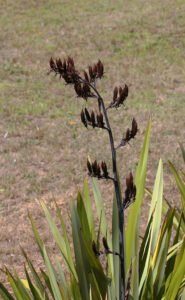
A mild coastal garden and an exposed inland site can give very different results with the same selection. Use local examples as evidence when choosing less hardy coloured forms.
Do not buy solely for flowers. Tall stems can be spectacular on mature plants, but flowering is irregular and may not occur every year.
If a clump outgrows its space, division or replacement is more useful than repeatedly chopping every leaf shorter. Plan the work for a suitable growing season.
Photo: Avenue, CC BY-SA 3.0. Resized and optimised; cropped for display. Adapted image under the same licence.
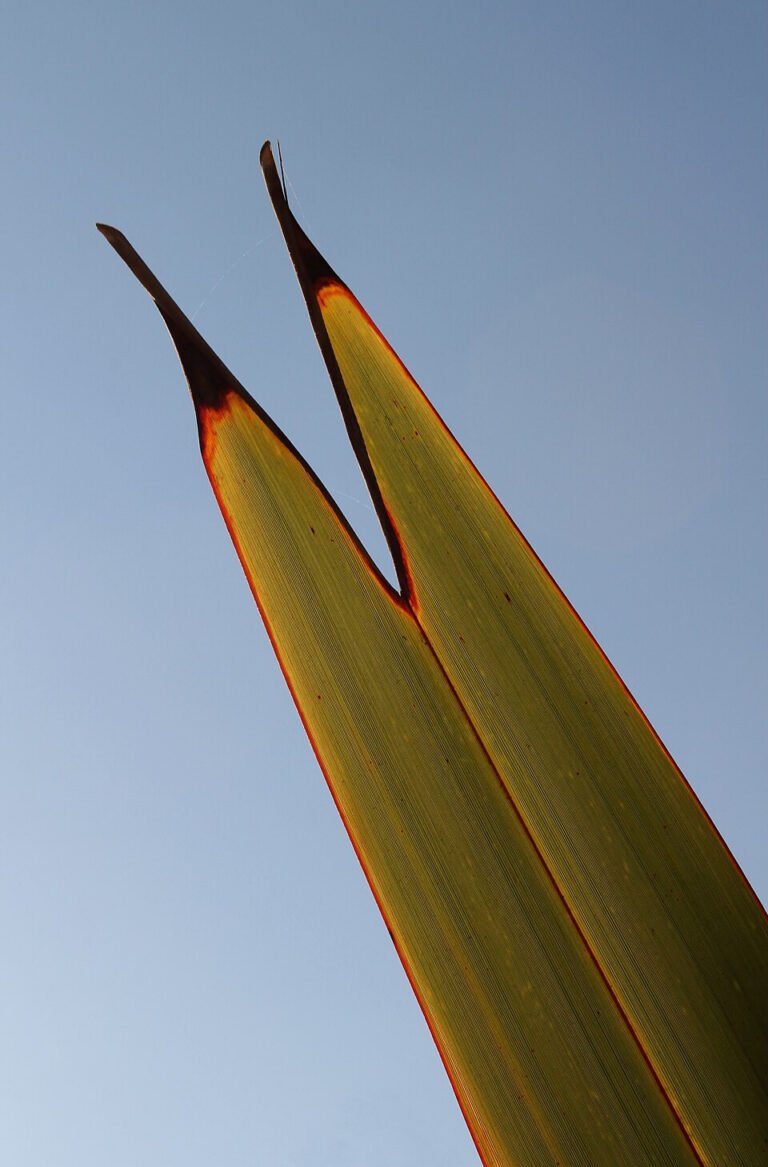
Wind, drought, cold or root stress may contribute. Check the whole plant and growing conditions before removing every marked leaf.
Persistent wet and trapped debris can encourage rot. Improve drainage and remove decaying material carefully.
Mature dimensions were underestimated. Divide or relocate when practical rather than shearing all leaves.
Inspect for mealybugs and confirm the cause. Isolate affected container plants while seeking an appropriate response.
A healthy young or established phormium may not flower annually. Judge it primarily by its foliage and overall vigour.
Divide a healthy established clump in spring, retaining sound roots and several fans on each section. Large plants are heavy and fibrous, so use suitable tools and help where needed.
Division retains a named selection’s characteristics. Seedlings may differ in leaf colour and habit, making seed less useful when you want to reproduce a particular variegated plant.

Large green forms
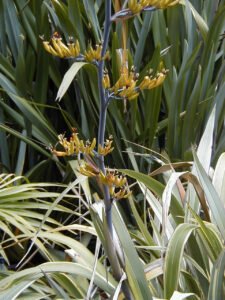
Phormium tenax can become a substantial architectural clump. Reserve it for a border that can accommodate long leaves and occasional tall flower stems.
Phormium tenax in its New Zealand landscape, identified in the source; this is not a UK garden.
Photo: Krzysztof Ziarnek, Kenraiz, CC BY-SA 4.0. Resized and optimised; cropped for display. Adapted image under the same licence.
Arching forms
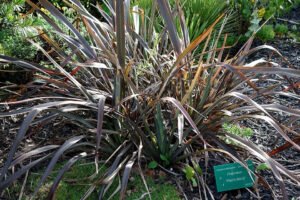
Plants with more relaxed leaves give a softer outline. Check the named selection rather than assuming every arching plant has the same size or hardiness.
Arching Phormium cookianum Tricolor foliage, identified in the source.
Photo: Cillas, CC BY-SA 4.0. Resized and optimised; cropped for display. Adapted image under the same licence.
Bronze and dark forms
Variegated compact forms
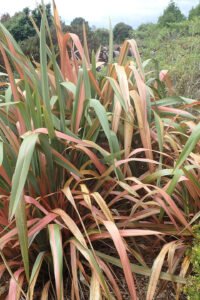
Striped smaller selections can suit large pots and tighter borders. Compact still means a growing clump, so leave enough room and renew container conditions as needed.
Striped Phormium Jester, identified in the source; final size still needs checking on the plant label.
Photo: Krzysztof Ziarnek, Kenraiz, CC BY-SA 4.0. Resized and optimised; cropped for display. Adapted image under the same licence.
Choose a labelled phormium by mature leaf size, colour and local hardiness. A plant that naturally fits its position is easier to maintain than one requiring constant cutting.
A mature clump offers shelter and structure, while flowers may be visited when produced. Do not rely on irregular flowering as the garden’s main seasonal resource.
Inspect the base for animals before removing old leaves or dividing a clump. Retain varied planting nearby so evergreen structure sits alongside useful flowers and habitat.
Published by Buy From Farmers Direct. Growing guidance reviewed 11 October 2026. The seasonal timeline uses the shared BFFD Growers Calendar record; adjust timings to your variety and local conditions.
Phormium retains its leaves through winter, though severe weather can damage them.
Usually no. Remove individual dead or damaged leaves at the base rather than shearing the whole plant.
A compact selection can, with a large stable container and regular watering.
Flowering depends on maturity and conditions and is not guaranteed every year.
No. Tolerance varies by selection, exposure and drainage, especially in containers.
Division retains its characteristics more reliably than seed.
Give phormium the space its leaves need and keep the crown well drained. Individual leaf care preserves the strong natural outline that makes it useful all year.
Explore more growing guides: Marguerite Daisy, Marigold, Miscanthus.
Want to get food independence, support your local grower, get better prices and shop more privately?
Local food isn’t just something you find. It’s something you protect. A free account helps keep local supply visible, supported, and resilient.

….it takes 30 seconds for food lovers and 5 minutes for suppliers
We built this for people who care where their food comes from. For people who want to remain food secure. For Farmers to get to the local people, who deserve a better income and to deliver a better price for you. For the environmentally conscious and the privacy-conscious. An account simply helps us make the map and supplier reach more useful to you, without changing how open it is. You’re always in control.


Find local food. Stay connected to it. Create a free account to support local producers and be part of a growing food network.


