Ornamental nicotiana adds star ended tubular flowers to summer borders, with some forms releasing their strongest scent in the evening. Compact bedding hybrids and tall airy species create very different displays. Choose for height and fragrance, raise plants under cover in spring and give them fertile soil that stays moist without becoming waterlogged.
Summer flowers
Many evening scented
Tall and compact forms
Plant after frost
Ornamental only
| Botanical name | Nicotiana alata and ornamental garden types |
| Family | Solanaceae |
| Plant type | Tender perennials and hybrids usually grown as annuals |
| Typical height | 30cm–1.5m or more, by selection |
| Typical spread | 30–60cm |
| Light | Sun; light shade for N. sylvestris |
| Soil | Fertile, moist but well drained |
| Main interest | Tubular summer flowers, often evening scented |
| Best starting point | Spring seed or young plants |
| Working spacing | Single 45cm, In row 45cm, Row gap 45cm |
| Common name | Flowering tobacco |
| Flowers | Long tubes opening into stars |
| Colours | White, green, pink, red and purple |
| Main flowering | Summer into autumn |
| Leaves | Often softly hairy or sticky |
| Scent | Varies; some strongest at night |
| Young plant risk | Slugs and snails |
| Tall plant need | Shelter or support |
| Winter route | Usually replace as annual bedding |
| Food use | Harmful if eaten; ornamental only |
| Plant name | Crop type | Spacing |
Sow indoors
Plant outdoors
Harvest
Polytunnel | |||||||||||
|---|---|---|---|---|---|---|---|---|---|---|---|---|---|---|
| Jan | Feb | Mar | Apr | May | Jun | Jul | Aug | Sep | Oct | Nov | Dec | |||
| Nicotiana | Not recorded | Single 45cm, In row 45cm, Row gap 45cm | No activity recorded | No activity recorded | Sow indoors, Polytunnel | Sow indoors, Polytunnel | Plant outdoors, Polytunnel | Plant outdoors | Harvest | Harvest | Harvest | No activity recorded | No activity recorded | No activity recorded |
Sow indoors: March, April. Plant outdoors: May, June. Harvest: July, August, September. Polytunnel: March, April, May.
March–April is a practical protected sowing window; follow the packet for the very fine seed’s light, depth and temperature requirements. Plant hardened young plants in May–June after the last frost. The cover band is for raising tender seedlings. July–September harvest means optional ornamental flower cutting, never food or tobacco processing. A 45cm spacing suits many medium and taller forms; compact bedding hybrids and large species need their own labelled spacing.
Choose nicotiana for a summer border, a scented evening seating area or a gap left by spring bulbs. Start with a realistic amount of space and a plant you can reach easily for routine care. A small, well placed group is easier to establish than a crowded display that needs constant correction.
Not every hybrid is strongly scented or opens only at night. Buy a named selection when fragrance is the main purpose. Look at the garden through the whole year before buying. Space that seems empty in spring may already belong to a neighbouring plant by midsummer, while the winter conditions can be very different from a sheltered shop display.
Photo: Swaminathan from Gurgaon, India, CC BY 2.0. Resized and optimised; cropped for display.
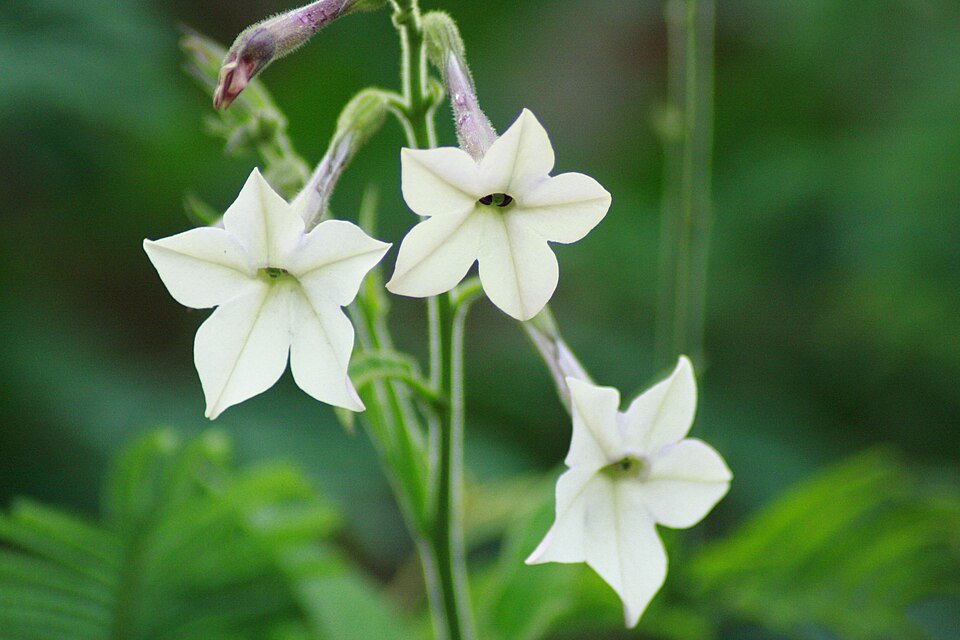
Most forms prefer sun and shelter. Nicotiana sylvestris can suit light or dappled shade, but deep shade reduces flowering. Check how the light moves across the proposed position, including shade cast by fences and nearby trees. The amount of direct sun at midday alone does not describe the whole growing site.
Prepare fertile soil with moisture retention and drainage. Very dry ground and stagnant wet soil both hinder growth. Clear persistent weeds before planting. Working around established roots later is slower and risks damage, so this is a useful stage to deal with bindweed, couch grass or other unwanted growth.
Compact forms are easiest in pots. Tall plants need a large stable container, extra water and a position protected from wind. Make drainage holes accessible and allow water to escape freely. Check the pot after heavy rain as well as during dry weather; a blocked outlet can undo otherwise careful watering.
Place tall species behind lower companions without allowing their broad basal leaves to smother small plants. Leave practical access for inspection and maintenance. Think about the mature outline rather than filling every visible gap around a newly bought plant. Its neighbours will also be growing into the available space.
Photo: Pancrat, CC BY-SA 3.0. Resized and optimised; cropped for display. Adapted image under the same licence.

Fine seed needs careful handling, while bought plugs need time to develop before outdoor planting. Prepare everything before removing plants from their pots or opening a seed packet, so roots and seedlings are not left exposed while you look for tools.
1.
Choose the exact species or hybrid for height, scent and flower colour. Keep the label and record the planting date. That small record makes it much easier to understand differences in growth and to replace a successful selection accurately.
2.
Prepare clean seed trays and a sheltered growing space, or a weed free planting bed. Avoid working saturated soil: squeezing and treading it while wet can leave a compacted planting area. Wait for a workable day if the surface smears rather than crumbles.
3.
Sow the fine seed according to its packet, taking care not to bury a light requiring seed too deeply. Work with clean containers and fresh suitable compost where pots are involved. Reusing a container is fine after cleaning it, but a crust of old compost can conceal pests and obstruct drainage.
4.
Grow seedlings on in good light and harden them off before planting outside after frost. Use the forecast alongside the calendar. A warm afternoon does not cancel a cold night, and a printed month should never take priority over the conditions in your own garden.
5.
Plant rooted young specimens at their previous depth with room for the broad leaves. Work carefully rather than rushing to fill the space. Check the intended depth and spacing before finishing, because corrections are easier now than once growth is established.
6.
Water in and fit discreet supports early for tall exposed plants. Water gently enough to avoid washing compost away. If the surface settles, top it up to the intended level without burying the base more deeply than planned.
7.
Inspect young growth for slug damage and keep moisture steady while roots establish. Look again after the first windy or very wet spell. A plant that has rocked loose or a newly exposed rootball needs attention before the problem becomes established.
8.
Check scent at the time of day you use the garden and note which forms suit that purpose. Review growth after a few weeks and adjust care to what you see. Regular observation is more useful than repeatedly adding fertiliser to a plant whose main problem is light, moisture or space.

Watering
Keep seedlings moist with gentle watering that does not wash fine seed or small roots out of place. Once planted out, check the rootball during dry weather until roots spread.
Established plants flower better with a steady water supply. Pots can dry rapidly under broad leaves, so check beneath the canopy and allow excess water to drain after a thorough watering.

Feeding
Well prepared fertile border soil is a useful foundation. Avoid trying to force tall weak growth with excessive nitrogen, especially where wind exposure is already a problem.
Container plants may need a flowering plant feed once compost nutrients decline. Follow the rate on the label and correct dry roots before feeding a wilted plant.

Pruning
Remove faded flowers if you want a tidy continuous display and less seed production. Handle the soft or sticky growth gently and wash hands after working.
Support tall stems before they lean badly, tying loosely. Remove damaged growth cleanly and avoid cutting away all the broad healthy leaves that support ongoing flowering.

Winter care
Most UK displays are replaced annually after frost. Some species may survive in very mild sheltered conditions, but this is not a dependable plan for every garden or hybrid.
Clear collapsed plants and compost healthy material. If keeping a tender specimen under cover, provide suitable light, ventilation and careful watering; do not assume an unheated tunnel stays frost free.
Ornamental nicotiana usually has tubular flowers opening into a star and leaves that may feel hairy or sticky. Plant size ranges from compact bedding mounds to tall branching stems.
This guide covers ornamental garden use. It does not recommend eating the plants or using them for smoking, and it does not apply every annual bedding instruction to woody tree tobacco.
Photo: la la means I love you, CC BY-SA 3.0. Resized and optimised; cropped for display. Adapted image under the same licence.
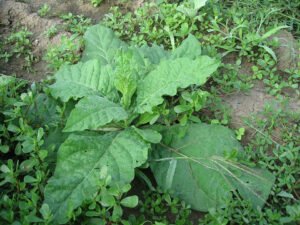
Choose tall forms for shelter as well as height. A wind exposed border can damage a plant just as it reaches its best flowering stage.
Evening fragrance is a reason to position suitable selections near a place used at dusk. Check the specific variety, because breeding for compactness and daytime colour can change scent.
Cut a few fresh stems for ornamental use if desired, keeping foliage out of vase water. Treat all cut material as ornamental and keep it away from food preparation.
Photo: PaleCloudedWhite, CC BY-SA 4.0. Resized and optimised; cropped for display. Adapted image under the same licence.
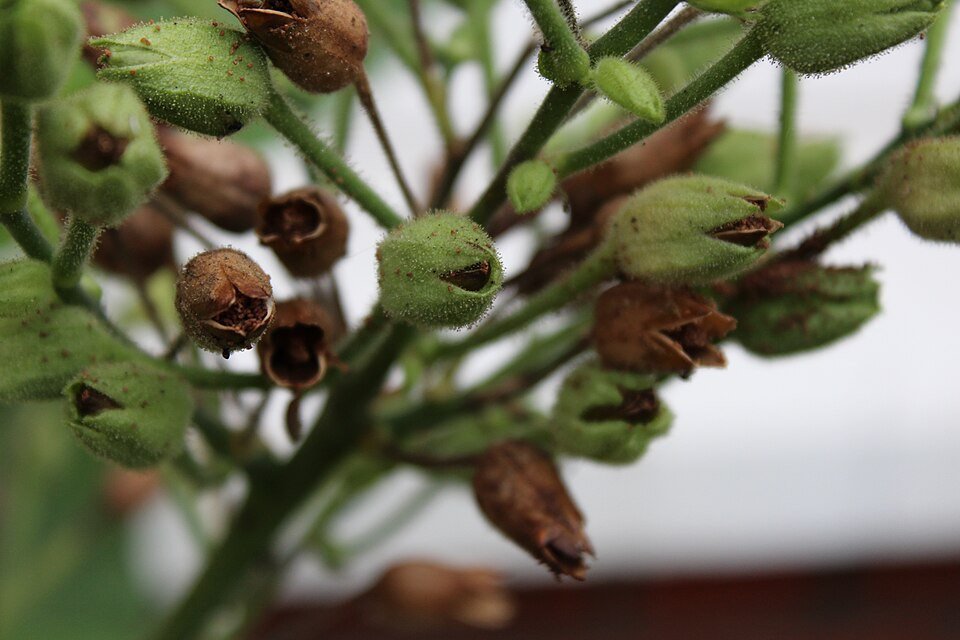
Sow thinly and give good light. Pot on before roots and leaves become a dense mat.
Slugs and snails can damage soft growth. Inspect after dark and protect the establishment stage.
Wind and late support are common causes. Support earlier and choose a more sheltered site.
Inspect new growth and remove small colonies gently, retaining beneficial insects where possible.
Check both drying and waterlogging. A wet rootball does not need another automatic watering.
Seed is the normal route for annual bedding displays. Follow the packet for surface sowing or light covering and suitable warmth, then move seedlings into good light promptly.
Named hybrids may not come true from saved seed. Buy fresh labelled seed or plants when exact habit and colour matter, and keep any collected ornamental seed clearly labelled.

Scented N. alata forms
These can provide fragrant evening flowers on taller plants. Check the label for height and scent rather than choosing from a generic photo alone.
Nicotiana alata, identified in the source.
Photo: Carl E Lewis, CC BY 2.0. Resized and optimised; cropped for display.

Compact bedding hybrids
Shorter hybrids fit pots and front edges. They offer strong colour but are not all equally fragrant.
Crimson Bedder nicotiana shown for comparison; the photograph does not verify a compact bedding hybrid.
Photo: scott.zona, CC BY 2.0. Resized and optimised; cropped for display.
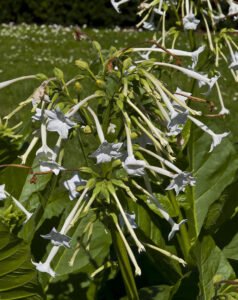
Woodland tobacco
Nicotiana sylvestris gives tall white tubular flowers above broad leaves and can suit light shade. It needs more space than a compact bedding plant.
Nicotiana sylvestris woodland tobacco, identified in the source.
Photo: Diego Delso, CC BY-SA 3.0. Resized and optimised; cropped for display. Adapted image under the same licence.
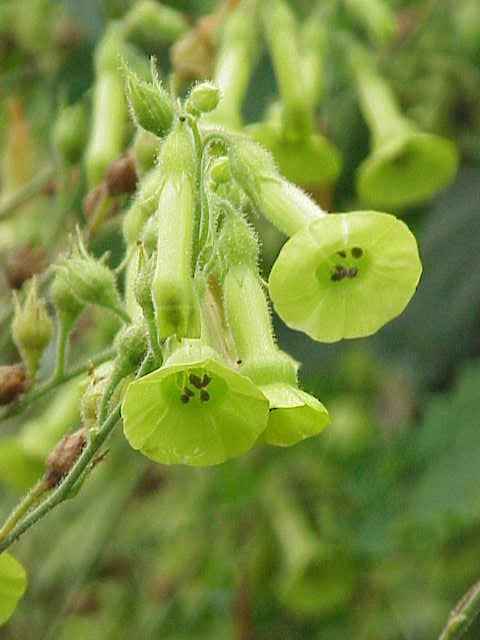
Green flowered choices
Selections and species with green flowers combine well with many border colours. Verify the plant’s name and size because green flowers occur on different nicotianas.
Green flowered Nicotiana langsdorffii, identified in the source.
Photo: Kurt Stueber, CC BY-SA 3.0. Resized and optimised; cropped for display. Adapted image under the same licence.
Choose nicotiana for the combination of height, scent and light conditions you can provide. Healthy young plants with space and steady moisture make the strongest display.
Evening scented tubular flowers can interest moths as well as other visitors. Include different flower forms and seasons nearby for a varied supply.
Avoid spraying blooms being visited by insects. Inspect damaged leaves before acting and tolerate minor feeding where the plant continues to grow well.
Published by Buy From Farmers Direct. Growing guidance reviewed 11 October 2026. The seasonal timeline uses the shared BFFD Growers Calendar record; adjust timings to your variety and local conditions.
Most ornamental displays are treated as tender annual bedding in the UK, though some species survive in very mild sites.
No. Fragrance varies by species and hybrid, so choose a named scented form.
After hardening off and the final local frost, usually late May or June.
N. sylvestris can suit light shade; most forms prefer sun. Deep shade gives poor flowering.
No. Treat nicotiana as an ornamental plant and do not eat any part.
They often benefit from shelter and early discreet support, especially in windy gardens.
Choose the right height and scent, then give nicotiana warmth, moisture and shelter. Its flowers can bring a different character to the garden as evening arrives.
Explore more growing guides: Marguerite Daisy, Marigold, Miscanthus.
Want to get food independence, support your local grower, get better prices and shop more privately?
Local food isn’t just something you find. It’s something you protect. A free account helps keep local supply visible, supported, and resilient.

….it takes 30 seconds for food lovers and 5 minutes for suppliers
We built this for people who care where their food comes from. For people who want to remain food secure. For Farmers to get to the local people, who deserve a better income and to deliver a better price for you. For the environmentally conscious and the privacy-conscious. An account simply helps us make the map and supplier reach more useful to you, without changing how open it is. You’re always in control.


Find local food. Stay connected to it. Create a free account to support local producers and be part of a growing food network.


