An orange tree can earn its place on a patio through fragrant blossom, glossy leaves and the possibility of home-grown fruit. In Britain, a container makes its seasonal moves practical. Match the pot to the rootball, keep drainage open and choose the winter home before buying the tree; steady care matters more than an impressive oversized tub.
Tender evergreen citrus
Named mature plants crop sooner
Bright winter accommodation
Small steps when repotting
Fruit ripens over many months
| Botanical identity | Citrus × sinensis; also classified in Citrus × aurantium Sweet Orange Group |
| Family | Rutaceae |
| Plant type | Evergreen shrub or small tree |
| UK growing method | Container with suitable winter accommodation |
| Height in a pot | Often maintained around 1–2m; stock and pruning matter |
| Natural potential | Larger than a typical container specimen |
| Light | Bright light and a sunny sheltered summer position |
| Winter conditions | Bright protected position; confirm cultivar minimum temperature |
| Compost | Free draining citrus or suitable loam based compost |
| Planting season | Spring repotting when needed |
| Container size | Only slightly larger than the rootball |
| Flowers | Fragrant white blooms |
| Pollination | Self-fertile; a second tree is unnecessary |
| Fruit development | Commonly takes many months, sometimes about a year |
| Harvest timing | Variable; no fixed UK outdoor harvest season |
| Watering | Thorough watering followed by free drainage |
| Feeding | Citrus fertiliser according to season and label |
| Pruning | Light shaping and removal of unwanted shoots |
| Starting plant | Named grafted nursery tree |
| Other orange names | Seville and calamondin are distinct citrus types |
| Plant name | Crop type | Spacing |
Sow indoors
Plant outdoors
Harvest
Polytunnel | |||||||||||
|---|---|---|---|---|---|---|---|---|---|---|---|---|---|---|
| Jan | Feb | Mar | Apr | May | Jun | Jul | Aug | Sep | Oct | Nov | Dec | |||
| Orange (Container Grown) | Not recorded | Allow about 100 to 150cm canopy room initially; expand with growth and keep access | Polytunnel | Polytunnel | Plant outdoors, Polytunnel | Plant outdoors, Polytunnel | Plant outdoors, Polytunnel | No activity recorded | No activity recorded | No activity recorded | No activity recorded | Polytunnel | Polytunnel | Polytunnel |
Sow indoors: no months recorded. Plant outdoors: March, April, May. Harvest: no months recorded. Polytunnel: January, February, March, April, May, October, November, December.
March to May is the spring repotting band, used only when roots need more space; it is not an instruction to plant a sweet orange outdoors permanently. The October to May protected band is a broad UK planning window that must extend whenever nights are unsuitable for the supplied tree. An unheated tunnel may freeze and is not automatically adequate. Harvest and sowing rows are empty: fruit ripening varies with cultivar and conditions, while a named nursery plant is the dependable route.
A potted orange works best when its care fits your routine: the container is reachable, water is available and a bright winter position is ready. Measure doorways and the storage space before buying a standard with a wide canopy. A tree that cannot be moved safely loses much of the practical advantage of container growing.
Choose a healthy named plant and ask about its rootstock and eventual vigour. A grafted nursery tree is more predictable than a seedling, but a small pot does not permanently dwarf a naturally vigorous tree. If summer watering would depend on occasional visits, arrange a dependable system before the canopy fills out.
Photo: Ellen Levy Finch ( Elf ), CC BY-SA 3.0. Resized and optimised; cropped for display. Adapted image under the same licence.
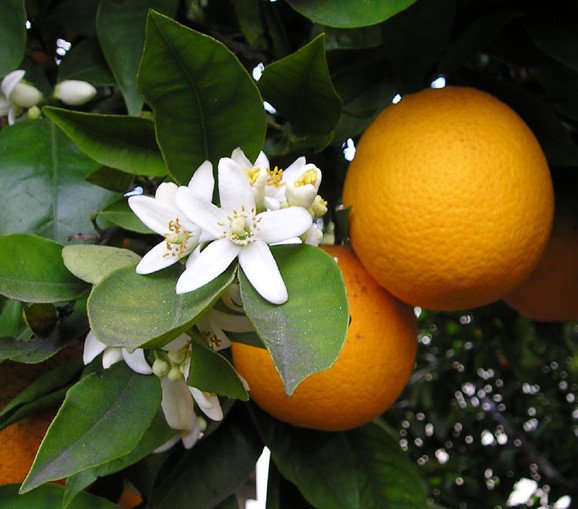
Start with the winter location, because it limits the size and shape you can manage. Measure light at the actual position, check the overnight minimum and keep the pot clear of radiators or cold doors. Confirm the supplied sweet orange’s requirements rather than borrowing a temperature figure from a different citrus.
For summer, choose a sheltered sunny place with a level firm base. Leave enough room to walk around the canopy and reach the compost surface. Avoid a position where a gust can tip a narrow pot or where falling fruit and drainage water will obstruct a busy route.
Use a pot with several unobstructed holes and a stable footprint. If it sits inside a decorative container, leave a way to check and empty retained water. A wheeled platform should carry the full wet weight safely and should not allow the pot to roll in wind.
Place the container where you can learn its drying pattern. Terracotta, plastic, wind exposure, canopy size and the amount of compost all affect demand. A spot under an overhang receives less rain, while a dense canopy can shed showers away from the rootball.
Photo: Syrio, CC BY-SA 4.0. Resized and optimised; cropped for display. Adapted image under the same licence.

Repot because the roots and watering pattern show a need, not because a calendar has reached spring. Keep the next container only modestly larger and have its final moving route ready before adding the extra weight.
1.
Record the cultivar, rootstock if supplied and nursery care instructions. Inspect the graft and check that new shoots belong to the fruiting top. Choose the tree for the available winter space as well as its current fruit display.
2.
Assess whether repotting is necessary. Roots filling the pot, increasingly rapid drying and poor water penetration are useful clues; a few roots visible at a hole do not by themselves justify an enormous new tub.
3.
Choose a slightly larger stable container and check every drainage opening. Set up its base or wheeled platform now, and confirm that the filled pot can still pass through the route to its winter position.
4.
Repot in spring during suitable growing conditions. Water beforehand so the rootball slides out more easily, support the stem and pot together, and avoid lifting a heavy tree by its branches.
5.
Use a suitable peat free citrus mix or loam based container compost with adequate drainage. Add fresh mix around the rootball rather than surrounding it with a large depth of wet material that roots cannot yet use.
6.
Keep the old surface level and graft visible. Firm the new compost gently around the sides, leave a watering rim and avoid burying the trunk to make a tall plant seem more stable.
7.
Water thoroughly, let it drain and check that the pot sits level. Adjust supports without constricting the trunk. Record the new pot size so future decisions are based on actual root development and moisture demand.
8.
Introduce the tree gradually to outdoor summer conditions when nights are suitable. Inspect the undersides of leaves before each seasonal move, and reverse the move before cold becomes damaging rather than waiting until the first frost warning.

Watering
Learn the difference between a dry surface and a dry rootball. Lift a manageable pot or compare its weight after drainage, and check compost below the surface. Water enough to moisten the root zone when needed, then allow surplus to escape instead of leaving the base standing in a saucer.
A pot under glass in winter dries differently from the same tree on a windy summer patio. Reduce watering as demand falls but keep checking, particularly near heating. If water runs around a shrunken rootball, rewet it gradually; a quick pour down the gap may leave the roots dry.

Feeding
The tree depends on the limited nutrient supply in its container. Follow a suitable citrus feed’s seasonal instructions after accounting for any fertiliser already in fresh compost. Measure the dilution rather than adding an unmeasured splash whenever leaves look pale.
Between repottings, refresh a shallow surface layer where this can be done without damaging roots. Keep the original planting level and do not bury the graft. If growth remains weak, inspect roots, drainage and light before increasing feed; a congested or saturated pot is a physical problem as well as a nutritional one.

Pruning
Maintain a canopy you can move through its winter doorway without stripping away every new shoot. Remove dead or damaged growth and selectively shorten awkward branches, usually in late winter. Leave enough healthy leaf area to support roots and fruit instead of repeatedly clipping the whole outline.
Trace vigorous shoots to their origin and remove rootstock growth below the graft. Wear gloves around thorns. If the tree sets more fruit than its small canopy can support, reduce the load rather than letting branches bend while an undersized root system tries to maintain everything.

Winter care
Move the pot into its prepared bright position before nights become unsuitable for the supplied tree. Check temperature at canopy and root level, away from the warmer part of the room. A frost-free label on a building is not a substitute for measuring its coldest overnight conditions.
Keep space around the canopy for ventilation and inspection. Empty decorative pots after watering and watch for mites, scale insects and mealybugs in sheltered conditions. Continue modest moisture checks and the feed routine appropriate to the product and growth, rather than treating an evergreen tree as a dry dormant bulb.
A container orange has the same glossy foliage, white flowers and slowly ripening fruit as its ground-grown relatives. Its pot and pruning history affect size, so a compact outline is not evidence of a naturally dwarf cultivar. Keep the supplied label with the tree.
Locate the graft before repotting or pruning and keep it above the compost. Any shoot arising below that join belongs to the rootstock. A replacement label should record the cultivar and stock where known, rather than simply calling every small citrus an orange.
Photo: Syrio, CC BY-SA 4.0. Resized and optimised; cropped for display. Adapted image under the same licence.
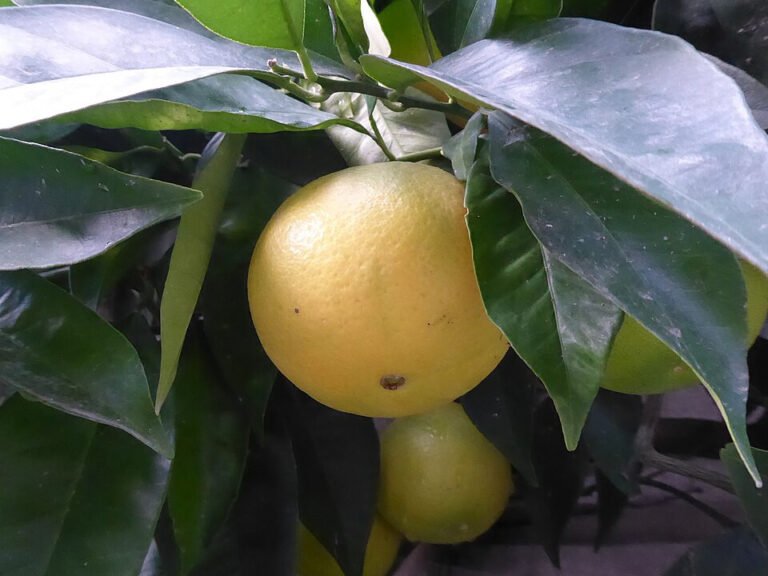
In cooler districts, the outdoor season may be short and a bright protected growing space may produce steadier results. Avoid repeated moves in and out whenever the weather changes for a single day. Plan a gradual seasonal transition and adjust it to actual night temperatures.
The crop develops over many months while the tree changes location. Keep fruit attached through those moves, supporting the pot and trunk rather than pulling branches. A tree bought already in fruit may finish a nursery-started crop before its first complete home-grown cycle.
Check individual fruit for full development, colour and flavour before picking the whole crop. Cut with a short stem and handle gently. Do not compensate for slow ripening by drying the pot out or adding strong feed; warmth, light, cultivar and time govern the result.
Photo: Syrio, CC BY-SA 4.0. Resized and optimised; cropped for display. Adapted image under the same licence.
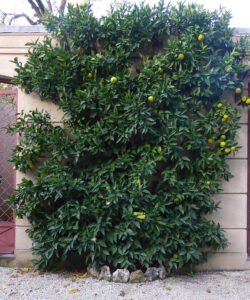
Review moisture, drainage, recent moves and overnight temperatures together. Inspect for pests and check whether the rootball remains wet. A few old leaves may fall naturally, but rapid widespread loss calls for correcting conditions before adding more feed.
A young seedling may remain unproductive for years. Poor light, repeated hard clipping and unsuitable conditions also limit flowering. Choose a mature named tree, retain healthy new growth and assess its growing space rather than expecting fertiliser alone to induce a crop.
Some thinning is natural, especially when a small tree sets many fruitlets. Drought, cold changes and dry air can increase losses. Keep care steady and reduce an excessive crop; do not assume every fallen flower means another tree is needed.
Scale insects and mealybugs are frequent protected-crop problems. Check stems and leaf undersides, identify the pest and choose management suitable for edible citrus. Inspect neighbouring plants and avoid applying a general ornamental treatment without checking its permitted use.
Glasshouse red spider mites favour hot dry conditions. Examine leaf undersides and review ventilation and humidity. A suitable biological control may help in a managed greenhouse, but choose it for the actual pest and temperature conditions rather than releasing it blindly.
For a productive container, start with a named grafted nursery plant on a suitable rootstock. The supplied combination influences vigour and cropping, but it still needs adequate root room. Ask a citrus specialist about replacements rather than assuming any seedling will remain compact in the same pot.
Cuttings may preserve a cultivar if they root successfully, but the new plant will grow on its own roots and may behave differently from the grafted parent. Seed is a long separate experiment. Neither method is a quick way to replace a mature container tree with predictable fruiting performance.
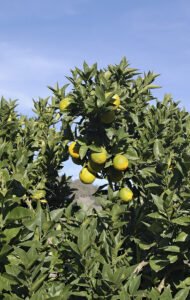
Valencia
A familiar sweet orange associated with juicy fruit and a relatively long development period. In a UK container, protected light and warmth determine how well the crop finishes. Overseas harvest dates should not be copied directly to a British patio calendar.
Sweet orange photograph; the Valencia cultivar is not verified.
Photo: Luis Fernández García, CC BY-SA 2.5 es. Resized and optimised; cropped for display. Adapted image under the same licence.

Washington Navel
A navel orange grown for eating fresh. The small secondary fruit at the blossom end gives the type its name. Confirm the exact nursery selection and winter requirements, rather than choosing solely from a photograph of ripe fruit.
Sweet orange tree at Kew Gardens; Washington Navel identity is not verified.
Photo: Emőke Dénes, CC BY-SA 4.0. Resized and optimised; cropped for display. Adapted image under the same licence.
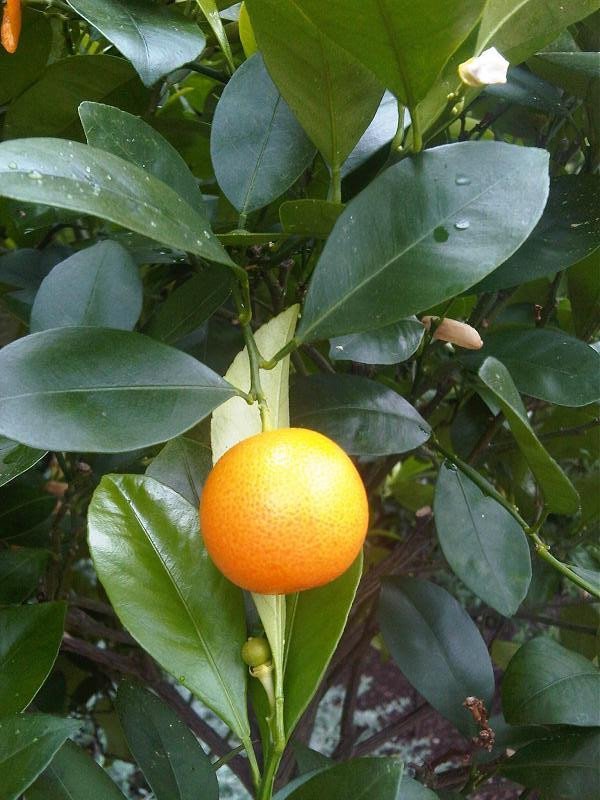
Navelina
Another named navel selection to compare with a specialist. Descriptions of early maturity refer to particular growing climates; a UK tree still needs enough warmth and time. Select a plant of manageable size for its winter home.
Sweet orange fruit at Kew Gardens; Navelina identity is not verified.
Photo: Emőke Dénes, CC BY-SA 4.0. Resized and optimised; cropped for display. Adapted image under the same licence.
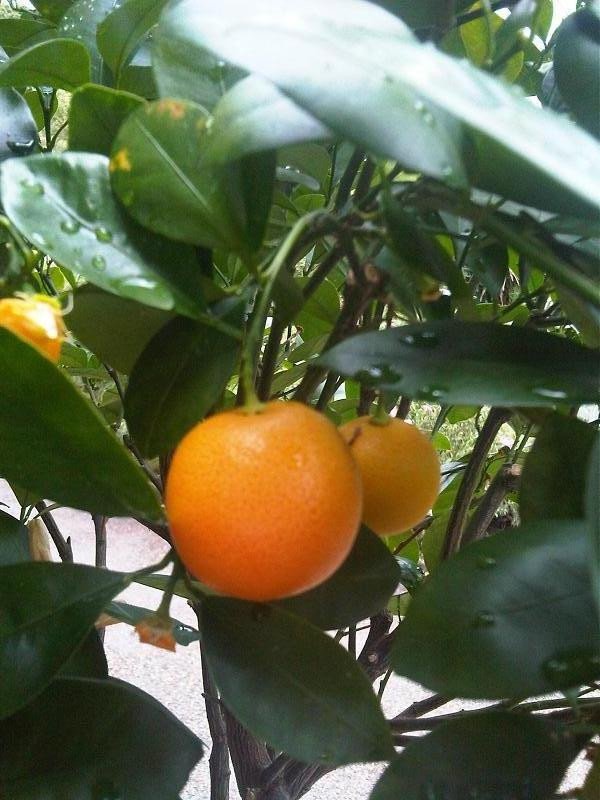
Sanguinelli
A blood orange selection whose flesh colour and flavour depend on the growing conditions as well as the cultivar. It is an interesting protected-crop choice, but do not promise Mediterranean colouring from every cool UK season.
Sweet orange comparison photograph; this is not a verified Sanguinelli blood orange.
Photo: Emőke Dénes, CC BY-SA 4.0. Resized and optimised; cropped for display. Adapted image under the same licence.
Choose a manageable named orange, a stable pot only modestly larger than its rootball and a bright winter space that you can actually reach. Plan watering and safe movement before choosing the final container, then increase root room as the tree needs it.
A potted tree can provide flowers for visiting insects when outdoors or when a protected space is open in suitable weather. Keep that access compatible with the tree’s temperature needs. A second orange is unnecessary for self-fertile sweet oranges, so avoid overcrowding a winter space in pursuit of a pollination partner.
Inspect a container tree closely before bringing it among other protected plants. Target confirmed pests and retain useful predators where practical. Avoid routine spraying over open flowers; stable watering, adequate spacing and regular inspection make pest problems easier to notice early.
Published by Buy From Farmers Direct. Growing guidance reviewed 11 October 2026. The seasonal timeline uses the shared BFFD Growers Calendar record; adjust timings to your variety and local conditions.
Only if its roots need more room or the container has a real drainage problem. A recently supplied plant can often stay in its nursery pot initially. When needed, repot in spring one modest size up.
Choose a stable drained container only slightly larger than the existing rootball when repotting is needed. A huge tub of wet compost can create root problems. Increase size gradually as the roots fill their space.
No. Sweet oranges are self-fertile. A mature plant, adequate light, steady care and suitable temperatures matter more than adding a second tree.
Fruit often takes nine to twelve months, sometimes longer in UK conditions. Cultivar and the growing space affect timing, so the guide does not assign a fixed harvest month. Sample fully developed fruit before picking the whole crop.
No. Calamondins are a different citrus with small sharp fruit and their own winter needs. Seville oranges are also distinct. Keep the botanical and cultivar label so care and kitchen expectations match the plant.
A sudden change in light, temperature, humidity or watering can stress it. Check the rootball and the new growing position, avoid cold draughts and inspect for pests. Keep conditions stable instead of moving it repeatedly between extremes.
Let the rootball determine pot size, let measured conditions determine seasonal moves and make watering convenient. That practical setup gives a container orange the steady care it needs over its long fruiting cycle.
Want to get food independence, support your local grower, get better prices and shop more privately?
Local food isn’t just something you find. It’s something you protect. A free account helps keep local supply visible, supported, and resilient.

….it takes 30 seconds for food lovers and 5 minutes for suppliers
We built this for people who care where their food comes from. For people who want to remain food secure. For Farmers to get to the local people, who deserve a better income and to deliver a better price for you. For the environmentally conscious and the privacy-conscious. An account simply helps us make the map and supplier reach more useful to you, without changing how open it is. You’re always in control.


Find local food. Stay connected to it. Create a free account to support local producers and be part of a growing food network.


