Spirea, botanically Spiraea, includes deciduous shrubs with white or pink flowers and, in some selections, colourful young leaves. The most useful care distinction is flowering time: spring flowering kinds bloom on older shoots, while many summer flowering Japanese spireas bloom on new growth. Identify your plant before pruning so a tidy up does not remove the display you wanted.
Deciduous flowering shrub
Sun or light partial shade
Choose the mature size
Pruning depends on flowering time
Usually straightforward in suitable soil
| Botanical genus | Spiraea |
| Common spelling | Spirea |
| Family | Rosaceae |
| Plant type | Deciduous shrub |
| Typical height | About 0.5 to 2.5m, type dependent |
| Growth habit | Compact mound or arching shrub by type |
| Spring flowering example | Spiraea Arguta |
| Summer flowering example | Spiraea japonica |
| Flower colours | White or pink |
| Foliage | Green, gold or bronze toned by cultivar |
| Light | Sun or light partial shade |
| Soil | Moderately fertile and well drained |
| Moisture | Avoid prolonged drought during establishment |
| Main planting | Spring or autumn |
| Spring type pruning | After flowering when shaping is needed |
| Summer type pruning | Late winter or early spring as appropriate |
| Feeding | Usually modest |
| Propagation | Softwood or semi ripe cuttings |
| Wildlife | Open flowers attract insects |
| Harvest | No routine harvest shown |
| Plant name | Crop type | Spacing |
Sow indoors
Plant outdoors
Harvest
Polytunnel | |||||||||||
|---|---|---|---|---|---|---|---|---|---|---|---|---|---|---|
| Jan | Feb | Mar | Apr | May | Jun | Jul | Aug | Sep | Oct | Nov | Dec | |||
| Spirea | Not recorded | Single 100cm, In row 100cm, Row gap 100cm | No activity recorded | No activity recorded | Plant outdoors | Plant outdoors | No activity recorded | No activity recorded | No activity recorded | No activity recorded | Plant outdoors | Plant outdoors | Plant outdoors | No activity recorded |
Sow indoors: no months recorded. Plant outdoors: March, April, September, October, November. Harvest: no months recorded. Polytunnel: no months recorded.
March to April and September to November are useful planting months for container grown spireas in workable ground. Planting outside these bands is possible with suitable aftercare. Sowing, harvest and polytunnel bands are empty because labelled plants or cuttings are the practical routes and flowers are primarily a garden display. Pruning has no universal month: spring bloomers are usually shaped after flowering, while summer flowering S. japonica is usually pruned before spring growth. The species overrides a generic shrub calendar.
Spirea suits a mixed border, an informal flowering hedge or a small specimen position, depending on the type. Compact Japanese selections fit modest spaces, while arching white flowered shrubs need more room for their natural outline.
It is a useful choice if you want a deciduous shrub with manageable routine care, but not if you need an evergreen screen. Match the mature spread to the site rather than repeatedly clipping a large arching plant into a small ball.
Photo: Bryan Connolly, CC BY 4.0. Resized and optimised; cropped for display.
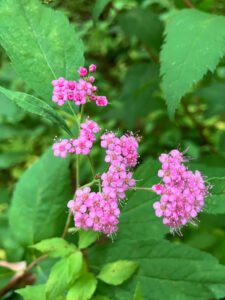
Choose good light for plentiful flowers and strong foliage colour. Light partial shade is acceptable for many types, but deep shade reduces the display. A gold leafed selection may appreciate protection from a particularly harsh hot exposure.
Use ordinary moderately fertile soil that drains after rain. Improve poor ground with mature organic matter where needed, without creating an overly rich isolated hole. Avoid areas that remain saturated through winter or become severely compacted by foot traffic.
Leave space for the selected habit. An arching spring spirea needs room beside and above its centre, whereas a compact S. japonica forms a lower mound. Check neighbouring plants' growth so the shrub is not shaded within a few seasons.
Pots suit compact selections better than vigorous large shrubs. Use drainage holes, a suitable peat free compost and enough root volume. Container plants depend on continued water and nutrition, even when the same cultivar is easy in open ground.
Photo: Hannah Jones, CC BY 4.0. Resized and optimised; cropped for display.
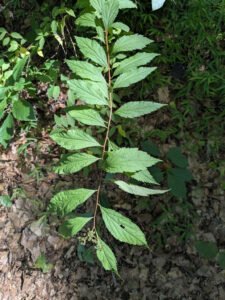
Start with the right plant and prepare its growing space before planting.
1.
Choose a named species or cultivar and record its flowering season. This is essential information for later pruning, not just a decorative detail. Check the mature height and spread alongside flower and leaf colour before buying.
2.
Select healthy potted stock with sound roots and balanced growth. Avoid plants showing extensive dieback or roots in persistently sour wet compost.
3.
Plant mainly in spring or autumn while soil is workable. Delay if frozen or saturated, and provide careful watering for summer planting. On exposed sites, choose a calm day so newly handled roots and shoots are not dried by wind.
4.
Clear perennial weeds over a generous area and loosen compacted soil. Set the pot in place to judge its future footprint. Keep larger arching types back from narrow paths where their branches would otherwise need repeated cutting.
5.
Water the rootball before removing the pot and ease congested outer roots gently. Dig a broad enough hole and set the old compost surface level with the ground. Do not bury the shrub's woody stem bases deeply.
6.
Refill with prepared soil, firm gently and water thoroughly. Apply a suitable mulch if helpful, keeping it clear of the stems. The mulch should conserve root moisture rather than hide a badly planted crown beneath a mound.
7.
Space separate compact Japanese spireas around 60 to 90cm apart where their stated size permits. Larger spring flowering kinds may need 1.5 to 2.5m or more. The calendar's spacing is an example for medium shrubs, not a rule for every type.
8.
Check moisture and weeds during establishment and let the framework settle. Watch its first flowering season before making major cuts if the label is unclear.

Watering
Water newly planted shrubs during dry spells until roots establish. Check the original rootball, which may dry differently from surrounding soil. A thorough soak when needed is more effective than a light spray over the leaves each day.
Established plants usually need less attention, though prolonged drought can reduce flowering and scorch foliage. Containers remain dependent on regular checks. If a shrub wilts while soil is saturated, investigate root damage instead of adding more water.

Feeding
Many spireas grow well without routine feeding in suitable garden soil. A modest spring mulch improves the rooting environment and suppresses weeds. Avoid strong repeated nitrogen feeding, which encourages soft growth and can make the shrub less compact.
For pots, use an appropriate feed once the compost's initial nutrients are used and refresh compost when needed. Follow the product label. Poor growth in deep shade or waterlogged soil is not a problem that extra fertiliser will reliably solve.

Pruning
Prune spring flowering kinds after their flowers fade, removing selected older or badly placed stems while retaining a natural framework. Cutting them hard before flowering removes buds formed on older growth. Avoid turning an arching shrub into a repeatedly sheared dense shell.
Summer flowering Japanese spireas usually respond to pruning in late winter or early spring before new growth. Remove weak or congested stems and reduce the framework according to the cultivar and desired size. Confirm the plant's identity before applying this treatment.

Winter care
Most familiar garden spireas are hardy outdoors in suitable UK soil and need no routine cover. Their leafless winter appearance is normal. Keep drainage clear and avoid piling damp mulch against the stem bases of young plants.
Shelter containers from severe exposure and inspect them during dry winter weather. Do not use a winter tidy up to prune unidentified spring bloomers indiscriminately. Wait until their identity or flowering habit is established before removing potential flower buds.
Spireas have simple leaves on woody deciduous stems and clusters of small five petalled flowers. Some make flat pink flower heads over compact mounds, while others carry masses of white flowers along arching branches. These different forms imply different space needs.
Astilbe is sometimes called false spirea, but it is a different herbaceous perennial with different soil preferences. The shrub in this guide is Spiraea. A botanical label is especially useful when buying a plant that is not currently flowering.
Photo: peakaytea, CC0 1.0. Resized and optimised; cropped for display.
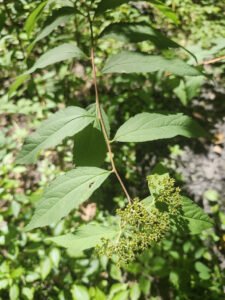
Flowering dates shift with weather and region, so prune by the plant's stage as well as the month. An early southern spring display may finish while a colder garden's plant is still in bud. Observe before cutting.
In mixed borders, combine spring and summer flowering types where space allows, rather than expecting one shrub to bloom continuously. Golden foliage selections add interest outside the flower season. Leave enough mature room so contrasting forms remain visible.
Before working on a dense shrub or hedge, check for active bird nests and delay disturbance if necessary. Keep cuts clean and tools suitable for stem size. Modest annual attention is easier than repeatedly correcting an overgrown unsuitable planting.
Photo: James Weaver, CC BY 4.0. Resized and optimised; cropped for display.
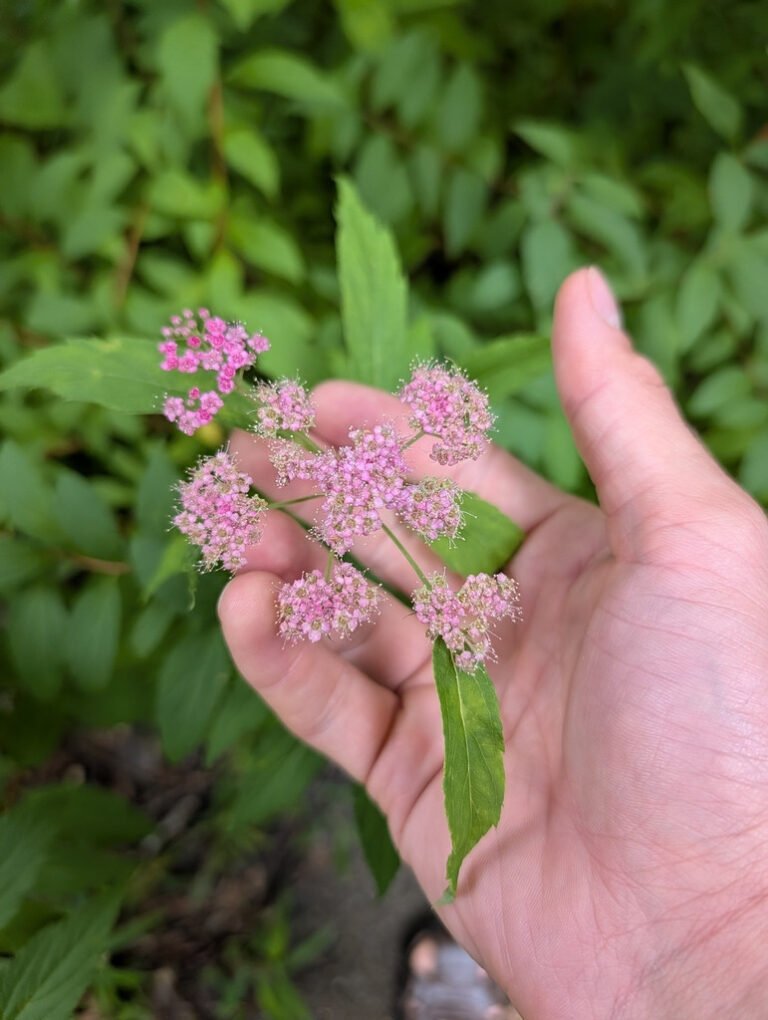
The shrub may have been cut at the wrong time. Spring flowering kinds carry buds on older shoots, while many summer types flower on new growth. Identify the species and adjust pruning rather than applying one annual date to all.
Small colonies are often controlled by predators and may be tolerated. Inspect the effect on growth before acting. Strong feeding can encourage soft susceptible shoots, so keep nutrition proportionate to the plant's needs.
Powdery mildew is more likely on stressed or crowded growth. Improve air movement and maintain establishment moisture during drought. Remove badly affected fallen material where useful, but avoid unnecessary treatment of a minor cosmetic problem.
Drought, hot wind and very exposed positions can damage foliage, particularly on pale selections. Check root moisture and site suitability. Established damaged leaves will not turn green again, but later growth may remain healthy.
Repeated surface clipping can produce a dense shell with weak inner growth. Thin selected stems according to the flowering group and allow a more natural outline. Consider renovation only after confirming how the particular spirea responds.
Softwood cuttings from healthy young growth in late spring or early summer can preserve a named cultivar. Use a suitable free draining rooting medium, maintain humidity and ventilate. Keep cuttings labelled so similar foliage selections are not mixed.
Semi ripe cuttings later in summer are another route for suitable types. Some suckering species can be increased from rooted pieces, but do not assume every cultivar behaves that way. Seed introduces variation and is not the usual method for copying named plants.
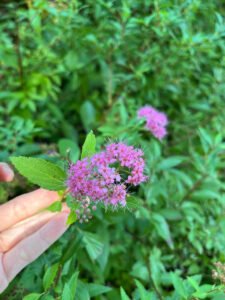
Goldflame
A Spiraea japonica selection with changing bronze and golden foliage and pink summer flowers. Its compact habit still needs appropriate space, and pruning follows the summer flowering group.
Japanese spirea species photograph; Goldflame cultivar identity is not authenticated.
Photo: Frédérique, CC BY 4.0. Resized and optimised; cropped for display.
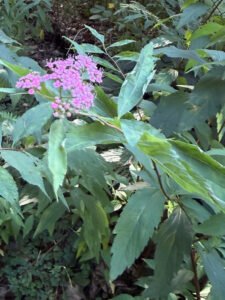
Little Princess
A smaller Japanese spirea with pink summer flowers, useful near the front of a shrub border. Check the supplier's eventual spread before choosing it for a container or low hedge.
Japanese spirea species photograph; Little Princess cultivar identity is not authenticated.
Photo: Petr Harant, CC BY 4.0. Resized and optimised; cropped for display.
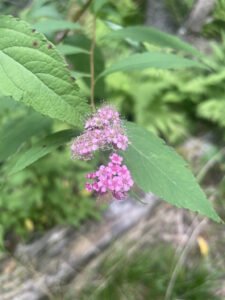
Arguta
An arching white spring flowering spirea with a larger outline than many Japanese selections. Preserve its graceful branches and prune after flowering when shaping or renewal is needed.
Pink Japanese spirea shown for comparison. Arguta bears white spring flowers.
Photo: lengthofcordage, CC BY 4.0. Resized and optimised; cropped for display.
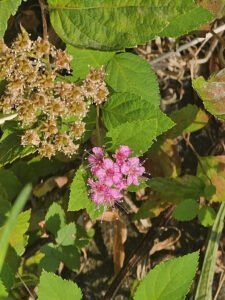
Snowmound
A Spiraea nipponica selection with white flowers and a substantial rounded or arching habit. Its older flowering framework should not be given an indiscriminate hard early spring cut.
Pink Japanese spirea shown for comparison. Snowmound belongs to the white flowering Spiraea nipponica group.
Photo: M. B., CC0 1.0. Resized and optimised; cropped for display.
Choose spirea by flowering season, mature habit and foliage colour. Keep the label so future pruning follows the correct plant group.
Open spirea flowers attract bees and other insects when they are in bloom. Include plants with other flowering seasons nearby so food is available beyond the shrub's display. Avoid unnecessary treatment of flowers being visited by pollinators.
A mature framework supplies cover for small wildlife and can hold nests. Check before pruning, tolerate minor leaf feeding and retain a varied border. A closely clipped monoculture offers fewer opportunities than several suitable shrubs with different habits and seasons.
Published by Buy From Farmers Direct. Growing guidance reviewed 11 October 2026. The seasonal timeline uses the shared BFFD Growers Calendar record; adjust timings to your variety and local conditions.
Identify its flowering group first. Spring bloomers are usually pruned after flowering; many summer flowering Japanese spireas are pruned in late winter or early spring.
The familiar Spiraea shrubs in this guide are deciduous and lose their leaves seasonally. Winter bare branches are normal.
Light partial shade can work, but good light usually gives more flowers and stronger coloured foliage. Deep shade is less suitable.
Choose a genuinely compact cultivar with a stated mature spread that fits. Do not assume every white flowered arching species remains small.
No. Astilbe is often called false spirea and is a different herbaceous plant. Check the botanical name before applying this guide.
Wrong pruning time, shade, drought or young age may be involved. Review the plant's identity and recent care before feeding heavily.
Give spirea enough light and space, then prune according to the wood that carries its flowers. Correct identification turns a varied group of shrubs into straightforward, dependable border choices.
Want to get food independence, support your local grower, get better prices and shop more privately?
Local food isn’t just something you find. It’s something you protect. A free account helps keep local supply visible, supported, and resilient.

….it takes 30 seconds for food lovers and 5 minutes for suppliers
We built this for people who care where their food comes from. For people who want to remain food secure. For Farmers to get to the local people, who deserve a better income and to deliver a better price for you. For the environmentally conscious and the privacy-conscious. An account simply helps us make the map and supplier reach more useful to you, without changing how open it is. You’re always in control.


Find local food. Stay connected to it. Create a free account to support local producers and be part of a growing food network.


