A small patch of wheat shows the whole journey from a grain to a seed head. It suits a learning project, a decorative cereal patch or a modest grain harvest. Choose known seed for the right season: winter and spring wheat have different needs, and growing grain is only the first part of preparing it for food.
Hardy annual cereal
Choose spring or winter seed
Full sun and open ground
Allow time for grain drying
Small plots give modest harvests
| Botanical name | Triticum aestivum, common bread wheat |
| Family | Poaceae, the grass family |
| Plant type | Annual cereal |
| Main harvest | Mature grain in the ears |
| Other useful material | Straw after grain harvest |
| Position | Full sun |
| Soil | Fertile, moisture retentive and well drained |
| Typical height | Often around 1 to 1.5m; cultivar makes a large difference |
| Spring seed season | Usually March to April, following supplier advice |
| Winter seed season | Usually late September to November |
| Winter wheat requirement | Enough cold exposure for normal flowering |
| Sowing method | Direct sow into a prepared seedbed |
| Sowing depth | Around 4cm in ordinary conditions |
| Small plot method | Two seeds per carefully spaced hole |
| Spring hole spacing | About 15cm each way for the described hand-sown method |
| Winter hole spacing | About 15cm by 25cm for the described hand-sown method |
| Container role | A demonstration crop rather than a large grain supply |
| Container depth | At least about 25cm, with drainage |
| Typical harvest season | Late July to September, according to crop and weather |
| After harvest | Dry, thresh and clean grain before suitable storage or milling |
| Plant name | Crop type | Spacing |
Sow indoors
Plant outdoors
Harvest
Polytunnel | |||||||||||
|---|---|---|---|---|---|---|---|---|---|---|---|---|---|---|
| Jan | Feb | Mar | Apr | May | Jun | Jul | Aug | Sep | Oct | Nov | Dec | |||
| Wheat | Grains | Hand sowing: spring holes 15cm each way; winter 15cm by 25cm, two seeds per hole; follow variety advice | No activity recorded | No activity recorded | Sow indoors | Sow indoors | No activity recorded | No activity recorded | Harvest | Harvest | Sow indoors, Harvest | Sow indoors | Sow indoors | No activity recorded |
Sow indoors: March, April, September, October, November. Plant outdoors: no months recorded. Harvest: July, August, September. Polytunnel: no months recorded.
March and April sowing is for an appropriate spring variety; September to November is for winter wheat, usually from late September. These are separate crop choices, not interchangeable dates for every seed packet. July to September harvest covers both routes and local weather differences. The empty transplanting and tunnel rows reflect direct outdoor sowing. Drying and grain preparation continue after cutting.
Wheat is rewarding if you want to understand cereal growth or try a small harvest by hand. Even a modest bed lets you watch seedlings produce extra stems, flower and fill their ears with grain.
It is not the quickest way to obtain a large amount of flour. Allow space for the standing crop and a dry, ventilated place for the harvest. A container is useful for observation, with only a small yield.
Photo: Dietmar Rabich, CC BY-SA 4.0. Resized and optimised; cropped for display. Haltern am See, Naturpark Hohe Mark, Weizenfeld — 2024 — 4442.jpg — Dietmar Rabich, CC BY-SA 4.0. Display copy resized by BFFD.

Choose an open sunny bed with reasonable shelter from severe wind. Shade reduces growth, while a wind funnel increases the chance that tall stems fall over as their ears become heavy.
Use firm, well drained soil with some moisture holding capacity. Avoid waterlogged hollows, persistent grass weeds and a very loose bed of fresh potting compost.
Rotate cereals with different crop families rather than repeatedly sowing wheat in the same patch. Remove volunteer cereal plants and grass weeds that compete with the new crop.
For a demonstration pot, use a stable drained container at least about 25cm deep with a soil based growing medium. Keep it outdoors in good light and allow room for mature height.
Image from the BFFD media library.
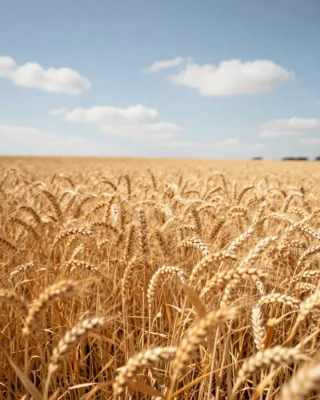
Obtain clearly labelled, healthy seed of a known spring or winter bread wheat. Ask the supplier about local suitability, spacing and whether the seed has been treated.
1.
Choose the purpose and season first. For a simple spring project, obtain spring wheat; do not assume an unnamed grain from a food packet will match the intended calendar.
2.
Clear perennial weeds and prepare a level, reasonably fine seedbed. Work only when soil is fit, avoiding smearing wet ground or leaving large air gaps around seed.
3.
For the hand-sown small plot method, mark holes about 15cm apart each way for spring wheat, or 15cm by 25cm for winter wheat. Adjust for supplier guidance and variety.
4.
Make holes around 4cm deep and place two sound seeds in each. This is an educational garden method; commercial drill rates use a different calculation.
5.
Cover the seed and firm gently to give soil contact. Water if the seedbed is dry, without turning it into mud. Mark the variety and sowing date.
6.
Protect vulnerable seed from birds where necessary, using securely fitted mesh and checking it frequently. Inspect for slug damage while the crop establishes.
7.
Keep weeds down between rows while seedlings are small. Learn to recognise your labelled wheat before removing similar looking grass seedlings.
8.
Continue checking moisture and growth. Plants make extra shoots called tillers, so a young patch becomes denser as it develops; avoid filling every initial gap indiscriminately.

Watering
Keep a spring seedbed moist enough for germination and water a small plot during prolonged dry spells while plants establish. Avoid repeated shallow sprinkling that leaves the main root zone dry.
Containers need closer checks than beds. Once grain ripens, protect cut ears from rain and damp rather than treating them like a leafy vegetable awaiting another watering.

Feeding
Start with reasonably fertile soil. Avoid lavish fresh manure or repeated high nitrogen feeds, particularly with tall heritage wheat: excessive lush growth increases lodging risk.
Large cereal crops need a soil based nutrient plan. For a small garden trial, follow seed supplier advice and investigate poor growth before adding fertiliser; cold, weeds or damaged roots may be responsible.

Pruning
Do not pinch or mow wheat intended for a grain crop. Its developing shoots carry the future ears, so routine trimming would remove the harvest.
If tall stems need help in a small plot, use a few stakes and loose supporting twine around the patch before they collapse. This will not rescue severely broken stems.

Winter care
Winter wheat remains outdoors and needs cold exposure as part of its normal development. The required amount varies by variety, which is why the supplier’s final sowing date matters.
Check drainage and birds or slugs after poor weather. Do not walk repeatedly through wet beds. A spring crop avoids the overwintering stage, but needs its own suitable seed.
Bread wheat has narrow grass leaves and upright jointed stems ending in compact ears. Small flowers develop within the ear; the pale anthers may be visible for a short period. Some varieties have conspicuous awns and others have few or none.
Barley, rye and other cereals can look similar. Awns alone do not identify wheat, and a photograph cannot establish a cultivar. This guide concerns known cultivated bread wheat rather than collecting unidentified roadside grasses.
Photo: Rasbak, CC BY-SA 3.0. Resized and optimised; cropped for display. Adapted image under the same licence.
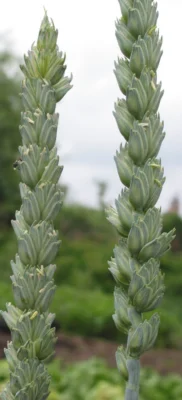
Watch the crop as the stems and ears turn golden and the grain becomes firm. Timing varies with spring or winter sowing, cultivar and local weather; a calendar date alone cannot tell you whether grain is ready.
Cut a small crop in dry weather and finish drying the ears in loose bundles under airy shelter. Thresh to separate grain from the ears, then sieve and winnow away chaff. Keep equipment and the working surface clean.
Grain that feels hard is not automatically dry enough for storage. Measure moisture if keeping a food crop; the usual cereal target is below about 14.5%, with cooler storage safer. Do not use mouldy or suspect grain, and cook flour products rather than tasting raw dough.
Photo: Miquel Pujol Palol; image extraction by Joancreus, CC BY-SA 3.0. Resized and optimised; cropped for display. Miquel Pujol, Les plantes cultivades. 1. Cereals (2008), p. 200; image extracted by Joancreus. CC BY-SA 3.0.

Birds and slugs may remove or damage them. Sow to an appropriate depth in a firm seedbed, inspect the patch and use targeted protection. Gaps can also result from waterlogging or poor seed viability.
Lodging can follow wind or rain, weak anchorage, dense sowing or excessive nitrogen. Choose a suitable height, avoid overfeeding and provide modest support for a small tall crop before ears become heavy.
Yellow rust may be responsible. Check the pattern and seek a diagnosis. Resistant varieties reduce risk, but resistance can change as pathogen populations change; use current supplier guidance rather than an old rating alone.
A winter variety sown too late may not receive enough cold to flower normally. Check the seed identity and sowing window. Spring wheat is the appropriate choice when its season is what you can provide.
These may be ergot, which produces harmful toxins. Keep suspect ears and grain separate from sound crops and obtain expert identification. Do not eat it, feed it to animals or assume home sieving removes all contamination.
Wheat is grown from seed each year. Save only healthy, fully mature grain from clearly labelled plants and dry it properly. Keep different seed lots separate and test germination before the next sowing.
It is mainly self pollinating, but saved seed can still become mixed or carry disease. Certified or specialist supplied seed offers more dependable identity and quality. Treated seed is for sowing only and must never enter food or feed.
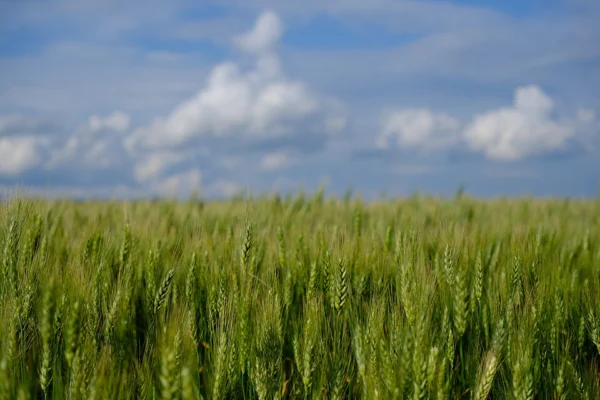
Winter bread wheat
Sown in autumn to establish before winter and crop the following summer. Confirm its sowing window and cold requirement; it cannot automatically replace spring seed.
Illustrative common wheat field; the photograph does not establish a winter variety.
Photo: Jasper Shide, CC0. Resized and optimised; cropped for display.
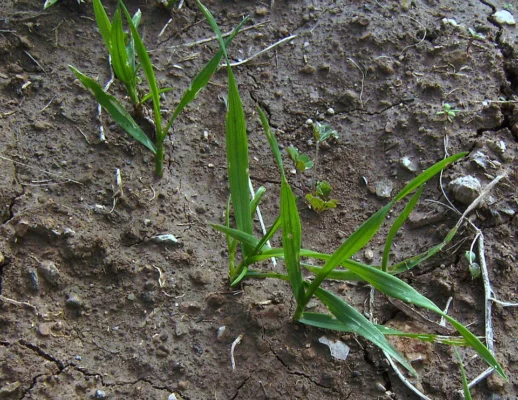
Spring bread wheat
Useful for a project beginning in spring or where wet autumn soil prevents establishment. Select a spring variety suited to the available season.
Young wheat illustrating establishment; sowing season and cultivar are not claimed.
Photo: Victor M. Vicente Selvas, CC BY-SA 3.0. Resized and optimised; cropped for display. Adapted image under the same licence.
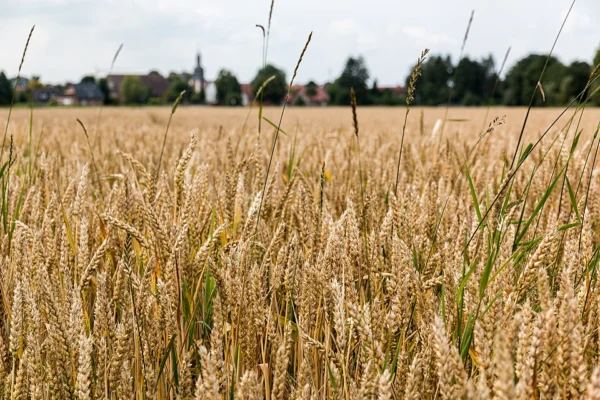
Heritage bread wheat
Older selections can be interesting for grain and straw, often with tall growth. Ask about local performance, lodging and intended use rather than assuming every old variety behaves alike.
A ripe wheat field for illustration; no heritage cultivar is identified.
Photo: Dietmar Rabich, CC BY-SA 4.0. Resized and optimised; cropped for display. Dülmen, Hausdülmen, Feld — 2016 — 3693.jpg — Dietmar Rabich, CC BY-SA 4.0. Display copy resized by BFFD.
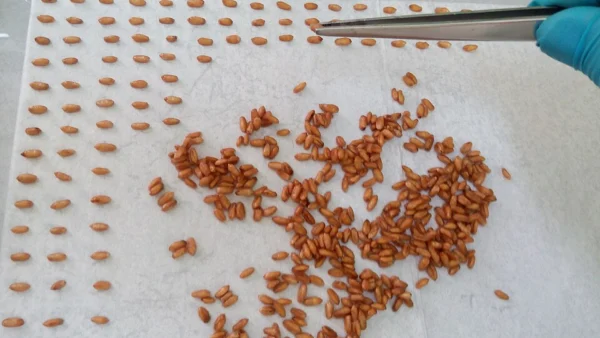
Modern named bread wheat
Compare height, disease resistance, sowing season and grain use with a knowledgeable seed supplier. A crop bred for one purpose will not necessarily produce the flour characteristics you want.
Wheat seeds arranged on moist paper; no named modern cultivar is claimed.
Photo: Oksana Lastochkina, CC BY-SA 4.0. Resized and optimised; cropped for display. Adapted image under the same licence.
Check spring or winter habit, intended grain use and supplier advice. For a hands-on garden project, clearly labelled untreated seed is the simplest starting point.
Birds can take cereal grain, so decide how much of a small crop you want to reserve for yourself. Use fitted protection carefully and check it regularly for trapped wildlife.
Keep separate flowering areas and habitat around the garden while managing grass weeds within the cereal patch. Wheat does not need insect visits to set its normal grain crop.
Published by Buy From Farmers Direct. Growing guidance reviewed 6 October 2026. The seasonal timeline uses the shared BFFD Growers Calendar record; adjust timings to your variety and local conditions.
Yes, as a learning crop or modest harvest. Allow room for mature stems and a separate dry area for processing the cut ears.
Only if the variety and date meet its cold requirement and supplier advice. Otherwise it may fail to form ears; choose spring wheat for a spring sowing.
Yes, for demonstration and a small harvest. Use a stable drained container at least about 25cm deep and watch watering closely.
Usually not. Grain yield is modest at garden scale, and drying, cleaning and milling reduce the amount ready for use.
Check moisture rather than relying on its appearance. Keep properly dried sound grain cool and clean, and inspect it regularly for spoilage.
Bread wheat is an annual crop. Sow a new suitable seed lot for the next harvest rather than expecting the cut stems to repeat it.
Choose the right seed season and start with a manageable patch. Following wheat through flowering, grain filling and harvest is worthwhile even when the final crop is small.
Explore more growing guides: Carrot, Coriander, Ground Cherry.
Want to get food independence, support your local grower, get better prices and shop more privately?
Local food isn’t just something you find. It’s something you protect. A free account helps keep local supply visible, supported, and resilient.

….it takes 30 seconds for food lovers and 5 minutes for suppliers
We built this for people who care where their food comes from. For people who want to remain food secure. For Farmers to get to the local people, who deserve a better income and to deliver a better price for you. For the environmentally conscious and the privacy-conscious. An account simply helps us make the map and supplier reach more useful to you, without changing how open it is. You’re always in control.


Find local food. Stay connected to it. Create a free account to support local producers and be part of a growing food network.


