Fresh coriander is best grown as a succession of small crops. A few pots or short rows can supply leaves for the kitchen, while a separate planting can flower and produce aromatic seed. The useful distinction is between growing for leaves and growing for seed: each calls for different spacing, harvesting and expectations.
Annual culinary herb
Good in pots
Leaves and seeds
Sow little and often
Cooler conditions favour leaves
| Botanical name | Coriandrum sativum |
| Family | Apiaceae |
| Plant type | Annual herb |
| Alternative leaf name | Cilantro |
| Main harvests | Leaves, flowers and seeds |
| Position for leaves | Sun or light shade; cooler summer position |
| Position for seed | Sunny and well drained |
| Soil | Workable, moderately fertile and free draining |
| Sowing window used | March to September, with conditions and protection considered |
| Reliable outdoor start | Usually April onwards |
| Sowing depth | About 0.5 to 1cm, following the packet |
| Leaf crop spacing | About 5cm after thinning |
| Seed crop spacing | About 20cm after thinning |
| Germination | Often 1 to 3 weeks |
| Harvest window used | May to October for successive leaf crops |
| First leaf cuts | Once plants are around 10 to 15cm tall |
| Planting preference | Direct sowing avoids root disturbance |
| Common challenge | Bolting in long warm days |
| Seed storage | Dry fully before sealed storage |
| Wildlife value | Flowers attract hoverflies and other insects |
| Plant name | Crop type | Spacing |
Sow indoors
Plant outdoors
Harvest
Polytunnel | |||||||||||
|---|---|---|---|---|---|---|---|---|---|---|---|---|---|---|
| Jan | Feb | Mar | Apr | May | Jun | Jul | Aug | Sep | Oct | Nov | Dec | |||
| Coriander | Herbs | Single 5cm for leaves, In row 5cm, Row gap 20cm | No activity recorded | No activity recorded | Sow indoors, Polytunnel | Sow indoors, Plant outdoors, Polytunnel | Sow indoors, Plant outdoors, Harvest | Sow indoors, Plant outdoors, Harvest | Sow indoors, Harvest | Sow indoors, Harvest | Sow indoors, Plant outdoors, Harvest, Polytunnel | Harvest, Polytunnel | No activity recorded | No activity recorded |
Sow indoors: March, April, May, June, July, August, September. Plant outdoors: April, May, June, September. Harvest: May, June, July, August, September, October. Polytunnel: March, April, September, October.
The calendar combines protected early sowing, spring and summer outdoor crops, and suitable late summer or early autumn sowings. May to October is a practical leaf harvesting window across repeated batches, not the lifespan of one plant. Planting months apply to young potted plants moved carefully; direct sowing is usually simpler. Optional tunnel use helps at the cooler ends of the season, provided there is light and ventilation.
Coriander suits a small kitchen garden because you can sow only the amount you expect to use. Several modest pots at different stages are often more productive than one crowded supermarket pot or a large row that flowers all at once.
Choose a variety intended for leaves if that is your priority. Even a slower bolting selection will eventually flower, so plan the next sowing instead of treating coriander like a permanent woody herb.
Photo: Krish Dulal, CC BY-SA 3.0. Resized and optimised; cropped for display. Adapted image under the same licence.
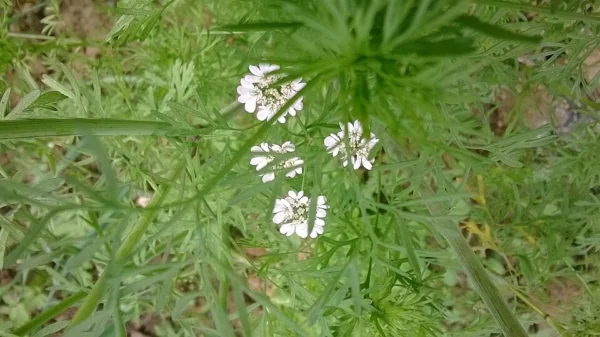
Use well drained ground with a fine surface that will hold moisture around newly sown seed. Remove weeds early so delicate seedlings do not have to compete for light and water.
For summer leaf crops, a cooler spot with some shade during the hottest part of the day can help. Deep shade is less useful, especially when light levels fall in autumn.
Pots should have drainage holes and enough compost depth for steady root growth. Keep them somewhere easy to check, since a warm wall or sheltered overhang can leave a container dry despite nearby rain.
If growing for seed, allow more room and a sunny position where flowering stems can mature. Support taller stems where necessary and keep access clear so you can collect seed before it falls.
Photo: Gilles Ayotte, CC BY-SA 4.0. Resized and optimised; cropped for display. Adapted image under the same licence.
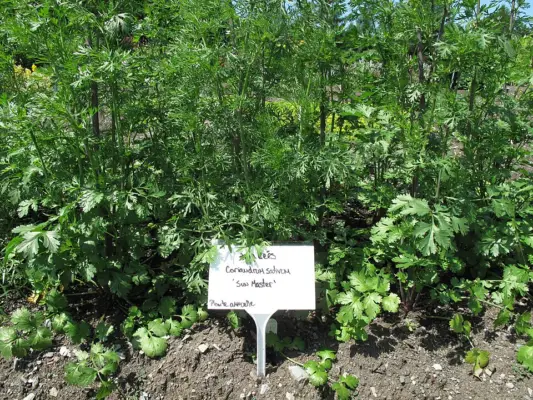
Direct sowing into the final pot or bed avoids disturbing coriander’s roots. Young bought plants can also be used, but handle their root ball carefully and plant before they become severely crowded.
1.
Decide whether this sowing is mainly for leaves or seed. Choose a labelled variety and keep a record of the sowing date.
2.
Prepare a drained pot or a weed free patch of workable soil. Water a dry seedbed before sowing so seed is not washed away afterwards.
3.
Sow shallowly according to the packet, usually around 0.5 to 1cm deep. Avoid dropping a dense pile of seed into one small area.
4.
Keep the seed zone gently moist while germination takes place. Allow time for emergence instead of disturbing the surface after only a few days.
5.
Thin leaf crops to around 5cm between seedlings. For plants intended to flower and set seed, allow about 20cm so stems have room to develop.
6.
If planting young potted coriander, acclimatise it first and keep the root ball together. Protect small plants from cold spells and slugs where needed.
7.
Begin modest leaf harvesting once there is enough healthy growth, leaving the centre and sufficient foliage to recover.
8.
Sow another small batch after a few weeks while the season allows. Adjust the interval to how quickly the household uses the crop.

Watering
Aim for steady moisture while leaves are developing. Repeated wilting can shorten the useful leaf season, particularly in a small container during warm weather.
Check before watering and let excess drain away. Soggy compost is also damaging, so avoid leaving pots permanently standing in water. Water at the base when practical.

Feeding
A short coriander crop usually needs modest fertility rather than repeated heavy feeding. Start with suitable compost or a prepared bed and watch the actual growth.
If a longer container crop needs feeding, follow the label of an appropriate herb or vegetable feed. Poor light, damaged roots or drought will not be corrected simply by adding nutrients.

Pruning
Pick a few leaves from each plant rather than stripping one plant bare. Allow recovery before the next substantial cut and use fresh leaves promptly for the best kitchen quality.
Remove emerging flower stems if extending leaf production is your aim, but recognise that flowering is a normal stage of this annual’s life. Keep separate plants uncut when you want flowers or seed.

Winter care
Late sown plants can remain useful in favourable sheltered conditions, but wet soil, exposure and severe cold limit success. A bright ventilated cold frame or tunnel can help at the margins of the season.
Expect slow growth when daylight is limited and harvest lightly. A warm dim windowsill is unlikely to sustain a large fresh leaf crop, so adjust expectations and restart sowing when conditions improve.
Young coriander has broad lobed lower leaves. As stems lengthen, upper foliage becomes much finer, followed by delicate white or pale pink flower clusters. These develop into rounded green fruits that turn brown as they ripen.
The change in leaf shape is normal and can surprise a first time grower. Keep the seed label and use correctly identified cultivated plants for food; this page is not a foraging guide for unknown members of the carrot family.
Photo: APictche, CC BY-SA 4.0. Resized and optimised; cropped for display. Adapted image under the same licence.
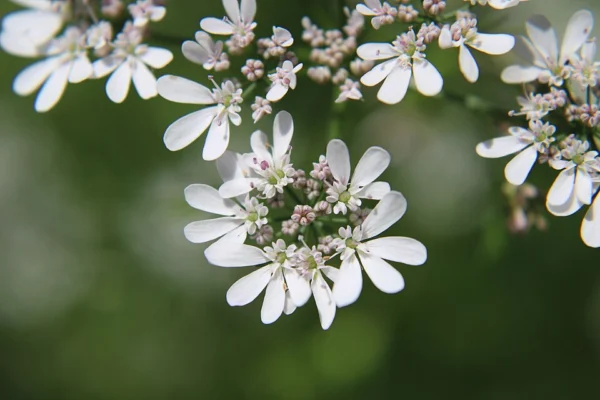
In warm southern and urban gardens, spring and late summer sowings can be particularly useful for leaves. Summer pots may benefit from a cooler position and close attention to watering.
In cooler northern or exposed gardens, wait for a workable, warming seedbed before outdoor sowing. A small protected start can help, but avoid creating weak stretched seedlings that struggle when moved outside.
On wet ground, containers or a well drained raised bed make establishment easier. Record which sowing dates give a useful leaf window locally and repeat those rather than relying on a single national calendar.
Photo: Forest and Kim Starr, CC BY 3.0 us. Resized and optimised; cropped for display. Forest & Kim Starr
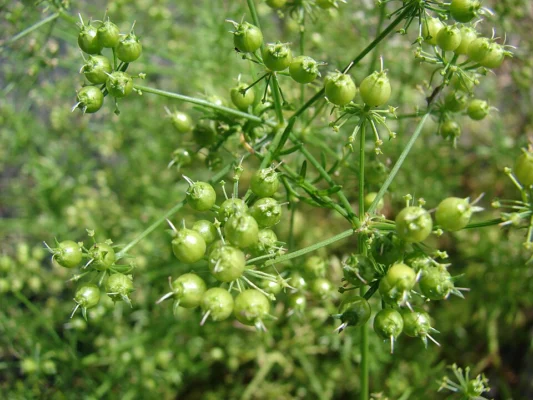
Long days, warmth and stress can shorten the leaf stage. Sow small repeat batches, choose a suitable leaf variety and maintain moisture. Flowering is not automatically a failed crop if you can use flowers or seed.
Inspect for slugs and other damage, especially in damp weather. Keep the sowing area clear enough to inspect and protect vulnerable young plants where the problem recurs.
Check water, drainage, crowding and light. A dense shop bought pot may contain more seedlings than its compost can support for long. Use it promptly and start a better spaced sowing.
Inspect the growing tips and undersides of leaves. Small colonies can often be removed by hand or with a gentle water rinse, while allowing natural predators access to the wider garden.
Remove unusable affected foliage and avoid overcrowding. Use healthy seed, clear old crop debris and water the root area where practical. Persistent problems deserve closer identification before choosing a treatment.
Coriander is normally raised from seed. Fresh, properly stored seed and a labelled sowing make results easier to interpret. Small sowings also limit the loss if one batch meets an unsuitable spell of weather.
For home saved seed, keep correctly identified plants to flower and mature. Collect when the seed is brown and dry, finish drying in an airy place and label the batch. Keep seed for sowing separate from any treated commercial seed that is not intended for food.
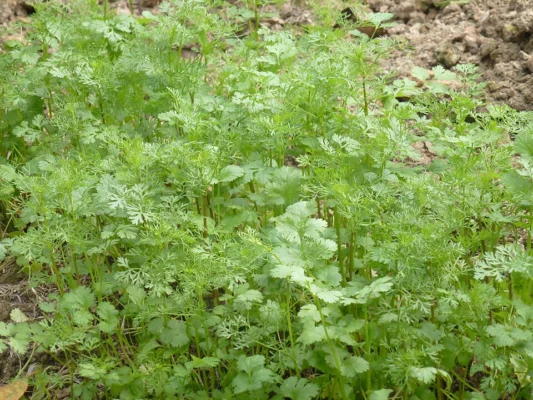
Calypso
A leaf selection noted for being relatively slow to bolt. It can help extend the useful picking stage, but continued sowing is still necessary for a reliable season of fresh leaves.
Illustrative coriander plants; the cultivar is not confirmed as Calypso.
Photo: Hungda, CC BY-SA 3.0. Resized and optimised; cropped for display. Adapted image under the same licence.
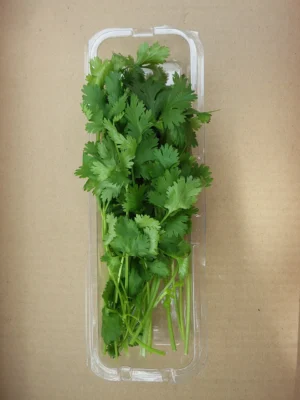
Leisure
A familiar culinary selection with aromatic broad leaves. Give it steady growing conditions and plan fresh batches rather than expecting one sowing to remain leafy all summer.
Illustrative harvested coriander leaves; the exact cultivar is not recorded.
Photo: Schlaghecken Josef, CC BY-SA 4.0. Resized and optimised; cropped for display. Adapted image under the same licence.
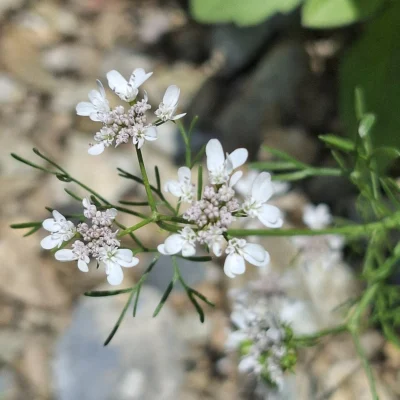
Confetti
A distinctive selection with finely divided foliage. Choose it for its leaf texture and culinary use, and retain the label so its natural shape is not mistaken for ordinary coriander beginning to bolt.
Illustrative coriander flowers, not confirmed Confetti foliage.
Photo: Sapna Sony, CC BY-SA 4.0. Resized and optimised; cropped for display. Adapted image under the same licence.
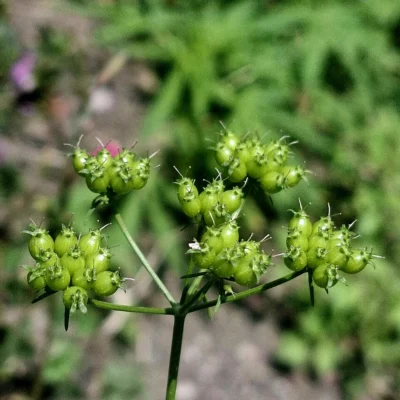
Growing for seed
Leave a separate, well spaced planting to flower and ripen. Green seed can be used fresh, while the familiar dry spice is collected once mature and thoroughly dried.
Developing green coriander fruits before they ripen brown.
Photo: Sapna Sony, CC BY-SA 4.0. Resized and optimised; cropped for display. Adapted image under the same licence.
Look for fresh seed and a variety description that matches leaves, distinctive foliage or seed production. A small packet can support several sowings. If buying plants, choose young healthy roots and avoid relying on a crowded kitchen pot as a permanent planting.
Coriander flowers are visited by hoverflies and other insects. Keep a few plants for flowering while your next leaf crop develops, provided there is room for their taller stems.
A flowering patch adds variety to the herb garden. Do not rely on its scent as a guaranteed pest control for nearby crops; observe the actual plants and use suitable protection when needed.
Published by Buy From Farmers Direct. Sources checked 6 October 2026. Growing references: RHS coriander growing guide; Garden Organic coriander guide; Garden Organic detailed coriander notes; RHS Calypso; RHS Leisure; RHS Confetti. The seasonal timeline uses the shared BFFD Growers Calendar record; adjust timings to your variety and local conditions.
Coriander is an annual and naturally moves on to flowering. Long warm days and growing stress can hasten this. Repeated small sowings are more dependable than trying to keep one plant leafy indefinitely.
Cilantro commonly refers to the fresh leaves of Coriandrum sativum. In UK usage, coriander is used for both the herb and its seeds.
Yes. Sow into a pot with drainage and enough compost for the roots, keep moisture steady and choose a cooler summer position when growing mainly for leaves.
Direct sowing is usually easier because coriander dislikes root disturbance. Young potted plants can be moved carefully with their root ball intact after acclimatisation.
Thin plants to about 5cm for a leaf crop, or about 20cm when growing for seed. Follow the packet if a particular variety or growing method calls for different spacing.
For dry storage, wait until seeds are ripe and brown, then dry them thoroughly before sealing them in a labelled container. Green seeds are a fresh crop and should not be sealed away as if already dry.
Think in small successions, with separate plants for leaves and seed. That simple approach makes coriander much more dependable and leaves room to enjoy its flowers along the way.
Explore more growing guides: Chives, Chives (Garlic), Basil.
Want to get food independence, support your local grower, get better prices and shop more privately?
Local food isn’t just something you find. It’s something you protect. A free account helps keep local supply visible, supported, and resilient.

….it takes 30 seconds for food lovers and 5 minutes for suppliers
We built this for people who care where their food comes from. For people who want to remain food secure. For Farmers to get to the local people, who deserve a better income and to deliver a better price for you. For the environmentally conscious and the privacy-conscious. An account simply helps us make the map and supplier reach more useful to you, without changing how open it is. You’re always in control.


Find local food. Stay connected to it. Create a free account to support local producers and be part of a growing food network.


