Lavender brings aromatic foliage, summer flowers and visiting bees to a sunny garden. English lavender and its hardy hybrids are usually the simplest choices for permanent UK planting. French lavender offers distinctive flower heads but needs more careful winter siting. Choose the right type, provide sharp drainage and trim leafy growth regularly to keep plants compact.
Sun loving evergreen shrub
Good for bees and butterflies
Drainage matters in winter
Trim within leafy growth
Choose hardiness by type
| Botanical genus | Lavandula |
| Family | Lamiaceae, the mint family |
| Plant type | Small aromatic evergreen shrub |
| English lavender | Lavandula angustifolia |
| Lavandin hybrids | Lavandula × intermedia |
| French lavender | Lavandula stoechas |
| Typical garden height | About 30 to 90cm, depending on type |
| Foliage | Usually narrow, grey green or silvery leaves |
| Main English lavender flowering | Early to late summer, depending on cultivar |
| French lavender flowering | Spring and summer, sometimes with later flushes |
| Preferred position | Full sun |
| Soil | Poor to moderately fertile and freely drained |
| Hardy cultivar ratings | H5 for Hidcote, Munstead and Grosso |
| French species hardiness | H4 for Lavandula stoechas; cultivars and other species vary |
| Best planting window | April and May |
| Group spacing | Around 90cm, adjusted for mature size |
| Hedge spacing | About 30 to 45cm for suitable cultivars |
| Useful container size | Around 30 to 40cm across for a compact plant |
| Main propagation method | Cuttings to preserve a named cultivar |
| Flower uses | Fresh display, drying and selected culinary use |
| Plant name | Crop type | Spacing |
Sow indoors
Plant outdoors
Harvest
Polytunnel | |||||||||||
|---|---|---|---|---|---|---|---|---|---|---|---|---|---|---|
| Jan | Feb | Mar | Apr | May | Jun | Jul | Aug | Sep | Oct | Nov | Dec | |||
| Lavender | Not recorded | Single 90cm, In row 90cm, Row gap 90cm | Polytunnel | Polytunnel | Sow indoors, Polytunnel | Sow indoors, Plant outdoors | Plant outdoors | Harvest | Harvest | Harvest | No activity recorded | No activity recorded | Polytunnel | Polytunnel |
Sow indoors: March, April. Plant outdoors: April, May. Harvest: June, July, August. Polytunnel: January, February, March, November, December.
The main planting band is April and May, when warming soil helps young roots establish; summer planting is possible with careful watering. March and April sowing is an optional seed route, following the packet, rather than a way to reproduce every named cultivar. The June to August harvest band means cutting flower stems from English lavender and lavandin for drying or suitable culinary use. Flowering varies, and French lavender may start earlier. November to March under cover is optional winter protection for less hardy potted types, starting earlier or ending later where local frosts require it. An unheated tunnel is not necessarily frost free. The 90cm calendar spacing is for separate shrubs; hedges are closer.
Lavender suits sunny borders, gravel gardens and low edging around a herb plot. Once established in appropriate ground, it is drought tolerant and needs comparatively little watering, but it still benefits from an annual trim.
A compact variety also makes a useful patio pot. Containers are particularly helpful for less hardy types that need winter shelter, provided you can check summer watering and move them before damaging cold arrives.
Photo: Forest & Kim Starr, CC BY 3.0. Resized and optimised; cropped for display. Forest & Kim Starr
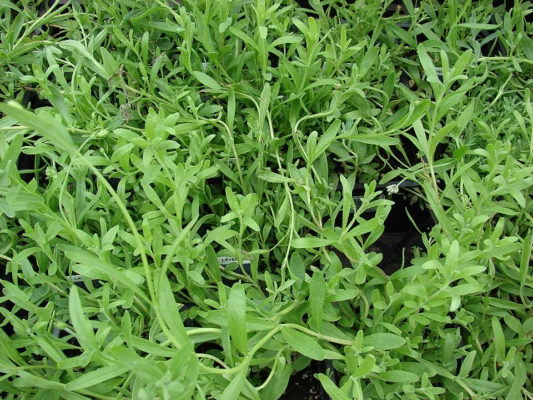
Choose a position receiving sun for most of the day. Lavender becomes sparse in shade and does not suit a damp corner beneath overhanging shrubs. Allow air to move through the foliage rather than surrounding it with dense, vigorous neighbours.
Free drainage is essential, especially in winter. On heavy ground, use a raised bed or a broad mound about 20 to 30cm high where practical. A container is preferable if roots would otherwise sit in persistently wet soil.
Most familiar English lavenders do well in neutral to alkaline soil and tolerate some acidity. French lavender can also suit slightly acid conditions. Do not add lime automatically: consider the existing soil and the particular plant before changing it.
For a pot, use drainage holes and a suitable peat free loam based or multipurpose compost with coarse grit mixed through it.
Photo: Isiwal, CC BY-SA 4.0. Resized and optimised; cropped for display. Isiwal/Wikimedia Commons/CC BY-SA 4.0
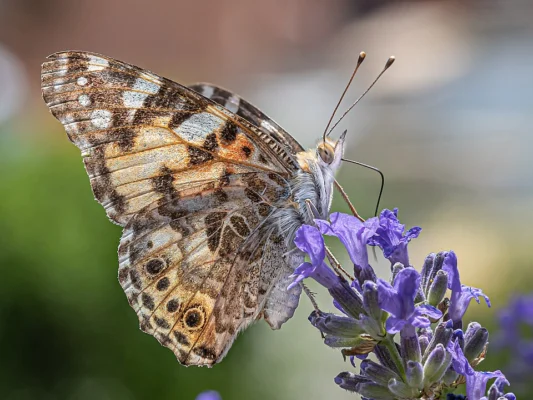
Buy a labelled plant so its mature size and winter needs are clear.
1.
Choose healthy plants with compact leafy growth and sound roots. Check the botanical name and hardiness, especially when buying French lavender or an unfamiliar ornamental type for a cold garden.
2.
Plant mainly in April or May once soil is warming and workable. Avoid planting young lavender into cold, wet winter soil. Grow small plug plants on until their roots and shoots are strong enough for the final position.
3.
Clear perennial weeds and prepare a freely draining area. Do not enrich the hole heavily with manure or rich fertiliser: lavender usually grows better with modest fertility than in a lush, heavily fed bed.
4.
Set plants out before digging. Allow around 90cm for separate shrubs, adjusting to the cultivar's spread. For a low hedge, about 30 to 45cm is usual, with larger plants towards the wider end.
5.
Water the rootball, remove its pot and gently ease any tightly circling roots. Dig a hole wide enough for the roots without setting the plant deeper than its original compost level.
6.
Refill, firm gently and water around the roots. A dry surface and good drainage help avoid the constantly damp conditions that lavender dislikes.
7.
For a container, plant at the previous soil level and water thoroughly, then let surplus drain. Leave space below the rim for later watering and avoid a saucer that keeps the base standing in water.
8.
Check moisture through the first summer, particularly during dry spells. Keep weeds down and retain the label. Once roots are established, reduce routine watering in the ground while continuing to monitor pots.

Watering
Newly planted lavender needs regular checks during its first growing season. Water the root area when needed, then allow the soil to drain. Drought tolerance develops with an established root system; a small new plant cannot simply be left to dry out.
Established plants in the ground seldom need watering except in severe drought. Containers need more frequent summer attention, but should be kept much drier in winter. Check the compost before watering rather than following a fixed weekly schedule.

Feeding
Lavender generally needs little or no feeding in ordinary garden soil. High nitrogen fertiliser and bulky manure encourage soft, floppy growth. If a plant looks poor, investigate light, drainage and roots before adding nutrients.
Plants kept in pots for several years may need fresh compost and a modest feed appropriate to their growing medium. Follow the product label and avoid repeated strong feeding.

Pruning
Trim hardy English lavender and lavandin after their main flowering in late summer. Remove spent stalks and shorten the leafy growth to keep a compact shape, always leaving green shoots below the cuts. Do not cut a bare woody framework down as though it were a herbaceous perennial.
Deadhead French lavender through its longer flowering season and shape within leafy growth. Avoid a late autumn hard cut in cold or wet districts. In spring, tidy winter damage once new growth shows where living shoots remain; old bare stems often fail to regenerate.

Winter care
English lavender and hardy lavandin normally remain outdoors in well drained ground. Pots are more exposed, so shelter them from persistent rain and severe cold. Keep drainage holes clear and avoid wrapping foliage into a wet, airless bundle.
French and tender lavenders are safer in movable pots where winters are cold or wet. Use a light, airy protected place, frost free for tender plants. An unheated greenhouse or tunnel may still freeze, so match the protection to the plant and local temperatures.
Lavender forms a woody base beneath aromatic evergreen shoots. The familiar English types have narrow leaves and small tubular flowers arranged in spikes.
Lavandin generally grows larger and flowers somewhat later than English lavender. French lavender has conspicuous coloured bracts above its dense flower heads. Common names vary between countries, so the botanical label is the most useful guide to care.
Photo: Wisi eu, CC0. Resized and optimised; cropped for display.
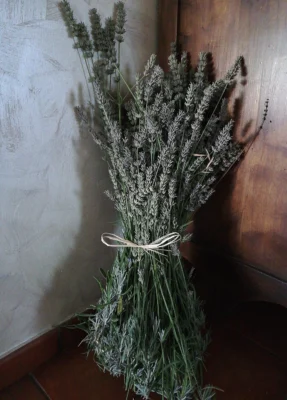
In cooler districts, choose hardy English lavender and a sunny, sheltered position with excellent drainage. In milder gardens, French lavender offers more options, but wet winter roots remain a risk even where severe frost is uncommon.
Cut flower stems on a dry day as the buds colour and the first flowers open, adjusting the stage to their intended use. Tie small loose bunches and hang them upside down somewhere dry, airy and out of direct sun. Store only once fully dry.
For baking, use correctly identified English lavender grown for culinary use, in small recipe quantities. Avoid florist or ornamental material treated with products unsuitable for food crops. Keep dried culinary buds labelled and separate from decorative potpourri mixtures.
Photo: EmDee, CC BY-SA 3.0. Resized and optimised; cropped for display. Adapted image under the same licence.

Persistent saturation can damage roots and cause rotting. Check drainage before watering a wilting plant again. Remove plants that have died and improve the site, or replant healthy stock in a raised bed or container with suitable compost.
Age and missed pruning can leave long bare branches with leaves only at their tips. Regular trimming within green growth helps delay this. Do not assume a hard cut into leafless wood will revive it; replacement or healthy cuttings may be more reliable.
Rosemary beetles and their larvae also feed on lavender. Small populations usually do little lasting harm and can be tolerated. If a young plant is being heavily damaged, remove beetles and larvae by hand, checking stems over a sheet or tray.
Sage and Ligurian leafhoppers can cause pale mottling. Look beneath affected leaves for the small insects or shed skins. Established plants usually continue growing well, so tolerate cosmetic damage and encourage predators rather than routinely treating the whole planting.
Cuckoo spit shelters young froghoppers. It is usually harmless and is not a fungal disease or evidence that the plant needs spraying. Leave the insects alone unless another, separately diagnosed problem is affecting the lavender.
Take healthy non flowering shoots for softwood cuttings in early summer, or firmer semi ripe cuttings later in summer. Remove lower leaves, insert into suitable free draining cutting compost and keep in bright indirect light, moist enough to root without remaining sodden.
Ventilate covered cuttings and pot them on after rooting, gradually adapting them to outdoor conditions. Seed can be sown in spring according to its packet, but named cultivars may not come true. Cuttings are the dependable way to preserve the colour and habit of a favourite plant.
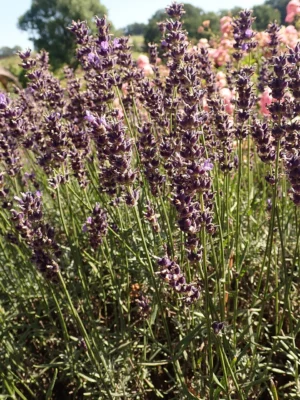
Hidcote
A compact English lavender with dark violet purple flower spikes and aromatic foliage. It is a familiar choice for low edging and pots. Choose a consistent named plant when matching an existing hedge, since seed raised stock can vary.
Hidcote lavender identified in the source photograph.
Photo: Salicyna, CC BY-SA 4.0. Resized and optimised; cropped for display. Adapted image under the same licence.
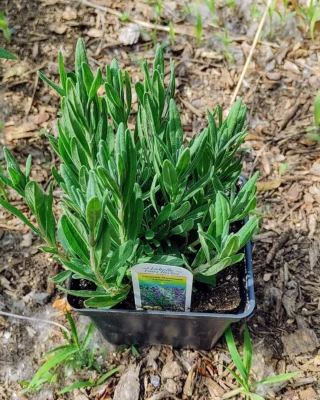
Munstead
A compact English lavender, often around 45cm tall, with blue purple flowers and grey green leaves. It suits smaller borders or containers, though its mature spread still needs space. Keep its rounded form with annual leafy trimming.
Young Munstead lavender plants in a nursery tray, before planting.
Photo: Jeangagnon, CC BY-SA 4.0. Resized and optimised; cropped for display. Adapted image under the same licence.
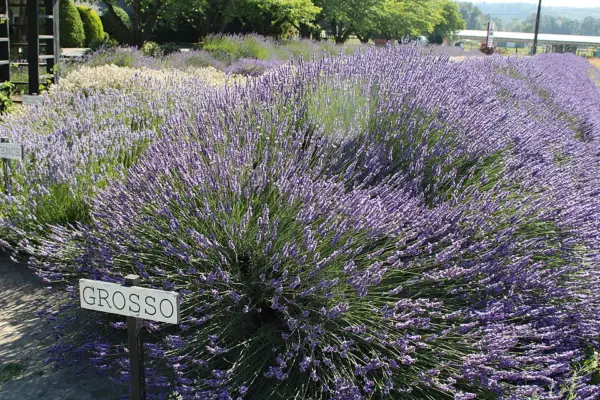
Grosso
A lavandin, Lavandula × intermedia, with long flower stems and a larger habit, reaching around 90cm in suitable conditions. Its strongly aromatic summer flowers suit drying. Give it more room than a small edging lavender.
Grosso lavender identified by the source photographer.
Photo: Chris Light, CC BY-SA 4.0. Resized and optimised; cropped for display. Adapted image under the same licence.
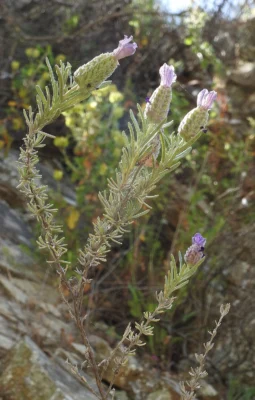
French lavender
Lavandula stoechas is a species choice, not a single named cultivar. Its upright coloured bracts give the flowers a distinctive shape. It is less dependable in cold, wet winters than the English choices, so consider a pot and suitable protection.
Lavandula stoechas flowering in Crete; this illustrates the species, not a named cultivar.
Photo: Robert Flogaus-Faust, CC BY 4.0. Resized and optimised; cropped for display.
Choose English lavender for a straightforward permanent planting, a larger lavandin for long stems, or French lavender where you can provide suitable winter care. Check mature spread, choose healthy labelled stock and plan drainage before planting.
Lavender flowers attract bees and butterflies. Leave plenty of open spikes for visiting insects when cutting bunches, and combine different flowering plants so the garden provides food beyond lavender's main summer season.
Some late seed heads can be left for birds, balancing this with the trim needed to maintain a compact plant. Tolerate light insect feeding and avoid unnecessary treatments on flowers that are being visited by pollinators.
Published by Buy From Farmers Direct. Growing guidance reviewed 6 October 2026. The seasonal timeline uses the shared BFFD Growers Calendar record; adjust timings to your variety and local conditions.
English lavender, Lavandula angustifolia, and hardy lavandin hybrids are usually the simplest permanent choices. They still need full sun and free drainage. French and other less hardy types need more careful winter siting or protected pots.
April and May are the preferred months as the soil warms. Summer planting is possible with careful watering. Avoid establishing young plants in cold, wet winter ground, and grow tiny plugs on before putting them into a permanent bed.
Avoid cutting below the remaining green shoots into a bare woody framework. Lavender does not reliably regenerate there. Trim within leafy growth after flowering and consider replacing very old, straggly plants rather than cutting them to ground level.
Too much water or poor drainage may be the cause. Check whether the soil is saturated and whether roots are damaged before watering again. Lavender needs moisture during establishment, but established plants dislike persistently wet roots.
Yes. Choose a compact type, a container with drainage holes and freely draining compost. Check summer moisture, avoid standing water and shelter the pot in winter according to the variety's hardiness.
Use correctly identified English lavender grown with food safe treatments, in small amounts in a suitable recipe. Do not assume florist flowers or decorative dried lavender are food grade. Dry culinary buds thoroughly and store them separately from potpourri.
Choose the right lavender, give it sun and drainage, and keep the trim within living leafy growth. A healthy plant will bring scent, colour and insect visitors to its corner of the garden.
Want to get food independence, support your local grower, get better prices and shop more privately?
Local food isn’t just something you find. It’s something you protect. A free account helps keep local supply visible, supported, and resilient.

….it takes 30 seconds for food lovers and 5 minutes for suppliers
We built this for people who care where their food comes from. For people who want to remain food secure. For Farmers to get to the local people, who deserve a better income and to deliver a better price for you. For the environmentally conscious and the privacy-conscious. An account simply helps us make the map and supplier reach more useful to you, without changing how open it is. You’re always in control.


Find local food. Stay connected to it. Create a free account to support local producers and be part of a growing food network.


