A lime tree earns its place on a sunny patio through scented blossom, aromatic leaves and fruit with a distinctive sharp flavour. In the UK, the pot is what makes seasonal protection practical. Start with the right kind of lime and a warm, bright winter home, then give the roots steady care rather than expecting outdoor summer conditions to last all year.
Tender evergreen citrus
Container growing
Bright winter protection
One tree can crop
Fruit for zest and juice
| Main fruiting types | Persian or Tahiti lime; Mexican or Key lime |
| Botanical names | Citrus × latifolia and Citrus × aurantiifolia |
| Plant type | Tender evergreen tree or shrub |
| Growing method | Container with seasonal protection |
| Summer position | Sunny, warm and sheltered |
| Winter position | Bright protected space with dependable warmth |
| Winter temperature | Keep above 10°C and confirm the named tree’s requirements |
| Cold tolerance | Mexican lime is especially sensitive |
| Final size | Depends on species, rootstock and management |
| Container | Match rootball size and increase gradually |
| Compost | Suitable peat free citrus or loam based container mix |
| Drainage | Free drainage essential |
| Repotting | Spring, when roots need more room |
| Watering | Steady moisture without saturation |
| Feeding | Follow a citrus fertiliser programme |
| Flowers | Fragrant white blooms |
| Pollination | A single tree can produce fruit |
| Harvest | Variable; assess the individual fruit |
| Pruning | Light shaping and selective thinning |
| Propagation | Named nursery trees are the practical choice |
| Plant name | Crop type | Spacing |
Sow indoors
Plant outdoors
Harvest
Polytunnel | |||||||||||
|---|---|---|---|---|---|---|---|---|---|---|---|---|---|---|
| Jan | Feb | Mar | Apr | May | Jun | Jul | Aug | Sep | Oct | Nov | Dec | |||
| Lime (Container Grown) | Orchard fruit | Allow the mature canopy width plus space for inspection and seasonal moves | Polytunnel | Polytunnel | Plant outdoors, Polytunnel | Plant outdoors, Polytunnel | Plant outdoors, Polytunnel | Polytunnel | Polytunnel | Polytunnel | Polytunnel | Polytunnel | Polytunnel | Polytunnel |
Sow indoors: no months recorded. Plant outdoors: March, April, May. Harvest: no months recorded. Polytunnel: January, February, March, April, May, June, July, August, September, October, November, December.
Spring planting means potting or repotting a nursery tree, not planting outdoors permanently. Harvest is left unbanded because fruiting varies with the tree and conditions. The protected growing row means that a suitable bright space may be used throughout the year, with heating when required. An ordinary unheated polytunnel is not sufficient winter protection.
A lime suits someone who can check a container regularly and provide a suitable winter growing space. You can enjoy blossom and a modest home crop close to the house without committing to a large outdoor tree.
It is less suitable where the only winter option is a cold shed or a dark, centrally heated room. If the protected space cannot maintain appropriate warmth and light, solve that before buying a larger specimen.
Photo: Forest and Kim Starr, CC BY 3.0 us. Resized and optimised; cropped for display. Forest & Kim Starr
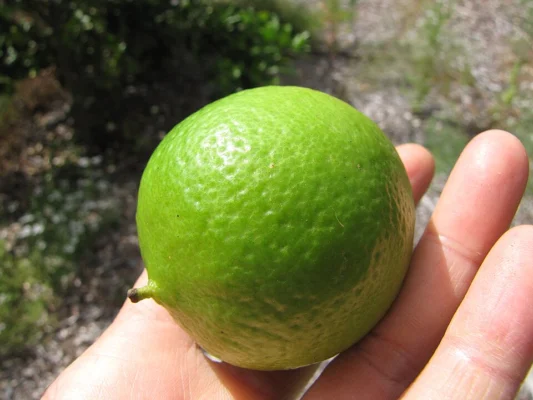
Choose a sheltered sunny summer position where leaves are not constantly battered by wind. Introduce the tree to stronger light gradually after indoor growing, and watch night temperatures as carefully as daytime sunshine.
Provide a bright conservatory, glazed porch or suitably heated greenhouse for winter. Limes generally need more warmth than some lemons, and a Mexican lime deserves particular caution when nights begin to cool.
Leave enough room to reach the compost, inspect leaf undersides and move around the canopy. A tree squeezed into a corner is harder to water evenly and may hide a pest problem until it becomes established.
Think about its movement route before choosing the container. A mature canopy and wet rootball may be difficult to carry through a narrow door; a stable trolley is useful where the ground and thresholds allow it.
Photo: Mark Marathon, CC BY 3.0. Resized and optimised; cropped for display.
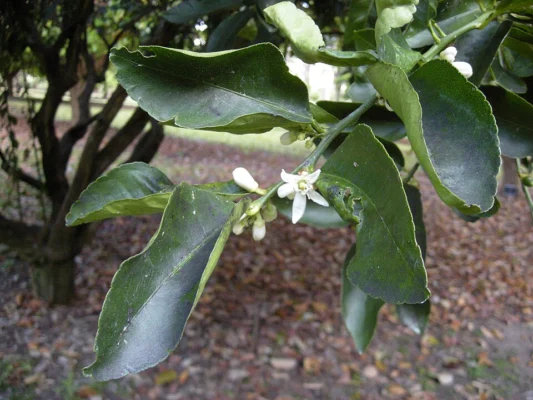
Choose the plant for its fruit and for the conditions you can actually offer. A healthy named nursery tree gives a clearer starting point than a seedling or an unlabelled citrus. Repot for a reason, rather than moving every newly purchased lime straight into a much bigger container.
1.
Check whether the tree is Persian or Mexican lime, and record its cultivar and rootstock where provided. Ask the nursery about expected size and minimum winter conditions.
2.
Inspect stems and both sides of the leaves for pests. Check that the tree is stable in its current pot and that the rootball is neither persistently wet nor completely dry.
3.
Prepare the protected growing space before changing pots or moving the tree outside. Use a minimum thermometer to establish what happens there overnight.
4.
If roots need more room, repot in spring into a container only slightly larger. Ensure excess water can leave freely rather than collecting inside a decorative outer pot.
5.
Use a suitable peat free citrus compost or well drained loam based container mix. Avoid surrounding the roots with a large volume of heavy, slow drying material.
6.
Keep the original planting level and any graft union above the compost. Fill gently around the rootball, leaving enough room beneath the rim for thorough watering.
7.
Water evenly, allow the excess to drain and check stability. A tall standard may need support so wind or movement does not rock the rootball repeatedly.
8.
Introduce outdoor conditions gradually when nights are reliably warm enough. Keep its winter space available for an unexpected cold spell and arrange its return before autumn temperatures fall too far.

Watering
Check frequently in warm weather, using the condition of the compost to decide when to water. Soak the whole rootball when required, preferably with rainwater, then allow it to drain. Do not rely on a small splash around the trunk.
As growth slows under winter conditions, let the surface partly dry between waterings. The deeper roots should not remain waterlogged or be allowed to dry out completely. Pot size, light and temperature all change the interval.

Feeding
Follow the directions for a citrus fertiliser, including its seasonal changes. The tree keeps its leaves through winter and may continue developing fruit, so feeding needs do not necessarily stop at the end of summer.
Use the stated dilution and check whether fresh compost already contains nutrients. Increasing the dose will not correct cold roots, poor light or a pot standing in water, and those problems should be investigated first.

Pruning
Keep pruning restrained, removing dead growth and selectively correcting crowded or awkward branches. The aim is a manageable, well lit crown, not repeated clipping into a tight ball that loses its flowering shoots.
Remove growth originating below a graft union and inspect the point where a vigorous new shoot begins before cutting. Wear gloves around thorns. Avoid a major reduction while the tree is already shedding leaves or struggling with root problems.

Winter care
Keep limes above 10°C unless a specialist gives more specific requirements for your tree; some need warmer conditions. Do not apply a lemon’s lower temperature tolerance automatically to a lime, particularly a Mexican or Key lime.
Maintain bright light and reasonably steady conditions, away from hot radiators and cold draughts. Ventilate appropriately on mild sunny days and inspect for pests. Raising humidity must not mean leaving the rootball sitting in a tray of water.
Persian lime, also called Tahiti lime, is Citrus × latifolia. It generally produces larger fruit with few or no seeds. Mexican or Key lime, Citrus × aurantiifolia, has smaller, more aromatic fruit and often more seeds.
Both are evergreen citrus with fragrant flowers, rather than the large temperate trees also called limes. Their fruit can become yellow as it matures. Colour alone therefore cannot establish species or prove a picked fruit was ready.
Photo: Vinayaraj, CC BY-SA 3.0. Resized and optimised; cropped for display. Adapted image under the same licence.
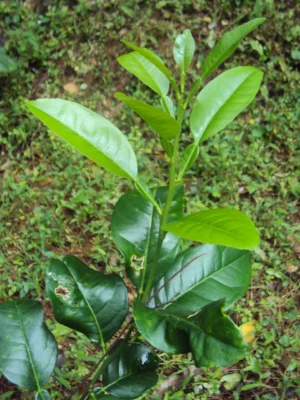
A protected winter home is part of the growing method throughout Britain. Even where a summer patio is warm, long cool nights and wet compost can undermine the tree. Let temperature readings guide seasonal moves.
Allow fruit plenty of time to develop and expect timing to vary with conditions. The quick development reported for warm overseas orchards should not be treated as a promise for a UK container. Thin an excessive load if a small tree is struggling.
Test a fully developed fruit for juice and flavour before gathering the rest. Persian limes are commonly used while green, and yellowing does not turn them into lemons. Cut fruit carefully from the tree and wash hands after handling juice or peel, particularly before sun exposure.
Photo: Jpbrigand, CC BY-SA 4.0. Resized and optimised; cropped for display. Adapted image under the same licence.
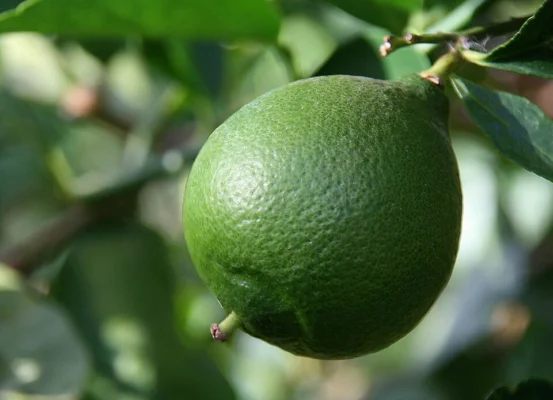
Compare light, warmth and watering before and after the move. Sudden changes, draughts and excessive winter watering can all contribute. Restore suitable conditions rather than assuming the tree needs stronger fertiliser.
Check the rootball for excessive wetness or dryness, then consider temperature, light and feeding history. Yellow foliage is a symptom with several possible causes, so inspect the whole growing arrangement.
Some shedding is normal, but a dry rootball or unsuitable air conditions can worsen it. Keep care steady and reduce an excessive crop on a small tree. A second lime is not usually the missing ingredient.
Inspect for scale insects and mealybugs, including stems and leaf undersides. Identify the pest before using a control suitable for edible citrus, and check neighbouring plants sharing the same protected space.
Glasshouse red spider mite is a possibility in warm, dry conditions. Inspect closely and improve the environment. Suitable biological control may help in a greenhouse once the pest is confirmed.
Named nursery trees offer a known type of fruit and a better understanding of the plant’s likely behaviour. Ask how the tree was propagated and which rootstock was used when comparing plants for a long term container.
Cuttings or other citrus propagation methods can be worthwhile projects for experienced growers. Seedlings are a slower, less predictable route for someone whose main aim is useful limes from a manageable tree.
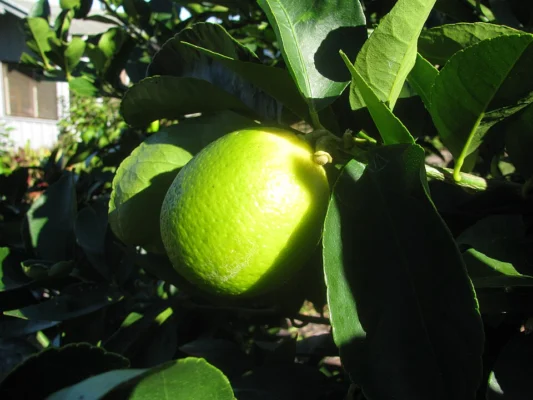
Tahiti or Persian lime
The familiar juice lime, Citrus × latifolia, usually has few seeds and is less cold sensitive than Key lime. It still needs winter protection. The photograph shows identified Tahiti fruit and foliage.
Photo: Forest and Kim Starr, CC BY 3.0 us. Resized and optimised; cropped for display. Forest & Kim Starr
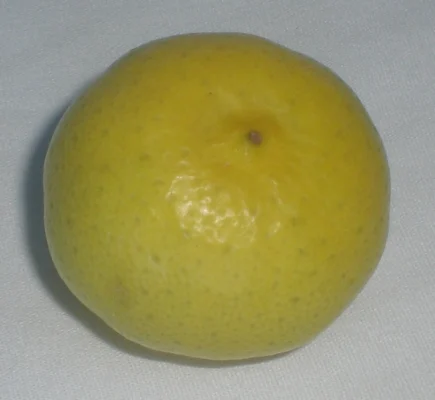
Key or Mexican lime
Citrus × aurantiifolia produces smaller, strongly aromatic fruit and requires particular attention to winter warmth. The pictured ripe yellow Key lime demonstrates that useful mature fruit need not remain green.
Photo: Marc Averette, CC BY 3.0. Resized and optimised; cropped for display. Averette at English Wikipedia
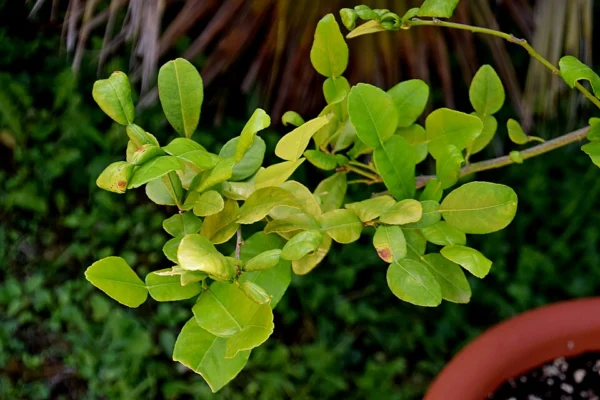
Makrut lime
Citrus hystrix is a different choice, grown chiefly for aromatic cooking leaves. Its prominently winged leaf stalks create the pictured double outline. Choose it for that use rather than ordinary lime juice.
Photo: Krzysztof Golik, CC BY-SA 4.0. Resized and optimised; cropped for display. Adapted image under the same licence.
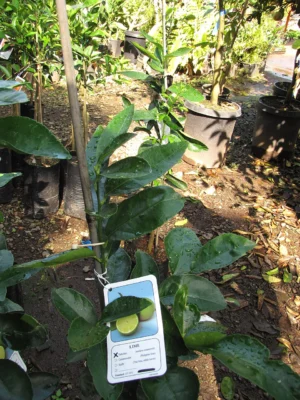
A manageable container tree
A bush and a standard describe shapes, not separate lime varieties. Consider doorway width and the eventual canopy. The photograph shows a young Tahiti lime in a nursery container.
Photo: Forest and Kim Starr, CC BY 3.0 us. Resized and optimised; cropped for display. Forest & Kim Starr
Compare the fruit you want to use with the winter conditions you can provide. A healthy, clearly labelled tree that fits through the door is a better purchase than an impressive specimen you cannot comfortably house.
Lime blossom can attract visiting insects when the tree is outside or the growing space is open. A single tree can crop, so protect useful visitors rather than applying insecticides routinely to flowers.
Inspect the canopy before seasonal moves and keep pest control focused on a confirmed problem. This also helps avoid transferring sheltered pests to other plants sharing the greenhouse or conservatory.
Use a container so it can spend suitable warm periods outside and return to a bright protected space. It is not a dependable permanent outdoor tree in the UK.
No. Persian or Tahiti lime is generally larger and less seedy. Mexican or Key lime is smaller, more aromatic and particularly sensitive to cold. Check the plant label before buying.
Plan to keep limes above 10°C and confirm the needs of the supplied tree. Some need warmer conditions. A merely frost free shed may be too cold and too dark.
Lime fruit can yellow as it matures. It has not become a lemon. Judge readiness from the fruit’s development, juice and flavour rather than skin colour alone.
A single lime can produce fruit. Correct warmth, light and root care are usually more useful things to review than buying a second tree when the first one drops flowers.
Repot in spring when the roots need additional space. Increase the container size modestly, preserve the planting level and choose a free draining mix rather than a much larger volume of wet compost.
The best container lime is the one whose needs fit your growing space. Choose its identity carefully, protect it before cold nights arrive and keep watering responsive to conditions. Healthy evergreen growth is the foundation for any eventual crop.
Want to get food independence, support your local grower, get better prices and shop more privately?
Local food isn’t just something you find. It’s something you protect. A free account helps keep local supply visible, supported, and resilient.

….it takes 30 seconds for food lovers and 5 minutes for suppliers
We built this for people who care where their food comes from. For people who want to remain food secure. For Farmers to get to the local people, who deserve a better income and to deliver a better price for you. For the environmentally conscious and the privacy-conscious. An account simply helps us make the map and supplier reach more useful to you, without changing how open it is. You’re always in control.


Find local food. Stay connected to it. Create a free account to support local producers and be part of a growing food network.


