Perpetual spinach is a leaf beet that earns its space through repeated pickings. It offers green leaves for the kitchen over a longer season than many true spinach crops, but the name does not promise endless growth. Sow for summer and autumn, leave the centre intact when picking and bring on replacements before older plants flower.
A leaf beet
Repeated outer leaf harvests
Sun or light shade
Useful autumn greens
Replace ageing plants
| Botanical name | Beta vulgaris, leaf beet group |
| Common name | Perpetual spinach or spinach beet |
| Family | Amaranthaceae |
| Different from | True spinach, Spinacia oleracea |
| Crop | Green leaves and tender stalks |
| Life cycle | Usually grown across one or two seasons |
| Main sowing | March to July |
| Later sowing | August where conditions and variety allow |
| Position | Sun or light shade |
| Soil | Fertile, moist and well drained |
| Sowing method | Direct into soil or in modules |
| Seed depth | Follow the packet, usually around 1 to 2.5cm |
| Final spacing | About 25 to 30cm |
| Row spacing | About 40 to 45cm |
| First light picking | Often around 8 to 10 weeks |
| Harvest method | Take outer leaves and retain the centre |
| Second sowing | Midsummer for autumn and spring |
| Containers | Use a roomy drained pot |
| Winter picking | Depends on established foliage and weather |
| Replacement | Sow fresh plants before old ones finish |
| Plant name | Crop type | Spacing |
Sow indoors
Plant outdoors
Harvest
Polytunnel | |||||||||||
|---|---|---|---|---|---|---|---|---|---|---|---|---|---|---|
| Jan | Feb | Mar | Apr | May | Jun | Jul | Aug | Sep | Oct | Nov | Dec | |||
| Spinach (Perpetual) | Not recorded | 25 to 30cm apart; rows 40 to 45cm | No activity recorded | No activity recorded | Sow indoors, Harvest, Polytunnel | Sow indoors, Plant outdoors, Harvest, Polytunnel | Sow indoors, Plant outdoors, Harvest, Polytunnel | Sow indoors, Plant outdoors, Harvest, Polytunnel | Sow indoors, Plant outdoors, Harvest, Polytunnel | Sow indoors, Plant outdoors, Harvest, Polytunnel | Plant outdoors, Harvest, Polytunnel | Harvest | Harvest | No activity recorded |
Sow indoors: March, April, May, June, July, August. Plant outdoors: April, May, June, July, August, September. Harvest: March, April, May, June, July, August, September, October, November. Polytunnel: March, April, May, June, July, August, September.
March can be a protected start; the main outdoor sowing period is April to July, with August possible for suitable conditions and seed. Plant module raised crops outside as ready from April to September. The March to November harvest band combines established overwintered plants and new sowings; it is not continuous production from every plant. Winter picking is weather dependent.
A few well spaced plants suit a household that wants modest, repeated harvests for cooking. Perpetual spinach can be useful when summer conditions shorten the life of true spinach.
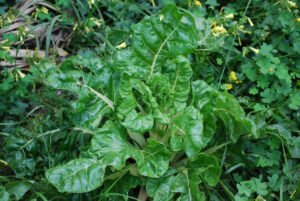
Choose sun or light summer shade, with room to reach the leaves without stepping on the roots. Afternoon shade can be useful in a hot, exposed garden.
Improve poor soil with mature compost before sowing. Aim for a bed that holds moisture during growth but does not leave the crown standing in water after rain.
Allow around 25 to 30cm between plants and 40 to 45cm between rows for substantial leaves. Closer spacing can suit baby leaf picking, but crowded plants will not develop into the same large crowns.
Use a pot around 40cm wide and deep for a modest mature leaf crop, with suitable peat free compost and drainage holes. Give leaves room to dry after rain and leave access for careful picking.
Photo: Peter de Lange, CC0 1.0. Resized and optimised; cropped for display.
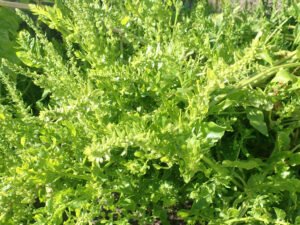
Buy seed labelled perpetual spinach or spinach beet. True spinach and brightly coloured chard are related kitchen alternatives, but they are not interchangeable labels for this green leaf beet crop.
1.
Choose a sowing date for the harvest you want. A spring batch supplies summer leaves; a midsummer batch can carry the crop through autumn and into the following spring.
2.
Prepare a weed free seedbed with a fine, level surface. Water a dry row before sowing rather than washing newly covered seeds into piles.
3.
Sow at the packet depth, usually around 1 to 2.5cm. Leave room between rows for mature plants and label the crop clearly.
4.
Keep the seed zone moist until seedlings establish. A corky seed cluster may produce more than one plant, so check for crowding even where each seed was carefully spaced.
5.
Thin gradually to leave the strongest plants around 25 to 30cm apart. Remove small weeds at the same time without disturbing the remaining roots.
6.
For modules, sow one or two seed clusters per cell and thin to one strong plant. Provide good light and avoid leaving young plants in cramped cells until they stall.
7.
Harden module plants off before moving them outside. Plant intact rootballs at their existing depth and water well, keeping the central growing point above the soil.
8.
Protect vulnerable seedlings where slugs or birds are causing damage. Once growth is established, begin modest picking from several plants rather than stripping one plant bare.

Watering
Keep seedlings, newly planted plugs and containers reliably moist. Older plants also need help through a long dry spell if you want tender, steady leaf growth.
Water the root zone and use mature compost as a surface mulch where appropriate, leaving the crown clear. Check drainage before adding more water to a plant that is wilting in already wet soil.

Feeding
Good soil preparation usually matters more than frequent strong feeds. If growth is poor, check moisture, root space and competition before treating every pale leaf as a shortage of fertiliser.
A container producing leaves over many months may need a suitable general feed once the compost’s nutrient supply declines. Use the label rate and avoid repeatedly feeding a stressed or waterlogged plant.

Pruning
Cut or gently detach sound outer leaves near the base while leaving the central young leaves intact. Regular, moderate picking encourages a useful succession without exhausting the crown.
Remove damaged and decaying leaves. An early flower stalk can be removed to gain a little more picking, but a plant moving firmly into flowering should give way to a younger replacement.

Winter care
Leave a healthy amount of foliage as temperatures fall. Growth slows or stops in cold spells, so harvesting existing leaves faster than they are replaced eventually empties the plant.
A ventilated cloche can protect leaves and help spring growth resume. Check for rot and slugs under cover, and keep containers out of standing water. Protection does not guarantee an uninterrupted winter crop.
Perpetual spinach forms a rosette of green leaves on relatively slender pale or green stalks. It is a leaf beet, unlike true spinach, which belongs to the genus Spinacia.

Sowing times depend on the soil and local season. In colder areas, a March module start can be easier to manage than early direct sowing into cold, wet ground.
A summer sowing needs careful watering during establishment, but can provide younger plants for autumn and spring. In an exposed northern garden, allow them enough time to build leaves before growth slows.
Start light picking once plants have enough foliage, often around eight to ten weeks from sowing. Overwintered plants can bridge the spring gap, but flowering in their second season is a normal reason to renew the crop.
Photo: Julia Henning, CC BY 4.0. Resized and optimised; cropped for display.
Slugs can remove small plants quickly. Inspect the area, protect vulnerable seedlings with appropriate targeted measures and avoid leaving hidden damp debris pressed against the row.
Leaf miner larvae may be feeding between the leaf surfaces. Remove badly damaged leaves and inspect new foliage. Suitable fine mesh can reduce further egg laying if correctly fitted.
Crowding and prolonged leaf wetness favour disease. Remove affected foliage, improve airflow and avoid sealing wet plants beneath an unventilated cover.
Ageing biennial plants naturally move towards seed production. Keep young crops watered, but establish replacements instead of expecting pruning to make old crowns last indefinitely.
The crop may be losing leaves faster than it can replace them. Reduce harvesting, check moisture and root conditions, and spread picking across several healthy plants.
Grow new plants from seed. A planned spring and summer sowing is often easier to manage than one large row that ages at the same time.
Leaf beet can cross with other flowering Beta vulgaris crops, including beetroot and chard. Saving a dependable variety needs deliberate isolation and healthy seed plants; bought seed is simpler in a mixed small garden.

Perpetual spinach seed
Look for a packet specifically sold as perpetual spinach or spinach beet. Choose a reliable source and follow its sowing window rather than relying on the common name alone.
Green leaf beet in the Beta vulgaris Cicla Group; a named perpetual spinach strain is not authenticated.
Photo: Cochi González, CC BY 4.0. Resized and optimised; cropped for display.

A summer leaf crop
Plan enough plants to spread regular picking. This is a way of using the crop rather than a separate cultivar, and it depends on steady moisture and modest harvesting.
Green leaf beet shown as a crop illustration; the photograph does not establish a summer harvest schedule.
Photo: Alice McCormick, CC BY 4.0. Resized and optimised; cropped for display.

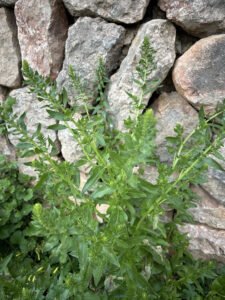
An autumn and spring crop
A midsummer sowing gives younger plants a chance to establish before winter. Leave foliage on the crowns and expect the harvest to vary with the season.
Green leaf beet shown as a crop illustration; autumn and spring harvest performance is not established by the photograph.
Photo: lazarus, CC BY 4.0. Resized and optimised; cropped for display.
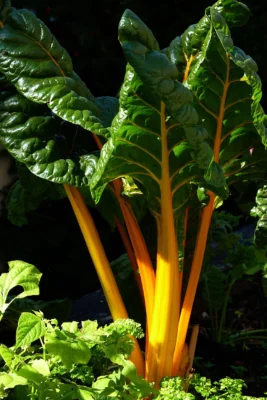
Related chard for comparison
White and coloured stalk chards are other leaf beets with different kitchen and ornamental qualities. Grow them if wanted, but keep them labelled separately from perpetual spinach.
Yellow stalked Swiss chard shown as a related crop for comparison, rather than as perpetual spinach.
Photo: Schnobby, CC BY-SA 3.0. Resized and optimised; cropped for display. Adapted image under the same licence.
Start with a few plants, note how quickly your household uses the leaves and sow replacements before the existing crop begins to flower.
Leaf miners and other small insects have natural enemies. Identify the damage and focus on protecting the harvest rather than assuming every insect in the bed is harmful.
Fit any protective mesh securely and inspect it regularly. Flowering plants elsewhere can support beneficial insects while this leaf crop is kept in a productive vegetative stage.
Published by Buy From Farmers Direct. Growing guidance reviewed 11 October 2026. The seasonal timeline uses the shared BFFD Growers Calendar record; adjust timings to your variety and local conditions.
No. It is a leaf beet in the species Beta vulgaris. True spinach is Spinacia oleracea and has a different growth pattern.
No. Plants usually become less useful as they flower in their second season. Plan fresh sowings to maintain tender leaves.
Sometimes, where established foliage and mild conditions allow. New growth slows in cold weather, so winter harvests are limited by the leaves already present.
Take sound outer leaves and leave the central growth intact. Pick modestly from several plants rather than removing everything from one crown.
Yes. Use a roomy drained container, suitable compost and regular attention to moisture. Leave enough space for mature foliage and picking.
It provides younger plants for autumn and the following spring as the first sowing ages. This spreads production and makes replacement more predictable.
Perpetual spinach is most useful when its name is treated as a promise of a long season, not endless life. Keep plants watered, pick with restraint and renew the crop in good time.
Want to get food independence, support your local grower, get better prices and shop more privately?
Local food isn’t just something you find. It’s something you protect. A free account helps keep local supply visible, supported, and resilient.

….it takes 30 seconds for food lovers and 5 minutes for suppliers
We built this for people who care where their food comes from. For people who want to remain food secure. For Farmers to get to the local people, who deserve a better income and to deliver a better price for you. For the environmentally conscious and the privacy-conscious. An account simply helps us make the map and supplier reach more useful to you, without changing how open it is. You’re always in control.


Find local food. Stay connected to it. Create a free account to support local producers and be part of a growing food network.


