Verbascums add upright flower spikes above a low leaf rosette, giving a border height without a dense wall of foliage. Some are biennials that flower once and seed, while others are short-lived perennial hybrids. Choose the plant for its final height and lifespan, then give it sun and drainage. A giant woolly mullein and a compact pastel hybrid should not be expected to behave identically.
Upright summer flowers
Sun and drainage
Biennial or perennial types
Avoid rich wet ground
Useful insect flowers
| Botanical identity | Verbascum species and hybrids |
| Family | Scrophulariaceae |
| Plant type | Biennials and short-lived perennials |
| Typical height | 40cm to 2m or more, by type |
| Typical spread | 30 to 75cm |
| Main flowering season | Late spring and summer |
| Light | Full sun |
| Soil | Free-draining, usually modest fertility |
| Soil reaction | Neutral to alkaline suits many types |
| Winter behaviour | Many garden types hardy; winter wet is a risk |
| Main planting window | March to May or September |
| Seed route | Spring for suitable seed strains; species timing varies |
| Pruning approach | Remove spent spikes; retain rosette |
| Propagation | Seed, division or root cuttings according to type |
| Container suitability | Compact types only, in drained pots |
| Watering priority | Water new plants; avoid wet crowns |
| Feeding priority | Little routine feed |
| Wildlife value | Flowers and mullein-moth host plants |
| Main use | Vertical flower spikes |
| Important distinction | Verbascum includes biennial mulleins and perennial hybrids; follow the named plant’s lifespan and propagation method rather than one universal schedule. |
| Plant name | Crop type | Spacing |
Sow indoors
Plant outdoors
Harvest
Polytunnel | |||||||||||
|---|---|---|---|---|---|---|---|---|---|---|---|---|---|---|
| Jan | Feb | Mar | Apr | May | Jun | Jul | Aug | Sep | Oct | Nov | Dec | |||
| Verbascum | Not recorded | Single 45cm, In row 45cm, Row gap 60cm | No activity recorded | No activity recorded | Sow indoors, Plant outdoors | Sow indoors, Plant outdoors | Sow indoors, Plant outdoors | Harvest | Harvest | Harvest | Plant outdoors | No activity recorded | No activity recorded | No activity recorded |
Sow indoors: March, April, May. Plant outdoors: March, April, May, September. Harvest: June, July, August. Polytunnel: no months recorded.
Spring planting suits most nursery plants, with early autumn possible on well-drained sites. March to May sowing is an optional route for suitable species and seed strains; some flower the following year. June to August harvest means occasional ornamental flower cutting, not food. Routine tunnel protection is unnecessary for established hardy types, although young propagation may need shelter. These month bands are planning windows for a typical UK garden; local frost, altitude, exposure and the season can move the work. Check the plant or seed label before using an optional route.
Verbascums suit sunny gravel-style borders, cottage gardens and naturalistic planting where a vertical flower shape contrasts with low mounds.
Choose a compact hybrid for a smaller border or large pot. Tall species need room for their broad basal leaves and a position where self-sown seedlings can be managed.
Photo: Esginmurat, CC BY-SA 4.0. Resized and optimised; cropped for display. Adapted image under the same licence.
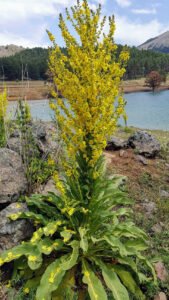
Give full sun and avoid a shaded position that makes stems lean. Tall spikes are easier to appreciate against a calm background.
Free drainage matters, especially around the rosette in winter. Avoid rich wet planting pockets and do not bury the centre under a heavy mulch.
Allow about 45cm for a medium garden plant, increasing the gap for broad-leaved giant species. Check both height and rosette width. Place broad rosettes where they will not smother tiny spring plants. The flower spike may look narrow and airy, but the ground-level leaf spread can be substantial and should be assessed separately from the height.
A container suits smaller types if it drains freely. Tall plants with deep roots can be awkward in pots and may become unstable in wind.
Photo: Rouibi Dhia Eddine Nadjm, CC BY-SA 4.0. Resized and optimised; cropped for display. Adapted image under the same licence.

Begin with correctly labelled verbascum and decide where the mature plant will fit. Preparing the growing space before buying makes the first season easier, especially when young plants need prompt attention.
1.
Select a named species or hybrid and establish whether it is biennial or perennial.
2.
Plant in spring for a full rooting season, especially where winters are wet.
3.
Clear weeds and prepare a drained root area without excessive enrichment.
4.
Allow the basal rosette its own space rather than planting through neighbouring crowns.
5.
Set the plant at its previous level, keeping the rosette centre clear of buried compost.
6.
Water after planting and during dry establishment spells, then reduce unnecessary routine watering.
7.
Provide discreet support early if a very tall selection is exposed to wind.
8.
Decide whether to leave seedheads, remove spent spikes or retain material for propagation.

Watering
Water young plants until rooted. Many established mulleins tolerate dry conditions, but a recently planted rootball can still dry out before roots spread.
Container plants need summer checks, with water directed to the compost rather than leaving the central rosette constantly wet.

Feeding
Most suitable garden soils need little additional feed. Excess fertility can produce soft growth and tall stems less able to stand securely.
If a pot needs nutrition, apply a modest measured feed during growth. Poor drainage and insufficient sunlight must be corrected separately.

Pruning
Remove spent spikes if seed is unwanted; some perennial hybrids may produce additional flowers afterwards. Leave a healthy basal rosette intact. Watch the base after cutting a perennial hybrid: fresh growth may already be present beneath the old spike. Cutting blindly through the whole clump risks damaging the rosette that must support any later flowers and next season’s growth.
Allow selected biennials to ripen seed if you want future plants. Their eventual death after flowering is part of the life cycle, not necessarily a care failure.

Winter care
Hardy garden forms usually stay outside. Keep their crowns open and drained, particularly where fallen leaves collect in woolly rosettes.
Small new plants may benefit from a cold frame against excessive wet while rooting. They still need ventilation and appropriate cool conditions.
Many verbascums have broad leaves in a basal rosette and upright spikes of five-lobed flowers, though leaf texture and colour vary across the genus.
Woolly grey species are especially recognisable, but many garden hybrids have greener foliage. Flower colour alone is not enough to identify a named cultivar.
Photo: Michael Hinczewski, CC BY 4.0. Resized and optimised; cropped for display.
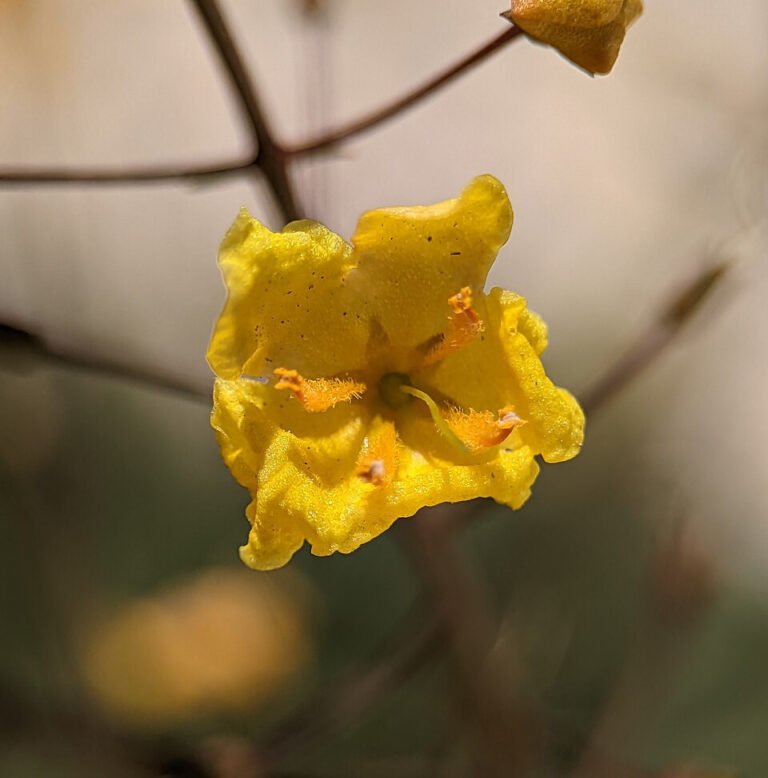
In wet districts, a raised drained position may matter more than winter temperature. Inspect crowns in late winter before deciding that a dormant plant has failed. In a border that is wet only in winter, observe where surface water gathers after rain. Moving the plant a short distance uphill or into a better-drained part of the bed can be more useful than adding extra summer fertiliser.
Cut a few fresh spikes if wanted for an ornamental arrangement, leaving enough flowers for insects and enough growth for the plant’s recovery.
Expect individual flowers on a spike to open progressively. A stem with buds and spent flowers together can be normal, rather than evidence of poor care.
Photo: Alex Abair, CC BY 4.0. Resized and optimised; cropped for display.

Wet soil and trapped decaying leaves can damage the crown. Improve drainage and keep the centre clear before replacing the plant.
Mullein-moth caterpillars can feed heavily. Tolerate them where possible as part of the plant’s wildlife role; protect especially vulnerable young plants selectively.
It may be a biennial that has completed its cycle. Check identity and retain suitable seed or replacements rather than assuming disease.
Shade, wind or excessive feeding can contribute. Choose a brighter position and support tall forms before stems become difficult to straighten.
Remove them while young, before deep roots develop. Deadhead more promptly next season if self-sowing is not useful.
Grow suitable species and seed strains from seed, following their stated sowing needs. Seedlings of named hybrids may differ from the parent and should not inherit its cultivar name automatically.
Some perennial hybrids are propagated by root cuttings in the dormant season or by division where appropriate. Check the exact plant before cutting roots from a short-lived biennial. Use a clearly labelled healthy parent and clean cutting material. Root-cutting advice for one suitable hybrid should not be transferred indiscriminately to every Verbascum, since the genus includes plants with very different life cycles and root structures.
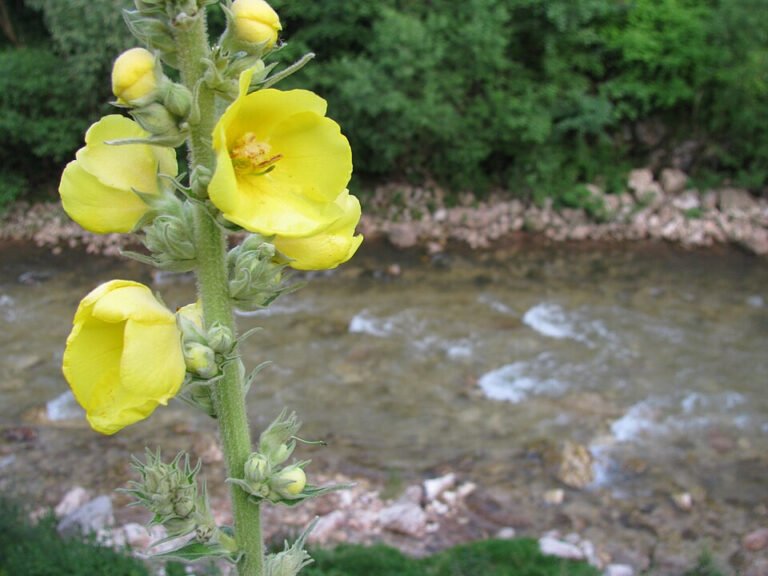
Verbascum thapsus
A tall woolly-leaved biennial with yellow flowers. Allow substantial rosette space and manage seedlings rather than expecting the original plant to persist indefinitely.
Source identified Verbascum thapsus flowers.
Photo: BiHVolim, CC BY-SA 4.0. Resized and optimised; cropped for display. Adapted image under the same licence.

Verbascum phoeniceum
A smaller species with purple and other colour selections, useful where a giant mullein would be too large.
Source identified Verbascum phoeniceum with purple flowers.
Photo: Jeffdelonge at French Wikipedia, CC BY-SA 3.0. Resized and optimised; cropped for display. Adapted image under the same licence.
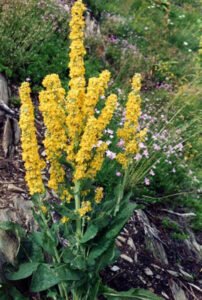
Verbascum chaixii
A perennial species with branching flower spikes, often used for a lighter border effect. Check the particular colour form supplied.
Source identified Verbascum chaixii growing in a border.
Photo: Ghislain118 http://www.fleurs-des-montagnes.net, CC BY-SA 3.0. Resized and optimised; cropped for display. Adapted image under the same licence.
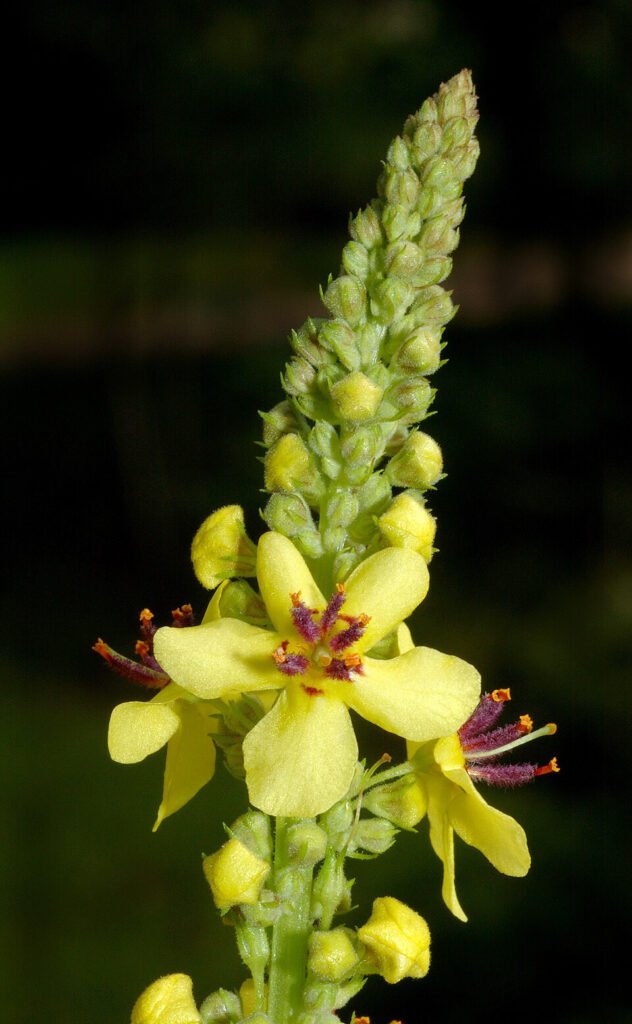
Named perennial hybrids
Choices such as pastel-flowered hybrids offer a range of heights and colours. Use correctly labelled plants and a suitable vegetative method to preserve their identity.
Verbascum nigrum shown for comparison; this is not an authenticated photograph of a named perennial hybrid.
Photo: André Karwath aka Aka, CC BY-SA 2.5. Resized and optimised; cropped for display. Adapted image under the same licence.
Compare the mature size, growing requirements and season of interest before choosing verbascum. Buy clearly labelled, healthy stock and prepare its position in advance. A plant suited to the available light and soil is easier to establish and maintain.
Verbascum flowers provide pollen and are visited by insects. Leave a proportion of each plant flowering when cutting stems for the house.
Mullein moths use these plants as a food source for caterpillars. Some chewed foliage is compatible with a wildlife garden and need not trigger treatment of the whole border. Inspect caterpillars before removing them: the presence of a host-specific insect can be part of why a mullein was planted. A large established rosette may tolerate feeding that would overwhelm a tiny recent seedling.
Published by Buy From Farmers Direct. Growing guidance reviewed 11 October 2026. The seasonal timeline uses the shared BFFD Growers Calendar record; adjust timings to your variety and local conditions.
Some are, while others are biennials or short-lived. The species or cultivar label determines what to expect.
A biennial may simply have completed its life cycle. Retain seedlings or sow replacements if wanted.
Usually not. Many types prefer sun and good drainage with modest fertility.
Remove it if seed is unwanted; some perennial hybrids may flower again. Leave selected biennials to seed when replacements are useful.
Mullein-moth caterpillars are one possibility. Identify the visitor and tolerate feeding where practical.
Its seedlings may vary. Use an appropriate vegetative method when preserving the cultivar matters.
Give verbascum an appropriate position, establish it carefully and adjust care to the weather. Keep a simple note of flowering and any problems so that next year’s planting decisions reflect what actually succeeds in your garden.
Explore more growing guides: Yarrow, Stonecrop, Verbena (Perennial).
Want to get food independence, support your local grower, get better prices and shop more privately?
Local food isn’t just something you find. It’s something you protect. A free account helps keep local supply visible, supported, and resilient.

….it takes 30 seconds for food lovers and 5 minutes for suppliers
We built this for people who care where their food comes from. For people who want to remain food secure. For Farmers to get to the local people, who deserve a better income and to deliver a better price for you. For the environmentally conscious and the privacy-conscious. An account simply helps us make the map and supplier reach more useful to you, without changing how open it is. You’re always in control.


Find local food. Stay connected to it. Create a free account to support local producers and be part of a growing food network.


