Coming Soon!

Officially soft launching 1st December – sign up now and be ready from day one.

Follow us:

Rain to Recycle

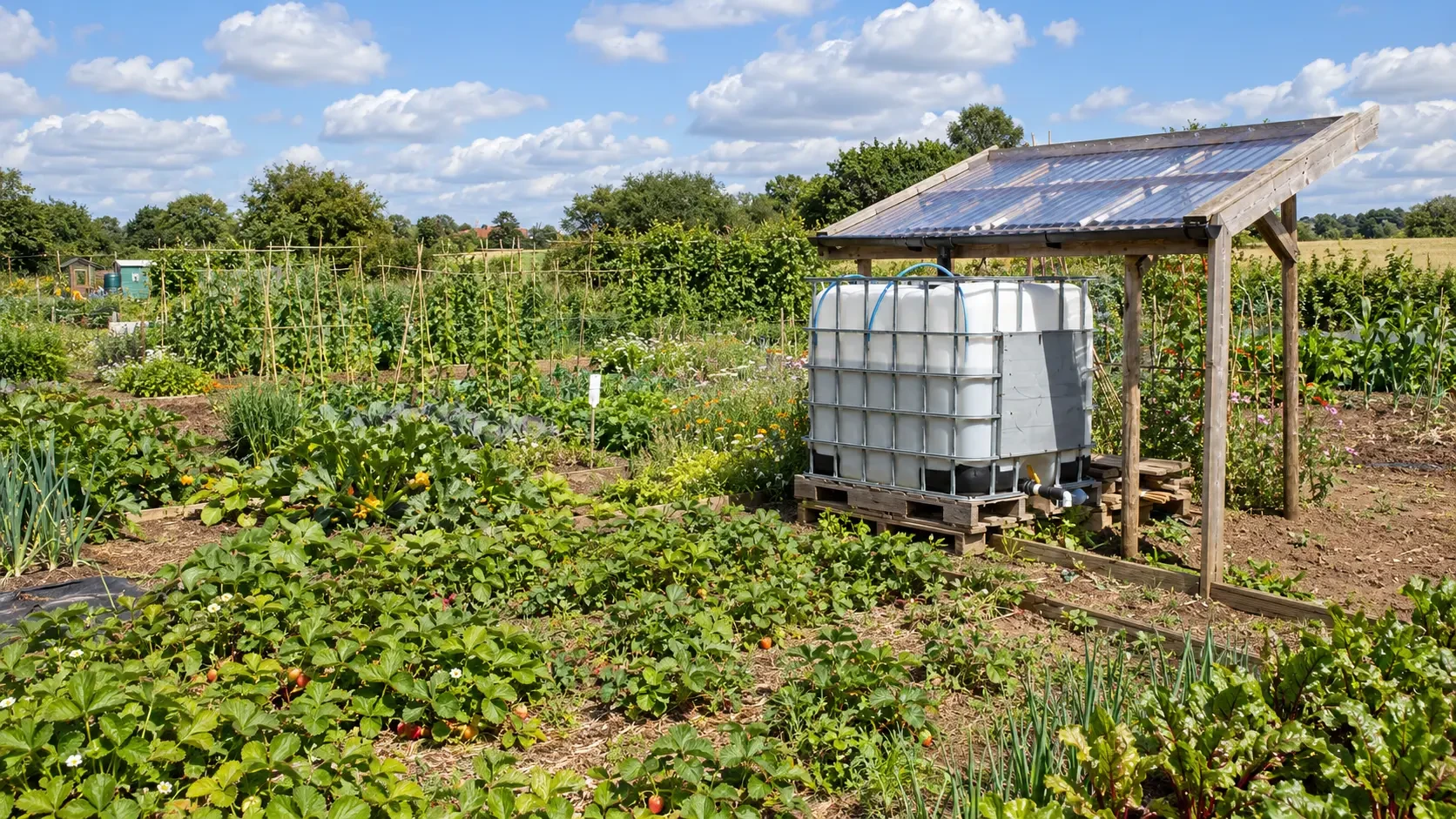
Rainwater collection tank beneath a small roof beside vegetable beds

Project basis

The project is built around a simple idea: water falling freely from the sky should not automatically be allowed to run off roofs, into drains and away from the land when it could be captured and used to grow food.
Across the UK, gardens and growing spaces can become heavily dependent on mains water during dry periods. Rain to Roots aims to show people how simple rainwater harvesting, careful storage and sensible water reuse can reduce pressure on treated drinking water while making gardens and food growing more resilient.

Rainwater can also be particularly useful for plants because it is naturally soft and generally does not contain the chlorine used in treated mains water. However, collected rainwater is only as clean as the surface and storage system it passes through, so good collection, filtration and storage practices are essential.

For BFFD, Rain to Recycle connects food growing with water resilience. If more people are going to grow food at home, on allotments, in schools and within communities, they also need practical ways to manage one of the most important resources involved in growing it.

Hands holding freshly dug potatoes with soil and roots

What the project involved

Rain to Roots is designed to teach people how to collect, conserve and reuse water safely and practically.
The project included guidance on installing water butts, linking multiple water storage containers, collecting rainwater from sheds and greenhouses, improving gutter systems, filtering roof water, reducing evaporation, using mulch, improving soil water retention and directing water exactly where crops need it.
It also showed people how to reuse suitable household water where appropriate. This involved collecting water used to rinse fruit and vegetables, capturing water while waiting for taps to warm up, reusing suitable untreated water from the kitchen and understanding the role that properly designed greywater systems can play.
The aim is not simply be to tell people to use less water. It would show them how to make better use of the water they already have. A household should be able to look at rainfall, roofs, gutters, containers, soil and daily water use and begin to understand where water is being wasted and where it could be retained.
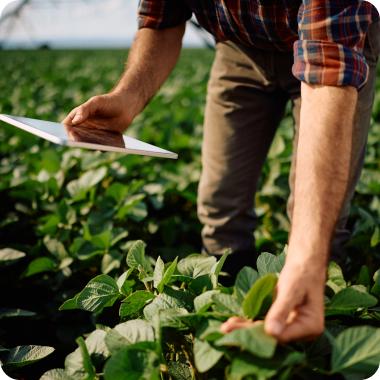
Grower using a tablet while inspecting crops
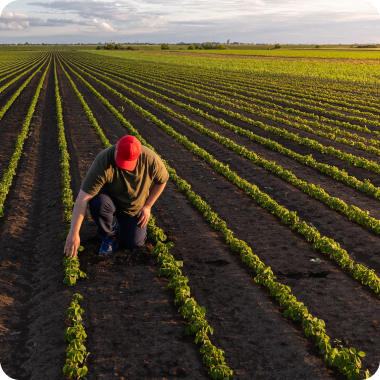
Grower inspecting long rows of crops in a field
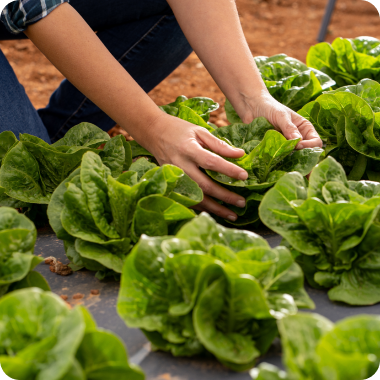
Hands tending leafy green vegetables

Collecting rainwater

One of the simplest ways to conserve water is to collect rainfall from roofs. A water butt connected to a downpipe can capture water that would otherwise enter the drainage system.
Larger gardens can connect several water butts together, while sheds, garages, greenhouses, workshops and other buildings can provide additional collection surfaces. For farms, schools and community growing projects, larger storage tanks may offer considerably more capacity.
Rainwater harvesting systems can range from a single small water butt to large scale storage systems capable of holding thousands of litres.
Catch the water when it falls and save it for when the ground needs it.
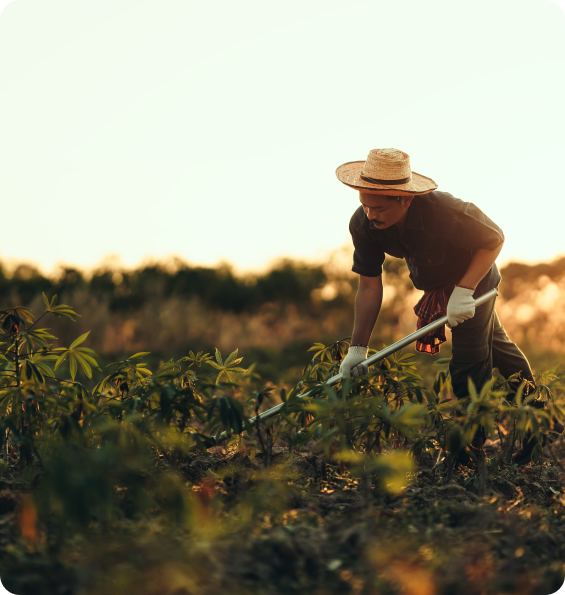
Grower tending crops in a field at sunset

Who the project benefited

Rain to Recycle benefits several groups.

The Environment

It benefits the environment by reducing unnecessary demand for treated drinking water where collected rainfall could be used instead.

Allotment Holders

It benefits allotment holders where access to water may be limited or inconvenient.

Farmers & Producers

It benefits farmers and small producers by encouraging wider understanding of the relationship between water availability and food production.

Households 

Rain to Recycle benefits households by helping them reduce reliance on mains water for gardening. It benefits vegetable growers by increasing access to stored water during dry periods.
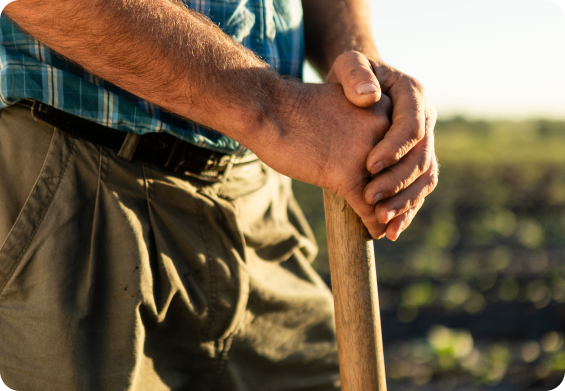
Farmer resting hands on the handle of a garden tool

Why this project matters

Water is one of the foundations of food production.
Without reliable water, seeds do not establish properly, plants struggle, yields fall and growing food becomes increasingly difficult.
At the same time, huge quantities of rainwater fall onto roofs across Britain and are immediately directed into drainage systems.
Rain to Recycle asks a simple question…. Could we keep more of it? Not every household needs an enormous rainwater harvesting system. One water butt is a start.
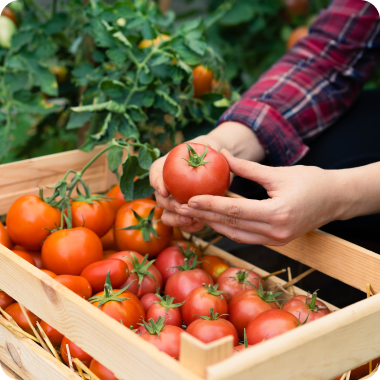
Hands picking ripe tomatoes into a wooden crate
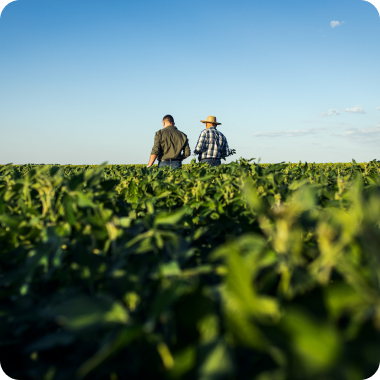
Two people inspecting a field of leafy crops
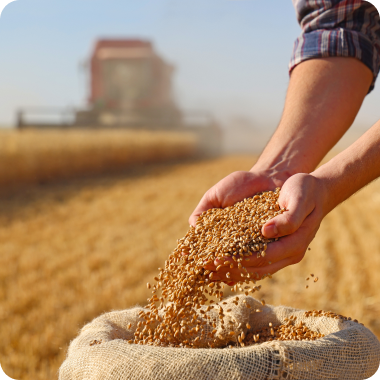
Hands pouring harvested grain into a sack

Related Projects

Lorem ipsum dolor sit amet consectetur. Rutrum quam mauris turpis dui ultrices congue sed.
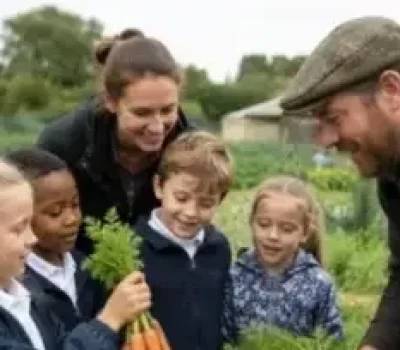
Farmer teaching five primary school children outdoors in a field, holding fresh carrots during a farm education visit

#2

Field To Classroom

Field to Classroom is a BFFD education project created to help children and young people understand where food comes from. 
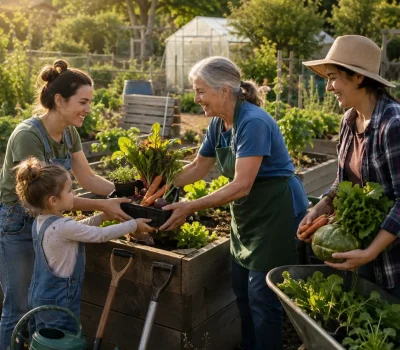
Community gardeners sharing freshly harvested leafy greens and vegetables in a sunny allotment garden

#3

Grow it Forward

Grow It Forward is a BFFD community growing project built around the idea that small food actions can create wider community value. 
Community gardeners sharing freshly harvested vegetables and leafy greens in a sunny allotment garden

#4

Farm to Future

Farm to Future is a BFFD careers and skills project designed to introduce people to the range of opportunities that exist across rural enterprises.

Interested In Learning More?

Explore related articles and insights on a vast range of topics.

Related Guides

Any of the links below are useful for anybody looking to learn more about growing local food, being part of our network and exploring food soverginty

Get Involved

Inviting farmers, schools, charities, producers and supporters to partner, share a story or support the mission.

Have you made an account?