Follow us:

How to Keep Bees

Specialist producers are the people who give British food its character, skill and local identity.

Learning how to keep bees starts with understanding that beekeeping is a responsibility, not just a hobby.


A colony of honey bees is a living system. It needs regular inspections, suitable equipment, careful siting, disease awareness, seasonal management and a beekeeper who is prepared to keep learning. Done well, beekeeping can support pollination, local honey production, food education and a deeper understanding of the landscape. Done carelessly, it can create stressed colonies, swarm problems, disease risks and avoidable pressure on neighbours and local bee populations.


This guide explains the foundations of keeping bees in the UK, what beginners need to understand, and how BFFD connects beekeeping with local food, producers, honey, education and community knowledge.

To keep bees in the UK, you should first learn from experienced beekeepers, join a local beekeeping association where possible, choose a suitable hive location, buy proper protective equipment, understand seasonal colony care, learn how to inspect bees safely and register with BeeBase so you can receive bee health support and alerts. New beekeepers should also understand notifiable pests and diseases, including American foulbrood, European foulbrood, small hive beetle and Tropilaelaps, which must be reported to the National Bee Unit or local bee inspector if suspected. The British Beekeepers Association says beekeeping is made much easier by belonging to a local association, where beginners can receive advice, tuition and support.

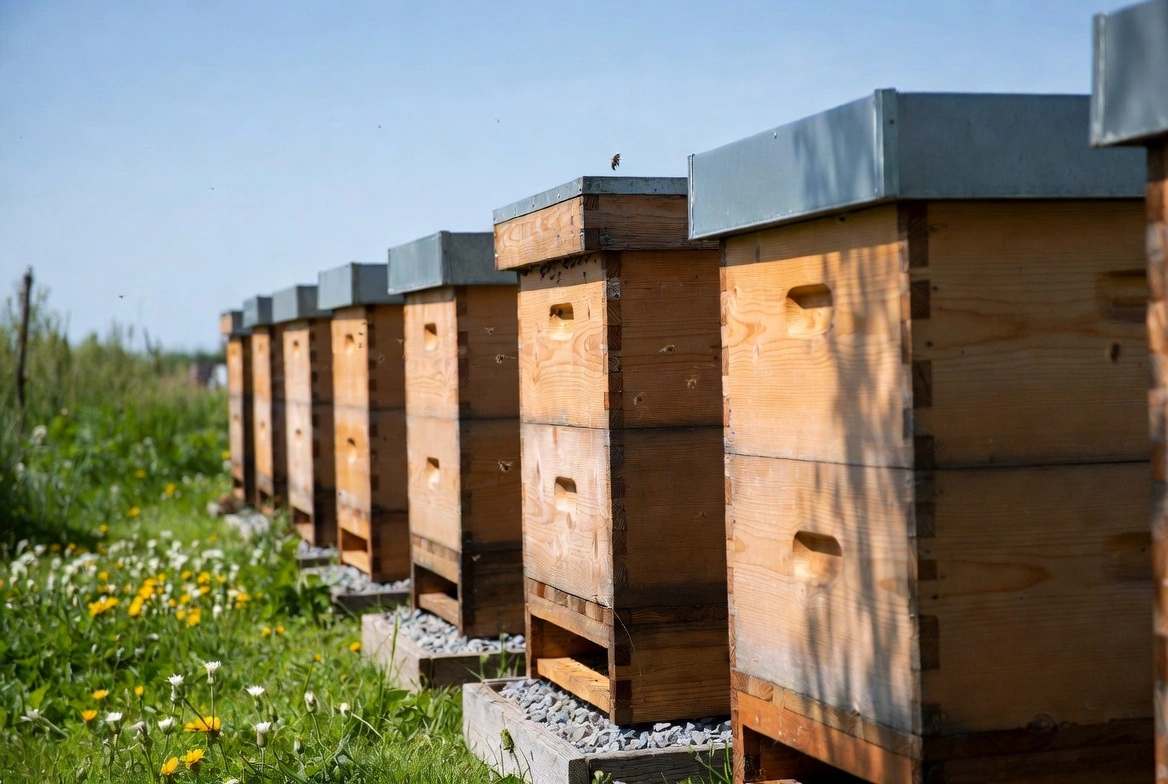
When buying a beehive in the UK, most beginners should first speak to a local beekeeping association and choose a hive type that is common in their area, easy to source parts for and suitable for their strength, site and training support. The British Beekeepers Association says there are different types of hive available, that this can be confusing for beginners, and that the National hive is the most common type in the UK. It also advises beginners to seek help from their local BBKA association when choosing what hive will be most suitable.
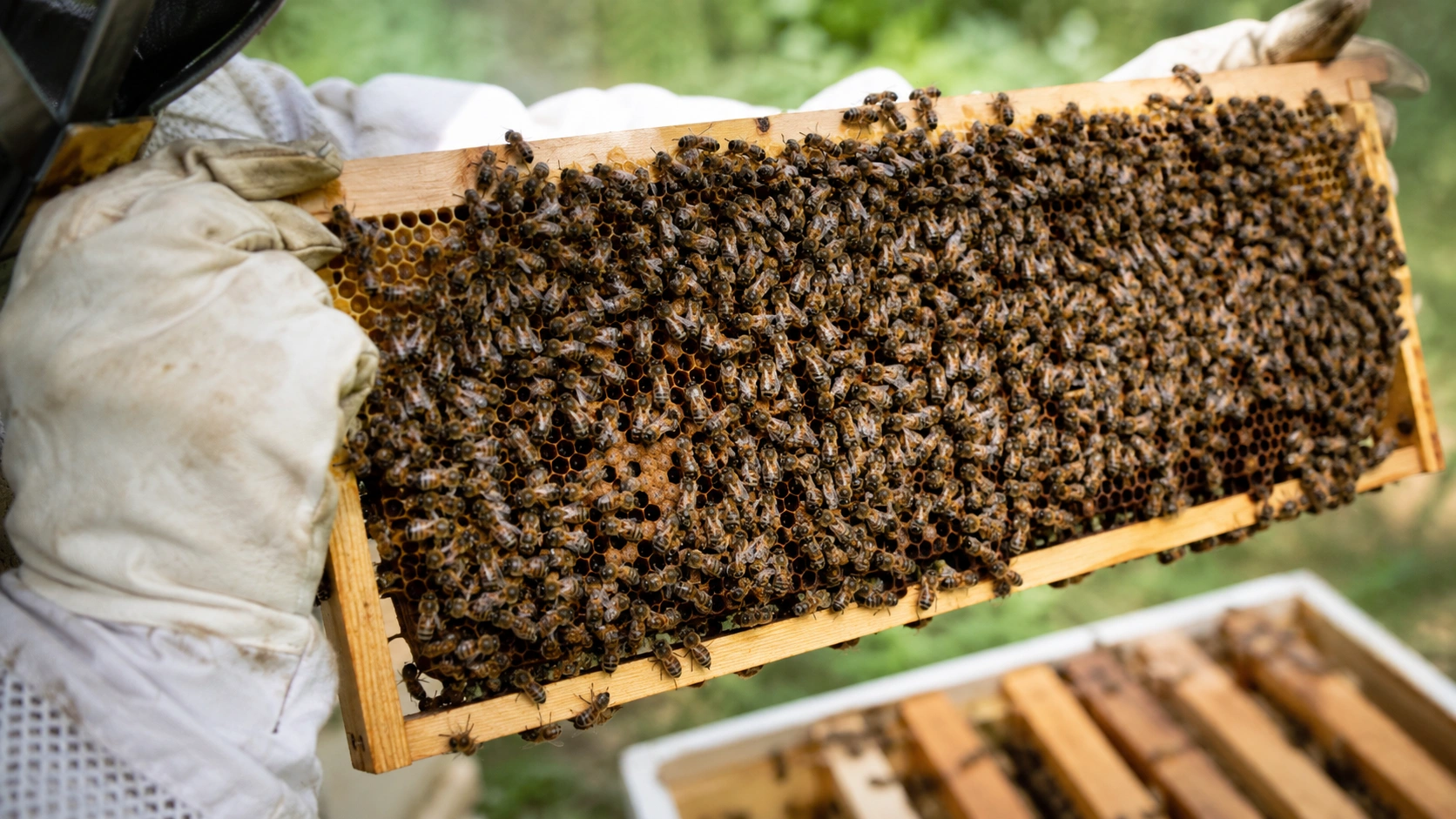
An image of a beekeeper holding up bees

What Beekeeping Involves

Keeping bees means managing a colony through the year.
A beekeeper must understand how bees live, how a colony grows, how queens lay, how workers behave, how honey is stored, how swarming happens, how pests and disease spread, and how seasonal weather affects food supply.

Beekeeping is not only about collecting honey. In fact, beginners should not start with honey as the main aim. The first aim should be keeping healthy bees.
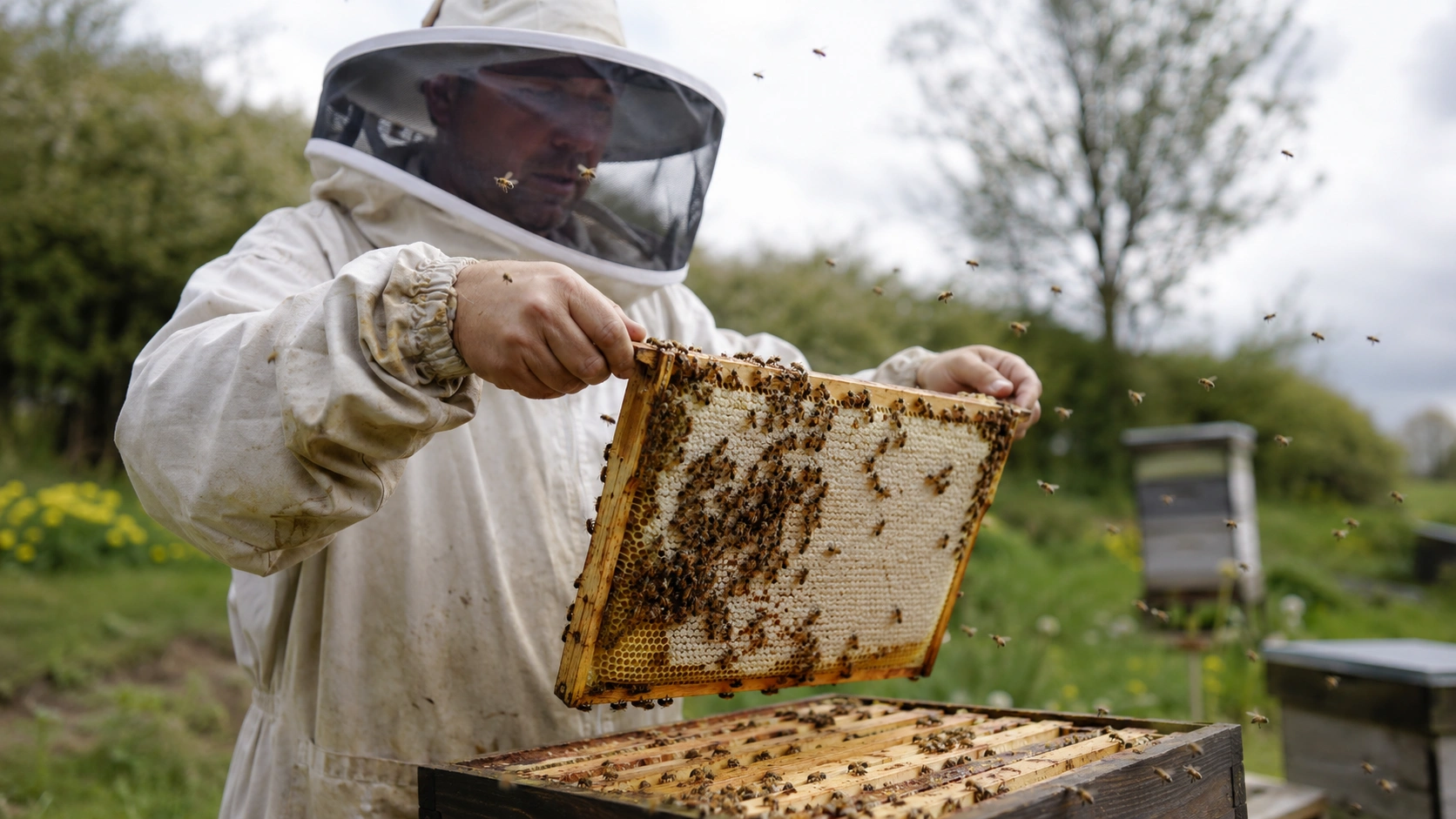
A beekeeper may need to:

The National Bee Unit provides beginner resources through BeeBase, including its Starting Right with Bees guide for people who are thinking about becoming beekeepers.

Step 1: Learn Before Buying Bees

The best first step is not buying a hive. It is learning.
A beginner should attend a local beekeeping course, join a beekeeping association, visit an apiary with experienced beekeepers and understand the practical work involved before committing money to equipment or bees.
The British Beekeepers Association recommends local association support for new beekeepers and provides a map to help people find beekeeping branches near them.
This matters because beekeeping looks simple from the outside. A hive in a garden can appear calm and self sufficient. In reality, bees need regular attention at the right times of year. A beginner who does not understand swarming, disease signs, colony strength or winter preparation can lose bees quickly or create problems for other beekeepers nearby.
a beekeeper teaching how to keep bees

Before You Start

Common Beehive Types in the UK

There are several hive types used by beekeepers in the UK. Beginners should understand the differences before buying.

National hive

The National hive is widely used in the UK and is often recommended to beginners because parts, frames and advice are widely available. The BBKA notes that the National is the most common hive type in the UK. For many beginners, the National hive is the most practical starting point because local associations often use it for teaching.

WBC hive

The WBC hive is the traditional double walled hive many people picture when they imagine a beehive. It can look attractive, but it has more parts and can be more time consuming to handle. It may suit some beekeepers, but beginners should understand the extra work before buying one.

Langstroth hive

The Langstroth hive is widely used internationally and is common in commercial beekeeping in some countries. Some UK beekeepers use it, but beginners should check local support and equipment availability.

Commercial hive

Commercial hives use larger brood boxes and may be suitable for stronger colonies or more experienced beekeepers. They can involve heavier lifting and may not be ideal for every beginner.

Top bar hive

Top bar hives are different from the common framed box systems. They can appeal to people interested in lower intervention styles, but they require specific knowledge and may not match most beginner training courses.


Hive typeBeginner suitabilityKey consideration
NationalOften suitableCommon UK choice with good part availability
WBCPossible, but more involvedTraditional look, more parts to manage
LangstrothDepends on local supportInternationally common, check UK availability nearby
CommercialUsually more advancedLarger and heavier components
Top barSpecialist choiceDifferent management style

Step 2: Choose a Suitable Hive Location

Bees need a suitable place to live.
A hive site is often called an apiary. It should be sheltered, dry, safe, accessible and positioned so bees can fly without causing unnecessary nuisance to people or animals. A poor site can make beekeeping harder and increase the risk of complaints.
A good hive location should have:
Garden beekeeping is possible, but not every garden is suitable. Small gardens, busy footpaths, close neighbours, schools, care homes or public areas may need extra thought. Beekeepers also need to think about swarm management. A swarm in the wrong place can cause fear, damage relationships and create avoidable work for local swarm collectors.

New Beehive or Second Hand Beehive?

Beginners often consider second hand hives because they can be cheaper. That can be sensible in some cases, but it needs great care.

Buying a new beehive

A new hive gives more confidence over condition, compatibility and hygiene. It may cost more, but it reduces uncertainty and avoids unknown disease history. New hives are usually the safer choice for beginners.

Buying a second hand beehive

A second hand hive may save money, but the risk is that it may have come from diseased colonies or been stored poorly. Old comb is especially concerning. Beginners should not buy used hives, frames or comb without experienced advice. The National Bee Unit provides guidance on hive cleaning and sterilisation because honey bee colonies can be affected by a range of pests and diseases, and equipment hygiene is part of responsible beekeeping.

Be careful with second hand beehives

Never use second hand hive parts, frames or comb without understanding their history and how they should be cleaned or sterilised. Poorly cleaned equipment can spread serious bee disease. Ask an experienced beekeeper or your local association before buying used kit.

Step 3: Get the Right Beekeeping Equipment

Beginners need proper equipment before bees arrive. Basic equipment normally includes:
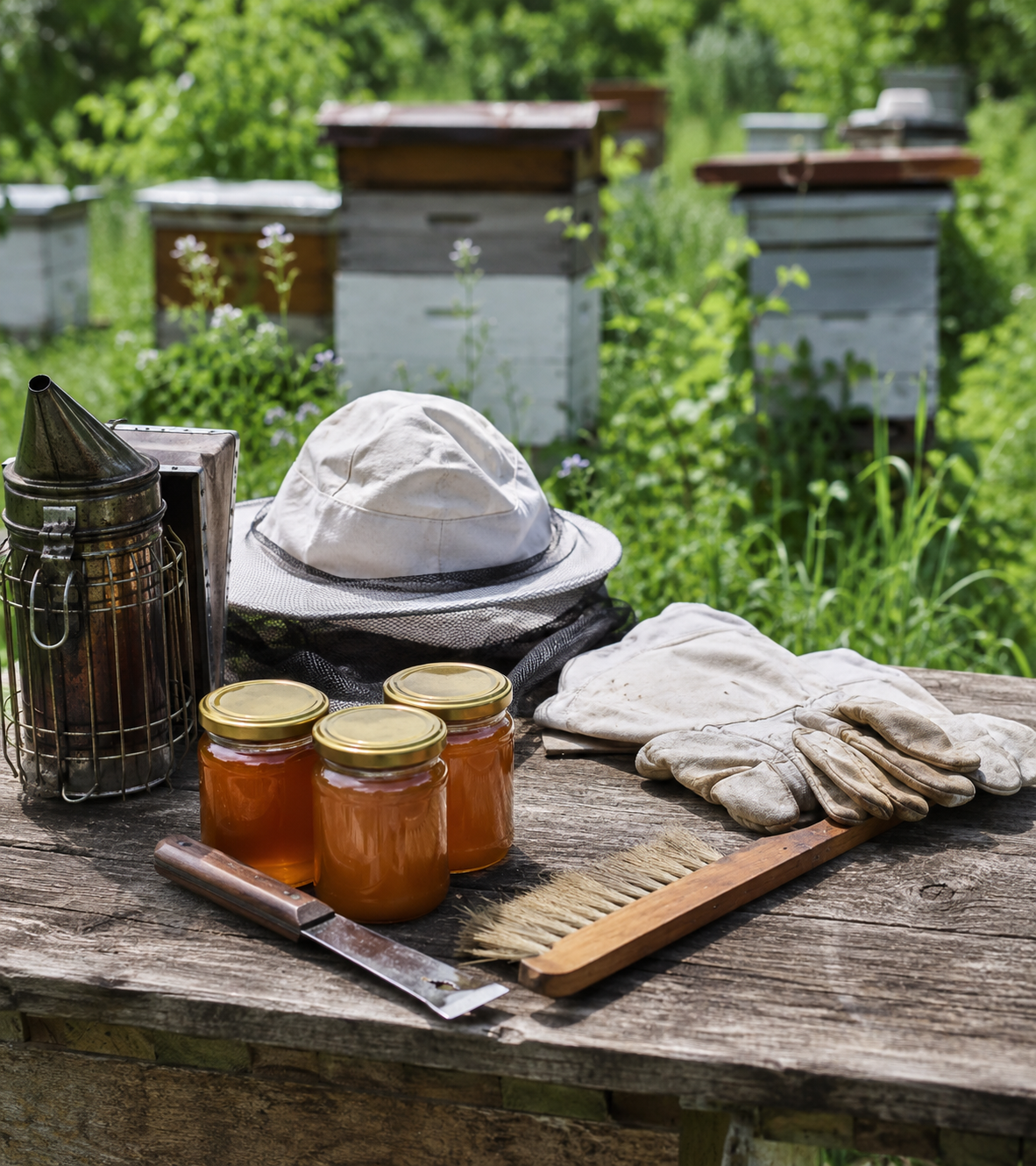
Buying cheap or unsuitable equipment can create problems. Poor quality protective clothing can make inspections stressful. Old second hand equipment may carry disease risk if not properly cleaned or sourced responsibly. A hive type should be chosen with local advice, not only because it looks attractive online.
A range of bee equipment on a table

Wooden, Polystyrene or Plastic Beehives

Beehives can be made from different materials, and each has practical considerations.

Wooden hives

Wooden hives are traditional, widely available and familiar to many UK beekeepers. They can last well if maintained properly, but they need weather protection and regular care.

Polystyrene hives

Polystyrene hives can offer insulation and lighter handling, but they require compatible parts and specific cleaning methods. Beginners should check whether local mentors use them.

Plastic hive components

Some hives or parts use plastic. They may be durable and easy to clean, but compatibility, heat, bee behaviour and local experience should be considered.

There is no single perfect material for everyone. The best hive material is the one you can manage, clean, maintain and get support with.
Step 4: Understand the Beekeeping Year

Beekeeping changes with the seasons.
In spring, colonies build up and the beekeeper needs to check health, food levels and space. In late spring and early summer, swarm control becomes important. In summer, honey flow, supers and colony strength need attention. In late summer and autumn, the beekeeper prepares bees for winter, monitors pests and ensures sufficient stores. In winter, bees are mostly left undisturbed, but the hive still needs occasional external checks.
The BBKA’s beekeeping year guidance describes beekeeping as a seasonal activity and notes the common phrase that in the UK there are two beekeeping seasons: winter and preparing for winter.
This is a useful reminder for beginners. Beekeeping is not busiest when people expect it to be. The work often comes in short, important windows where timing matters.
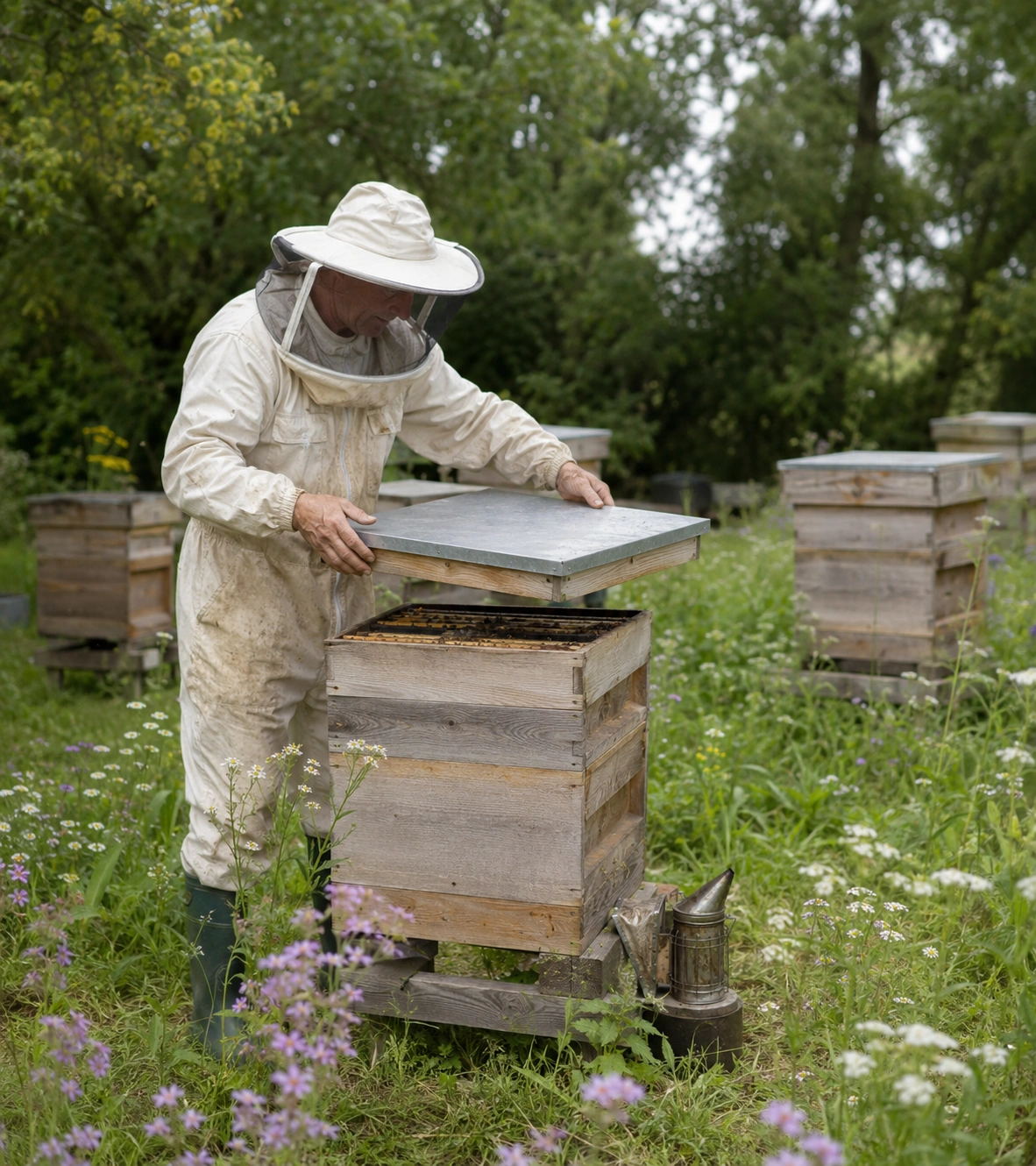
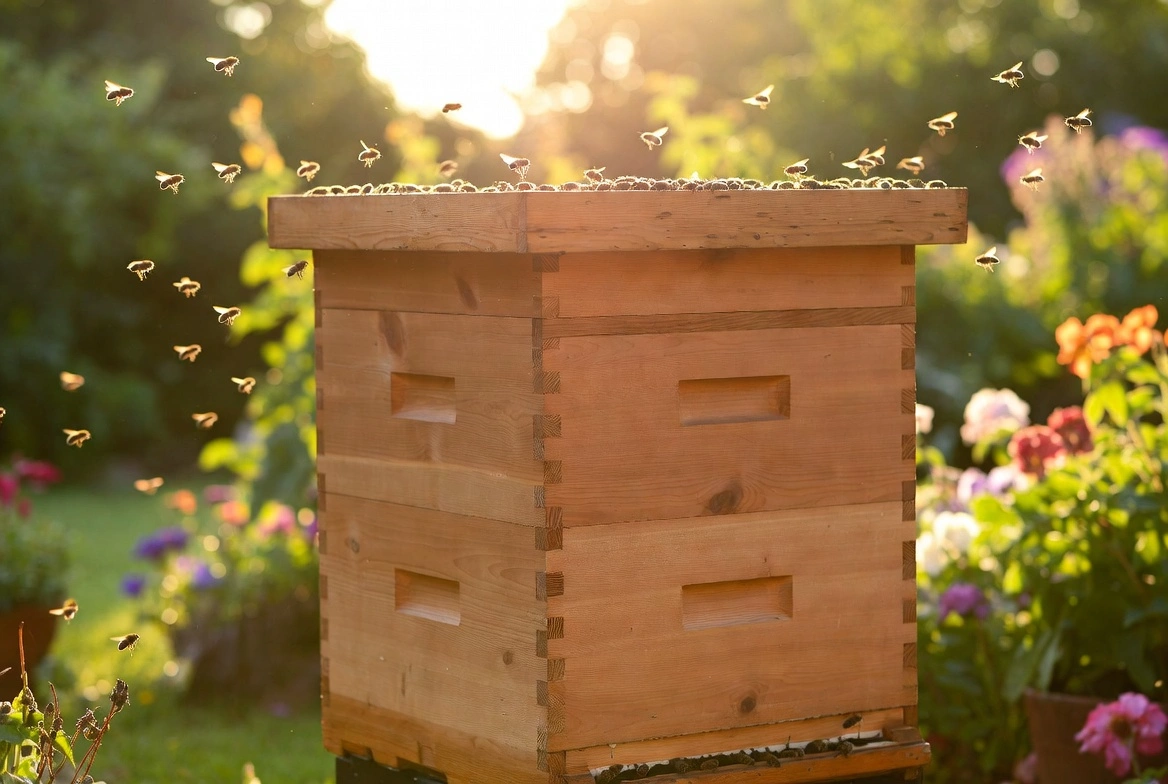
A man tending to bees in summer
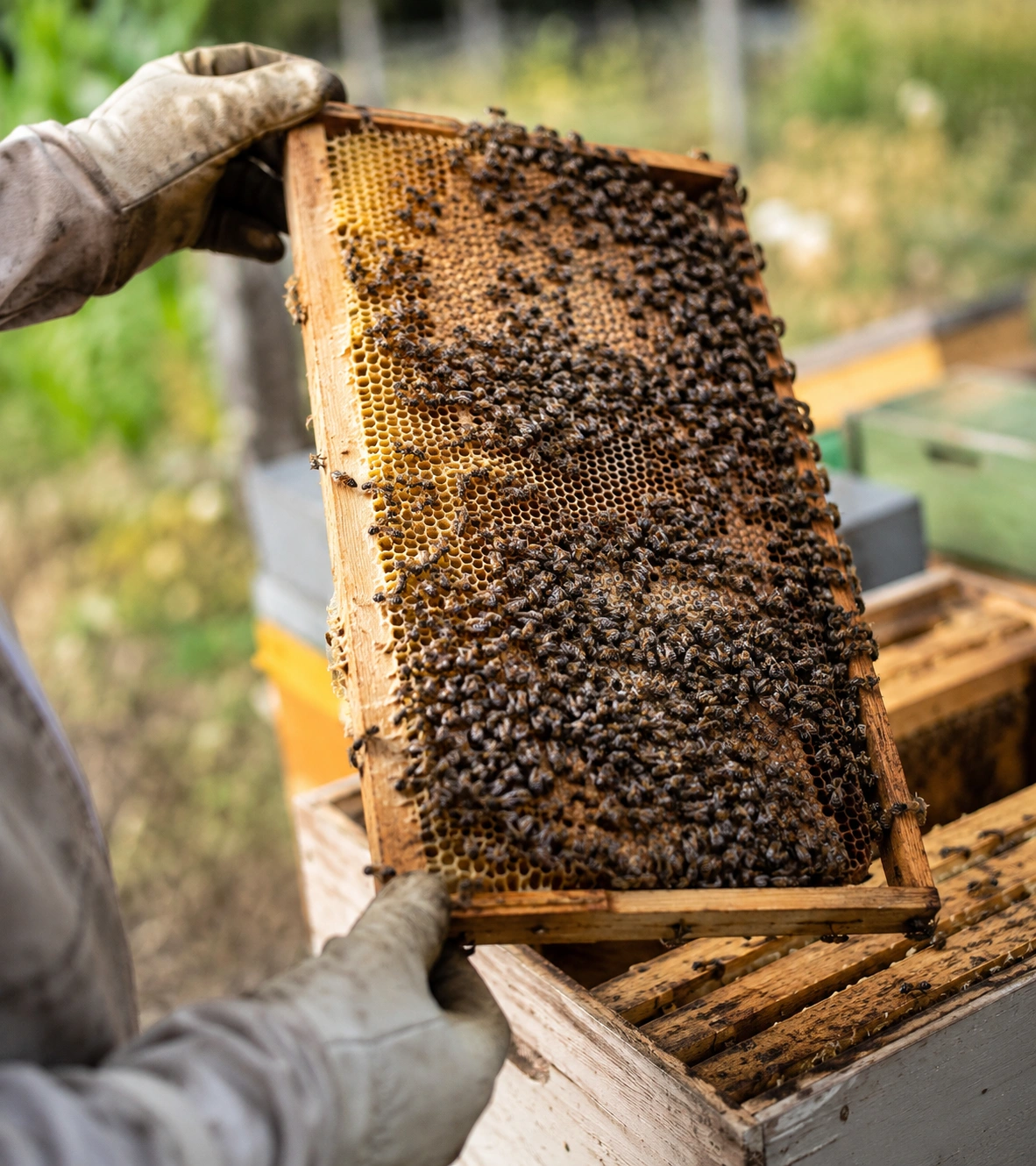
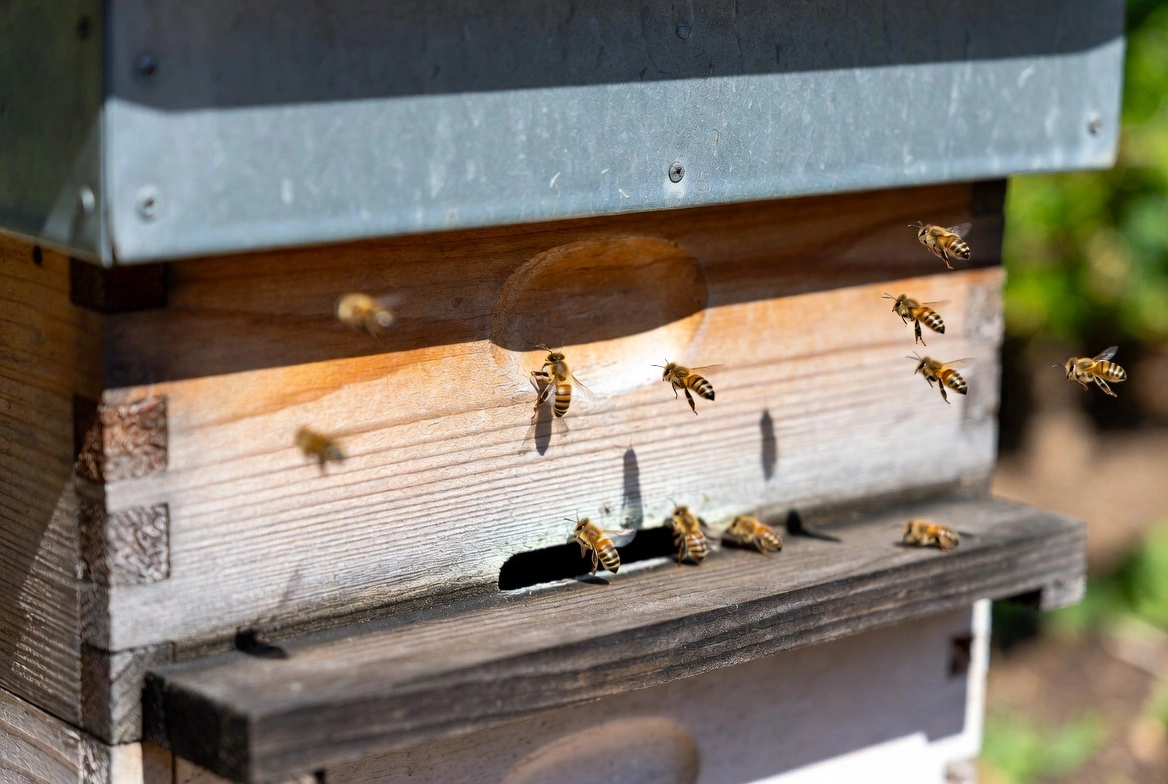
bees moving on their beehive

Step 5: Learn How to Inspect Bees Safely

Hive inspections are one of the core skills in beekeeping.
A beekeeper checks the colony to understand whether the bees are healthy, whether the queen is laying, whether there is enough space, whether there are signs of swarming, whether stores are adequate and whether pests or disease are present.
A beginner should learn inspections in person, ideally with an experienced beekeeper. Books and videos help, but they cannot replace seeing a real colony handled calmly.
A good inspection should be:
Beginners should avoid opening hives too often without reason. Over inspection can stress bees, chill brood and make the beekeeper less confident.

Bee health is a legal and community responsibility

If you suspect a notifiable pest or disease in your bees, contact the National Bee Unit or your local bee inspector immediately. Do not ignore unusual brood patterns, dead larvae, suspect beetles or serious colony health concerns.
Step 6: Understand Bee Health and Disease Responsibilities

Bee health is one of the most important parts of keeping bees.
Honey bees can suffer from pests and diseases that spread between colonies. Some are notifiable. In England and Wales, GOV.UK guidance says beekeepers must tell the National Bee Unit or local bee inspector immediately if they suspect notifiable pests or diseases, and failure to do so is an offence. The guidance includes American foulbrood, European foulbrood, small hive beetle and Tropilaelaps among reportable or notifiable risks.
This is why responsible beekeeping matters. A single neglected colony can create problems beyond one garden or apiary.
Beekeepers should also understand inspection procedures. GOV.UK provides information about honey bee inspections carried out by the Animal and Plant Health Agency to control notifiable pests and diseases, including colony inspections, veterinary medicine records and honey samples.

Step 7: Register and Use BeeBase

New beekeepers should use BeeBase to access official guidance, bee health resources, disease information and support from the National Bee Unit. BeeBase also helps beekeepers stay informed about local disease risks and official bee health updates.
The National Bee Unit’s BeeBase pages include beginner resources, advisory leaflets, training manuals and advice for new beekeepers.
For beginners, this is one of the most important external resources to use from the start.

Step 8: Think About Neighbours and the Public

Beekeeping does not happen in isolation.
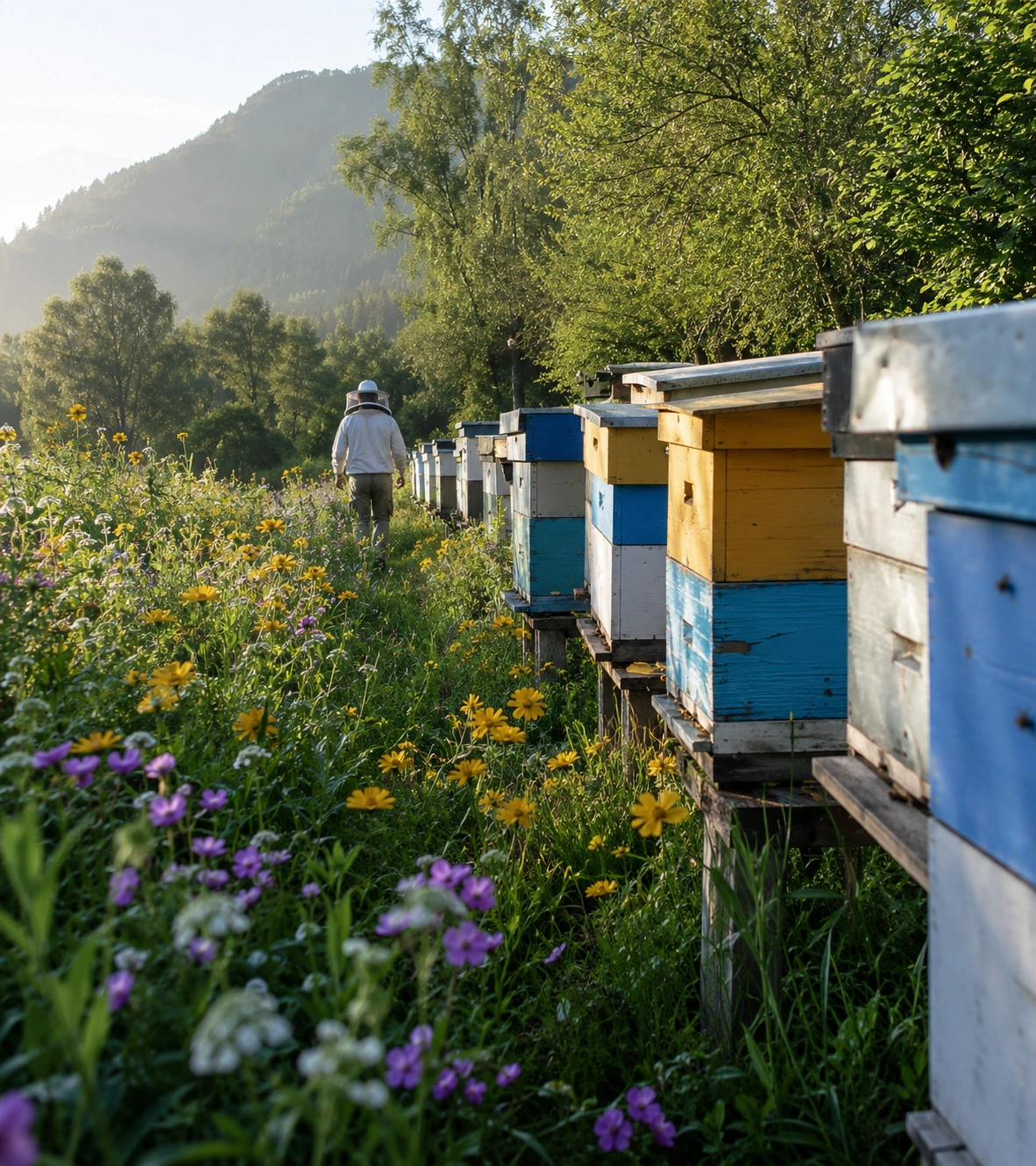
If bees are kept near homes, footpaths, schools, allotments, livestock, public gardens or businesses, the beekeeper needs to think about how the colony affects other people. Bees need a sensible flight path. Neighbours should not be forced to deal with avoidable nuisance. Swarms should be managed responsibly.

Good beekeeping involves diplomacy as well as skill. A thoughtful beekeeper will:
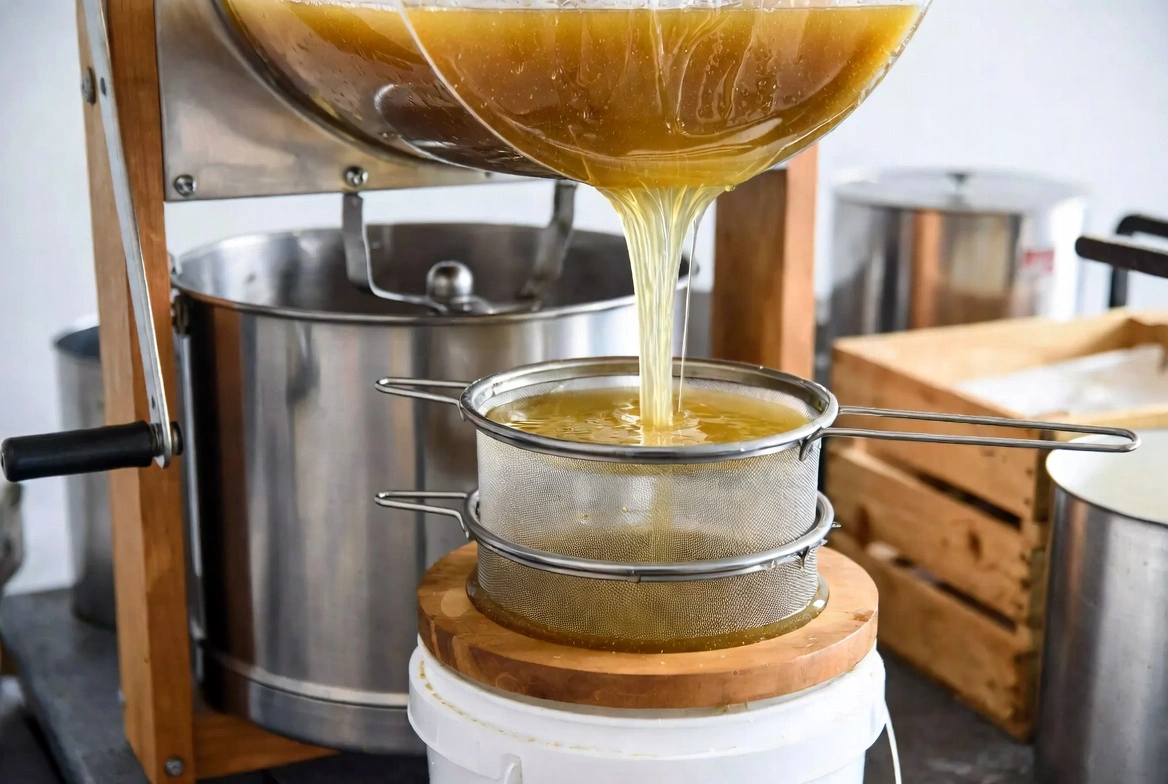
A honey harvest

Step 9: Harvest Honey Responsibly

Honey is often the reward people imagine when they think about beekeeping, but it should not be taken at the expense of colony health.

Bees need stores to survive. A beekeeper should only remove surplus honey and must understand how to prepare colonies for winter. Honey extraction also needs clean handling, suitable equipment, storage, labelling knowledge and food hygiene awareness if honey is being sold or supplied.

If a beekeeper plans to sell honey, they should check relevant food safety and labelling responsibilities. BFFD can support honey producers with visibility, but it does not replace official compliance guidance.

Common Mistakes New Beekeepers Make

Many beginner problems come from moving too quickly.

Common mistakes include buying bees before training, choosing a poor hive site, relying only on online videos, buying unsuitable second hand equipment, inspecting too often, failing to recognise disease, ignoring swarm preparation, underestimating winter stores and taking honey too early.

The best beginner beekeeper is not the person who buys the most equipment. It is the person who asks good questions, learns from local beekeepers and takes bee health seriously.

Reputable External Sources

Official bee health and beekeeping resource for England and Wales.

Beginner guidance for people considering beekeeping.

Beginner advice, local association support and training guidance.

4. BBKA: Find Beekeeping Near You

Map to find local beekeeping branches and support.

5. GOV.UK: Honey bees, protecting them from pests and diseases

Official guidance on notifiable bee pests and diseases.
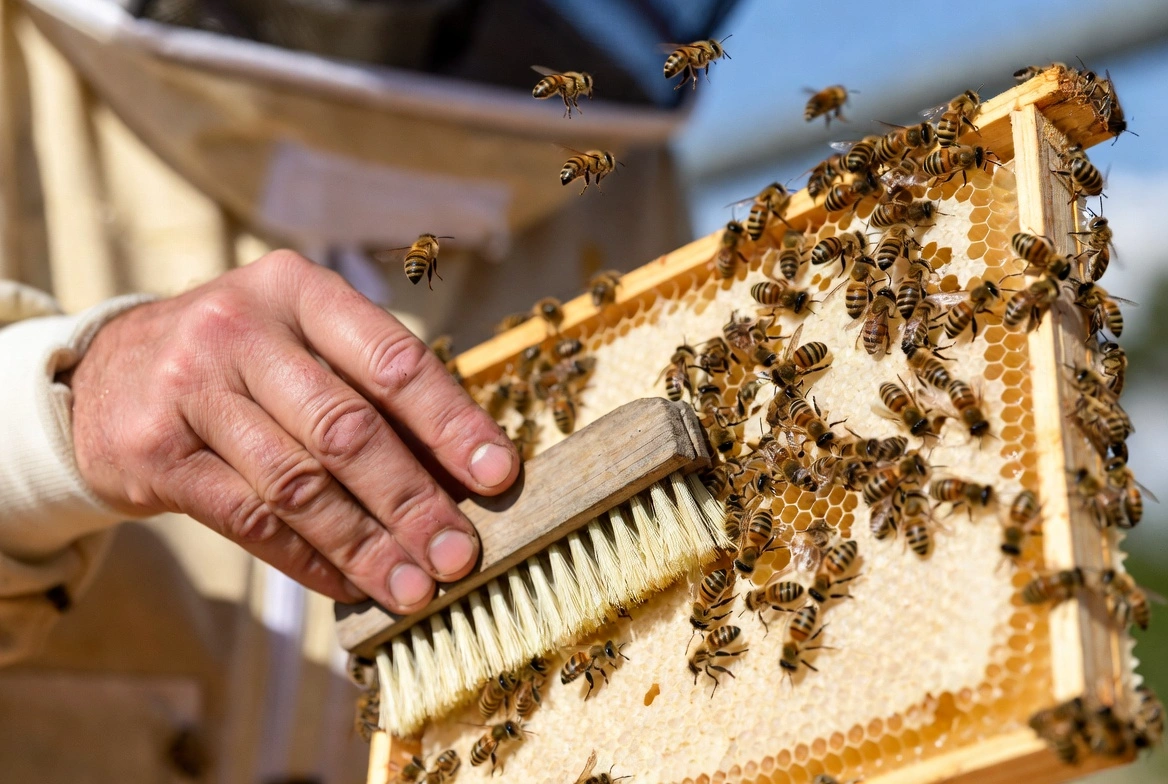
a man cleaning a bee hive

* External sources are provided for further reading. BFFD does not provide veterinary, legal, equipment safety or bee health inspection advice. Beekeepers should always follow current official guidance and contact the National Bee Unit or local bee inspector where required.

FAQ

How do I start keeping bees?
Start by learning from experienced beekeepers, joining a local beekeeping association, attending a beginner course and reading official guidance from BeeBase and the National Bee Unit before buying bees or equipment.
There is no single general licence for hobby beekeeping in most cases, but you must consider land ownership, tenancy rules, neighbours, local restrictions, public safety and bee health responsibilities. If you suspect a notifiable pest or disease, you must report it to the National Bee Unit or your local bee inspector.
Yes. The BBKA says beekeeping is made much easier by belonging to a local association where beginners can receive advice, tuition and support.
A beginner usually needs a hive, frames, protective clothing, smoker, hive tool, feeder, spare equipment and a record keeping system. It is best to speak to a local beekeeping association before buying everything.
You may be able to keep bees in a garden if the site is safe, suitable and considerate of neighbours. Not every garden is appropriate. Hive placement, flight paths, swarm control and public safety all matter.
During the active season, colonies usually need regular inspections, especially through spring and early summer when swarming risk increases. Frequency depends on weather, colony condition and the beekeeper’s management plan.
In England and Wales, suspected notifiable pests and diseases must be reported to the National Bee Unit or local bee inspector. GOV.UK guidance includes American foulbrood, European foulbrood, small hive beetle and Tropilaelaps among serious risks.
You may be able to sell honey, but you should check food hygiene, labelling and local trading responsibilities before doing so. BFFD can help honey producers become more visible, but it does not replace official food compliance guidance.

Choose a Beehive That Supports Responsible Beekeeping

A good beehive should make inspections, colony care and learning easier. BFFD is being built to help beekeepers, honey producers and local food suppliers become easier to find, understand and support.