Follow us:

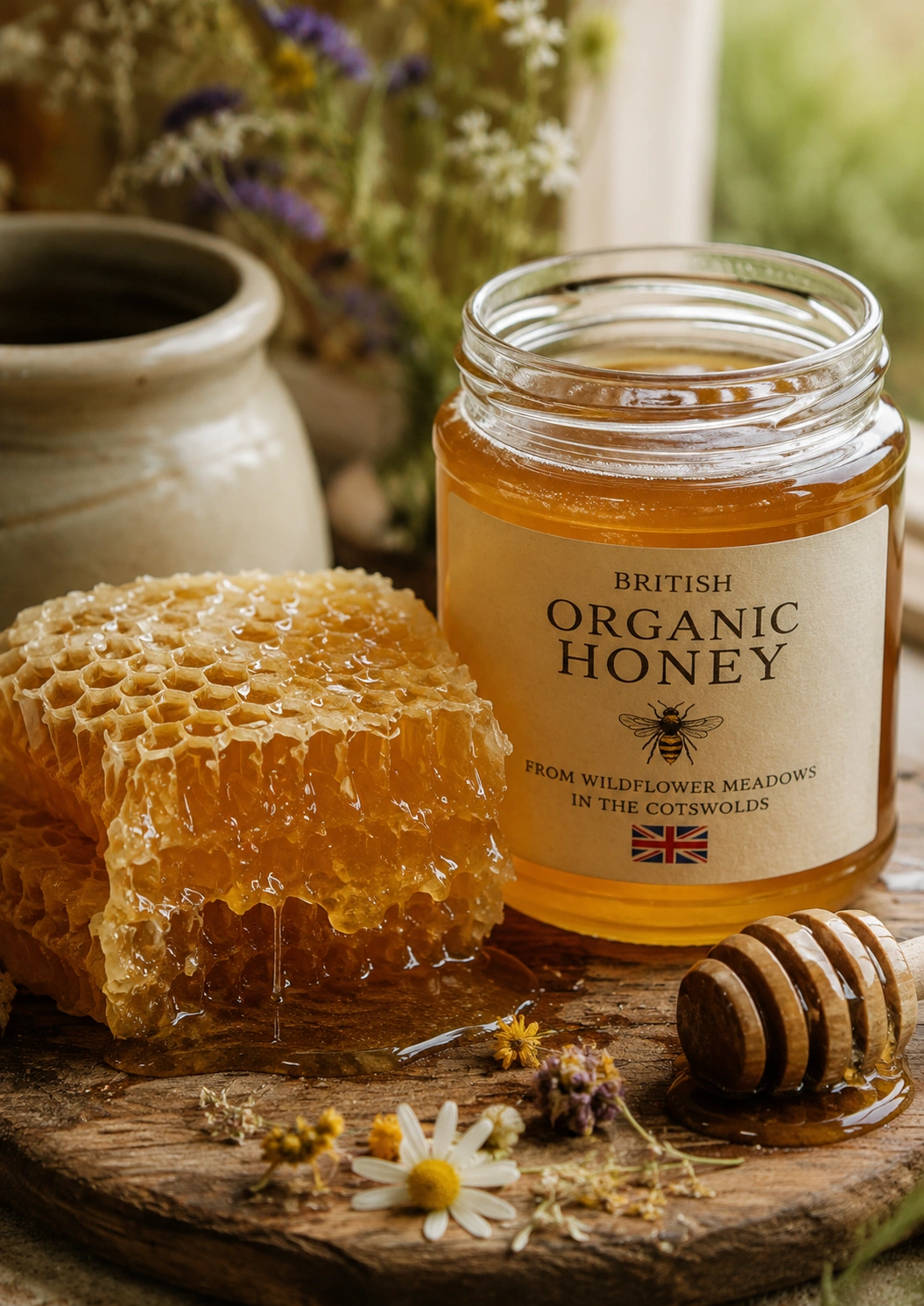
British Organic Honey

British Organic Honey sounds simple, but it is one of the honey terms shoppers should approach carefully.

Honey can be British. Honey can be organic. Honey can be local, natural, raw, set, runny, blended or single origin. Those words do not all mean the same thing. When the word organic is used, it carries legal and certification responsibilities. When the word British is used, shoppers should be able to understand where the honey was harvested.

British organic honey would mean honey harvested in Britain and produced, handled, labelled and sold under recognised organic certification rules. In the UK, businesses must be certified by an approved organic control body if they produce, prepare, store, import, export, market or sell organic products. Honey must also be labelled with the country or countries where it was harvested. Because bees can forage over a wide area, genuine organic honey production can be difficult to verify, so shoppers should check certification details, country of origin, producer information and whether the organic claim is clearly supported.
BFFD helps specialist producers become easier to find online by giving them structured supplier profiles, product visibility, location based discovery and supporting content that explains what they offer. The Specialist Producers section includes pages for butchers, cheesemongers, fishmongers, bakers, beekeepers, livestock producers, milk producers, lamb producers, mushroom growers, preserve makers, cider makers, fermented food producers, vegetable growers and fruit growers.
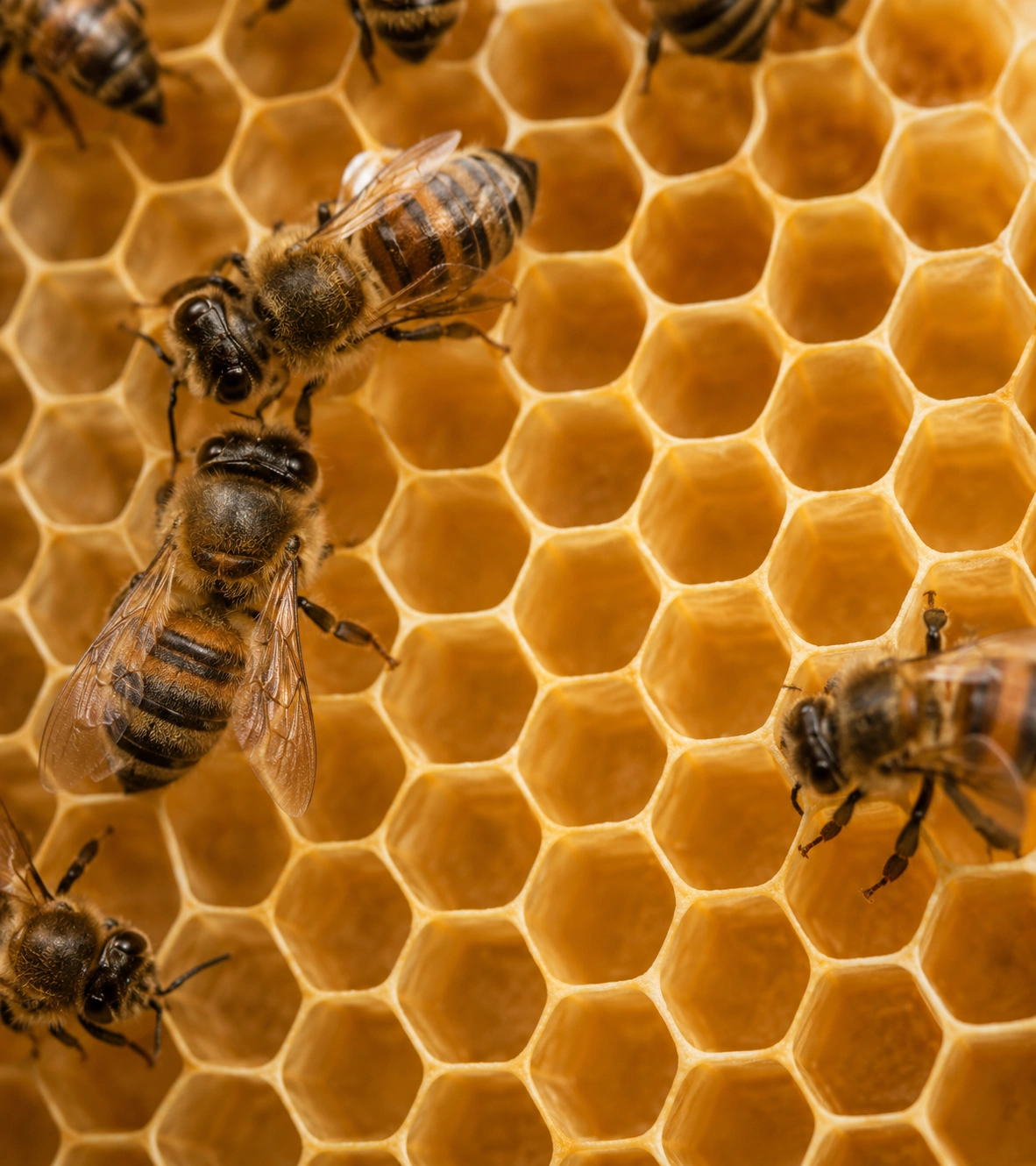
bees making a beehive

What British Organic Honey Means

British organic honey should mean two things at once.

First, the honey should be British, meaning it was harvested in Britain and labelled clearly with its country of origin.
Second, it should be organic, meaning the product and business activities connected to it meet organic certification and labelling requirements.

That matters because these words are often used loosely in food marketing. “British” should not be guessed from packaging design, countryside imagery or a union flag style label. “Organic” should not be used just because something feels natural or comes from bees.

That matters because these words are often used loosely in food marketing. “British” should not be guessed from packaging design, countryside imagery or a union flag style label. “Organic” should not be used just because something feels natural or comes from bees.

For BFFD, the point is simple: shoppers should not have to decode vague honey language. They should be able to see where honey came from, who produced it and whether any organic claim is properly supported.

Why Organic Honey Is Complicated

Organic honey is more complicated than organic vegetables, organic eggs or organic milk because bees fly.
A beekeeper can control where hives are placed, how colonies are managed and how honey is handled, but bees forage across the landscape. They may visit flowers, trees, gardens, crops, hedgerows, verges, wild plants and farmland across a wide radius.
This creates a practical challenge. For honey to be certified organic, the surrounding forage area and beekeeping management need to meet strict rules. In a mixed British landscape, where organic land, conventional farms, roads, gardens and urban areas often sit close together, meeting those standards can be difficult.

That does not mean all British honey is poor quality. Far from it. Many local beekeepers produce excellent honey with strong provenance. It simply means shoppers should not assume “organic” unless the product is certified and labelled correctly.
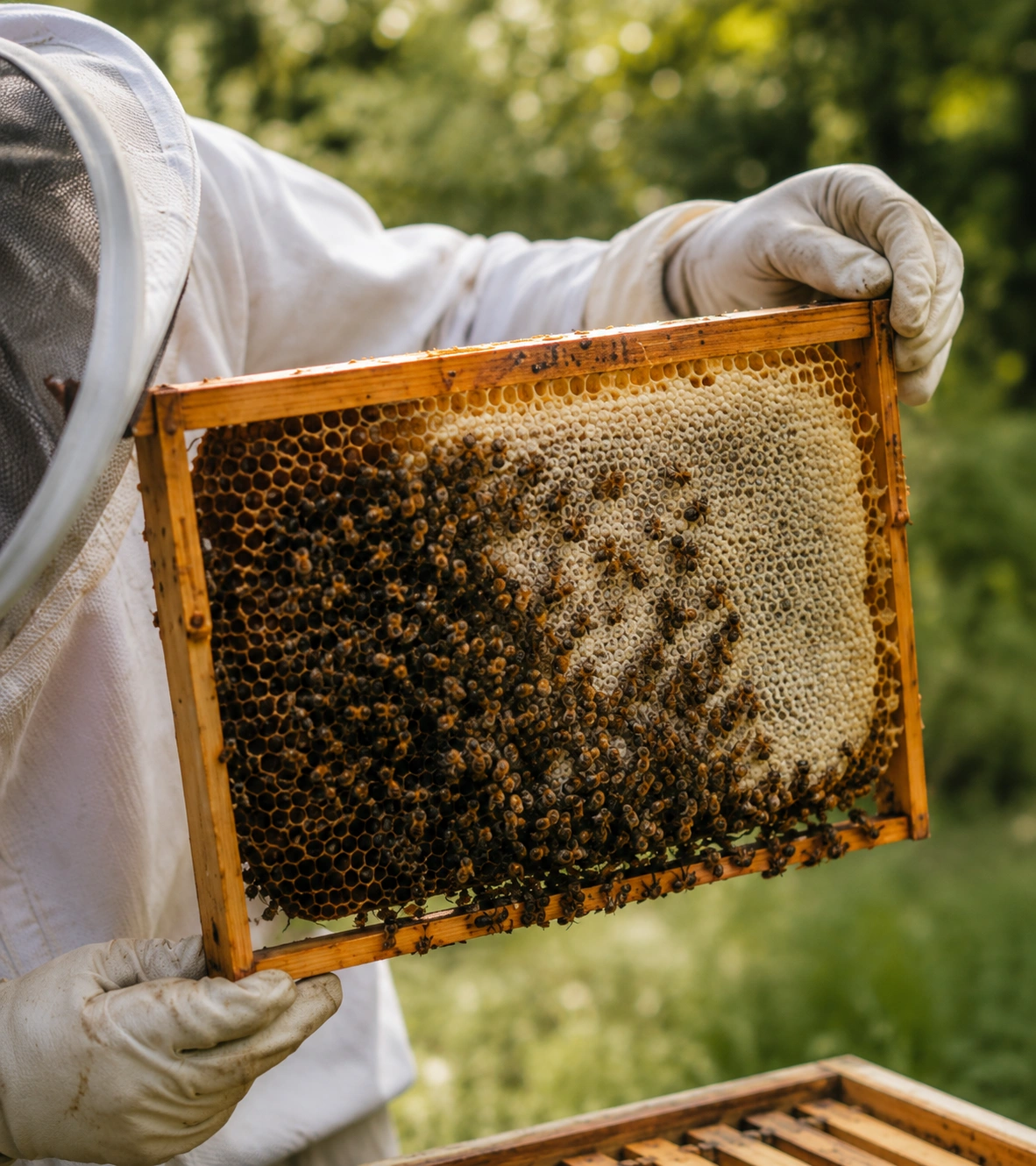
bees in a beehive

Check Before You Buy

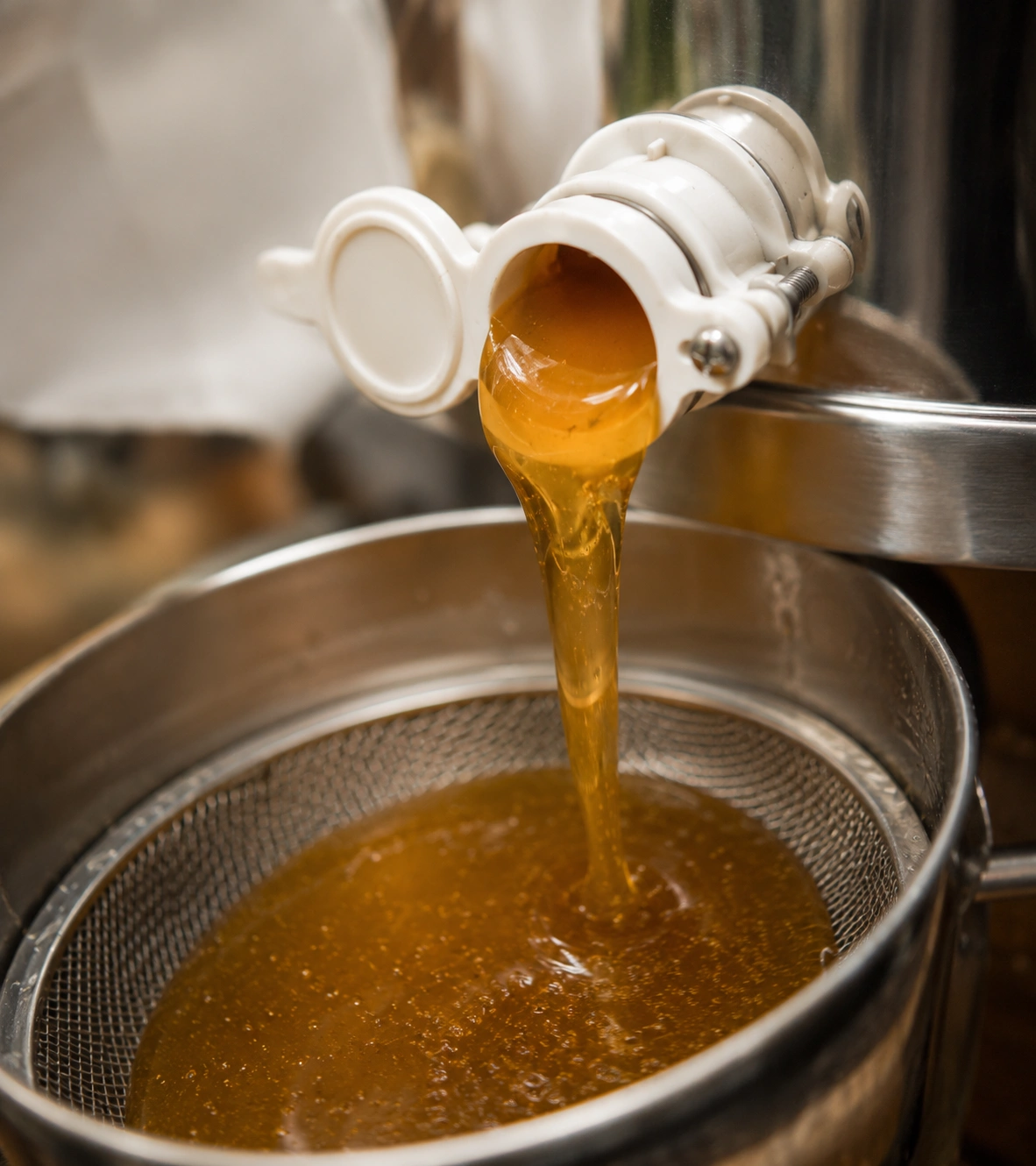
honey being poured into a pan

Can UK Honey Be Organic?

In principle, honey can be certified organic if it meets organic rules.
In practice, British certified organic honey can be difficult because bees forage widely and the surrounding area must meet strict requirements. Some discussions of UK organic honey point out that certifying honey as organic is challenging in Britain because hives need to be sited in areas where the forage zone is mainly organic crops or wild land.
This is why shoppers may see imported organic honey more often than British certified organic honey.

The important thing is not to assume. Look for certification and origin details.

British Honey Still Has Strong Value

A jar does not have to be certified organic to be valuable.

British local honey can still offer strong provenance, seasonal flavour, direct support for beekeepers and a clear connection to landscape. For many shoppers, buying from a named local beekeeper may be more meaningful than buying anonymous imported organic honey.
That is not an argument against organic honey. It is a reminder to compare real details.
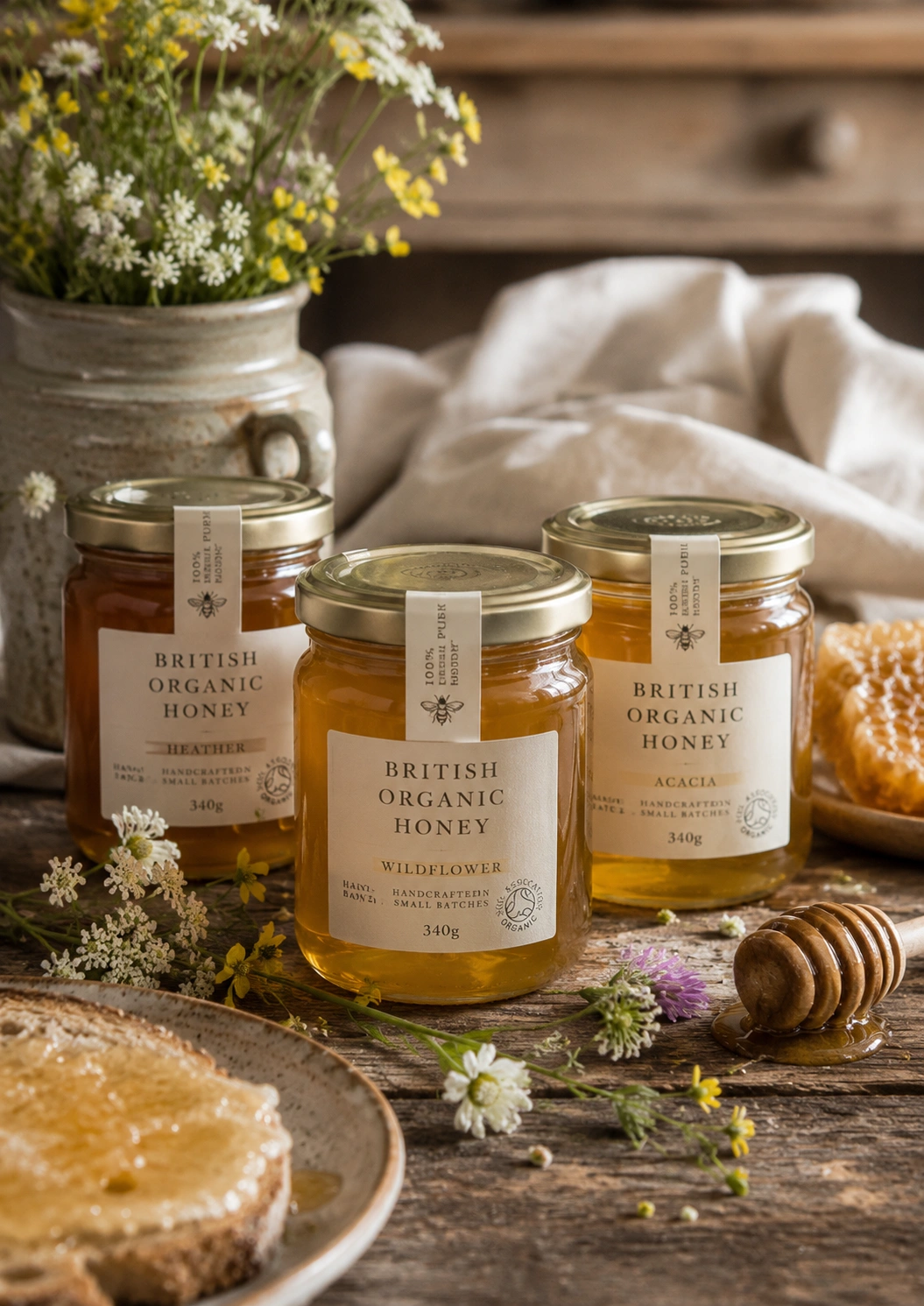
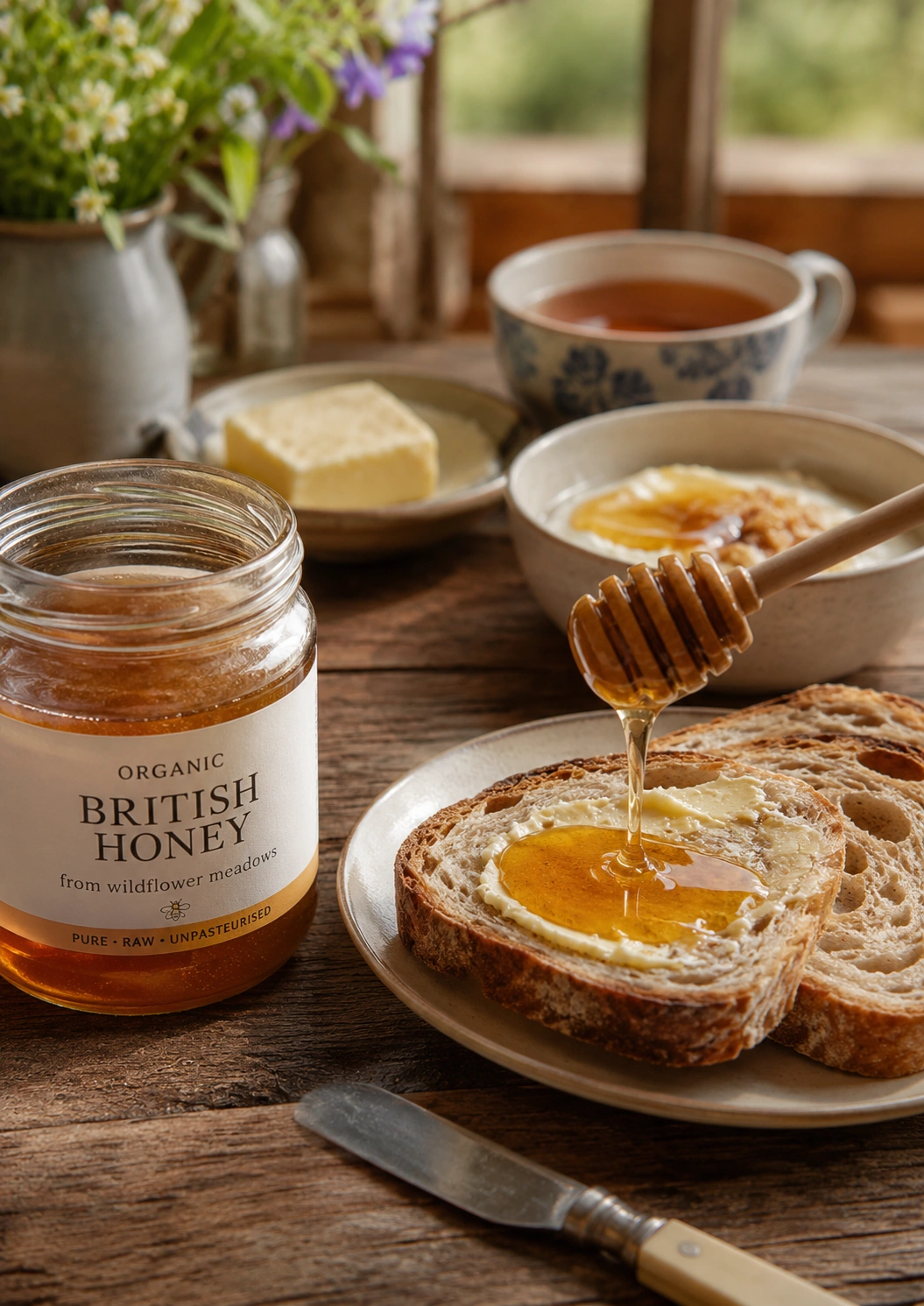
British Organic Honey on a table

Organic Is a Regulated Claim

The word organic should be treated carefully. Organic food is not just food that sounds natural, handmade or traditional. It is a certified production and labelling category. GOV.UK organic labelling guidance explains that certification is required for activities relating to organic products in the UK, including production, preparation, storage, import, export, marketing and selling. If a third party is used, that third party must also be certified by an approved organic control body.


British Organic Honey, Natural Honey & Local Honey

British Organic Honey

Honey harvested in Britain and produced, handled and labelled under organic certification rules.

Natural Honey

A broad descriptive phrase that may be used to suggest a simple, less processed product, but it is not the same as organic certification. Any use of “natural” should not mislead.

Local Honey

Honey harvested by a beekeeper in a local area or region. Local honey can be excellent, but it is not automatically organic.

Raw Honey

A marketing phrase often used for honey that has not been heavily heated or processed, but shoppers should still check the producer, origin and label.

Blended Honey

Honey from more than one source or country. This should be made clear through origin labelling.
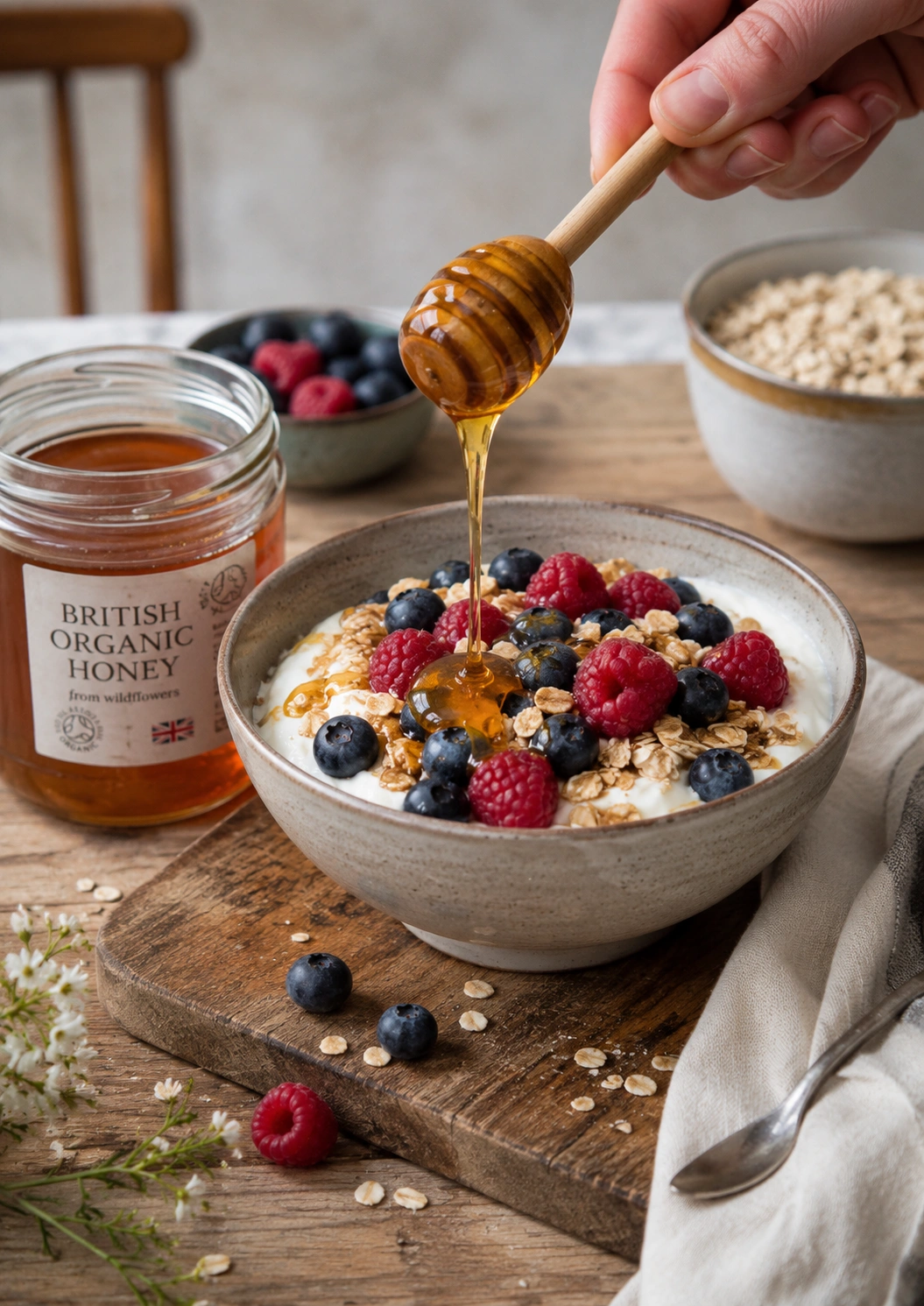
British Organic Honey Breakfast

What to Check Before Buying British Organic Honey

When looking for British organic honey, check the detail rather than relying on the front label.


Ask:

If the product cannot answer basic questions, be cautious.

Common Misunderstandings About British Organic Honey

British honey is not automatically organic

British refers to where honey was harvested. Organic refers to certification and production standards.

Organic honey is not automatically local

Organic honey can be imported. Check the country of origin.

Packed in the UK does not always mean British honey

A product can be packed in the UK but harvested elsewhere. Check origin wording.

How Beekeepers Should Present Organic Claims

Beekeepers and honey sellers should be careful when using organic language.

mislead people into thinking the honey is certified when it is not. It is better to be specific and honest.

Examples of clearer wording may include:

GOV.UK guidance also states that serious risks such as small hive beetle and Tropilaelaps mite must be reported to the National Bee Unit immediately if suspected.

A hive should support responsible inspection and disease awareness.
These phrases still need to be accurate, but they can communicate value without incorrectly using organic terminology.
British Organic Honey on a table
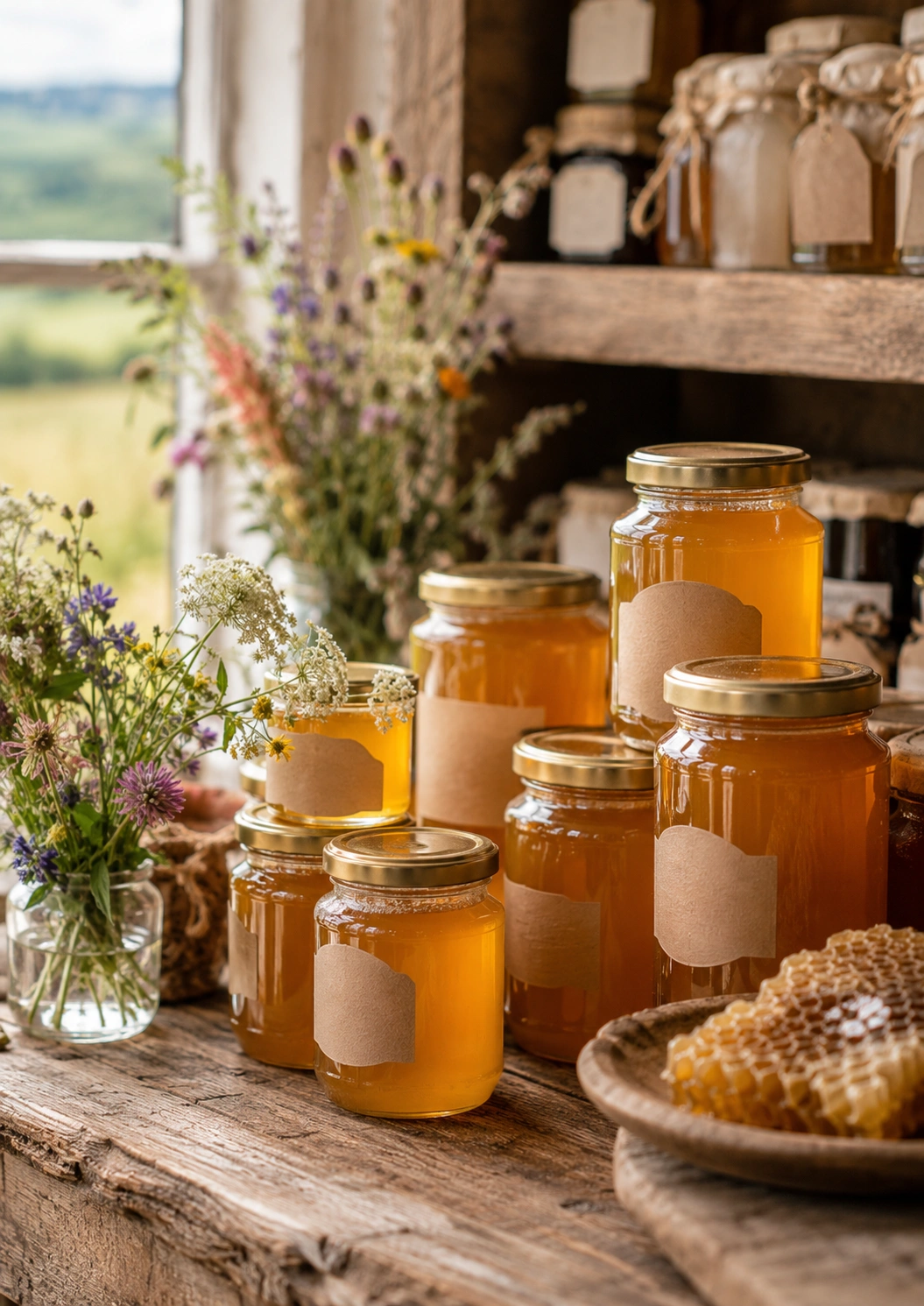
British Organic Honey labelled in a shop

British Organic Honey and BFFD

BFFD is being built to help people find honey with clearer links between food, place and producer.
For honey producers and beekeepers, a BFFD profile can help explain:

A BFFD beekeeper profile can help show:

For shoppers, this makes the search more useful. Instead of relying only on labels and claims, users can discover the person, place and story behind the jar.

Reputable External Sources

Useful for beginner advice, hive types and local association guidance.

Use this for honey country of origin and honey labelling guidance.

Official guidance on cleaning and sterilising hive equipment.

Use this for practical organic food labelling context.

Use this for organic certification standards context
Use this only as supporting context for why organic honey is difficult in the UK, not as the main authority.
Organic Honey hero shot

* External sources are provided for further reading. BFFD does not provide veterinary, legal, equipment safety or bee health inspection advice. Beekeepers should always follow current official guidance and contact the National Bee Unit or local bee inspector where required.
FAQ

What does British organic honey mean?
British organic honey should mean honey harvested in Britain and produced, handled, labelled and sold under recognised organic certification rules.
Yes. Organic is a regulated food term. GOV.UK says businesses must be certified by an approved UK organic control body if they produce, prepare, store, import, export, market or sell organic products in the UK.
No. British honey means honey harvested in Britain. It does not automatically mean the honey is organic.
No. Organic honey can be imported. Shoppers should check the country of origin and certification details.
Bees forage across wide areas, and organic honey certification depends on strict requirements around hive management and surrounding forage. In Britain’s mixed landscape, this can be difficult to achieve consistently.
Check the country of origin on the label. Honey should be labelled with the country or countries where it was harvested.
It depends what the shopper values. Local honey from a named beekeeper may offer clearer provenance and direct producer support, while certified organic honey offers a regulated production claim. They are different forms of trust.
BFFD helps users find beekeepers, honey producers, farm shops and markets with clearer information about location, honey type, seasonal availability, buying options and provenance.

Find Honey With Clearer Provenance

British organic honey should be easy to understand, not hidden behind vague labels or unclear claims.BFFD is being built to help people find beekeepers, local honey producers, farm shops and specialist suppliers with clearer links between food, place, production and trust.