Specialist producers are the people who give British food its character, skill and local identity.
Buying a beehive is one of the biggest early decisions a new beekeeper makes. A hive is not just a wooden box. It is the home of the colony, the working space for the beekeeper and the structure that affects inspections, swarm control, honey storage, winter preparation and bee health. The right hive can make learning easier. The wrong hive can make every inspection more difficult than it needs to be. Before buying a beehive, beginners should speak to a local beekeeping association, understand which hive types are commonly used nearby and think carefully about weight, compatibility, spare parts, hygiene and the practical work involved.
When buying a beehive in the UK, most beginners should first speak to a local beekeeping association and choose a hive type that is common in their area, easy to source parts for and suitable for their strength, site and training support. The British Beekeepers Association says there are different types of hive available, that this can be confusing for beginners, and that the National hive is the most common type in the UK. It also advises beginners to seek help from their local BBKA association when choosing what hive will be most suitable.
When buying a beehive in the UK, most beginners should first speak to a local beekeeping association and choose a hive type that is common in their area, easy to source parts for and suitable for their strength, site and training support. The British Beekeepers Association says there are different types of hive available, that this can be confusing for beginners, and that the National hive is the most common type in the UK. It also advises beginners to seek help from their local BBKA association when choosing what hive will be most suitable.
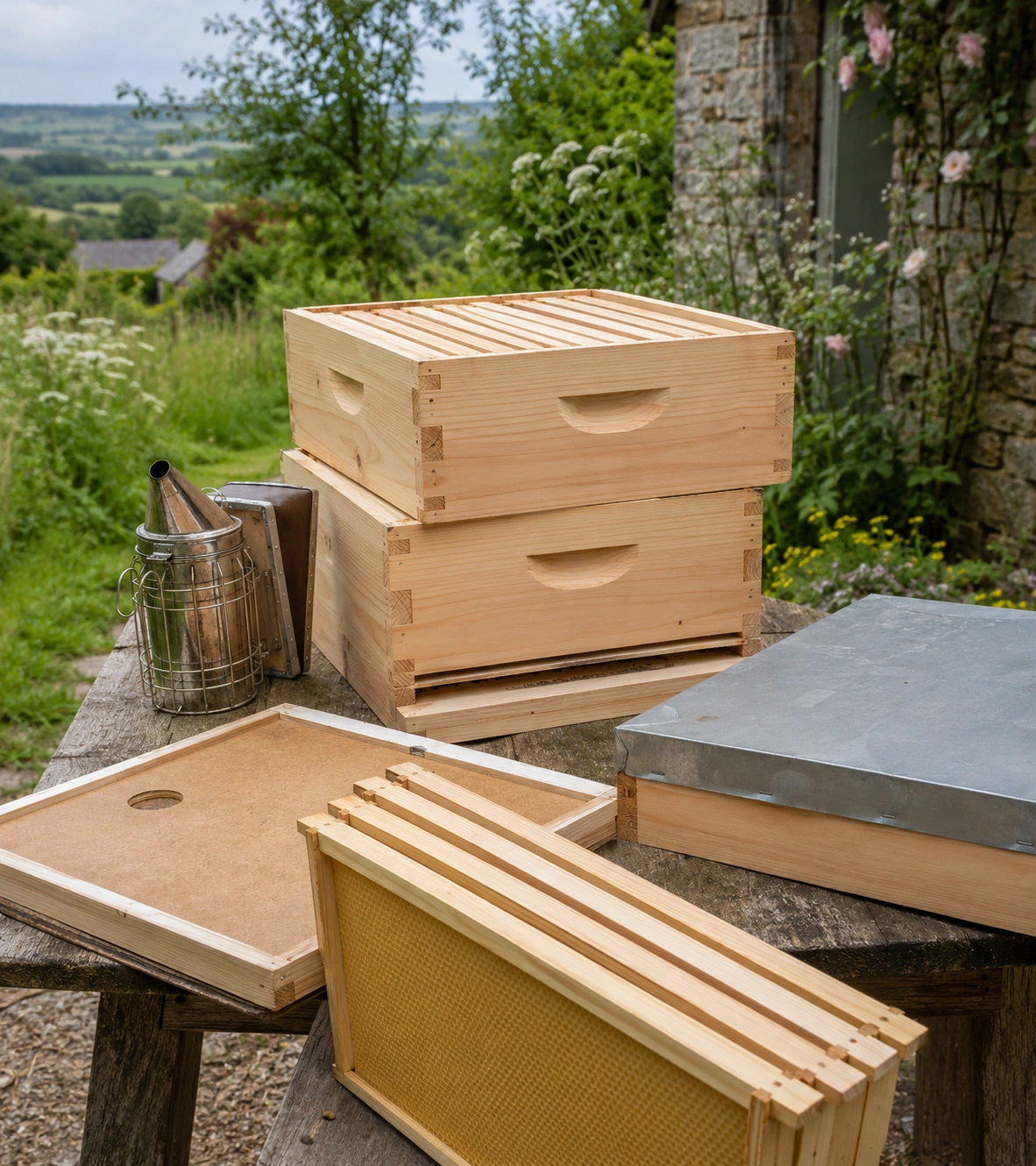
A beehive needs to work for the bees and the beekeeper.
For the bees, it must provide a dry, secure and manageable home. For the beekeeper, it needs to be inspectable, cleanable, expandable and compatible with the equipment they will use through the year.
A beginner may be tempted to choose a hive because it looks attractive, appears cheap or is described as “easy” online. That can be a mistake. A hive should be chosen around practical beekeeping, not just appearance.
The hive you buy becomes part of your beekeeping routine. Choose carefully.
The best advice about buying a beehive usually comes from experienced beekeepers near you.
Different areas have different beekeeping habits, local suppliers and association preferences. If most local beekeepers use a National hive, a beginner using the same system may find it easier to borrow equipment, buy replacement parts, receive mentoring and understand demonstrations during training.
The British Beekeepers Association recommends local association support for beginners and says beekeeping is made much easier by belonging to a local association where new beekeepers can receive advice, tuition and support.
This matters because a hive type is not only a purchase. It is a learning environment. If no one nearby can help you with the hive you choose, the learning curve becomes harder.
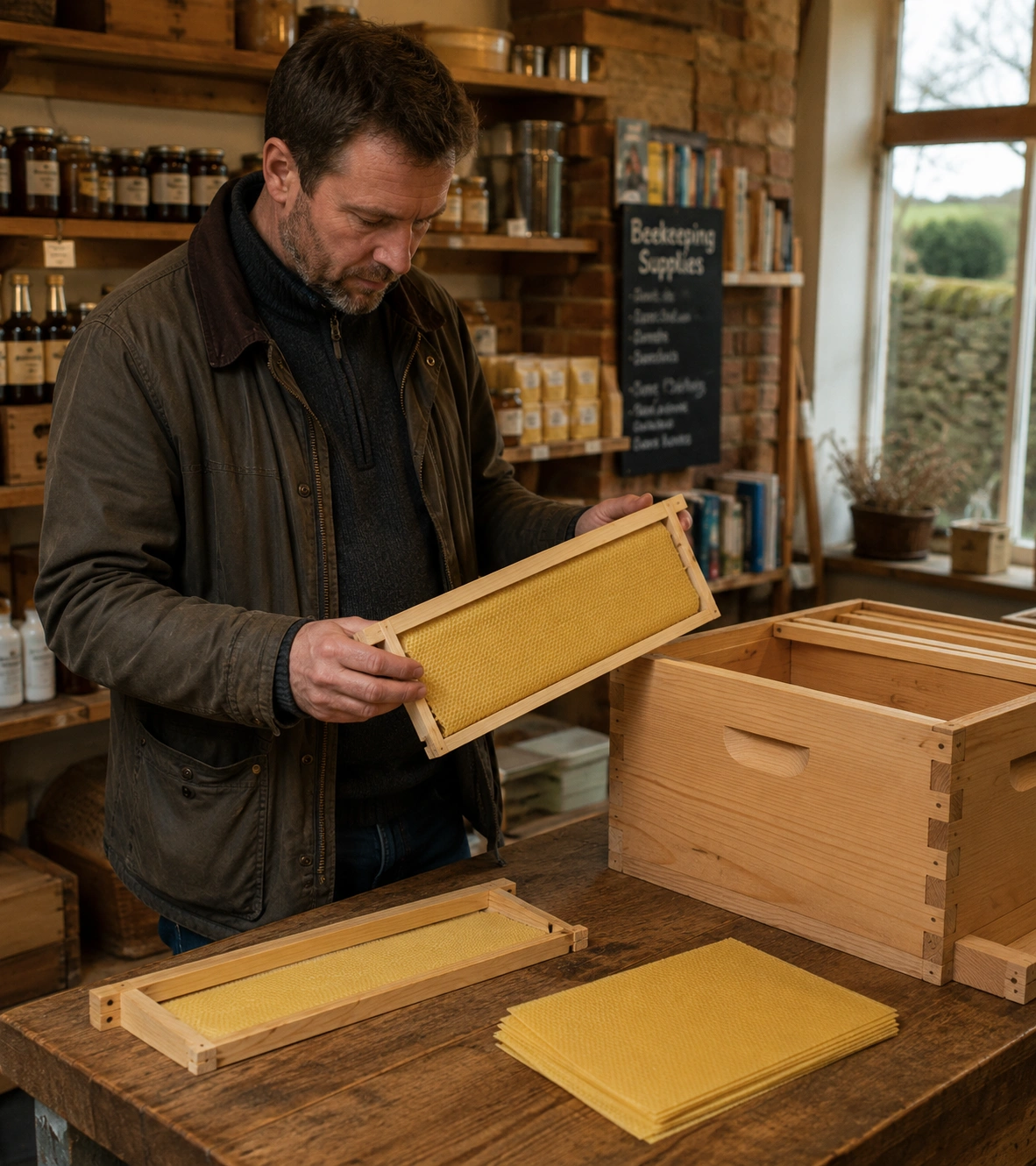
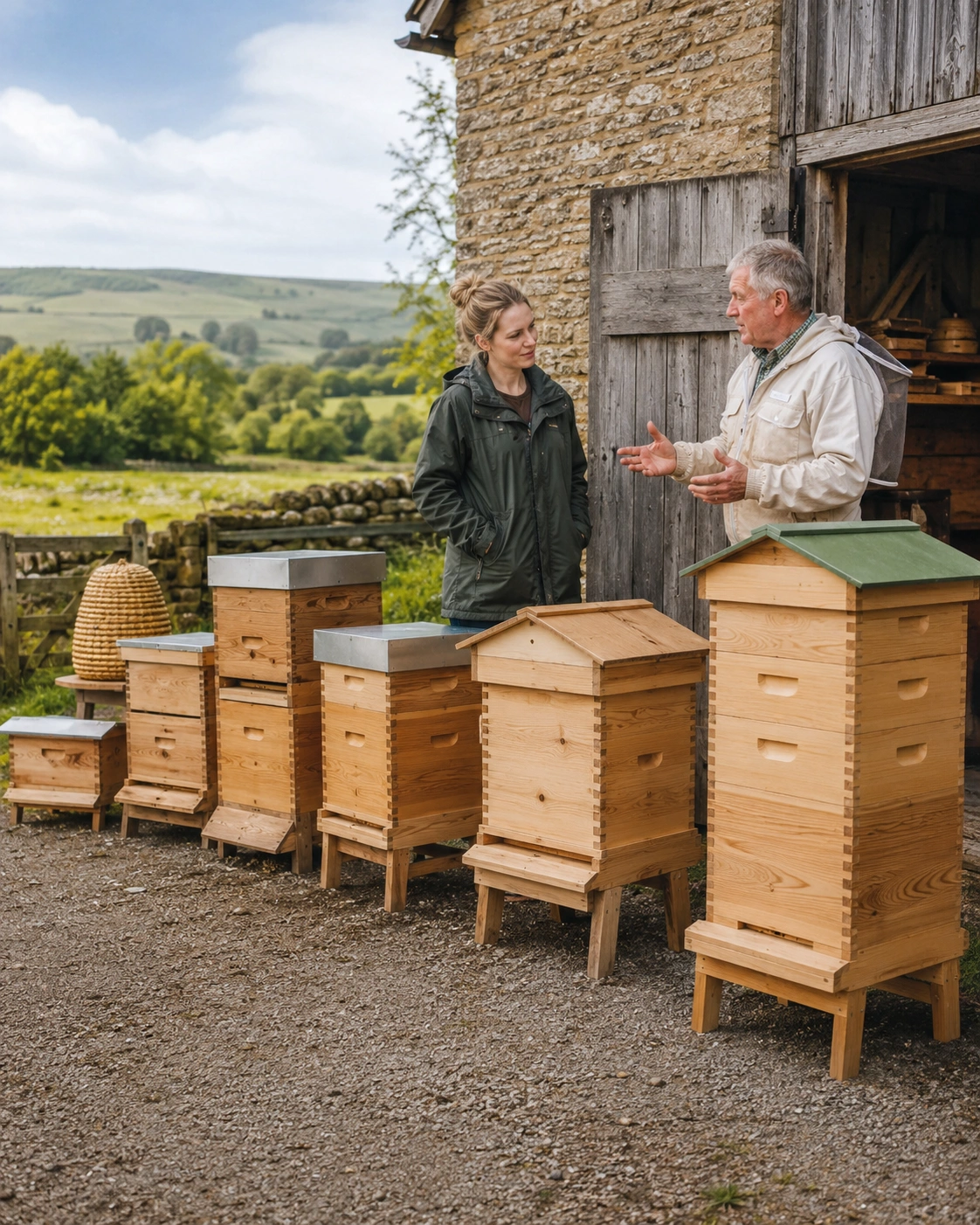
There are several hive types used by beekeepers in the UK. Beginners should understand the differences before buying.
The National hive is widely used in the UK and is often recommended to beginners because parts, frames and advice are widely available. The BBKA notes that the National is the most common hive type in the UK. For many beginners, the National hive is the most practical starting point because local associations often use it for teaching.
The WBC hive is the traditional double walled hive many people picture when they imagine a beehive. It can look attractive, but it has more parts and can be more time consuming to handle. It may suit some beekeepers, but beginners should understand the extra work before buying one.
The Langstroth hive is widely used internationally and is common in commercial beekeeping in some countries. Some UK beekeepers use it, but beginners should check local support and equipment availability.
Commercial hives use larger brood boxes and may be suitable for stronger colonies or more experienced beekeepers. They can involve heavier lifting and may not be ideal for every beginner.
Top bar hives are different from the common framed box systems. They can appeal to people interested in lower intervention styles, but they require specific knowledge and may not match most beginner training courses.


| Hive type | Beginner suitability | Key consideration |
| National | Often suitable | Common UK choice with good part availability |
| WBC | Possible, but more involved | Traditional look, more parts to manage |
| Langstroth | Depends on local support | Internationally common, check UK availability nearby |
| Commercial | Usually more advanced | Larger and heavier components |
| Top bar | Specialist choice | Different management style |
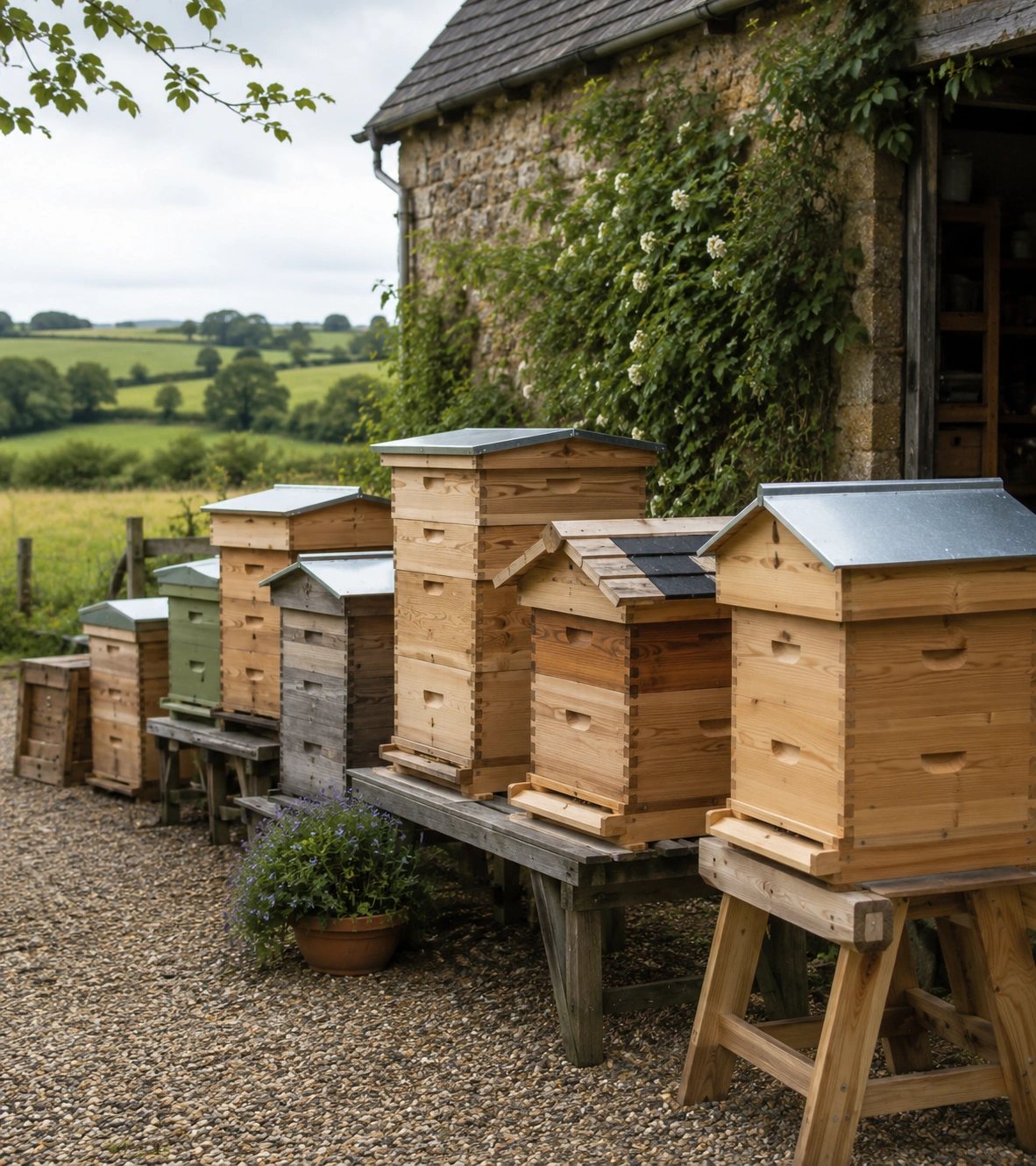
Most beginner beehives are modular. Different parts work together to create space for the colony and access for the beekeeper. A typical framed hive may include:
BeeBase’s beginner guide explains that new beekeepers need a range of equipment before getting started, and that framed hives such as National or Langstroth systems involve heavy work.
Beginners often consider second hand hives because they can be cheaper. That can be sensible in some cases, but it needs great care.
A new hive gives more confidence over condition, compatibility and hygiene. It may cost more, but it reduces uncertainty and avoids unknown disease history. New hives are usually the safer choice for beginners.
A second hand hive may save money, but the risk is that it may have come from diseased colonies or been stored poorly. Old comb is especially concerning. Beginners should not buy used hives, frames or comb without experienced advice. The National Bee Unit provides guidance on hive cleaning and sterilisation because honey bee colonies can be affected by a range of pests and diseases, and equipment hygiene is part of responsible beekeeping.
Be careful with second hand beehives
Never use second hand hive parts, frames or comb without understanding their history and how they should be cleaned or sterilised. Poorly cleaned equipment can spread serious bee disease. Ask an experienced beekeeper or your local association before buying used kit.
Beehives can be made from different materials, and each has practical considerations.
Wooden hives
Wooden hives are traditional, widely available and familiar to many UK beekeepers. They can last well if maintained properly, but they need weather protection and regular care.
Polystyrene hives
Polystyrene hives can offer insulation and lighter handling, but they require compatible parts and specific cleaning methods. Beginners should check whether local mentors use them.
Plastic hive components
Some hives or parts use plastic. They may be durable and easy to clean, but compatibility, heat, bee behaviour and local experience should be considered.
There is no single perfect material for everyone. The best hive material is the one you can manage, clean, maintain and get support with.
Beehives can become heavy.
A honey super full of honey can be difficult to lift. Brood boxes can also be heavy, especially for people with limited strength or back problems. Beginners should not underestimate the physical work.
Before buying a hive, ask:
The National Bee Unit beginner guide notes that hives such as National and Langstroth involve heavy work, which is important for beginners to consider.
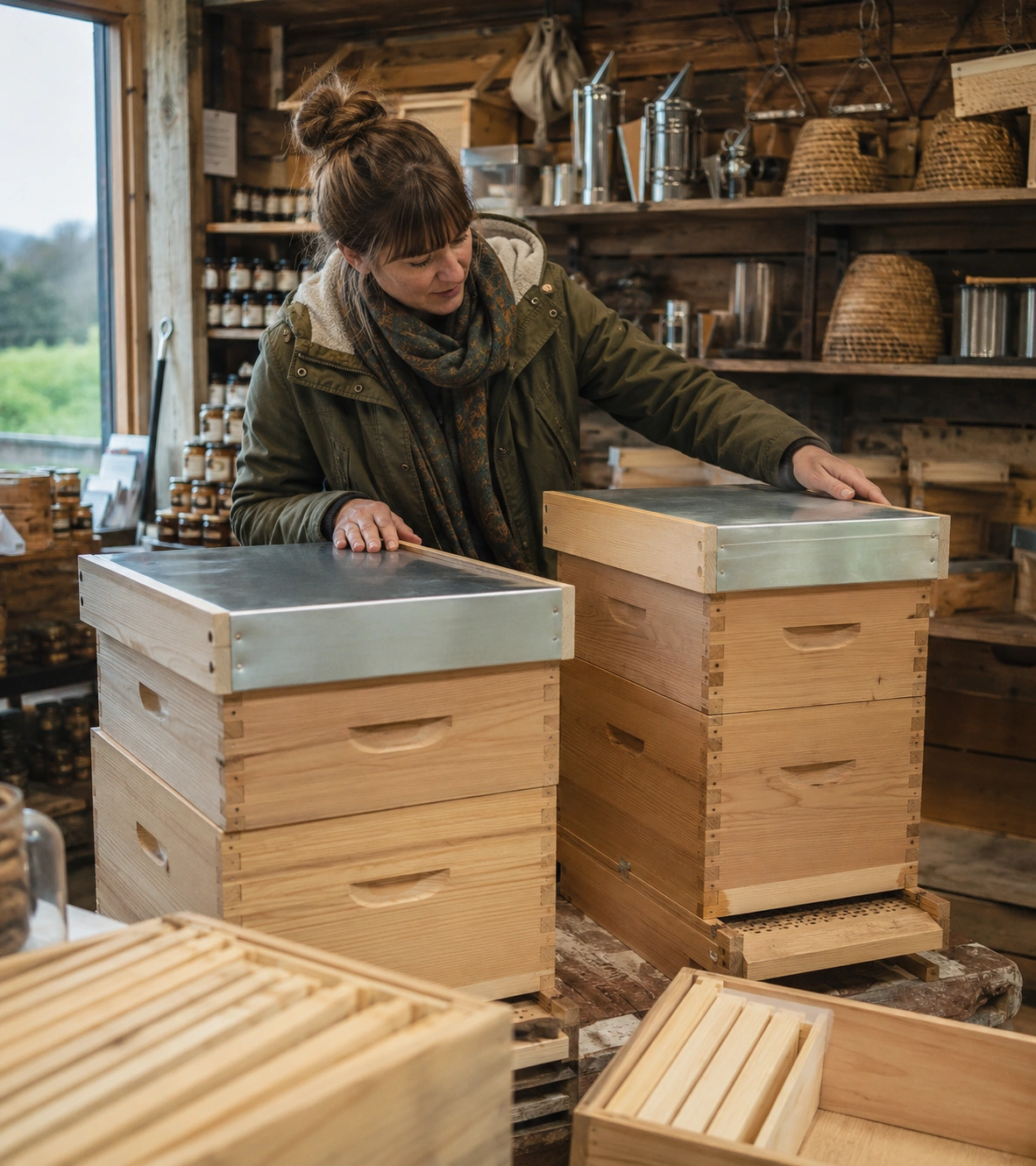
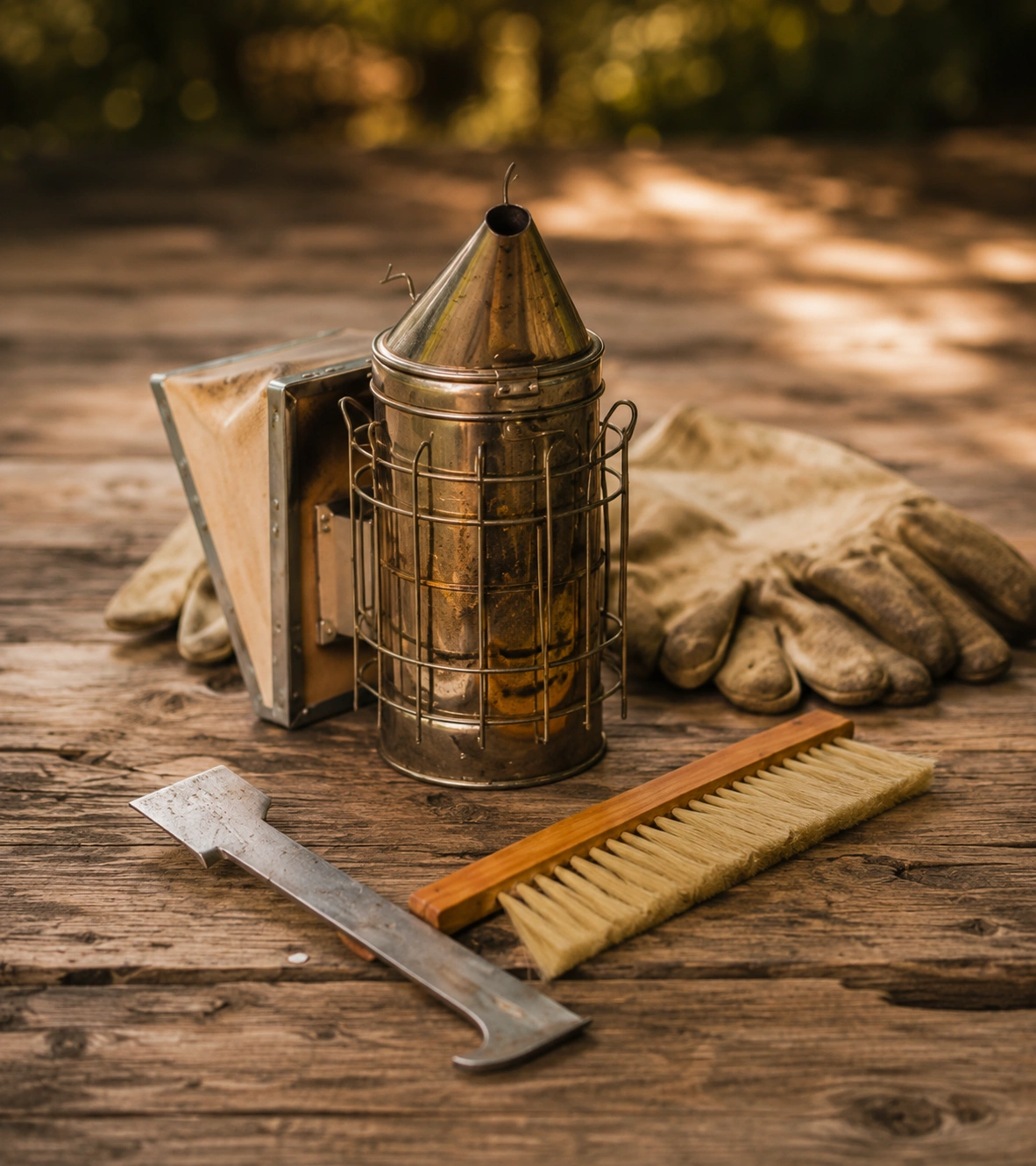
Many suppliers sell starter hive kits. These can be useful, but beginners should check exactly what is included.
A hive kit may include some parts but not others. It may not include protective clothing, bees, tools, feeders, spare frames or cleaning supplies. It may include items that do not match local advice.
Before buying a kit, check:
A starter kit is only useful if it suits your actual beekeeping plan.
Beehives can be bought from specialist beekeeping suppliers, local associations, beekeeping shows, reputable second hand routes and sometimes local beekeepers.
For beginners, the safest buying route is usually through a reputable beekeeping supplier or with guidance from a local association. This helps reduce the risk of buying incompatible, poor quality or unsafe equipment.
Avoid buying a hive simply because it appears cheap online. Beekeeping equipment needs to be strong, compatible and safe to inspect.
BFFD does not sell beehives. The role of BFFD is to explain the topic clearly and connect beekeeping with local honey, food provenance and producer visibility.
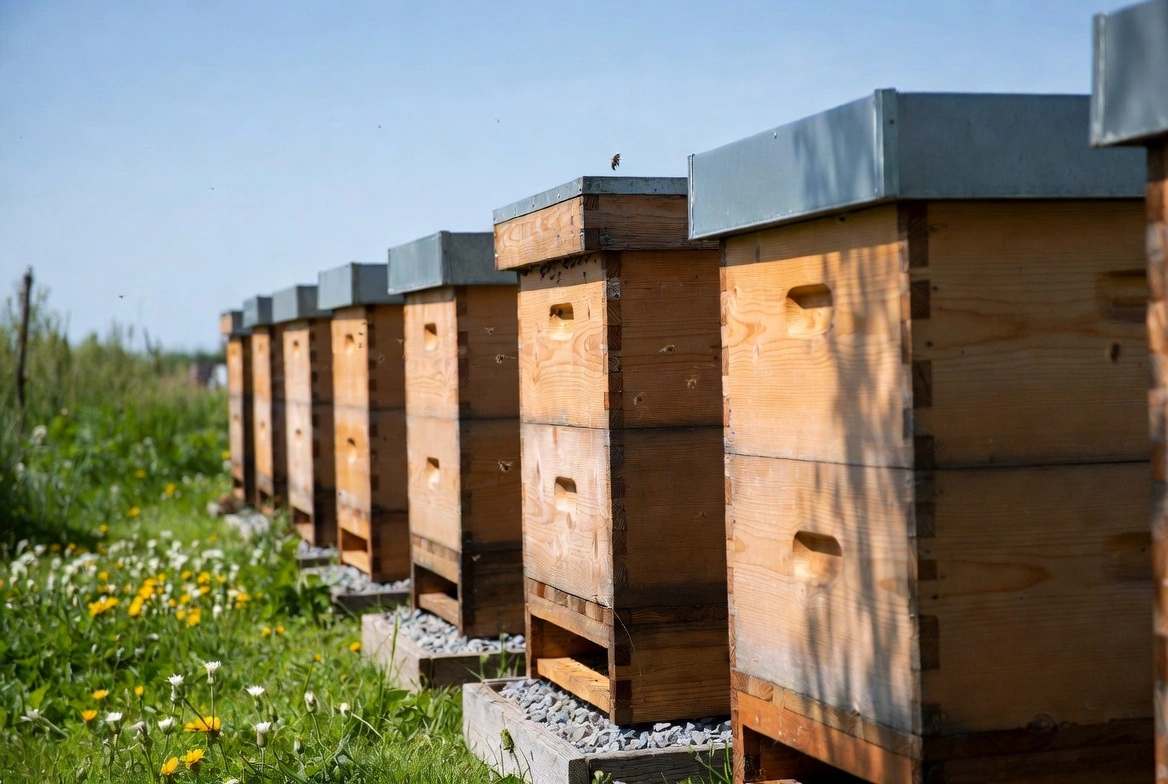
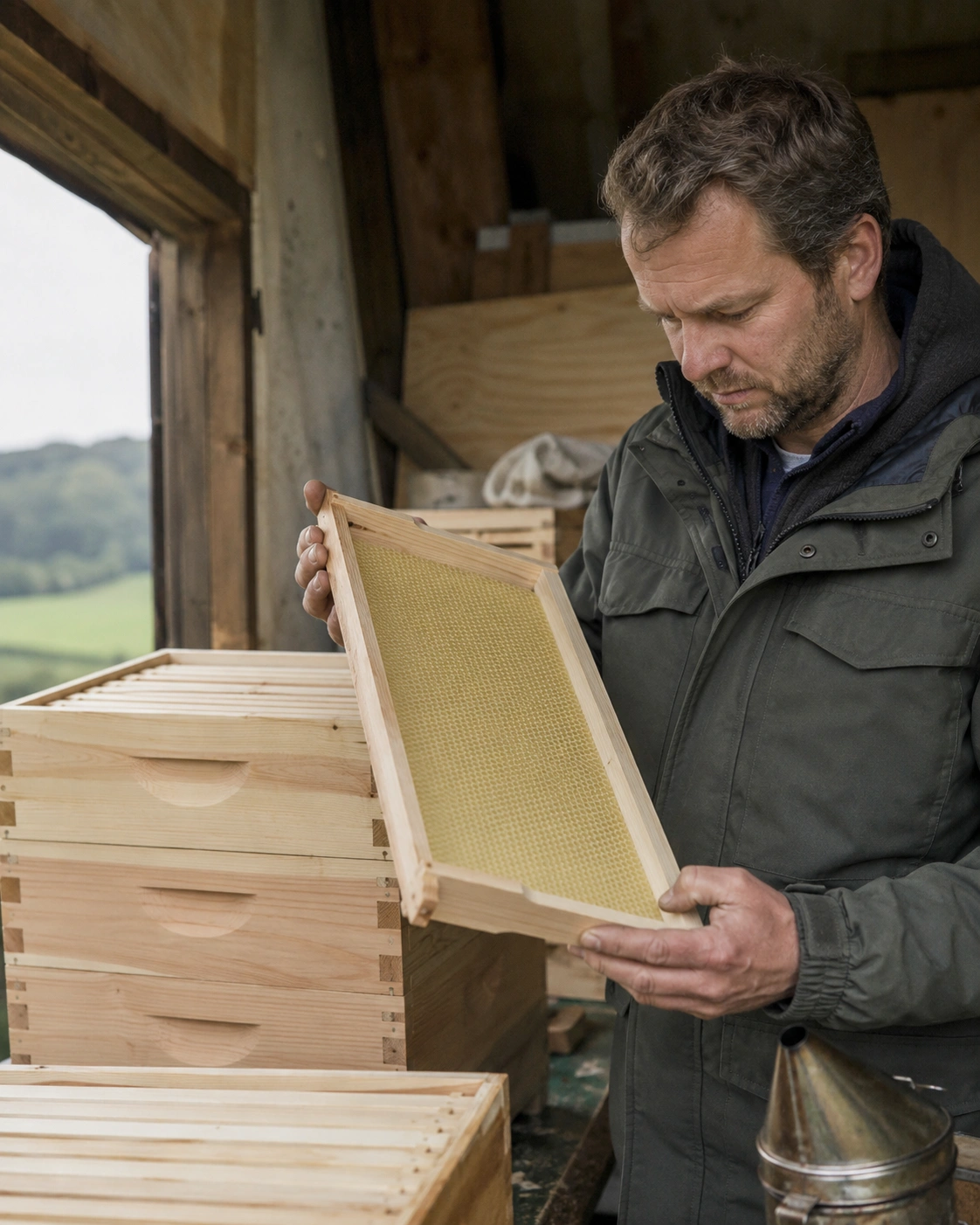
Avoid these common mistakes:
A beehive should make responsible beekeeping easier, not harder.
Hive choice affects bee health management.
A hive should allow proper inspections. The beekeeper needs to see brood, stores, queen activity, comb condition and possible disease signs. If the hive is difficult to inspect, the beekeeper may miss problems.
Bee health is a legal responsibility. The National Bee Unit explains that it is a legal requirement to notify the NBU if you know or suspect your colonies have a notifiable disease or pest.
GOV.UK guidance also states that serious risks such as small hive beetle and Tropilaelaps mite must be reported to the National Bee Unit immediately if suspected.
A hive should support responsible inspection and disease awareness.
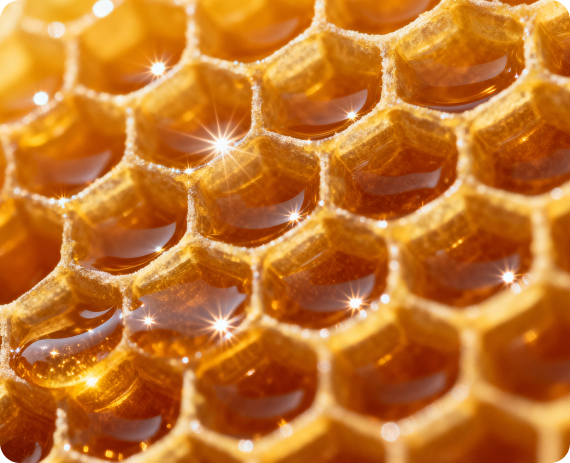
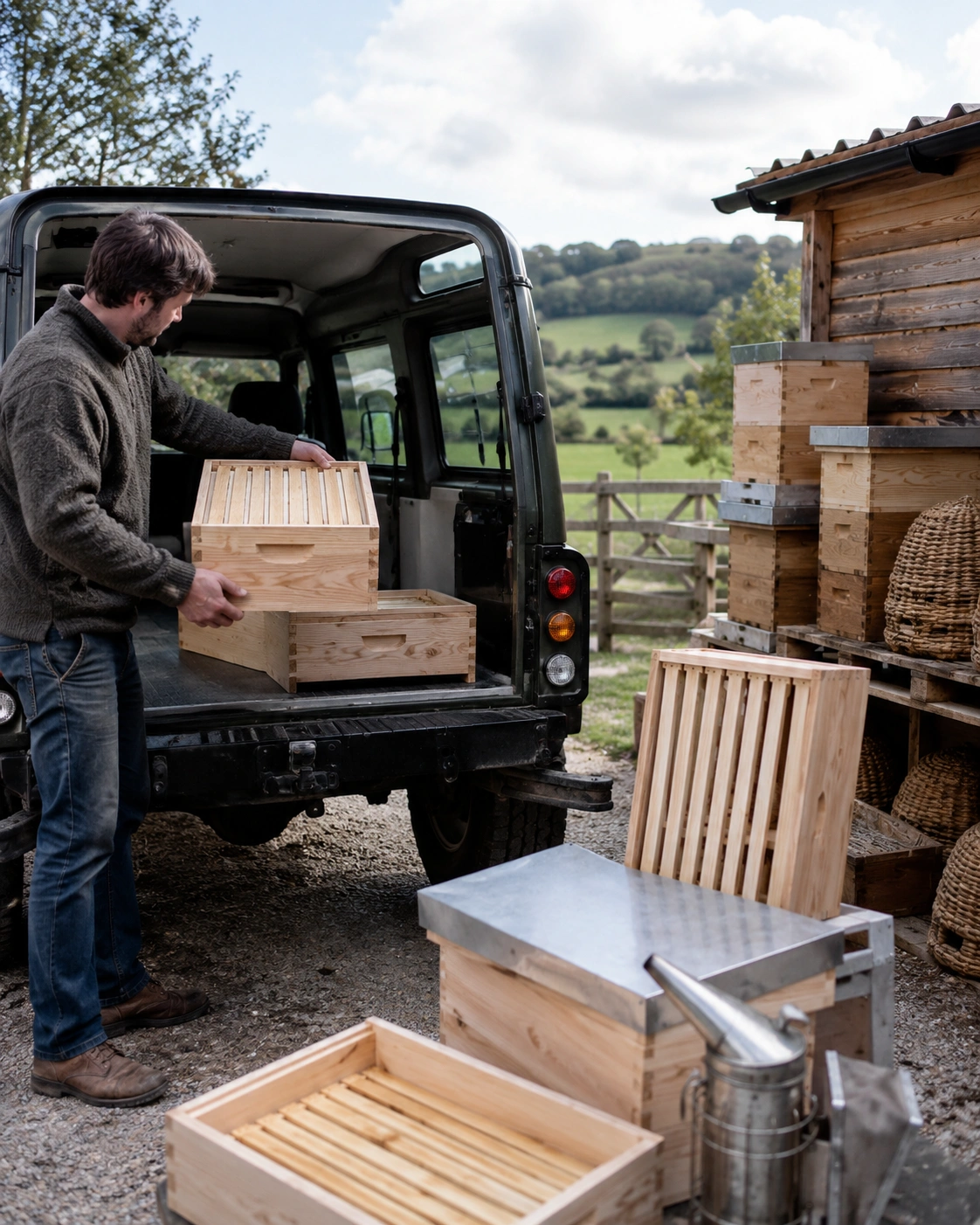
BFFD is not a beekeeping equipment seller, but beehives matter to the wider local food story.
Beekeeping connects directly to pollination, local honey, orchards, flowers, hedgerows, fruit, vegetables, seasonal food and food education. A responsible beekeeper may eventually sell honey, offer honey tasting sessions, supply farm shops, attend farmers markets or teach people about bees.
A BFFD beekeeper profile can help show:
Buying a beehive is only one step. The bigger goal is responsible beekeeping that supports bees, local food and public trust.
Related Beekeeper Pages
Related BFFD Pages
Useful for beginner advice, hive types and local association guidance.
Official beginner guide covering getting started and equipment considerations.
Official guidance on cleaning and sterilising hive equipment.
Official guidance explaining the responsibility to notify suspected notifiable pests or diseases.
Official guidance on serious notifiable honey bee pests and diseases.
* External sources are provided for further reading. BFFD does not provide veterinary, legal, equipment safety or bee health inspection advice. Beekeepers should always follow current official guidance and contact the National Bee Unit or local bee inspector where required.
Before buying a beehive, check the hive type, frame compatibility, local support, weight, material, spare part availability, cleaning requirements and whether the hive suits your planned apiary site.
Before buying a beehive, check the hive type, frame compatibility, local support, weight, material, spare part availability, cleaning requirements and whether the hive suits your planned apiary site.
Before buying a beehive, check the hive type, frame compatibility, local support, weight, material, spare part availability, cleaning requirements and whether the hive suits your planned apiary site.
Before buying a beehive, check the hive type, frame compatibility, local support, weight, material, spare part availability, cleaning requirements and whether the hive suits your planned apiary site.
Before buying a beehive, check the hive type, frame compatibility, local support, weight, material, spare part availability, cleaning requirements and whether the hive suits your planned apiary site.
Before buying a beehive, check the hive type, frame compatibility, local support, weight, material, spare part availability, cleaning requirements and whether the hive suits your planned apiary site.
Before buying a beehive, check the hive type, frame compatibility, local support, weight, material, spare part availability, cleaning requirements and whether the hive suits your planned apiary site.
Before buying a beehive, check the hive type, frame compatibility, local support, weight, material, spare part availability, cleaning requirements and whether the hive suits your planned apiary site.
A good beehive should make inspections, colony care and learning easier. BFFD is being built to help beekeepers, honey producers and local food suppliers become easier to find, understand and support.