Catnip, Nepeta cataria, is a hardy perennial with aromatic leaves and pale flowers visited by bees. It suits sunny herb gardens, informal borders and pots. Check the botanical label because its common name can also appear on ornamental catmints.
Hardy perennial
Aromatic foliage
Full sun
Bee friendly
Suitable for pots
| Botanical name | Nepeta cataria |
| Family | Lamiaceae |
| Plant type | Herbaceous perennial |
| Foliage | Deciduous and aromatic |
| Height | About 50cm to 1m |
| Spread | About 50cm to 1m |
| Position | Full sun |
| Soil | Well drained |
| Soil pH | Acid, neutral or alkaline |
| Hardiness | RHS H7 in suitable ground |
| Flowers | Small white flowers with violet markings |
| Flowering period | Usually June to September |
| Indoor sowing | March and April are practical starting months |
| Sowing depth | About 5mm |
| Germination | Usually 14 to 28 days |
| Germination temperature | About 15 to 20°C |
| Suggested spacing | About 60cm; allow more for broad mature clumps |
| Propagation | Seed, cuttings or division |
| Main difficulties | Wet soil, mildew and damaged young shoots |
| Cat response | Varies between individual cats |
| Plant name | Crop type | Spacing |
Sow indoors
Plant outdoors
Harvest
Polytunnel | |||||||||||
|---|---|---|---|---|---|---|---|---|---|---|---|---|---|---|
| Jan | Feb | Mar | Apr | May | Jun | Jul | Aug | Sep | Oct | Nov | Dec | |||
| Catnip | Herbs | Single 0.60m, In row 0.60m, Row gap 0.60m | No activity recorded | No activity recorded | Sow indoors, Polytunnel | Sow indoors, Plant outdoors, Polytunnel | Plant outdoors, Polytunnel | Plant outdoors, Harvest | Harvest | Harvest | Plant outdoors, Harvest | No activity recorded | No activity recorded | No activity recorded |
Sow indoors: March, April. Plant outdoors: April, May, June, September. Harvest: June, July, August, September. Polytunnel: March, April, May.
March and April sowing dates mean indoor seed raising. Plant in spring or early autumn, hardening tender seedlings and waiting until local frost risk has passed. The Harvest band marks flowering and optional light cutting of established leafy stems, rather than food harvesting. Polytunnel dates indicate spring propagation space; unheated tunnels can freeze and established plants normally live outdoors.
Choose catnip for an informal perennial with scent and flowers. Allow for its loose branching habit and mature spread. Some ornamental catmint cultivars are better suited to a closely managed edging.
Growing catnip in pots makes plants easy to manage and move away from cats during establishment. Containers still need light, drainage and regular moisture checks rather than permanent indoor warmth.
Photo: Matt Lavin, CC BY-SA 2.0. Resized and optimised; cropped for display. Resized for display; any crop is indicated by the page layout.
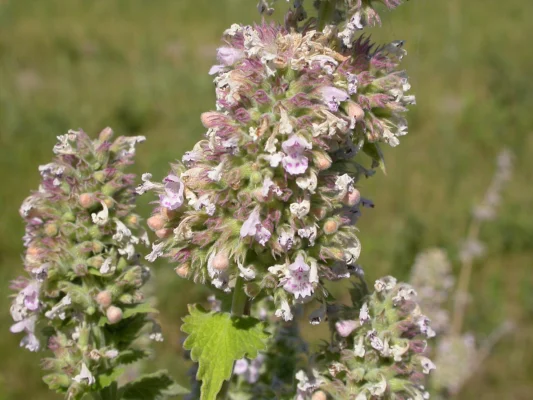
Choose a sunny patch with good winter drainage. Full sun is dependable in the UK, although some light shade is tolerated. Deep shade encourages weaker growth.
Allow around 60cm between plants, with wider spacing for vigorous clumps. Position plants back from narrow paths so spreading stems do not need constant trimming.
Begin with a stable pot around 30cm wide with drainage holes, increasing its size as the clump develops. Use peat free compost suitable for perennials and leave watering space below the rim.
A smooth, secure plant guard can protect young stems from visiting cats. Avoid sharp wire ends, loose netting or a position where rolling would damage neighbouring seedlings.
Photo: Holger Casselmann, CC BY-SA 3.0. Resized and optimised; cropped for display. Resized for display; any crop is indicated by the page layout.
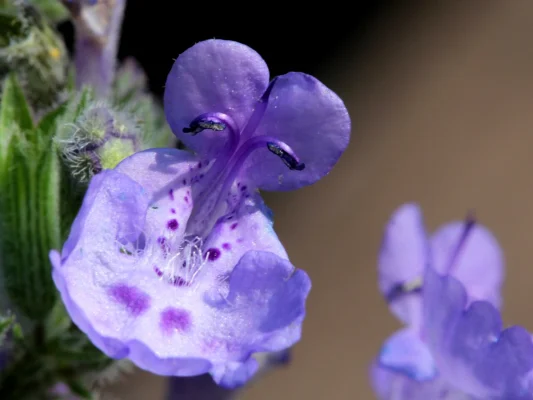
Start with labelled Nepeta cataria seed or a healthy nursery plant. Seed gives several plants cheaply; a purchased plant provides a quicker way to establish one clump.
1.
Sow in March or April into a clean tray or small pots of moist seed compost. Label the botanical name and date.
2.
Cover seed with about 5mm of fine compost. Keep it around 15 to 20°C, with steady moisture but no standing water.
3.
Allow two to four weeks for germination. Move emerging seedlings into bright light and provide ventilation rather than keeping them enclosed indefinitely.
4.
Pot seedlings individually when they can be handled safely. Hold a leaf rather than squeezing the stem and keep the roots moist.
5.
Harden young plants off gradually. Increase outdoor exposure and protect soft growth from late frost before planting into its final position.
6.
Weed the planting area and check drainage. Set out the pots at roughly 60cm spacing, adjusting for the mature size shown on the label.
7.
Water the rootball, remove its pot and plant at the previous soil level. Firm gently and water the surrounding soil to settle it.
8.
Fit a guard if cats are likely to flatten new growth. Check moisture during establishment and label the position before the foliage dies back.

Watering
Keep the rootball and nearby soil moist during establishment. A nursery rootball can dry before the surrounding ground, so check both rather than judging only the surface.
Established catnip tolerates dry conditions, but a container has limited reserves. Water thoroughly when needed and let surplus drain. Persistent wilting in wet compost calls for a drainage check, not another automatic soaking.

Feeding
Catnip does not need rich ground to perform well. On an established border, assess growth before feeding. Excessively soft stems may need more light or space rather than extra fertiliser.
Refresh container compost at the surface in spring and follow its manufacturer’s feeding guidance. Repot or divide a congested clump instead of relying indefinitely on liquid feed.

Pruning
Trim spent flowering stems to healthy leafy growth to keep the clump compact and encourage further flowers. Work around bees using the remaining flowers and avoid removing every flowering stem at once if pollinator value is your priority.
Remove finished flowerheads before seed ripens to reduce unwanted seedlings. Take only modest amounts of leafy stems from established plants, leaving plenty of foliage. Remove damaged stems with clean tools.

Winter care
Catnip is hardy and normally dies back outdoors. Mark its position and clear old stems in late winter or early spring as new growth becomes visible. Avoid burying the crown under a thick, wet mulch.
Winter drainage matters particularly in pots. Raise the base so holes remain open, remove water holding saucers and check after prolonged rain. Keep dormant compost from becoming completely dry beneath an overhang, but reduce watering as growth slows.
Nepeta cataria has paired, toothed leaves that are greyish green and broadly oval to triangular. Its stems are square in section. Dense groups of small pale flowers carry violet markings and appear above the aromatic foliage.
Blue flowered border catmints such as Walker’s Low are different plants, even when sold under similar common names. Use the botanical name and nursery label to confirm a purchase. The comparison cards distinguish true catnip and its lemon scented form from these ornamental alternatives.
Photo: Alex Abair, CC BY 4.0. Resized and optimised; cropped for display. Resized for display; any crop is indicated by the page layout.
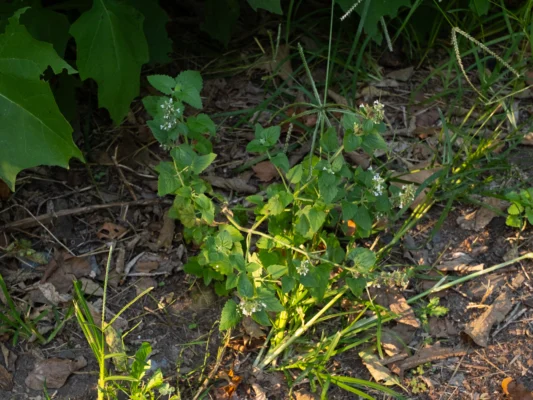
Spring planting allows rooting before winter. Early autumn also suits warm, workable soil. On wet exposed plots, improve the position or use a drained container rather than relying on hardiness alone.
March and April offer a straightforward seed routine. Earlier indoor sowing needs more careful light and temperature management. Direct sowing into a prepared seed bed is possible from April to June.
Ventilate propagation spaces and harden young plants before moving outdoors. Flowering can continue into early autumn, depending on weather and trimming. Cold springs or late sowing may delay the first display.
Photo: Matt Lavin, CC BY-SA 2.0. Resized and optimised; cropped for display. Resized for display; any crop is indicated by the page layout.
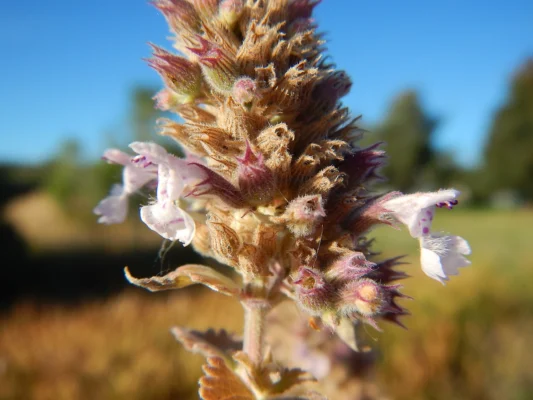
Cats may roll on aromatic shoots. Protect the crown with a sturdy smooth guard, remove snapped stems cleanly and let the plant recover. A larger established clump can tolerate disturbance better than a small seedling.
Powdery mildew can affect stressed or crowded plants. Improve airflow, water the roots during drought and remove badly affected growth. Avoid packing pots tightly together where leaves remain in a dense humid canopy.
Persistent saturation deprives roots of suitable growing conditions. Check drainage holes and the planting site before watering again. Move a recoverable plant to a better drained position and avoid the same low wet patch.
Slugs and snails can damage young shoots. Inspect plants, especially in damp weather, and remove nearby hiding places where practical. Give small plants close attention until they can replace damaged foliage more readily.
Catnip can seed around. Remove spent flowerheads before they ripen and lift surplus seedlings while small. Growing in a pot does not stop ripe seed falling into surrounding beds, so deadheading still matters.
Divide a healthy clump in spring as growth begins. Lift it carefully, separate sections with both roots and shoots, and replant promptly at the same depth. Water the divisions while they establish; keep their labels with them.
For early summer cuttings, choose soft nonflowering shoots. Trim below a leaf joint, remove lower leaves and insert into a moist, free draining propagation mix. Shelter from strong sun and pot on after rooting. Cuttings preserve a chosen plant’s identity.
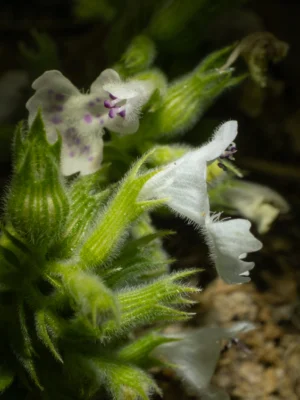
Nepeta cataria, true catnip
The species discussed throughout this guide has aromatic grey green leaves and pale spotted flowers. Choose it when you specifically want true catnip rather than a blue flowering border selection.
True catnip, Nepeta cataria, photographed in flower.
Photo: Alex Abair, CC BY 4.0. Resized and optimised; cropped for display. Resized for display; any crop is indicated by the page layout.
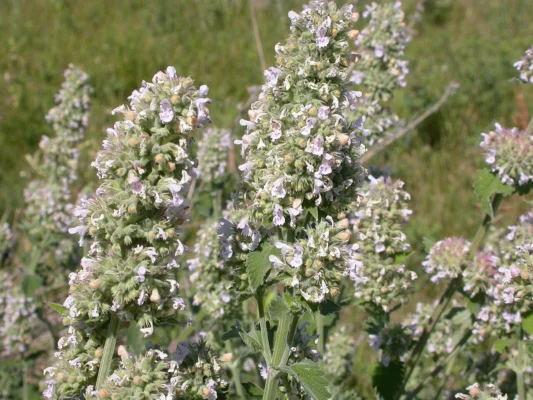
Lemon catnip, citriodora form
This lemon scented form of Nepeta cataria can reach about 1m, with pale flowers marked purple. It shares the preference for sun and drainage. Look for a clearly labelled plant when fragrance is the deciding feature.
Illustrative Nepeta cataria species photograph; the lemon scented form is not confirmed.
Photo: Matt Lavin, CC BY-SA 2.0. Resized and optimised; cropped for display. Resized for display; any crop is indicated by the page layout.
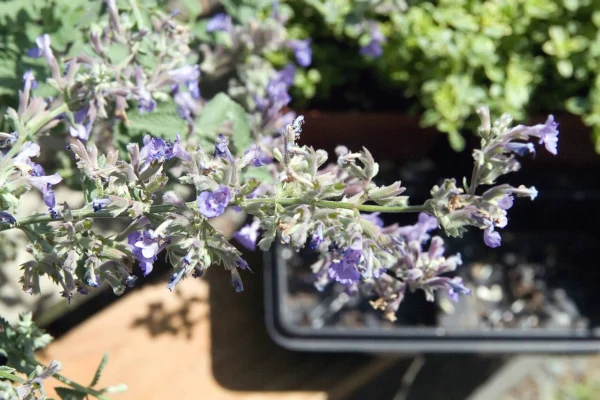
Nepeta 'Walker’s Low', ornamental catmint
A related ornamental choice with lavender blue flowers and aromatic foliage. It is grown for its border display and is generally less attractive to cats than true catnip. It is not a cultivar of Nepeta cataria.
Verified Walker’s Low ornamental catmint, shown for comparison.
Photo: David J. Stang, CC BY-SA 4.0. Resized and optimised; cropped for display. Resized for display; any crop is indicated by the page layout.
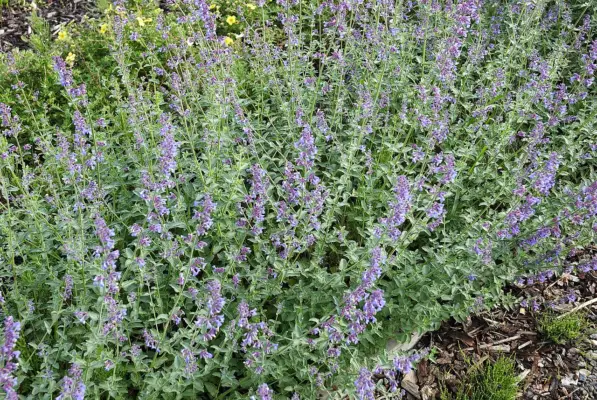
Nepeta 'Six Hills Giant', ornamental catmint
A vigorous clumping border perennial with lavender blue summer flowers, usually about 50cm to 1m tall. Allow space for its broad habit. This is another ornamental alternative, distinct from true catnip.
Verified Six Hills Giant ornamental catmint, shown for comparison.
Photo: Wouter Hagens, Public domain. Resized and optimised; cropped for display. Resized for display; any crop is indicated by the page layout.
Use the BFFD directory and map to find local nurseries and check availability. Ask for Nepeta cataria when you want true catnip.
Catnip flowers provide nectar for bees and other visiting insects. Leave some stems flowering when you trim or collect foliage. A mixture of flowering times across the border helps keep resources available beyond catnip’s own season.
Individual cats respond differently to catnip; some show little interest. If using dried foliage in a cat toy, follow suitable pet care guidance and supervise play. Growing this herb does not guarantee a particular behavioural response.
Published by Buy From Farmers Direct. Sources checked 5 October 2026. Growing references: RHS: Nepeta cataria; NC State Extension: Nepeta cataria; Chiltern Seeds: Nepeta cataria germination and cultivation; RHS: Nepeta genus guide; RHS: Growing perennial plants; RHS: Dividing perennials; RHS: Softwood cuttings; RHS: Powdery mildews; RHS: Lemon catmint; NC State Extension: Walker’s Low catmint; RHS: Walker’s Low catmint; RHS: Six Hills Giant catmint; Cats Protection: Cats and catnip. The seasonal timeline uses the shared BFFD Growers Calendar record; adjust timings to your variety and local conditions.
Common names overlap. True catnip is Nepeta cataria, while catmint also describes ornamental species and hybrids. Check the botanical label when choosing a plant for its characteristic scent.
Yes. Provide drainage, suitable peat free compost and room for the mature clump. Check moisture and repot or divide when roots become congested.
This hardy perennial normally returns after winter dormancy. Drainage and establishment still matter: plants can fail in waterlogged compost despite their cold tolerance.
Trim after flowering and remove unwanted seedheads before ripening. Clear remaining dead stems in late winter or early spring, taking care around emerging shoots.
No. Individual response varies, so indifference does not mean the plant is wrongly grown. Protect young plants from cats that roll on them.
Remove spent flowerheads before seed develops and lift unwanted seedlings. Containers help manage the clump, but seed can still escape into surrounding beds.
Plan planting and flowering with the BFFD growers calendar, keep observations in your own notes and explore local suppliers through the directory.
Want to get food independence, support your local grower, get better prices and shop more privately?
Local food isn’t just something you find. It’s something you protect. A free account helps keep local supply visible, supported, and resilient.

….it takes 30 seconds for food lovers and 5 minutes for suppliers
We built this for people who care where their food comes from. For people who want to remain food secure. For Farmers to get to the local people, who deserve a better income and to deliver a better price for you. For the environmentally conscious and the privacy-conscious. An account simply helps us make the map and supplier reach more useful to you, without changing how open it is. You’re always in control.


Find local food. Stay connected to it. Create a free account to support local producers and be part of a growing food network.


