A polytunnel can help young lavender establish and keep winter rain away from vulnerable pots. It can also become too humid, hot or shaded for a plant that prefers sun and sharp drainage. Use shelter for a clear purpose, give each plant room for air to circulate and match winter protection to the type of lavender you grow.
Ventilation is essential
Use free draining compost
Check winter hardiness
Useful for young plants
Avoid humid conditions
| Botanical group | Lavandula species and hybrids |
| Family | Lamiaceae |
| Plant type | Aromatic woody shrub |
| Main purpose under cover | Propagation and seasonal protection |
| English lavender | Lavandula angustifolia |
| Lavandin | Lavandula × intermedia |
| French lavender | Lavandula stoechas |
| Light | As much direct light as practical |
| Airflow | Generous ventilation |
| Compost | Free draining, with modest fertility |
| Planting depth | Keep the original compost level |
| Container size | Often 30 to 40cm wide for mature compact plants |
| Spacing | Allow foliage to remain separate |
| Spring planting | Usually April to May |
| Seed sowing | Optional spring route |
| Cuttings | Early to midsummer or suitable later material |
| Flower cutting | Summer, depending on type |
| Pruning | Trim leafy growth after flowering |
| Winter warning | An unheated tunnel can freeze |
| Feeding | Usually little is needed |
| Plant name | Crop type | Spacing |
Sow indoors
Plant outdoors
Harvest
Polytunnel | |||||||||||
|---|---|---|---|---|---|---|---|---|---|---|---|---|---|---|
| Jan | Feb | Mar | Apr | May | Jun | Jul | Aug | Sep | Oct | Nov | Dec | |||
| Lavender (Polytunnel) | Herbs | Allow mature foliage to remain separate | Polytunnel | Polytunnel | Sow indoors, Polytunnel | Sow indoors, Plant outdoors, Polytunnel | Plant outdoors, Polytunnel | Harvest, Polytunnel | Harvest, Polytunnel | Harvest, Polytunnel | Polytunnel | Polytunnel | Polytunnel | Polytunnel |
Sow indoors: March, April. Plant outdoors: April, May. Harvest: June, July, August. Polytunnel: January, February, March, April, May, June, July, August, September, October, November, December.
April and May cover the main planting and potting period. Spring seed sowing is optional and does not reproduce every cultivar faithfully. June to August harvesting means cutting flowers from English lavender or lavandin for drying. The polytunnel band marks possible sheltered tasks across the year, not a need to keep mature hardy lavender enclosed all summer. Cuttings, nursery plants and winter pots need different treatment.
A tunnel is useful for growing on small plants, taking cuttings and sheltering pots from excessive winter rain. Mature hardy English lavender often does well outside in a sunny, well drained site, freeing valuable protected space for crops that need it more.
French and tender lavenders need closer attention to winter temperatures. A plastic roof keeps off rain but does not guarantee frost protection. If the variety needs frost free conditions, provide a reliably suitable place rather than assuming a shut tunnel will be warm enough.
Photo: Forest & Kim Starr, CC BY 3.0. Resized and optimised; cropped for display. Forest & Kim Starr
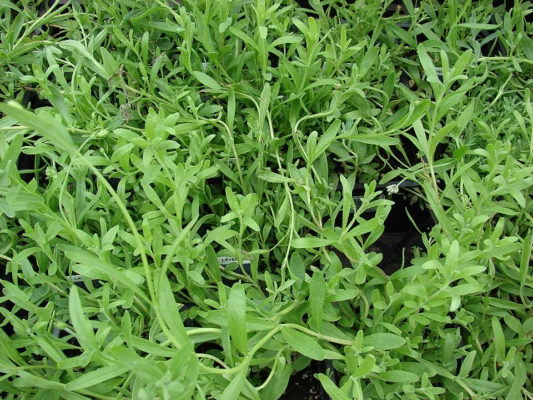
Choose the brightest, most open part of the structure. Avoid placing lavender beneath tomato foliage, a low bench or heavy permanent shade. Clean covering material helps winter light reach the leaves.
Keep pots away from irrigation intended for thirsty vegetable crops. A lavender pot should be watered according to its own compost and root system, not every time nearby cucumbers receive water.
Leave space between mature plants so their foliage does not form a damp continuous mass. Use the cultivar's eventual spread as your guide. A compact nursery plant may need much more room after one season.
Containers give the most flexibility. Use generous drainage holes and a free draining peat free mix; added coarse grit can help. Raise pots clear of puddles and empty any saucers that retain water.
Photo: Isiwal, CC BY-SA 4.0. Resized and optimised; cropped for display. Isiwal/Wikimedia Commons/CC BY-SA 4.0
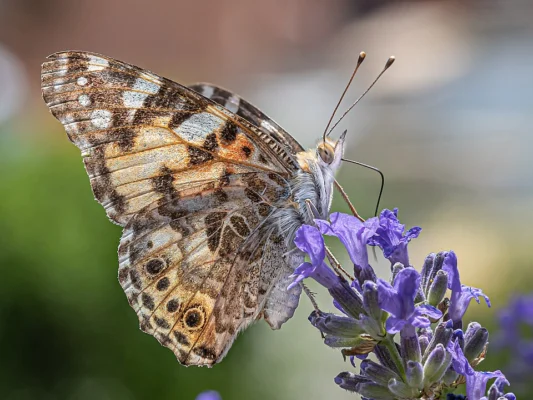
Begin with healthy, labelled plants and decide whether the tunnel is a nursery, a winter shelter or a permanent growing position. That choice determines how long the lavender should stay there.
1.
Check the botanical name and winter requirements before buying. English lavender, lavandin and French lavender are not interchangeable in cold conditions.
2.
Choose a pot large enough for the rootball and growth expected next. Avoid moving a tiny plug straight into a very large volume of compost that stays wet around its small roots.
3.
Prepare a freely draining peat free compost with suitable grit where needed. Do not enrich it heavily with manure or strong fertiliser.
4.
Water a dry rootball before potting, then ease the plant from its container. Keep the crown at the same level rather than burying woody stems deeply.
5.
Firm gently and water to settle the roots, allowing surplus to drain. Place the pot where the foliage receives light and air rather than touching neighbouring plants.
6.
Ventilate whenever conditions allow and check temperatures, especially on sunny spring days. Shelter from wind is not a reason to leave the structure shut and overheating.
7.
Grow small plants on until rooted and sturdy. Gradually accustom plants destined for the garden to outdoor conditions before planting into warming soil in spring.
8.
Before winter, review each plant's hardiness and minimum temperature needs. Move tender pots to reliably appropriate protection and keep the compost comparatively dry without letting roots desiccate.

Watering
Young plants and established pots still need water, even though lavender tolerates drought once rooted in suitable ground. Check below the surface and water the root zone when needed, then let surplus escape.
Reduce watering as growth slows and winter arrives. Cool, wet compost is a particular risk under cover. A wilting plant may have damaged wet roots, so inspect before responding with another generous watering.

Feeding
Lavender prefers modest fertility. Rich feeding can produce soft, sprawling growth instead of the compact plant you want. Fresh suitable compost usually provides enough support for young potted plants.
For a plant staying in its container for several years, refresh compost or feed modestly if genuinely needed. Check light, root condition and drainage before deciding weak growth is a nutrient problem.

Pruning
Trim hardy English lavender and lavandin after the main flowering flush, cutting spent stalks and some leafy growth while leaving living green shoots. Avoid cutting into an entirely bare woody framework.
Deadhead French lavender as needed and shape within leafy growth. Avoid a severe late autumn trim. In spring, wait until living growth is clear before tidying frost damage.

Winter care
Use a minimum and maximum thermometer to understand what the tunnel actually provides. Tender lavender may require another frost free location; an unheated tunnel can reach damaging temperatures on cold nights.
Ventilate in suitable mild weather and remove fallen debris around pots. Keep foliage from resting against wet covering material. Winter shelter works best when it reduces rain exposure without creating stagnant, damp conditions.
Lavender has a woody framework and aromatic leaves. English types usually carry narrow grey green leaves and slender flower spikes. Lavandin often makes a larger plant with long flower stems.
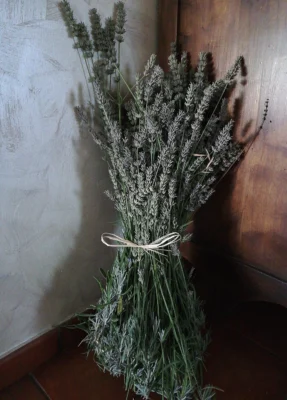
In mild districts, sheltered outdoor pots of suitable hardy lavender may need less protection than expected. In colder or wetter areas, move pots according to actual exposure and drainage rather than applying one rule nationwide.
A tunnel can heat rapidly in spring while night temperatures remain low. That difference makes daily checks valuable. Gradual outdoor acclimatisation helps nursery plants cope when they leave their sheltered position.
Cut flower stems for drying on a dry day, when buds are coloured and the first flowers open. Dry small loose bunches in an airy shaded place. Nursery and landscape photographs illustrate the plants; they do not imply that all were grown in a UK tunnel.
Photo: EmDee, CC BY-SA 3.0. Resized and optimised; cropped for display. Adapted image under the same licence.

Check roots and drainage before watering again. Saturation can damage roots even beneath a roof. Improve conditions and remove badly decayed material rather than repeatedly soaking the plant.
Insufficient light, excessive feeding or crowding may contribute. Give more light and space and review nutrition. A tunnel should not turn a sun loving shrub into a heavily fed shade plant.
Check the minimum temperature and the plant's identity. Unheated cover is not guaranteed frost protection. Move surviving tender plants to an appropriate location and wait for clear new growth before major pruning.
Age and missed trimming can leave foliage only at the tips. Maintain regular light shaping within green growth. Very woody plants may be better replaced than cut hard into bare stems.
Identify the cause before acting. Light leafhopper or rosemary beetle feeding and cuckoo spit may be tolerable. Avoid unnecessary treatment of flowering plants, especially where pollinators visit.
Take healthy non flowering shoots for softwood or semi ripe cuttings at the appropriate season. Remove lower leaves, insert into suitable cutting compost and keep in bright indirect light with enough moisture for rooting.
Humidity that helps an unrooted cutting is not a permanent regime for mature lavender. Ventilate as roots develop and acclimatise plants gradually. Spring seed sowing is possible, but named cultivars may not come true; cuttings preserve their parent's characteristics.
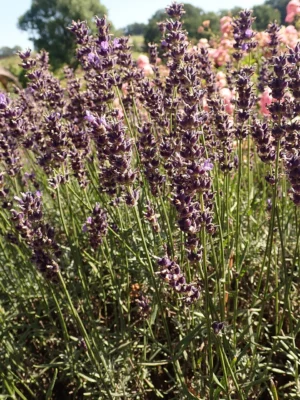
Hidcote English lavender
The pictured Hidcote has deep purple flowers. A compact hardy English type is a useful nursery plant before outdoor planting; it does not normally require permanent warm enclosure.
Photo: Salicyna, CC BY-SA 4.0. Resized and optimised; cropped for display. Adapted image under the same licence.
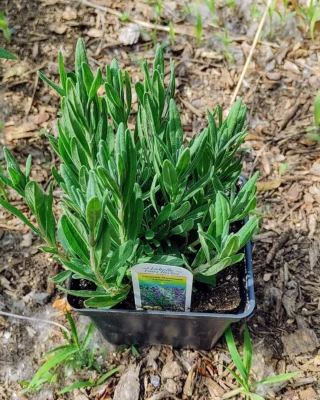
Munstead young plants
These labelled Munstead plants illustrate the nursery stage. Small plants need attentive watering and space to develop before moving to their final pots or garden position.
Photo: Jeangagnon, CC BY-SA 4.0. Resized and optimised; cropped for display. Adapted image under the same licence.
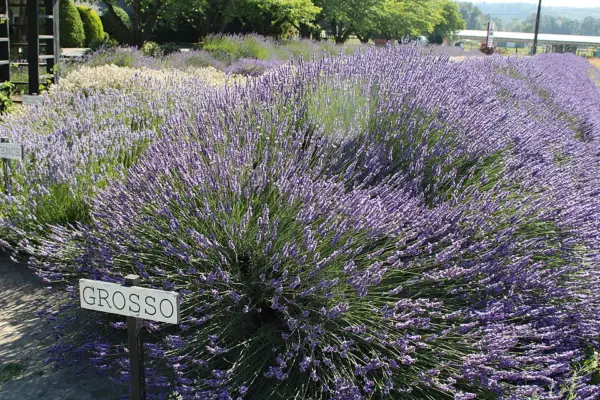
Grosso lavandin
Grosso makes a larger plant with long flower stems. Allow for its eventual spread and consider whether mature specimens are better placed outside than occupying a crowded tunnel.
Photo: Chris Light, CC BY-SA 4.0. Resized and optimised; cropped for display. Adapted image under the same licence.
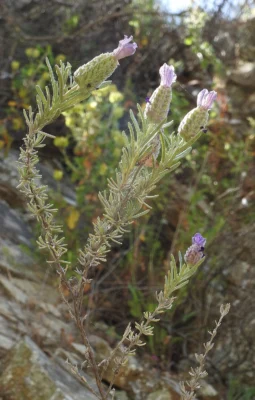
French lavender
The bracted flowers identify the French lavender type in this photograph. Check the exact cultivar's hardiness and provide appropriate winter shelter; a tunnel roof alone is not a frost guarantee.
Photo: Robert Flogaus-Faust, CC BY 4.0. Resized and optimised; cropped for display.
Use protected space to establish young plants or manage winter conditions. Reassess mature pots each spring so lavender retains the light and airflow it needs.
Lavender flowers attract bees and other visiting insects. Open a suitable route into the tunnel when weather allows, or move flowering pots outside to a sheltered sunny position.
Leave some flower stems for visitors when cutting bunches. Avoid trapping insects in a closed structure and tolerate minor cosmetic feeding where the plant remains healthy.
Usually not if a hardy type has a sunny, well drained outdoor site. A tunnel is most useful for young plants, cuttings and protection from excessive winter rain.
It can if light, ventilation, drainage and space remain suitable. Move pots outside if the structure becomes hot, shaded or humid. Continuous enclosure is not a requirement.
Not reliably. Check the cultivar's hardiness and actual minimum temperatures. Tender plants may need a frost free greenhouse or another suitably bright protected location.
Check the compost and rootball rather than using a fixed calendar. Water when needed during growth and much less in winter, always allowing surplus water to drain.
Avoid it. Lavender does not reliably regenerate from old leafless stems. Trim within living leafy growth after flowering and replace very woody plants when necessary.
Only use correctly identified suitable culinary lavender grown with food safe treatments. Do not assume ornamental nursery flowers or decorative dried bunches are food grade.
A useful lavender tunnel is bright, airy and carefully watered. Match the shelter to the plant and season, and move hardy mature specimens outside when that gives them better conditions.
Want to get food independence, support your local grower, get better prices and shop more privately?
Local food isn’t just something you find. It’s something you protect. A free account helps keep local supply visible, supported, and resilient.

….it takes 30 seconds for food lovers and 5 minutes for suppliers
We built this for people who care where their food comes from. For people who want to remain food secure. For Farmers to get to the local people, who deserve a better income and to deliver a better price for you. For the environmentally conscious and the privacy-conscious. An account simply helps us make the map and supplier reach more useful to you, without changing how open it is. You’re always in control.


Find local food. Stay connected to it. Create a free account to support local producers and be part of a growing food network.


