Soya beans provide plump green edamame or mature beans for drying, depending on when you harvest. In the UK, warmth and variety choice matter. Try a small crop in your sunniest position and keep plants growing steadily as their furry pods fill.
Warm season annual
Choose an early variety
Green or mature bean harvest
Regular watering
Always cook before eating
| Botanical name | Glycine max |
| Family | Fabaceae, the pea and bean family |
| Plant type | Frost tender annual |
| Edible harvest | Beans inside the pods |
| Edamame means | The immature green soya bean harvest |
| Best UK conditions | Warm sheltered sites with a long summer |
| Light | Full sun |
| Soil | Fertile, moisture retentive and well drained |
| Typical height | About 60cm; some varieties are taller |
| Indoor sowing | April to May |
| Direct sowing | May to June once the soil is warm |
| Germination temperature | About 18–20°C for an indoor start |
| Outdoor soil temperature | At least 15°C before direct sowing |
| Seed depth | Usually 4–5cm; follow the packet |
| Plant spacing | 15cm |
| Row spacing | 45cm; some packets specify 60cm |
| Planting out | Late May to June after frost risk |
| Green bean harvest | Usually late summer, while pods remain green |
| Mature bean harvest | Autumn, once pods and beans ripen |
| Cooking | Never eat raw; boil edamame for at least ten minutes |
| Plant name | Crop type | Spacing |
Sow indoors
Plant outdoors
Harvest
Polytunnel | |||||||||||
|---|---|---|---|---|---|---|---|---|---|---|---|---|---|---|
| Jan | Feb | Mar | Apr | May | Jun | Jul | Aug | Sep | Oct | Nov | Dec | |||
| Soya beans | Legumes | Single 15cm, In row 15cm, Row gap 45cm | No activity recorded | No activity recorded | No activity recorded | Sow indoors | Sow indoors, Plant outdoors | Sow indoors, Plant outdoors | No activity recorded | Harvest | Harvest | Harvest | No activity recorded | No activity recorded |
Sow indoors: April, May, June. Plant outdoors: May, June. Harvest: August, September, October. Polytunnel: no months recorded.
The April to June sowing band combines indoor April–May starts with outdoor May–June sowing once soil reaches 15°C. Plant out in late May or June after frost risk. August to October combines late summer edamame and later mature beans; cool districts may not ripen a dry crop. No polytunnel crop is assumed. Space plants 15cm apart in rows 45cm apart, or wider if the packet advises.
This is a worthwhile trial crop for a warm vegetable plot or sunny patio. A small first sowing will show whether your local summer gives enough warmth, and whether you prefer the green harvest to dried beans.
It is a less dependable choice for a cold, exposed allotment. Choose an early variety and start under cover where possible; a late sowing cannot recover a short growing season simply through extra feeding.
Photo: United Soybean Board, CC BY 2.0. Resized and optimised; cropped for display. United Soybean Board, CC BY 2.0.
Choose a warm, sunny site sheltered from strong winds. Avoid tall neighbouring crops shading soya plants while their pods fill.
Prepare weed free, well drained soil with well rotted compost. Retain useful moisture without leaving seeds or roots in cold, saturated ground.
For containers, choose drainage holes and peat free compost. A pot around 45cm wide and deep gives useful rooting room; retain the stated plant spacing.
Leave access for watering and checking pods. Most compact varieties support themselves, but short stakes and surrounding string can steady a windswept row.
Photo: JoachimKohler-HB, CC BY-SA 4.0. Resized and optimised; cropped for display. Adapted image under the same licence.
Buy labelled Glycine max seed selected for UK conditions. If your aim is edamame, choose a variety offered for its green eating quality rather than an unspecified bag of dried cooking beans.
1.
Choose an early variety and check its packet for depth, spacing and harvest stage. Reserve a warm position before sowing.
2.
In April or May, sow into moist peat free compost in pots or deep modules, usually 4–5cm deep; follow the packet.
3.
Keep at about 18–20°C and avoid saturated compost. Seedlings often appear within one to two weeks.
4.
Uncover seedlings and provide bright light. Pot on if roots fill the modules before outside conditions are suitable.
5.
Alternatively, sow outdoors in May or June once soil reaches 15°C: 5cm deep, 15cm apart, with rows 45cm apart unless specified wider.
6.
Acclimatise indoor plants gradually with increasingly long sheltered visits outside. Bring them back under cover during cold weather.
7.
Plant out in warm conditions after frost risk, usually late May or June. Keep rootballs intact and water before and after planting.
8.
Shelter young plants with a ventilated cloche or fleece if needed. Check for slugs, remove weeds and maintain steady moisture.

Watering
Water during dry spells, especially at flowering and pod filling. Soak the root area rather than repeatedly splashing the surface.
Check containers frequently. Mulch established plants to conserve moisture, leaving stems clear and ensuring drainage holes remain open.

Feeding
Improve the ground with well rotted organic matter before planting. Poor growth in cold conditions calls for better warmth and drainage before extra feed.
Container compost has limited nutrients. Follow its feeding guidance, adding suitable general feed when needed rather than strong fertiliser to stressed plants.

Pruning
Keep healthy leaves and branches; soya does not need tomato style side shoot removal. Support plants lightly where wind makes them lean.
Clear spent stems after harvest. Compost sound material, keeping heavily diseased debris out of ordinary home compost. There is no framework to retain.

Winter care
Sow afresh next spring. Soya does not overwinter outdoors in the UK, and green pods in a cold autumn may never produce sound mature seed.
Finish drying shelled mature beans indoors before airtight storage. Label containers, keep them cool and inspect for dampness or deterioration.
Branching soya plants carry broad leaves, small pale purple or white flowers and short hairy pods, usually containing two or three rounded beans. Mature foliage yellows and falls.
Edamame is a harvest stage, not a separate species. Follow labelled soya seed and cooking advice: these are not French or broad beans, and their hairy pods are discarded.
Photo: Krzysztof Ziarnek, Kenraiz, CC BY-SA 4.0. Resized and optimised; cropped for display. Adapted image under the same licence.
For edamame, check pods while they are still green and the beans inside feel well filled. Pick before pods yellow and beans become hard. Different sowings and varieties may reach this stage at different times, so judge the pods themselves.
Never taste soya beans raw. Boil green edamame for at least ten minutes before eating; they can be cooked in their pods and then shelled, or shelled first. Discard the pods. Prepare mature dried beans with a suitable recipe and cook them thoroughly.
For a dry crop, wait until pods ripen and the foliage declines, usually from late September. Harvest sound mature pods, shell and finish drying indoors. If cold weather is approaching while pods are still green, use suitable filled pods as edamame instead of assuming they will dry successfully.
Photo: United Soybean Board, CC BY 2.0. Resized and optimised; cropped for display. United Soybean Board, CC BY 2.0.
Cold, wet conditions and disturbance by mice can reduce establishment. Start pots somewhere warm and protected, or wait until outdoor soil reaches the recommended temperature. Keep compost moist without repeated soaking.
Slugs and snails can remove tender growth before plants establish. Inspect around the crop after dark and protect the small plants. Raise a few spare seedlings rather than losing the entire planting to one damaged row.
A cool summer or early planting into cold conditions can limit the harvest. Choose a suitable early variety, harden plants off and use a warm sheltered site. Protection helps establishment but does not guarantee a long hot summer.
Check moisture, especially through flowering and pod growth. Competition from weeds and irregular container watering can leave plants short of water. Warmth and season length also matter, so avoid promising that feed alone will fill the pods.
Inspect both leaf surfaces. Powdery mildew produces dusty patches; downy mildew can cause upper blotches with growth beneath. Improve spacing and air movement, water the soil and remove badly affected material. Persistent or unusual symptoms deserve a closer diagnosis.
Raise plants from seed annually. For seed saving, reserve healthy plants until their pods mature fully; beans picked green for edamame are immature.
Dry saved seed thoroughly, label with variety and year, and keep cool and dry. Test a sample before relying on it, or buy fresh seed if ripening was poor.
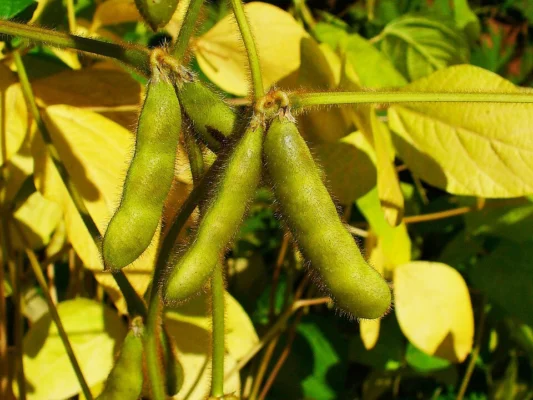
Elena
Recommended for UK growing, with harvest timing depending on whether you want green or mature beans. Check the supplier’s directions against your available season.
Green soya pods; illustrative image, cultivar unconfirmed.
Photo: H. Zell, CC BY-SA 3.0. Resized and optimised; cropped for display. Adapted image under the same licence.
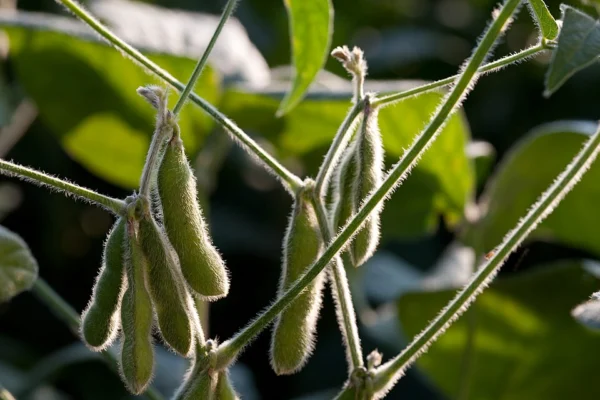
Envy
A productive choice for green or mature beans. Decide which harvest matters most: pods picked for edamame cannot contribute to the later dried crop.
Hairy green soya pods; illustrative image, cultivar unconfirmed.
Photo: United Soybean Board, CC BY 2.0. Resized and optimised; cropped for display. United Soybean Board, CC BY 2.0.
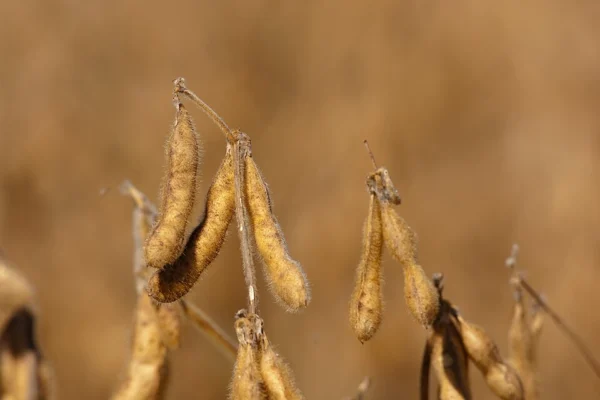
Black Jet
Another selection recommended for UK conditions. Compare its harvest purpose and packet directions with green edamame choices, allowing sufficient season for mature beans.
Mature brown soya pods; illustrative image, not verified as Black Jet.
Photo: United Soybean Board, CC BY 2.0. Resized and optimised; cropped for display. United Soybean Board, CC BY 2.0.
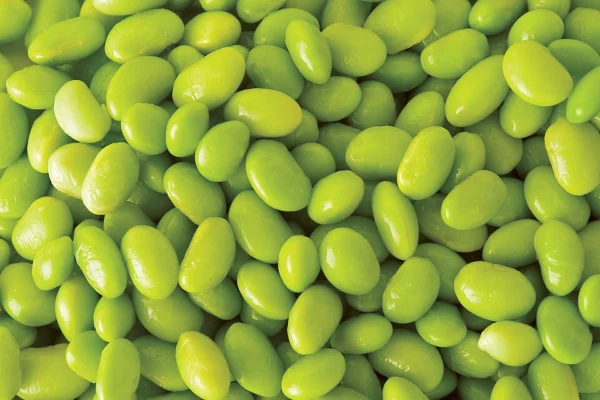
Green Shell
An early edamame choice that can also produce mature beans. Its packet may specify wider rows than the general calendar; use that spacing.
Shelled green edamame; illustrative image, not verified as Green Shell.
Photo: United Soybean Board, CC BY 2.0. Resized and optimised; cropped for display. United Soybean Board, CC BY 2.0.
Choose a named early variety and the harvest type you want. Read the packet carefully: similar product photographs do not establish that different variety names mean the same thing.
Protect vulnerable seedlings while keeping habitat for ground beetles, birds and other predators elsewhere. Target actual damage rather than clearing every garden hiding place.
Inspect marked leaves before acting. Insect feeding, fungal symptoms and normal yellowing at mature harvest need different responses.
Published by Buy From Farmers Direct. Growing guidance reviewed 6 October 2026. The seasonal timeline uses the shared BFFD Growers Calendar record; adjust timings to your variety and local conditions.
Yes. Edamame are soya beans harvested green. Varieties sold for edamame are selected for that eating stage; mature beans remain longer.
Yes, especially in warmer districts with an early variety. They need sun, moisture and a long enough warm season; trial them first in cooler areas.
No. Boil green edamame for at least ten minutes. Mature beans also need thorough cooking. Eat the beans and discard the pods.
Indoors in April or May, or outside in May or June once soil reaches 15°C. Plant seedlings out after frost risk and cold conditions pass.
Usually not. Many selections support themselves. Short stakes and surrounding string help if wind or a taller variety makes plants lean.
Mature beans need longer than edamame. Late sowing, cool weather or an unsuitable variety can prevent ripening. Use sound filled green pods for cooking instead.