Home grown cucumbers reward steady warmth, moisture and a little training. The first decision is where the plant will grow: choose a greenhouse variety for protected conditions or a suitable outdoor variety for a sunny sheltered bed. That choice also determines how you handle flowers, so keep the seed packet throughout the season.
Tender summer crop
Climbing or trailing
Choose indoor or outdoor type
Steady watering
Regular summer picking
| Botanical name | Cucumis sativus |
| Family | Cucurbitaceae |
| Growing cycle | Annual crop |
| Habit | Climbing or scrambling vine |
| Light | Bright and sunny |
| Soil | Fertile, moisture retentive and well drained |
| Main sowing window | April to June, according to growing method |
| Seed depth | Around 1 to 2cm |
| Germination temperature | About 21°C |
| Germination time | Often 1 to 2 weeks |
| Unheated greenhouse planting | Usually late May once nights are suitable |
| Outdoor planting | Usually June after acclimatisation |
| Temperature guide for establishment | Reliably above about 12°C |
| Spacing for trained plants | At least 30cm, with room for the canopy |
| Minimum container | About 30cm wide and deep for one plant |
| Support | Sturdy cane, trellis, wires or netting |
| Harvest window used | July to October |
| Pollination | Depends on variety; retain its instructions |
| Fruit size at picking | Variety dependent |
| Winter habit | A fresh crop is raised each year |
| Plant name | Crop type | Spacing |
Sow indoors
Plant outdoors
Harvest
Polytunnel | |||||||||||
|---|---|---|---|---|---|---|---|---|---|---|---|---|---|---|
| Jan | Feb | Mar | Apr | May | Jun | Jul | Aug | Sep | Oct | Nov | Dec | |||
| Cucumber | Cucurbits | Single 30cm minimum when trained, In row 30cm minimum, Row gap 90cm for access | No activity recorded | No activity recorded | No activity recorded | Sow indoors, Polytunnel | Sow indoors, Plant outdoors, Polytunnel | Sow indoors, Plant outdoors, Polytunnel | Harvest, Polytunnel | Harvest, Polytunnel | Harvest, Polytunnel | Harvest, Polytunnel | No activity recorded | No activity recorded |
Sow indoors: April, May, June. Plant outdoors: May, June. Harvest: July, August, September, October. Polytunnel: April, May, June, July, August, September, October.
The calendar covers a normal unheated greenhouse or outdoor crop. April sowings need indoor warmth; late May and June can include direct sowing of outdoor varieties into warm soil. Plant greenhouse types only once conditions suit them, and outdoor types after local cold risk has passed. A heated greenhouse can support a different, earlier schedule that is outside this main calendar.
A climbing cucumber can use vertical space efficiently, including in a small greenhouse or large patio pot. The support must carry both leafy growth and developing fruit.
Choose a planting you can water consistently. A large vine in a small, neglected pot is easily stressed, while one accessible, well maintained plant can provide a useful household crop.
Photo: Pascal Kings, CC BY 4.0. Resized and optimised; cropped for display.
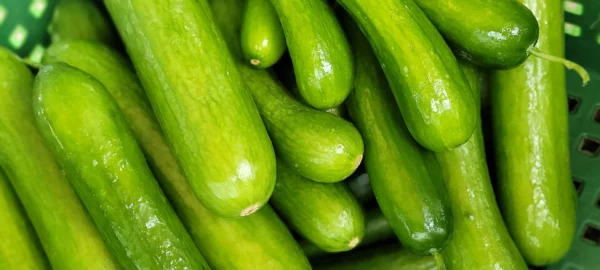
For protected growing, prepare a greenhouse border or a substantial container in good light. Keep enough space around plants for ventilation and access to the fruit.
For an outdoor variety, choose your warmest suitable sheltered spot. A cold wind or shaded bed limits growth even after the last frost has passed.
Use at least 30cm between trained plants as a minimum, and follow wider spacing on the packet. Allow practical access between rows and considerably more ground for vines left to trail.
Install supports before stems become tangled. A pot at least 30cm wide and deep is a minimum for one plant; a larger volume makes moisture management easier where space allows.
Photo: Friedrich Haag, CC BY-SA 4.0. Resized and optimised; cropped for display. Friedrich Haag

Match sowing to the date when the final growing position will be warm enough. Young cucumber plants dislike cold checks and rough root handling.
1.
Read whether the variety is intended for a greenhouse, outdoors or both. Retain its flower management and training instructions.
2.
Sow one seed per small pot, on its side, about 1 to 2cm deep in moist seed compost. Label the name and date.
3.
Keep germination conditions around 21°C and inspect the compost without saturating it. Once seedlings emerge, provide good light.
4.
Grow seedlings on in warmth and pot on when roots need space. Avoid leaving an oversized vine confined to a small starter pot.
5.
Prepare the final bed or container and put its support in place. Water the root ball before moving the plant.
6.
Plant greenhouse cucumbers when the house is reliably warm enough. Harden outdoor plants off gradually and wait for suitable June conditions or later in cold districts.
7.
Keep the root ball intact, firm gently and water in. Keep the stem base clear of wet mulch; a grafted plant’s union should remain above the compost surface.
8.
Tie the main stem loosely to its support and inspect new growth regularly. Begin the variety’s feeding and flower management routine as it develops.

Watering
Keep the root zone evenly moist, especially when fruit is developing. Check containers frequently in warm weather, because a large leaf canopy can exhaust a small reserve quickly.
Water at the base and let surplus drain. A mulch helps conserve moisture in beds, but leave the stem neck clear and avoid a persistently wet collar that encourages rot.

Feeding
A prepared fertile bed may need little additional feed, whereas a container crop depends on the nutrients within its compost and any later applications.
Use a suitable liquid feed according to its label. A potassium rich feed is commonly used once flowering begins, but poor light, cold roots or irregular watering must also be corrected.

Pruning
Guide climbing stems onto their support and follow the packet’s training system. Under glass, limit the main stem when it reaches the available height and control congested side growth without stripping the plant bare.
Flower management is variety specific. Outdoor types such as Marketmore normally need male flowers for pollination. Many greenhouse types set fruit without pollination and their instructions call for removing any male flowers; do not apply that rule to every cucumber.

Winter care
Harvest the remaining useful fruits before the plants deteriorate in autumn. Ordinary garden cucumbers are grown as an annual crop rather than retained through winter.
Clear spent vines, clean reusable supports and pots, and record which variety and planting date worked. Keep diseased material separate where its disposal requires particular care.
Cucumber vines have broad angular leaves, curling tendrils and yellow flowers. A female flower has a small cucumber behind it; a male flower has a simple stem without that swelling.
Skin texture and fruit shape vary widely. Long smooth greenhouse cucumbers, shorter outdoor types and pickling cucumbers are all selections of the same species, but their picking size and pollination needs differ.
Photo: H. Zell, CC BY-SA 3.0. Resized and optimised; cropped for display. Adapted image under the same licence.
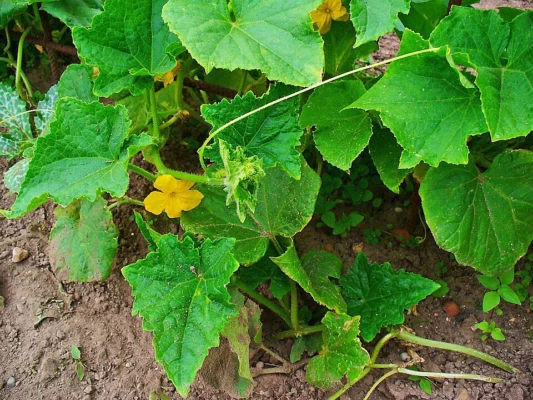
In mild southern gardens, outdoor cucumbers can perform well in a sunny sheltered position. Even there, a cold spell after planting can stall growth, so judge the forecast rather than a fixed date.
In cooler northern or exposed locations, a suitable greenhouse or tunnel often gives a more dependable season. An unheated structure still cools at night, so use a thermometer before moving tender plants in.
During hot weather, ventilate protected crops and maintain root moisture. During dull damp spells, avoid stagnant overcrowded growth. Adjust care to the actual house or bed, not simply to the month.
Photo: Forest and Kim Starr, CC BY 3.0 us. Resized and optimised; cropped for display. Forest & Kim Starr
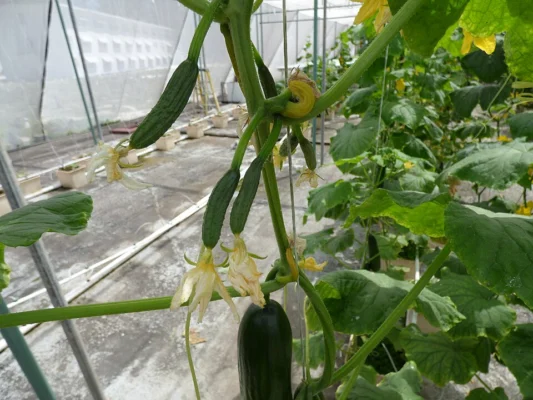
Check below the compost surface and examine drainage and the stem base. Wilting can reflect dry roots, root damage or saturated compost; adding more water without checking can worsen the wrong problem.
Confirm the variety’s pollination requirements and review temperature, water and plant strength. A young stressed plant may fail to carry every fruitlet even where flowers are managed correctly.
Improve airflow, keep watering consistent and identify the problem before choosing a treatment. Natural ageing, fungal disease and pest damage can produce different patterns.
Look for red spider mite beneath leaves, especially in warm protected conditions. Confirm the pest and consider a suitable biological control before the infestation becomes extensive.
Pick at the variety’s recommended stage and do not eat unusually bitter fruit. Review growing stress and the packet’s pollination advice. Many green varieties yellow when overripe, although some varieties naturally have pale or yellow skins.
Cucumbers are usually raised from seed or bought as young plants. Purchased grafted plants offer another option, but keep the graft above the growing medium and follow the nursery’s care instructions.
Seed saving needs planning because varieties can cross and F1 offspring do not reliably repeat the parent. For a small kitchen crop, fresh labelled seed avoids uncertainty over plant habit and fruit quality.
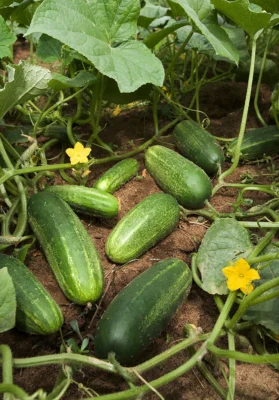
Marketmore
A familiar outdoor ridge cucumber with dark green fruit. Give it a warm sheltered site and retain the flowers required for pollination.
Illustrative outdoor cucumbers; this photograph is not confirmed as Marketmore.
Photo: Stephen Ausmus, USDA ARS, Public domain. Resized and optimised; cropped for display.
Carmen
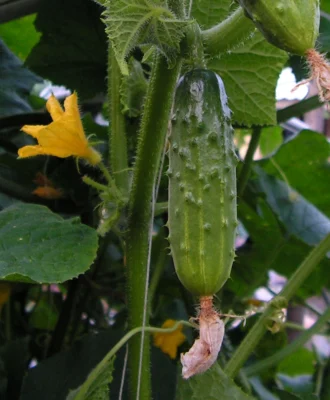
A greenhouse selection grown for long fruits. Check its packet for the appropriate pollination and training routine before treating it like an outdoor cucumber.
Illustrative developing cucumber; not a confirmed Carmen fruit.
Photo: Bff, CC BY-SA 3.0. Resized and optimised; cropped for display. Adapted image under the same licence.
Mini Munch
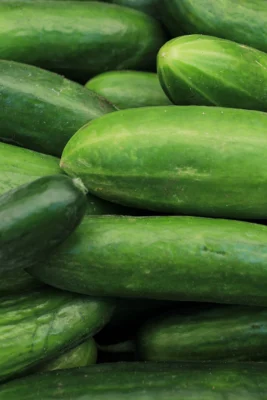
A greenhouse choice with small fruits for convenient fresh picking. The fruit size is small, but the climbing plant still needs support and regular care.
Illustrative harvested cucumbers, not confirmed Mini Munch.
Photo: Jason Zhang, CC BY-SA 3.0. Resized and optimised; cropped for display. Jason Zhang
Pickling types
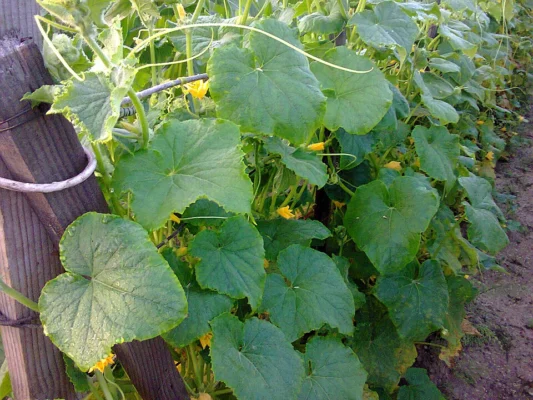
Choose a variety sold for small pickling cucumbers and harvest frequently at the recommended size. Leaving fruit to swell changes its texture and can slow further cropping.
Illustrative cucumber vine; no particular pickling cultivar is identified.
Photo: DenesFeri, CC BY-SA 4.0. Resized and optimised; cropped for display. Adapted image under the same licence.
Decide on outdoor or protected growing first, then compare fruit size, habit and documented disease resistance. Keep the label so the watering, training and flower advice can be matched to the actual plant.
Outdoor varieties that need pollination benefit from insect access to flowers. Avoid leaving protective covers permanently closed once the crop is flowering.
A greenhouse variety grown without pollination has different requirements. Support wildlife through the wider garden and manage the crop according to its own label rather than treating all flower visits as equally useful.
Published by Buy From Farmers Direct. Sources checked 6 October 2026. Growing references: RHS cucumber growing guide; Garden Organic cucumber guide; Thompson and Morgan cucumber growing advice; RHS Marketmore; RHS Carmen; RHS Mini Munch. The seasonal timeline uses the shared BFFD Growers Calendar record; adjust timings to your variety and local conditions.
Yes, with a suitable outdoor variety in a warm sunny sheltered position. In a cool exposed garden, protected growing is usually more dependable.
Only where the variety’s instructions require it. Outdoor types normally need them for pollination, while many greenhouse types are grown without pollination.
Usually from June after hardening off, when local conditions are reliably warm and cold nights are no longer a problem. Delay in exposed or northern gardens.
Yes. Use one plant in a drained pot at least 30cm wide and deep, preferably larger where practical, with strong support and regular moisture checks.
Follow the size and appearance expected for the variety. Pick regularly while fruits are firm and before ordinary green types become overripe and yellow.
Support keeps a climbing crop accessible and uses vertical space. It also helps keep fruits clean. Outdoor vines can trail if enough suitable ground is available.
Choose the right type first, then keep warmth, watering and flower management consistent. Regular picking turns a well cared for vine into a useful summer crop.
Explore more growing guides: Courgette, Cantaloupe, Chilli Pepper.
Want to get food independence, support your local grower, get better prices and shop more privately?
Local food isn’t just something you find. It’s something you protect. A free account helps keep local supply visible, supported, and resilient.

….it takes 30 seconds for food lovers and 5 minutes for suppliers
We built this for people who care where their food comes from. For people who want to remain food secure. For Farmers to get to the local people, who deserve a better income and to deliver a better price for you. For the environmentally conscious and the privacy-conscious. An account simply helps us make the map and supplier reach more useful to you, without changing how open it is. You’re always in control.


Find local food. Stay connected to it. Create a free account to support local producers and be part of a growing food network.


