Sweetcorn rewards a sunny summer with cobs that can go straight from the plot to the kitchen. Start with an early variety, raise sturdy plants in warmth and give them a shared block of fertile ground. Good pollination and timely picking matter as much as plant height.
Tender summer annual
Full sun and shelter
Plant in a block
Wind pollinated
Pick at the milky stage
| Botanical name | Zea mays, sweetcorn cultivars |
| Family | Poaceae: the grass family |
| Crop type | Frost-tender annual |
| Edible crop | Immature kernels on the cob |
| Typical height | About 1.2–2m, depending on variety |
| Position | Full sun, sheltered from strong winds |
| Soil | Fertile, moisture retentive and well drained |
| Indoor sowing | April to May |
| Outdoor sowing | Late May to early June on warm sites |
| Seed depth | About 2.5cm, or follow the packet |
| Germination warmth | Around 18–21°C indoors |
| Germination time | Often 10–14 days |
| Planting out | Late May or June, after local frost risk |
| Spacing | Usually 35–45cm each way |
| Planting pattern | A block with several neighbouring rows |
| Pollination | Wind carries pollen from tassels to silks |
| Likely yield | Commonly one or two useful cobs per plant |
| Main UK harvest | August and September; sometimes into October |
| Ripeness test | A pierced kernel releases milky liquid |
| Winter care | Clear finished plants and sow fresh next spring |
| Plant name | Crop type | Spacing |
Sow indoors
Plant outdoors
Harvest
Polytunnel | |||||||||||
|---|---|---|---|---|---|---|---|---|---|---|---|---|---|---|
| Jan | Feb | Mar | Apr | May | Jun | Jul | Aug | Sep | Oct | Nov | Dec | |||
| Sweetcorn | Grains | Single 45cm, In row 45cm, Row gap 45cm; plant a block rather than one long row | No activity recorded | No activity recorded | No activity recorded | Sow indoors, Polytunnel | Sow indoors, Plant outdoors, Polytunnel | Sow indoors, Plant outdoors, Polytunnel | No activity recorded | Harvest | Harvest | Harvest | No activity recorded | No activity recorded |
Sow indoors: April, May, June. Plant outdoors: May, June. Harvest: August, September, October. Polytunnel: April, May, June.
The calendar shows indoor sowing in April–May and a limited June outdoor-sowing option for warm, sheltered sites with an early variety. Plant outside only after frost risk and cold soil have passed, usually late May–June. Harvest is generally August–September, with October dependent on variety and weather. The protected band means raising young plants and temporary spring protection, not a winter crop.
Choose sweetcorn when you can dedicate a sunny patch to a group of plants. A single specimen may look impressive but is a poor plan for well-filled cobs.
Cool districts benefit from an early-maturing cultivar and an indoor start. A delayed sowing in a cold, exposed garden may run out of summer before the kernels fill.
Photo: Simon Speed, CC0. Resized and optimised; cropped for display.
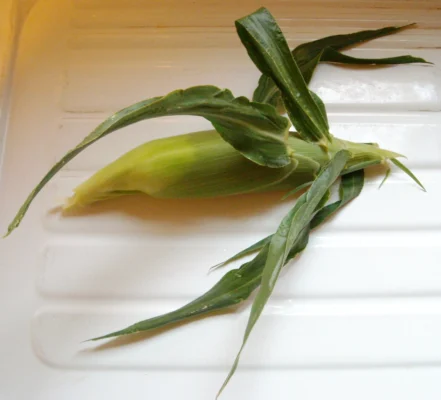
Set aside a block rather than a narrow strip along a boundary. Pollen should be able to reach neighbouring plants whatever the wind direction.
Remove persistent weeds before planting and enrich poor ground with mature compost. The bed should hold moisture without remaining saturated after rain.
Keep the crop away from deep shade. A windbreak can reduce damaging gusts, but avoid an enclosed, dark pocket where growth remains slow.
If using containers, choose large, stable pots and group several together. Retain normal plant spacing, allow adequate root room and expect much more frequent watering than in the ground.
Photo: Rasbak, CC BY-SA 3.0. Resized and optimised; cropped for display. Adapted image under the same licence.
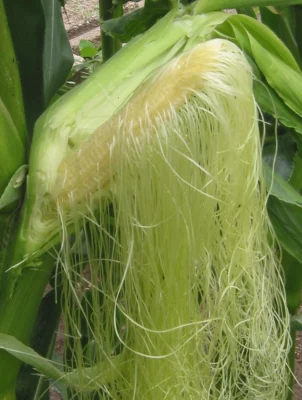
Buy clearly labelled sweetcorn seed or healthy young plants. Grain maize, decorative maize and popcorn have different eating qualities; do not choose seed simply because its packet shows a cob.
1.
Select an early cultivar suited to UK summers and plan enough plants for several short rows. Check the packet for isolation advice before mixing different sweetness types.
2.
In April or May, fill deep modules or small pots with moist peat free seed compost. Sow one seed per cell about 2.5cm deep, following any cultivar-specific directions.
3.
Keep the compost warm, around 18–21°C, and lightly moist. Avoid repeatedly soaking unsprouted seed, which can rot in a wet pot.
4.
Move emerged seedlings into strong light and leave room between pots. Keep their roots intact and plant them out before the containers become badly congested.
5.
Gradually harden plants off over about a week or two. Bring them back into shelter during cold nights; a warm afternoon does not mean the frost season has ended.
6.
Mark a grid, usually 35–45cm apart both ways. A block of several short rows gives each plant more pollen-producing neighbours than one long line.
7.
Plant after frost risk has passed and the ground is warm, usually in late May or June. Water the rootballs and surrounding soil well, then check moisture while roots establish.
8.
For direct sowing on a reliably warm site, sow two seeds at each grid position in late May or early June and keep the stronger seedling. Protect against seed-eating animals and allow for a later crop.

Watering
Water new plants during establishment. Later, pay particular attention when tassels appear and cobs are swelling; sustained drought at this stage can reduce the harvest.
Water the root zone thoroughly rather than giving frequent tiny splashes. A compost mulch helps slow drying, while containers need regular checks even when nearby garden soil feels damp.

Feeding
Prepare the bed well before planting. Where soil fertility is low, use a suitable balanced fertiliser at its stated rate rather than trying to correct every slow spell with extra feed.
Container plants use up a limited supply of nutrients. Feed during active growth as directed by the product, especially once flowering begins, and keep watering consistent.

Pruning
Leave healthy side shoots in place. Sweetcorn does not need tomato-style training or removal of the male tassels; those tassels supply the pollen needed by the crop.
Weed shallowly to avoid disturbing roots. If plants rock in wind, gently firm the base and draw a little soil around exposed supporting roots without burying the whole stem.

Winter care
Sweetcorn finishes after its summer crop and is not overwintered for another harvest. Remove spent stalks, chop healthy material for compost and clear badly decayed cobs.
Record which variety and sowing date ripened successfully on your site. Use that experience to choose the next spring’s seed instead of assuming a late variety will improve in another cool season.
The branching tassel at the top of a sweetcorn stem is the male flower. The silky strands emerging from a young cob receive pollen; each developing kernel depends on successful fertilisation.
Sweetcorn is selected for eating before its kernels become dry and hard. Baby corn is picked much earlier and eaten whole; popcorn requires an appropriate popping variety and a different, mature drying harvest.
Photo: Spedona, CC BY-SA 3.0. Resized and optimised; cropped for display. Adapted image under the same licence.
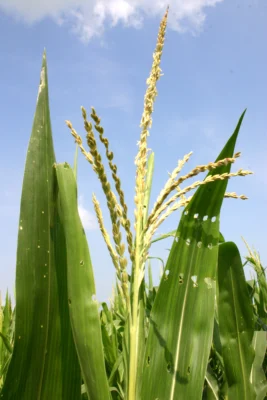
When the silks on a cob turn brown, gently open a small area of husk and pierce a kernel. Clear juice means wait; milky juice indicates the eating stage; thick, doughy contents mean the cob has passed its best.
Check cobs individually, because plants and secondary cobs do not all mature together. Support the stem while twisting off a ready cob, and take only what you can use promptly.
Freshness is the chief advantage of a garden crop. Prepare picked cobs soon, or chill them promptly for short storage; supersweet types retain sweetness longer, but no variety benefits from being left warm after picking.
Photo: Schlaghecken Josef, CC BY-SA 4.0. Resized and optimised; cropped for display. Adapted image under the same licence.

Cold, waterlogged compost encourages rotting, while mice may remove seeds entirely. Start a small replacement batch in warmth and check both moisture and animal access before sowing again.
Check for cold soil, saturated roots, drought or cramped pots. Wait for suitable weather, improve drainage where necessary and restore steady watering before assuming fertiliser alone will solve the problem.
Poor pollination is a common cause. Grow a block with overlapping flowering, maintain moisture and gently shake flowering stems on a dry day to help pollen move through a small crop.
Slugs and snails can damage young growth; birds and mammals may take seed or maturing cobs. Identify the visitor, protect vulnerable plants and use properly secured barriers that do not trap wildlife.
Late picking, slow use after harvest or incompatible nearby maize pollen can affect quality. Test kernels earlier, use cobs promptly and follow the seed supplier’s guidance on separating different sweetcorn types.
Sweetcorn is raised from seed each year. F1 seed does not reproduce the same uniform crop when saved; buy fresh seed if retaining a particular hybrid’s characteristics matters.
Saving an open-pollinated variety needs a sufficiently large population and isolation from other maize. A few mixed allotment plants are not a reliable seed-maintenance project; use a specialist protocol before reserving mature cobs.
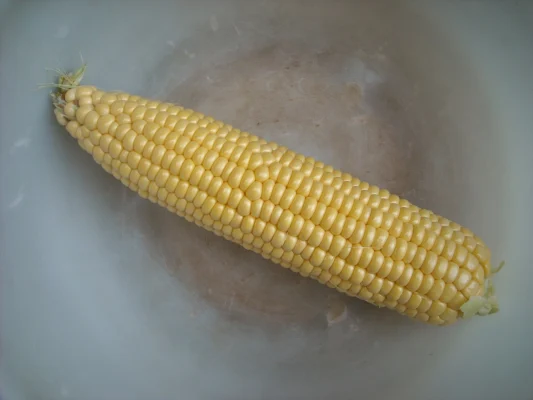
Earlibird F1
An early supersweet choice for a short summer. Give its seed a warm start and follow isolation instructions to protect the expected sweetness.
Earlibird sweetcorn cob.
Photo: Simon Speed, CC0. Resized and optimised; cropped for display.

Swift F1
A quick-maturing tendersweet option for growers who prefer tender kernels. Early growth still depends on warmth, and the crop needs a properly planted block.
A maize crop illustrates plant habit; the Swift cultivar is not verified.
Image from the BFFD media library.

Lark F1
A tendersweet hybrid with a tender eating texture. Check the supplier’s maturity guidance against the length of your local growing season.
Young maize plants shown for illustration; the Lark cultivar is not verified.
Image from the BFFD media library.
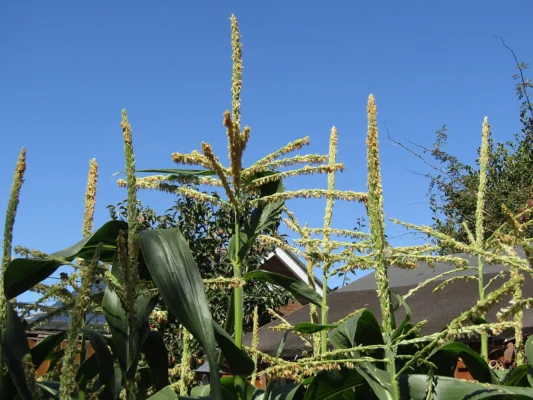
Golden Bantam
An older open-pollinated yellow sweetcorn with a more traditional sweetness. Pick at the milky stage and use promptly; seed saving requires planning and isolation.
Flowering sweetcorn shown for illustration; the Golden Bantam cultivar is not verified.
Photo: Kolforn (Wikimedia), CC BY-SA 4.0. Resized and optimised; cropped for display. Adapted image under the same licence.
Check maturity, plant height and sweetness type, then buy enough seed for a useful group plus a few spare plants. Avoid mixing packets without checking their pollination requirements.
Sweetcorn relies on wind rather than bees to set its kernels. Nearby flowers can still support useful insects, but cannot compensate for a lone plant or a poorly arranged crop.
Birds and mammals may share your enthusiasm for ripening cobs. Check crop covers regularly and keep mesh secure, with no loose loops that could catch visiting wildlife.
Published by Buy From Farmers Direct. Growing guidance reviewed 6 October 2026. The seasonal timeline uses the shared BFFD Growers Calendar record; adjust timings to your variety and local conditions.
Pollen moves on the wind. Several neighbouring rows help it reach the silks and fill the cobs more evenly than a single long row.
It may produce some kernels, but a group offers much more reliable pollination. Use several plants flowering at the same time.
No routine removal is needed. Leave healthy shoots and the top tassels, which provide pollen.
After the cob’s silks brown, pierce a kernel through a small opening in the husk. Milky liquid indicates readiness; clear juice means it needs longer.
Check their sweetness types and supplier advice. Pollen from incompatible nearby maize can affect the kernels you eat that season, especially with supersweet crops.
Do not rely on it. Choose a variety specifically sold for popping and follow its mature-harvest and drying instructions; this guide’s main harvest is fresh sweetcorn.
Start early varieties in warmth, plant a useful block and keep moisture steady during flowering. A small, well-pollinated crop picked at the right moment is the aim.
Explore more growing guides: Beans (French), Courgette, Cucumber.
Want to get food independence, support your local grower, get better prices and shop more privately?
Local food isn’t just something you find. It’s something you protect. A free account helps keep local supply visible, supported, and resilient.

….it takes 30 seconds for food lovers and 5 minutes for suppliers
We built this for people who care where their food comes from. For people who want to remain food secure. For Farmers to get to the local people, who deserve a better income and to deliver a better price for you. For the environmentally conscious and the privacy-conscious. An account simply helps us make the map and supplier reach more useful to you, without changing how open it is. You’re always in control.


Find local food. Stay connected to it. Create a free account to support local producers and be part of a growing food network.


