An almond tree can be worth growing for its early blossom alone, but a crop of sweet nuts needs the right variety and a warm, sheltered position. In the UK, the main difficulty is often spring frost damaging flowers rather than winter killing the tree. Choose a named fruiting almond, check its rootstock and pollination requirements, and treat a reliable harvest as a possibility to work towards rather than a promise.
Warm sheltered site
Early spring blossom
Autumn nuts
Check rootstock
Summer pruning
| Botanical name | Prunus dulcis; also Prunus amygdalus |
| Family | Rosaceae |
| Plant type | Deciduous fruit tree |
| Crop | Sweet kernels inside the stone |
| Height | Depends strongly on rootstock and variety |
| Spread | Allow several metres unless specifically trained |
| Light | Full sun |
| Position | Warm, sheltered, outside frost pockets |
| Soil | Moderately fertile and freely draining |
| Moisture | Even moisture during establishment |
| Main planting | November to March for bare root trees |
| Flowering | Early spring, often February to March |
| Harvest | Usually September; sometimes into October |
| Pollination | Self fertility depends on cultivar |
| Pruning | Light pruning in dry summer weather |
| Training | Bush tree or fan against a warm wall |
| Container growing | Only with suitable compact rootstock |
| Propagation | Budding or grafting for named cultivars |
| Main disease risk | Peach leaf curl and other Prunus diseases |
| Buying priority | Named sweet almond from a reputable nursery |
| Plant name | Crop type | Spacing |
Sow indoors
Plant outdoors
Harvest
Polytunnel | |||||||||||
|---|---|---|---|---|---|---|---|---|---|---|---|---|---|---|
| Jan | Feb | Mar | Apr | May | Jun | Jul | Aug | Sep | Oct | Nov | Dec | |||
| Almond | Orchard fruit | Allow about 5m for a medium bush tree; confirm rootstock spread and fan dimensions with the nursery | Plant outdoors | Plant outdoors | Plant outdoors | No activity recorded | No activity recorded | No activity recorded | No activity recorded | No activity recorded | Harvest | Harvest | Plant outdoors | Plant outdoors |
Sow indoors: no months recorded. Plant outdoors: January, February, March, November, December. Harvest: September, October. Polytunnel: no months recorded.
Plant bare root trees during dormancy, generally November to March, when ground is neither frozen nor waterlogged. Container trees have a wider planting window with suitable aftercare. September and October mark a possible nut harvest, not guaranteed cropping. Seed sowing is omitted because named grafted trees are the practical route to a predictable edible crop. A mature almond does not require a polytunnel; an unheated tunnel is not frost free and does not remove pollination or space requirements.
Almond suits a gardener with a sunny position who values blossom as well as the chance of a crop. It is a more experimental nut choice in Britain than simply planting a tree and expecting commercial orchard yields. Local shelter and late frost history should influence the decision.
Before buying, ask the nursery for the mature size on the actual rootstock being supplied. A small tree at delivery can become a substantial canopy. Where space is limited, a professionally started fan or suitable compact tree is easier to plan around than an unspecified seedling.
Photo: Manfred Heyde, CC BY-SA 3.0. Resized and optimised; cropped for display. Adapted image under the same licence.
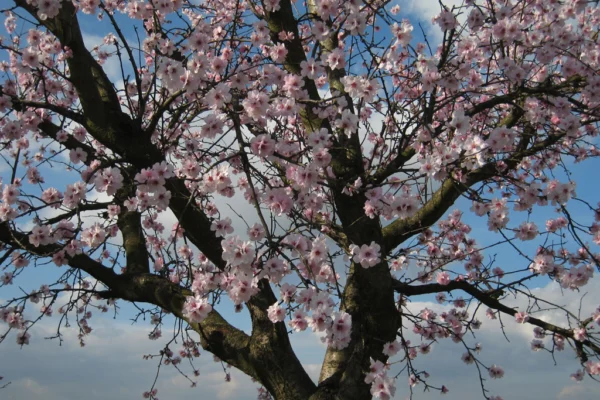
Choose the warmest practical site with plenty of direct sun. Avoid the bottom of a slope or an enclosed hollow where cold air collects. Shelter should reduce harsh winds without putting the tree in permanent shade.
A sunny wall offers a useful position for a trained fan. Install strong supports before planting and leave access for tying, pruning and blossom protection. Do not try to flatten a mature bush tree into a fan in one operation.
Almond roots need soil that drains after rain. If the site remains saturated in winter, resolve that problem or choose a different location. Soil depth and drainage matter more than adding rich compost to a small hole.
Container growing is possible with a suitably restrained tree, a substantial pot and ongoing attention. Check the nursery’s recommendation for that rootstock. A standard vigorous almond in a small decorative pot is unlikely to remain a manageable, productive plant.
Photo: Bjoertvedt, CC BY-SA 4.0. Resized and optimised; cropped for display. Adapted image under the same licence.
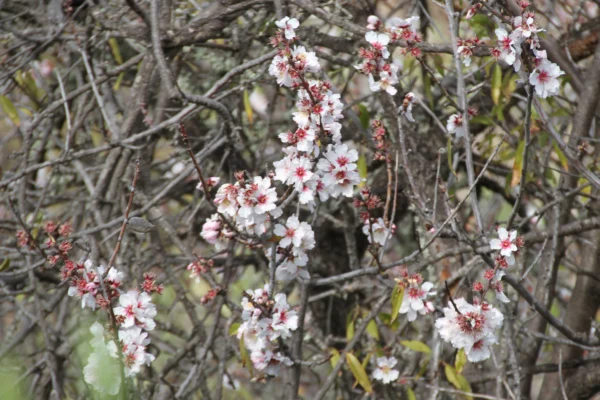
Buy a named sweet almond suited to your space and climate. Confirm whether it is self fertile, identify the graft union, and keep bare roots protected from drying winds until planting.
1.
Check the variety, rootstock, expected size and pollination details on the order.
2.
Choose a sunny site with shelter and good drainage before the tree arrives.
3.
Clear grass and perennial weeds around the planting position.
4.
Dig a broad hole that lets roots spread without bending them upwards.
5.
Set the tree at its previous soil level, keeping the graft union above ground.
6.
Backfill with the excavated soil, working it gently around the roots.
7.
Water thoroughly and add a suitable stake and flexible tie if support is needed.
8.
Mulch the surrounding soil, keep mulch away from the trunk and retain the label.

Watering
Water a newly planted tree regularly through its first growing season when rain is insufficient. Check the root area, particularly near a wall where rainfall may be intercepted. Occasional deep watering is more useful than repeatedly wetting only the surface.
Containers dry faster and need close attention while leaves and fruit develop. Avoid alternating severe drought with saturation. Keep drainage holes open and never assume that an almond’s association with warm countries means young roots need no water.

Feeding
Use growth and soil conditions to guide feeding. A modest spring application of a suitable balanced fertiliser may help where needed; follow the product directions and spread it over the rooting area rather than against the trunk.
Do not force excessive leafy growth in an attempt to make a young tree crop sooner. Maintain a clear area around the base and renew mulch as it breaks down. For persistent weak growth, investigate drainage, root health and competition before adding more nutrients.

Pruning
Established bush almonds usually need light pruning to remove damaged, crossing or congested growth. Work in dry summer weather to reduce the risk associated with pruning susceptible Prunus in autumn or winter. Avoid large unnecessary cuts.
Fans require regular training and a pruning method suited to their fruiting wood. Follow the nursery’s framework guidance or specialist fan advice. Do not shorten every shoot indiscriminately: retaining useful young wood and fruiting spurs matters more than producing a perfectly clipped outline.

Winter care
The tree’s winter hardiness does not describe the hardiness of open blossom. Check the forecast when flowers emerge and protect accessible small trees or fans during frost, removing temporary covers when conditions improve so pollinating insects can reach flowers.
Where peach leaf curl is a recurring problem, a ventilated rain shelter over a wall trained tree can help keep developing buds dry. Plan it before bud break and allow airflow and insect access. A sealed, humid enclosure creates its own difficulties.
The fruiting almond has narrow, toothed leaves and pale pink or white blossom, often before leaf emergence. Developing fruits have a green, velvety outer hull surrounding a hard stone. The familiar almond is the kernel inside that stone.
Do not confuse it with flowering almond shrubs such as Prunus triloba, or assume an unknown seedling produces edible sweet kernels. Choose stock sold specifically as a sweet fruiting cultivar. Never eat bitter or unidentified kernels, and keep the nursery label as part of the tree’s record.
Photo: Jörg Hempel, CC BY-SA 2.0 Germany. Resized and optimised; cropped for display. Adapted image under the same licence.
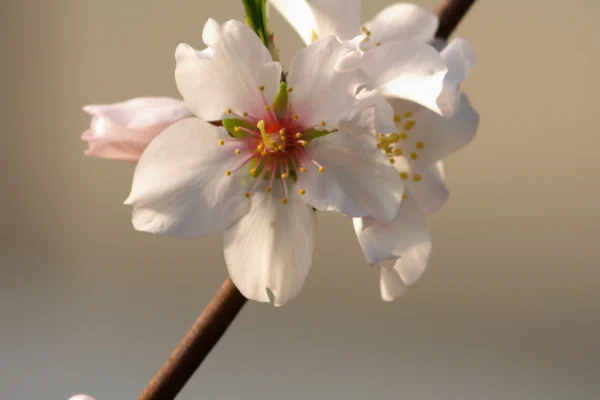
Warmer, drier and sheltered parts of the UK generally offer better cropping prospects. Even there, blossom can be lost to a single frost. A tree may look perfectly healthy and grow well through summer after its potential crop has already been damaged.
A self fertile cultivar removes the need for a separate compatible variety, but flowers still benefit from insect visits and suitable weather. Cold rain during flowering can limit fruit set. Check the specific cultivar rather than applying a rule about all almonds.
Watch for hulls beginning to split as nuts mature in early autumn. Gather the crop in dry weather, remove the outer hulls and dry the nuts thoroughly in a ventilated, protected place before storage. Discard damaged or mouldy nuts and check stored nuts regularly.
Photo: Digigalos, CC BY-SA 3.0. Resized and optimised; cropped for display. Adapted image under the same licence.
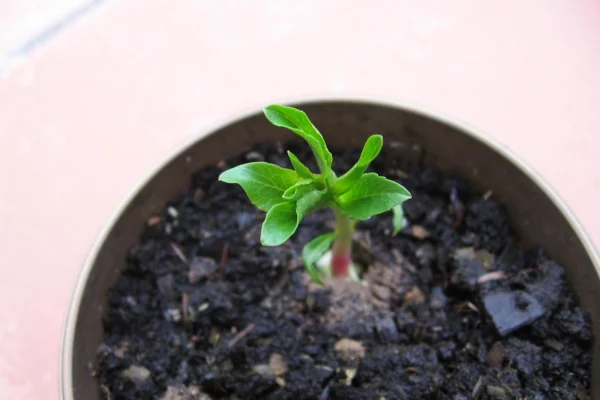
Frost, poor pollination weather, an unsuitable pollination partner or a young tree can explain poor set. Review the flower period and cultivar details before changing feeding. A healthy tree is not proof that its blossom escaped damage.
Peach leaf curl can also infect almonds, particularly as new leaves emerge in wet spring weather. Confirm the diagnosis and plan preventive rain protection for a manageable wall trained tree. Feeding alone does not prevent infection.
Silver leaf is one possible cause. Seek identification because other stresses can also change leaf colour. Remove affected wood appropriately and avoid leaving diseased branches around the garden. Routine pruning is best planned for summer.
Gumming is a response to injury or disease, not a diagnosis by itself. Inspect for damaged bark, sunken areas and dying shoots. Bacterial canker is one possibility, so establish the cause before cutting extensively.
Check whether roots are too dry, waterlogged, planted deeply or competing with grass. Inspect tight ties and the graft union as well. Correct the underlying condition before increasing fertiliser.
Named almonds are usually maintained by grafting or budding onto an appropriate rootstock. These methods preserve the variety and help determine the eventual tree size. Buying a correctly labelled young tree is the most straightforward option for a home grower.
Raising an almond from seed is an experiment, not a reliable way to reproduce a named sweet cultivar. Seedlings vary in cropping, size and kernel characteristics and may take years to bear. Keep such plants clearly separate from your planned edible crop.
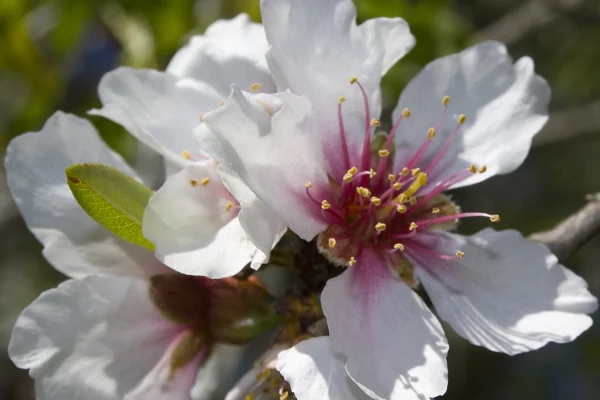
Almond ‘Ingrid’
A cultivar widely offered for UK gardens, with pale pink early blossom and nuts usually harvested in late September. It is self fertile and has some reported leaf curl resistance. Often listed as a peach and almond hybrid. Illustrative almond photograph; cultivar not identified.
Photo: Enrique Cardillo, CC BY 3.0. Resized and optimised; cropped for display.
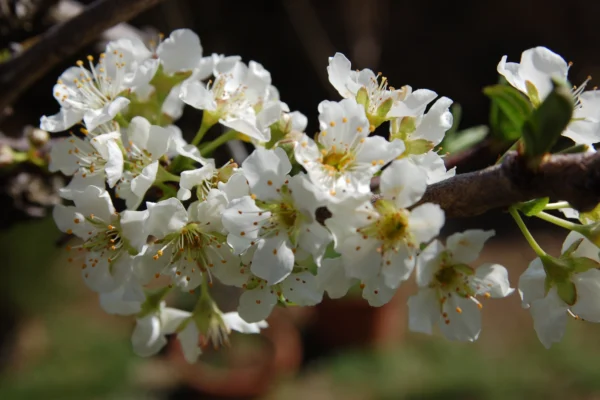
Almond ‘Robijn’
A self fertile selection offered for sheltered northern European gardens. Keepers Nursery describes it as earlier ripening than ‘Ingrid’ and ‘Princess’. Also listed as a peach and almond hybrid; confirm size on the rootstock supplied. Illustrative almond photograph; cultivar not identified.
Photo: RoyFocker, Public domain, released worldwide by author. Resized and optimised; cropped for display.
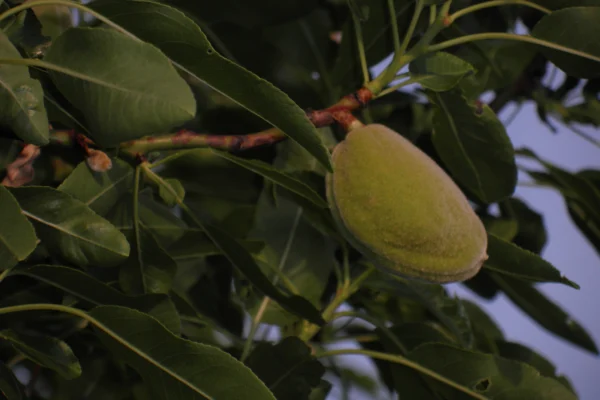
Almond ‘Princess’
A sweet almond with relatively soft shells, white spring blossom and a late September ripening season in nursery descriptions. It is self fertile, but still needs a warm, protected position for good results. Illustrative almond photograph; cultivar not identified.
Photo: Ernest Niedermann, VIEX, CC BY-SA 3.0. Resized and optimised; cropped for display. Adapted image under the same licence.
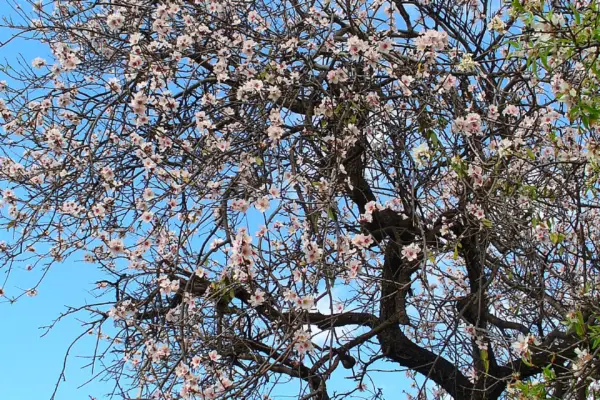
Almond ‘Sultane’
A French sweet almond with soft shells and white early blossom. It is self fertile and best considered for a warm, sheltered site. Choose it for suitable conditions rather than assuming every almond variety performs equally in Britain. Illustrative almond photograph; cultivar not identified.
Photo: H. Zell, CC BY-SA 3.0. Resized and optimised; cropped for display. Adapted image under the same licence.
Explore the BFFD map for relevant growers and local suppliers, then check whether they offer fruit trees. Ask for a named sweet almond, its rootstock, mature size and pollination details. Directory inclusion does not confirm current stock or suitability for your site.
Almond blossom can provide an early source of nectar and pollen when weather allows insects to fly. Leave access around temporary protective covers during suitable conditions and avoid spraying open flowers.
A garden with flowers throughout the season supports a wider range of visitors than one tree alone. Birds and other animals may also take developing or ripe nuts, so plan any crop protection carefully and check it regularly.
Published by Buy From Farmers Direct. Sources checked 4 October 2026. Growing references: RHS: Almond tree profile and cultivation; RHS: Hybrid almond ‘Robijn’; RHS: Hybrid almond ‘Ingrid’; Frank P Matthews: Almond ‘Ingrid’; Frank P Matthews: Almond ‘Robijn’; Keepers Nursery: Almond ‘Robijn’; Keepers Nursery: Almond ‘Princess’; Keepers Nursery: Almond ‘Sultane’; RHS: Peach leaf curl; RHS: Silver leaf; RHS: Pruning established fans; Utah State University: Almonds in the home garden. The seasonal timeline uses the shared BFFD Growers Calendar record; adjust timings to your variety and local conditions.
Yes, especially in a warm, sheltered position, but nut crops are less dependable than the tree’s growth. Early blossom is vulnerable to frost. Choose a named variety suited to UK gardens and assess your site before planting.
Not if your chosen variety is confirmed as self fertile. ‘Ingrid’, ‘Robijn’, ‘Princess’ and ‘Sultane’ are offered as self fertile selections. Other almonds may require a compatible variety flowering at the same time.
Carry out necessary light pruning during dry summer weather. This reduces the risk associated with autumn and winter pruning of susceptible Prunus. Fans need a specific training plan, while an established bush tree usually needs less intervention.
Yes, if its rootstock and mature size are suitable. Use a substantial container and monitor water and nutrients. Ask the nursery before buying; a vigorous tree cannot be made permanently dwarf simply by putting it in a small pot.
Usually in September, sometimes into October depending on variety and weather. Watch the outer hulls for splitting as the nuts mature. Remove hulls and dry the nuts properly before storing them.
It is not a reliable route to a productive named tree. Nuts may have been processed and seedlings do not reproduce a cultivar exactly. Buy a grafted sweet almond if predictable identity and cropping are your priorities.
Use the Growers Calendar to plan winter planting and autumn checks, then record blossom dates, frosts and any harvest from your own tree. Those observations will tell you more about your almond’s prospects than a general UK planting label.
Explore more growing guides: Apricot (Dwarf), Apricot (Large), Apple (Dwarf).
Want to get food independence, support your local grower, get better prices and shop more privately?
Local food isn’t just something you find. It’s something you protect. A free account helps keep local supply visible, supported, and resilient.

….it takes 30 seconds for food lovers and 5 minutes for suppliers
We built this for people who care where their food comes from. For people who want to remain food secure. For Farmers to get to the local people, who deserve a better income and to deliver a better price for you. For the environmentally conscious and the privacy-conscious. An account simply helps us make the map and supplier reach more useful to you, without changing how open it is. You’re always in control.


Find local food. Stay connected to it. Create a free account to support local producers and be part of a growing food network.


