Multisowing beetroot means raising several seedlings in one module and planting it intact. Harvest the largest roots first while smaller neighbours continue growing. This saves propagation space and transplanting time, but each cluster still needs enough room in the bed.
Intact seedling clusters
Saves tray space
Progressive harvesting
UK kitchen gardens
Roots and young leaves
| Botanical name | Beta vulgaris |
| Family | Amaranthaceae |
| Growing method | Several plants per intact module |
| Suggested starting point | About three seed balls per module |
| Target cluster | About four healthy seedlings |
| Seed type | Most seed balls are multigerm |
| Sowing depth | About 2.5cm, following packet guidance |
| Module choice | Enough compost for several young roots |
| Light | Bright propagation light, then sun outdoors |
| Soil | Moisture retentive but freely draining |
| Default cluster spacing | 40cm between cluster centres |
| Row spacing | 40cm between rows of clusters |
| Spacing qualification | Closer planting suits smaller baby roots |
| Main sowing period | March to June, with early July where suitable |
| Protected early sowing | February or March with appropriate care |
| Transplant stage | Young, rooted plugs before congestion |
| Main harvest | June to October |
| Harvest method | Select the largest root first |
| Container suitability | Large containers with modest cluster numbers |
| Special variety required | No |
| Plant name | Crop type | Spacing |
Sow indoors
Plant outdoors
Harvest
Polytunnel | |||||||||||
|---|---|---|---|---|---|---|---|---|---|---|---|---|---|---|
| Jan | Feb | Mar | Apr | May | Jun | Jul | Aug | Sep | Oct | Nov | Dec | |||
| Beetroot (Multi sown) | Root vegetables | Single 0.40m, In row 0.40m, Row gap 0.40m | No activity recorded | Polytunnel | Sow indoors, Polytunnel | Sow indoors, Plant outdoors | Sow indoors, Plant outdoors | Sow indoors, Plant outdoors, Harvest | Sow indoors, Plant outdoors, Harvest | Harvest | Harvest | Harvest | No activity recorded | No activity recorded |
Sow indoors: March, April, May, June, July. Plant outdoors: April, May, June, July. Harvest: June, July, August, September, October. Polytunnel: February, March.
Calendar spacing is between whole clusters. About 40cm suits four plants grown for substantial roots; closer schemes suit baby beets. Sow mainly March to June, with early July possible where the season allows. Protected February or March starts need suitable light and cold management. Harvest dates vary with conditions and intended root size.
Choose this method to save tray space, compost and transplanting time. Moving one module establishes several plants together. It works in no dig beds and conventionally prepared plots.
Visit regularly and select roots as they size up. Individually spaced plants may be easier where uniform harvesting matters. Crowding both tray and bed defeats the purpose.
Photo: Kiwima, CC BY-SA 4.0. Resized and optimised; cropped for display. Adapted image under the same licence.
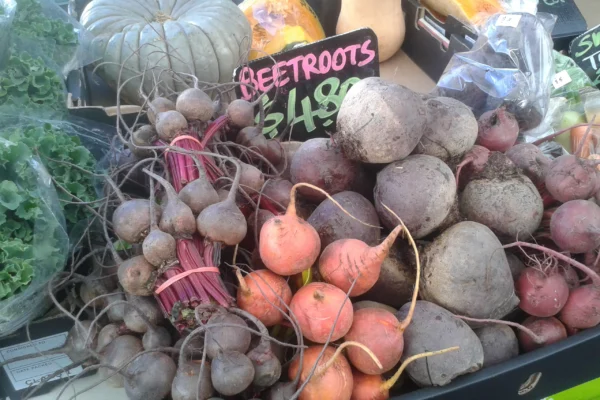
Reserve an accessible sunny bed so clusters can be reached without standing on the soil. Clear weeds before planting, because weeding within each group becomes awkward later.
Use fertile, freely draining soil with a workable surface. Mature compost can support a no dig system, but each plug still needs firm contact with the ground.
For this guide, set clusters of around four plants about 40cm apart each way when aiming for substantial roots. Measure from one group’s centre to the next. Small baby beets can use closer spacing, but they must be harvested sooner.
Large pots can hold modest numbers of clusters. Avoid shallow troughs and begin with fewer seedlings per group. Judge the resulting root growth before increasing the number.
Photo: USDA / Shakeitha Stone, Public domain US government. Resized and optimised; cropped for display.
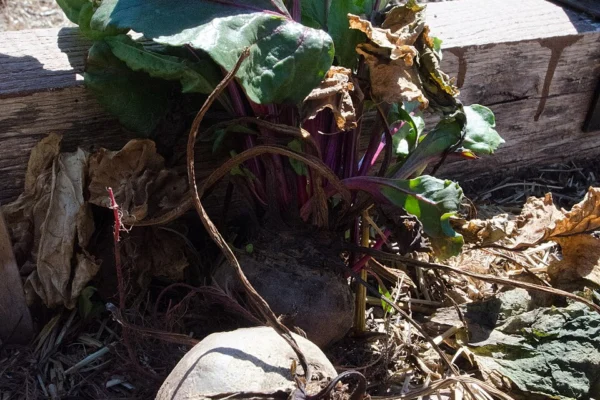
Plan the number of finished plants, not just the number of seeds. Ordinary beetroot seed balls can each produce several seedlings, while monogerm seed behaves differently. Read the packet before filling a tray.
1.
Fill clean modules with moist peat free sowing compost. Use cells that can support several seedlings until the plug is well rooted.
2.
Sow about three ordinary seed balls per module as a starting point, around 2.5cm deep or at the packet’s recommended depth.
3.
Label the variety and date. Keep the compost moist and provide bright light promptly after emergence.
4.
Count actual seedlings. If the module is crowded, snip surplus weak seedlings at compost level to leave roughly four, without disturbing the others.
5.
Grow until roots hold the plug together but before plants become tangled and starved. Four weeks is an example in favourable conditions, not a fixed deadline.
6.
Harden the plants off gradually. Prepare holes about 40cm apart between cluster centres for the full sized approach used here.
7.
Slide each rootball out intact and plant without separating its seedlings. Set the plug level with the surrounding soil and firm gently.
8.
Water each group thoroughly, label the row and check the plugs during their first dry spell. Protect vulnerable young growth when needed.

Watering
Check each plug directly after planting: several seedlings draw from the same small rootball. Water around the whole group so roots explore the surrounding soil.
Keep bed moisture steady once established. Dense foliage can hide dry ground. Avoid repeated wilting followed by soaking, and check pots frequently in hot or windy weather.

Feeding
Clusters do not automatically need stronger fertiliser. Check soil, spacing and moisture first. Excess nitrogen can produce leafy groups without the roots you want.
Do not leave plugs congested while waiting for bed space. Pot intact groups into more compost if necessary, or sow replacements when planting prospects improve.

Pruning
Leave most leaves attached while roots are developing. They supply the whole group’s growth. Pick an occasional sound young outer leaf only, and avoid stripping the cluster to make its roots easier to see.
To harvest, identify the largest root and hold neighbouring plants steady. Ease it out with a gentle twisting and lifting movement from its crown. If it resists, loosen soil carefully; do not wrench the whole clump out. Refirm and water disturbed neighbours.

Winter care
Finish picking before severe frost or prolonged winter wet. Roots may differ in size because earlier harvests released space gradually. Sort them individually for use or storage.
Store undamaged roots cool and frost free, removing leaves above the crown. Use bruised or small roots first and check regularly for deterioration.
These are ordinary beetroot plants grouped at one planting point. Several leaf rosettes grow together, with swollen roots becoming visible around the cluster.
Part overlapping foliage gently to assess root size. The tallest leaves do not necessarily belong to the largest root, and four identical beets should not be expected.
Photo: Randal.b, CC BY-SA 3.0. Resized and optimised; cropped for display. Adapted image under the same licence.
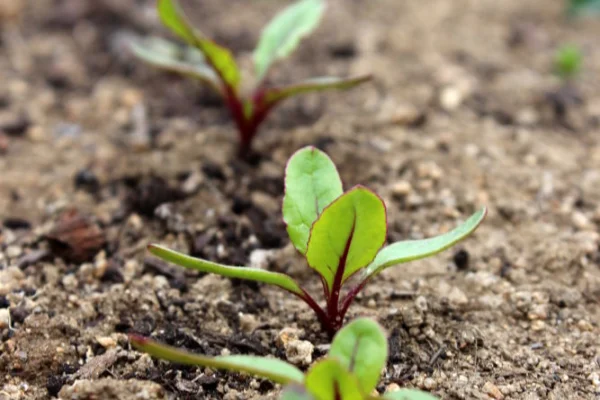
For a first attempt, sow in spring. Southern gardeners with bright protected space may start in February, but exposing young plants to persistent cold rarely helps.
Harden off early plugs and protect them appropriately after planting. A polytunnel can still freeze. Plants may survive cold yet bolt later because of that exposure.
June sowings allow useful growing time; early July is more dependent on location and intended root size. Short northern seasons call for earlier final batches.
Photo: Tiia Monto, CC BY-SA 4.0. Resized and optimised; cropped for display. Adapted image under the same licence.
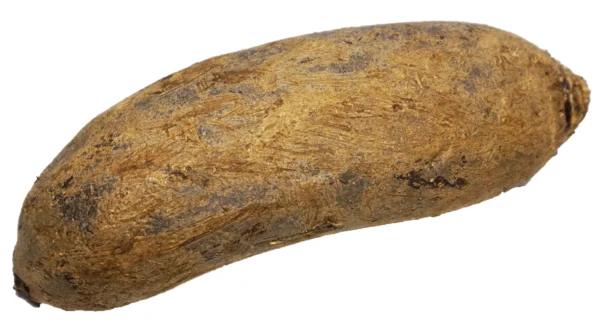
Several shoots can emerge from every seed ball. Count them and snip extras while small. A tightly packed module is not automatically a better cluster and may produce many small roots rather than a useful harvest.
Roots may be tightly interlocked or the ground may be hard. Stop pulling, support neighbouring crowns and ease soil carefully before trying again. Harvest after normal watering if the bed is very dry, without working saturated soil.
Some variation is expected. Remove the largest sound root to release space, then monitor the others. If all remaining roots stall, review light, moisture, plant numbers and the distance between groups.
A warm position with insufficient light encourages stretched growth. Move trays into brighter suitable conditions and avoid leaving them indoors unnecessarily. Start a fresh batch if plugs have become badly congested or weak.
Cold can trigger premature flowering, while leaf miner creates pale blotches within leaves. Remove bolted roots from the crop and inspect leaf damage. Mesh and rotation can reduce leaf miner pressure without routine spraying.
Raise fresh clusters from seed and keep modules labelled by variety. Do not split established groups into singles. Labels make comparisons between colours, shapes and seed lots meaningful.
Sow only enough modules for the next available space. Record seed balls sown and plants retained, rather than assuming identical emergence from every seed.
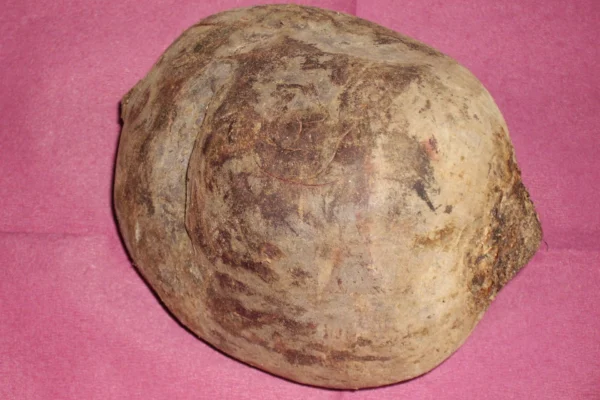
Boltardy
A practical red, round rooted option for a first trial. Its resistance to bolting is helpful for early protected sowings, although prolonged cold still matters. Count seedlings before deciding how many plants to retain in each plug.
Illustrative beetroot photograph; cultivar not identified, not verified as Boltardy.
Photo: Garitzko, Public domain. Resized and optimised; cropped for display.
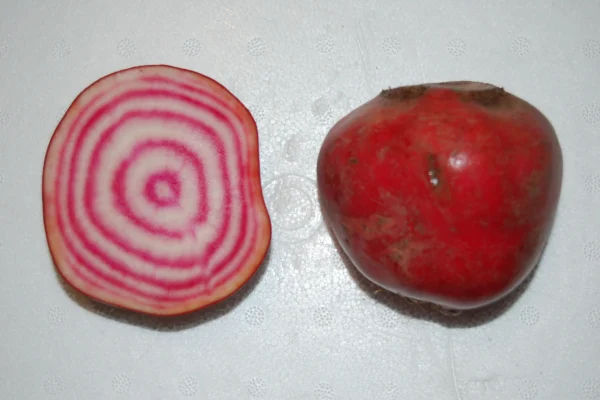
Chioggia
The ringed interior adds variety to a small harvest. Keep its modules labelled separately from plain red types so comparisons remain meaningful. Lift individual roots when suitably sized rather than waiting for an entire cluster to match.
Chioggia beetroot identified in the source photograph; cultivation method is not documented.
Photo: Michel Chauvet, CC BY-SA 3.0. Resized and optimised; cropped for display. Adapted image under the same licence.
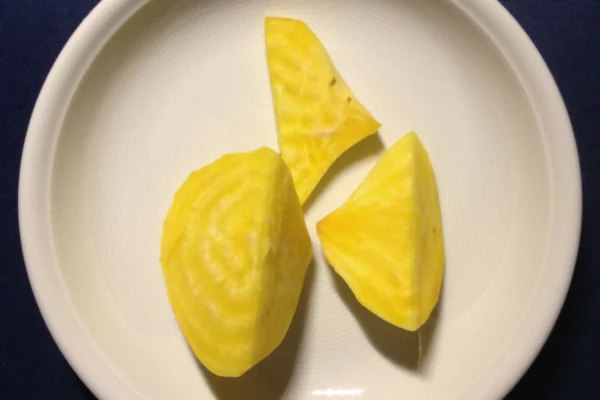
Golden beetroot forms
Golden selections provide another colour for a mixed kitchen crop. Treat each named variety as a separate trial because germination and maturity can differ. A colour mixture in one module makes individual plant records more difficult.
Golden beetroot colour form; cultivar and cultivation method are not identified.
Photo: Ralf Junghanns, CC BY 3.0. Resized and optimised; cropped for display.
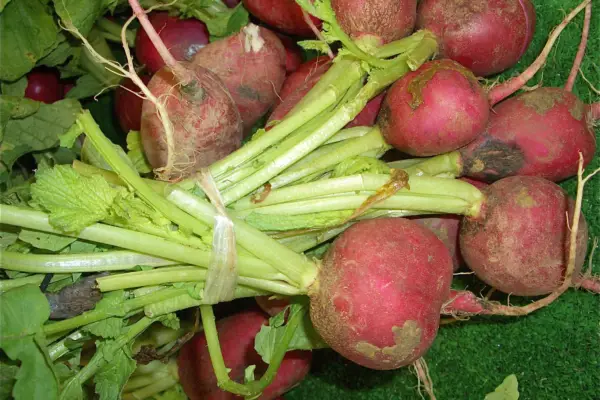
Cylindra
Its longer root shape gives a different result from round beets. Allow a clear soil profile and take particular care when removing one root from a group. Round varieties are the simpler starting point for learning selective cluster harvesting.
Illustrative beetroot photograph; cultivar not identified, not verified as Cylindra.
Photo: Susan Slater, CC BY-SA 4.0. Resized and optimised; cropped for display. Adapted image under the same licence.
Use the BFFD map to find seed suppliers, nurseries and growers. Check varieties, module sizes and current availability directly with the supplier.
The root crop is harvested before flowering. Provide flowers elsewhere while leaving beetroot sufficient light, airflow and root space.
Observe before intervening. Established plants can tolerate some leaf damage, but new groups need closer watching. Secure mesh properly and retain nearby wildlife habitat.
Published by Buy From Farmers Direct. Sources checked 4 October 2026. Growing references: RHS growing beetroot; Garden Organic beetroot; University of Maryland growing beets; RHS bolting in vegetables; RHS beet leaf miner; RHS storing root vegetables; RHS Boltardy; RHS Chioggia; RHS Cylindra; Charles Dowding multisowing; Charles Dowding April sowing and four seedlings; Charles Dowding March2017 cluster spacing; Charles Dowding progressive cluster harvest; Charles Dowding four week rooted transplants. The seasonal timeline uses the shared BFFD Growers Calendar record; adjust timings to your variety and local conditions.
About three ordinary seed balls is a useful starting point, then retain roughly four seedlings. Multigerm seed balls produce variable numbers of shoots, so count plants rather than assuming one seed equals one beet.
This guide uses 40cm between whole clusters of about four plants for substantial roots. Closer spacing can produce baby beets, but the crop must be harvested smaller. Do not space the individual seedlings within the plug.
No. Plant the rooted module intact. If too many seedlings emerge, reduce the number while they are small rather than pulling a developed cluster apart at planting time.
Support neighbouring crowns and gently twist and ease out the largest root. Loosen resistant soil first. Stop if the whole group starts lifting, then refirm and water any disturbed remaining plants.
No. It is a propagation and spacing method. Ordinary beetroot varieties can be used, although round rooted types make a straightforward first trial.
No guaranteed yield increase follows from grouping plants. The clear advantages are fewer modules and fewer planting operations. Final yield depends on plant numbers, spacing, soil, moisture and timely harvesting.
Use the BFFD growers calendar to record cluster numbers, spacing and harvest sizes, then adapt the method to your soil and kitchen needs.
Explore more growing guides: Beetroot, Beans (Broad), Beans (French).
Want to get food independence, support your local grower, get better prices and shop more privately?
Local food isn’t just something you find. It’s something you protect. A free account helps keep local supply visible, supported, and resilient.

….it takes 30 seconds for food lovers and 5 minutes for suppliers
We built this for people who care where their food comes from. For people who want to remain food secure. For Farmers to get to the local people, who deserve a better income and to deliver a better price for you. For the environmentally conscious and the privacy-conscious. An account simply helps us make the map and supplier reach more useful to you, without changing how open it is. You’re always in control.


Find local food. Stay connected to it. Create a free account to support local producers and be part of a growing food network.


