Beetroot provides tender roots and edible young leaves from a short row. Sow small batches, maintain steady moisture and harvest promptly. This guide covers individual plants; the separate multisown page explains intact clusters.
Edible roots
Easy from seed
Sun preferred
Beds and large pots
Successional sowing
| Botanical name | Beta vulgaris |
| Family | Amaranthaceae |
| Crop type | Biennial grown as an annual |
| Edible parts | Roots and young leaves |
| Usual height | About 30 to 45cm including leaves |
| Light | Sun, tolerating light shade |
| Soil | Fertile and freely draining |
| Moisture | Consistent moisture |
| Outdoor sowing | Late March or April to July |
| Protected start | February or March if conditions suit |
| Sowing depth | About 2.5cm |
| Plant spacing | 10cm for individual roots |
| Row spacing | 30cm |
| Container choice | A substantial pot around 40cm wide and deep |
| First harvest | Often about 8 to 12 weeks from sowing |
| Main harvest | June to October |
| Young root size | Around 4 to 7cm across |
| Seed behaviour | Most seed balls produce several seedlings |
| Cold risk | Prolonged early cold encourages bolting |
| Propagation | Seed |
| Plant name | Crop type | Spacing |
Sow indoors
Plant outdoors
Harvest
Polytunnel | |||||||||||
|---|---|---|---|---|---|---|---|---|---|---|---|---|---|---|
| Jan | Feb | Mar | Apr | May | Jun | Jul | Aug | Sep | Oct | Nov | Dec | |||
| Beetroot | Root vegetables | Single 0.10m, In row 0.10m, Row gap 0.30m | No activity recorded | Polytunnel | Sow indoors, Polytunnel | Sow indoors, Plant outdoors | Sow indoors, Plant outdoors | Sow indoors, Plant outdoors, Harvest | Sow indoors, Plant outdoors, Harvest | Harvest | Harvest | Harvest | No activity recorded | No activity recorded |
Sow indoors: March, April, May, June, July. Plant outdoors: April, May, June, July. Harvest: June, July, August, September, October. Polytunnel: February, March.
Sow outdoors from late March or April to July. Protected February or March starts need a suitable variety and conditions. Planting months refer to plugs. Harvest timing depends on size, variety and weather. Polytunnels can freeze; late sowings need sufficient growing time.
Small repeat sowings are often more useful than one large bed. Decide how many roots your household uses and reserve space for later batches, reducing the risk of a glut.
Individual spacing makes roots easy to inspect and suits larger beets for storage. If propagator space is limited, consider the separate cluster method rather than crowding single plants indiscriminately.
Photo: Kiwima, CC BY-SA 4.0. Resized and optimised; cropped for display. Adapted image under the same licence.
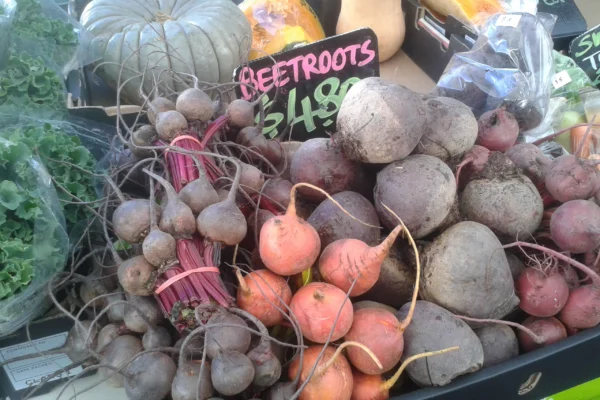
Choose an open, sunny bed with soil that holds some moisture but drains after rain. Light shade is workable, although growth may be slower. Avoid planting where neighbouring crops will soon cast dense shade.
Prepare a level, crumbly surface. Remove weeds and large stones, improve poor soil with mature compost and avoid walking on wet beds.
Allow 10cm between individual plants and 30cm between rows. Mark the row and leave access from a path without standing among the roots.
Use a substantial container, ideally about 40cm wide and deep, with drainage holes and suitable peat free compost. Rounded varieties are easier than long rooted types. Small pots dry quickly and give little room for a worthwhile crop.
Photo: USDA / Shakeitha Stone, Public domain US government. Resized and optimised; cropped for display.
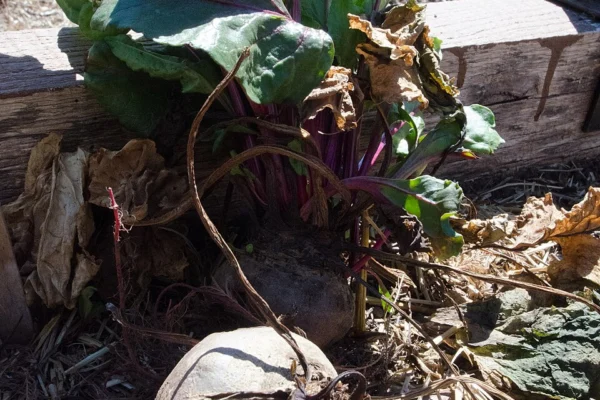
Sow directly once soil is warming, or start single plants in modules for an earlier crop. A beetroot seed is usually a corky cluster, so one seed ball can produce several seedlings.
1.
Choose a variety and mark the sowing date on a durable label. Use a bolt resistant type for early sowings.
2.
Wait for workable soil warming to at least about 7°C. Delay if the bed is cold, saturated or forecast to remain wintry.
3.
Make shallow drills about 2.5cm deep and 30cm apart. Water the base if the soil is dry.
4.
Place seed balls roughly 10cm apart, cover with fine soil and water gently without washing the row away.
5.
Keep the seed zone moist while germination takes place. Check for slug damage as shoots emerge.
6.
For individual roots, thin surplus seedlings carefully to one healthy plant every 10cm. Avoid pulling against the plant you intend to keep.
7.
For module plants, harden off first and transplant while young and well rooted. Move each rootball intact at the same soil level.
8.
Firm gently, water in and note where the next small sowing will go. Keep weeds down from the start.

Watering
Check the soil during dry spells and water sufficiently to reach the roots. Seedlings need particular attention before they establish. A lightly damp surface over dry soil is not enough.
Avoid repeated drought followed by sudden soaking. Even growth helps root quality. Containers need more frequent checks, but allow surplus water to escape rather than keeping compost permanently saturated.

Feeding
Well prepared soil usually needs little extra feeding. Crowding or shade can cause leafy growth with small roots, so investigate before adding fertiliser.
Container compost has a limited nutrient supply. Follow the compost and fertiliser guidance if plants remain in the pot for a long season. Feed only when moisture is adequate and growth actually needs support.

Pruning
There is no pruning routine. Take only a few young outer leaves if you also want roots, leaving the central growing point and most foliage intact. Repeated heavy leaf picking reduces the plant’s ability to fill its root.
Harvest selected roots around 4 to 7cm across, or earlier for baby beets. Loosen firm soil carefully rather than snapping the root. For storage, remove foliage leaving roughly 2.5cm of stalk and avoid cutting into the crown.

Winter care
Lift sound storage roots before severe frost or persistently wet conditions damage them. Brush off loose soil, discard damaged roots from the storage batch and place the rest in a cool, dark, frost free space.
Slightly moist sand or a suitable peat substitute can reduce shrivelling in stored roots. Inspect regularly and remove anything deteriorating. Mild gardens may hold roots outdoors briefly, but this is less dependable than protected storage.
Beetroot seedlings begin with narrow seed leaves, followed by broader true leaves on slender stalks. Many red varieties have red stems or veins. The swollen edible part develops at the soil surface as the plant matures.
Colour varies with the variety: roots may be deep red, golden, pale or ringed inside. Chard belongs to the same species but is selected for leaves and stalks. Buy beetroot seed when a swollen root crop is the aim.
Photo: Randal.b, CC BY-SA 3.0. Resized and optimised; cropped for display. Adapted image under the same licence.
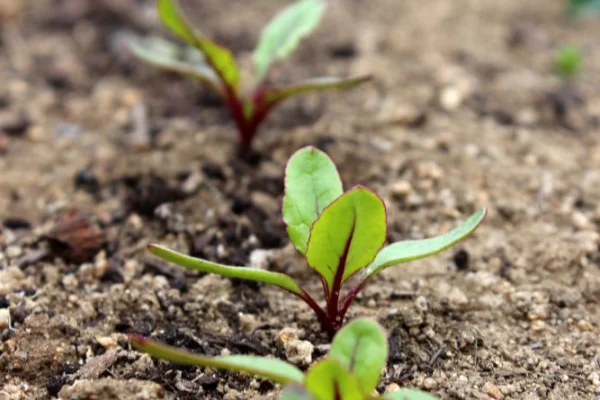
In cooler or northern districts, an April outdoor start may establish more smoothly than an exposed March sowing. Compare soil conditions and forecasts with the calendar instead of using a date alone.
Early protected plants need bright light and gradual hardening off. Prolonged cold can trigger bolting even when seedlings survive. A bolt resistant label reduces risk but does not guarantee an early crop.
In dry southern summers, reserve time for watering and sow into moist soil. In shorter growing seasons, finish the main sowing programme earlier rather than expecting a late July batch to make large storage roots.
Photo: Tiia Monto, CC BY-SA 4.0. Resized and optimised; cropped for display. Adapted image under the same licence.
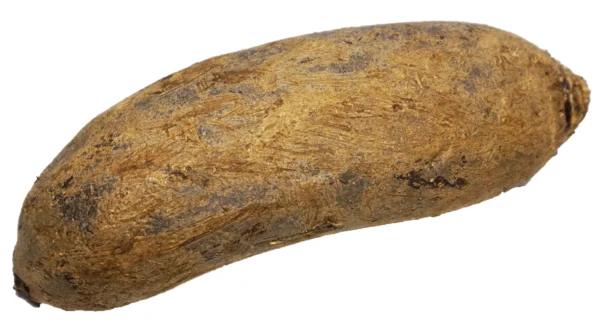
Cold soil, a drying seedbed or damaged seedlings can leave gaps. Inspect before resowing. Sow a small replacement batch when conditions improve rather than repeatedly adding seed to unsuitable ground.
Crowding, shade and excessive nitrogen can favour foliage. Check spacing and allow time for the variety to mature. Harvest a few small roots to release space instead of adding more feed.
A tall flower stem indicates bolting. Early cold can initiate it long before the stem appears. Remove affected plants from the root crop and use suitable varieties and steadier conditions next time.
Beet leaf miner larvae feed between leaf surfaces. Small amounts can be tolerated; badly affected leaves may be removed. Mesh helps prevent egg laying when combined with rotation away from previously affected soil.
Long delays in harvesting and uneven moisture can reduce quality. Use damaged roots promptly if sound after preparation, and keep them out of long storage. Pick future batches younger and water consistently.
Raise beetroot from seed each season. Store unused packets cool and dry. If germination becomes unreliable, replace the seed rather than compensating with an excessively thick row.
Saving seed requires selected plants to flower in their second year. Beetroot and chard can cross because they share a species and are wind pollinated. Isolation and a suitable population matter, so seed saving needs more planning than keeping one flowering root.
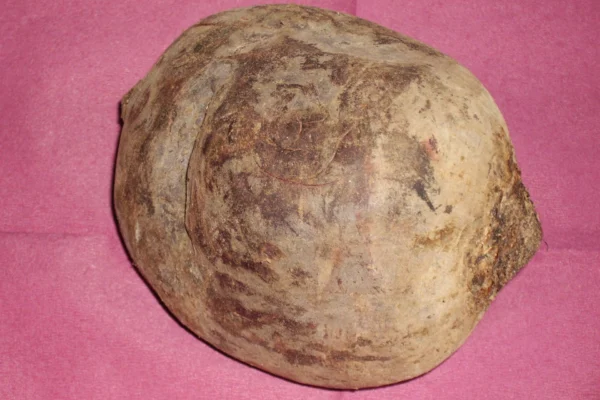
Boltardy
A familiar round, dark red beetroot with useful resistance to bolting. It is a sensible option for an early attempt, provided soil and protection are suitable. Resistance does not make it immune to prolonged cold.
Illustrative beetroot photograph; cultivar not identified, not verified as Boltardy.
Photo: Garitzko, Public domain. Resized and optimised; cropped for display.
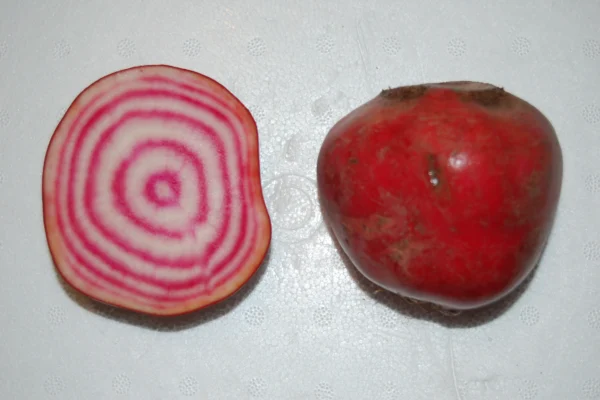
Chioggia
An Italian beetroot recognised by alternating pale and red rings when sliced. Grow it with the same attention to moisture and timely harvesting as red varieties. The patterned interior makes a useful comparison at harvest.
Chioggia beetroot identified in the source photograph.
Photo: Michel Chauvet, CC BY-SA 3.0. Resized and optimised; cropped for display. Adapted image under the same licence.
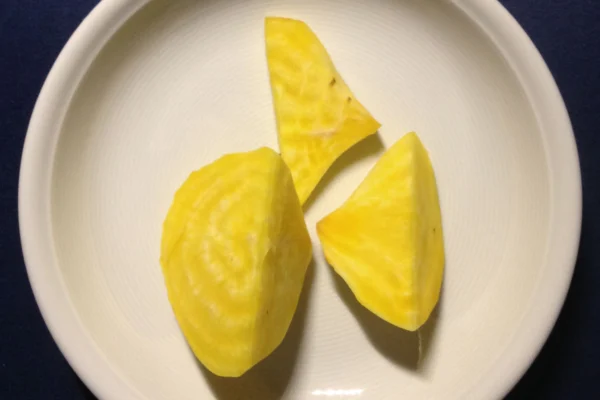
Golden beetroot forms
Yellow fleshed selections offer a different colour for the kitchen. They are still beetroot and need the same basic spacing and care. Check the seed packet for the named variety and its expected maturity.
Golden beetroot colour form; the cultivar is not identified.
Photo: Ralf Junghanns, CC BY 3.0. Resized and optimised; cropped for display.
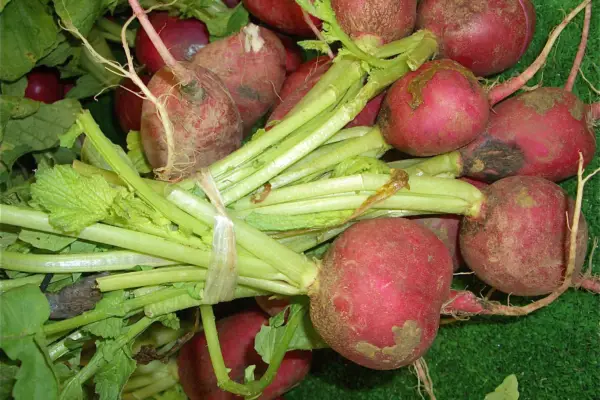
Cylindra
A longer, cylindrical beetroot useful for producing even slices. Allow a deeper, unobstructed soil profile and enough growing time. It is a different root shape from the round varieties usually preferred for modest containers.
Illustrative beetroot photograph; cultivar not identified, not verified as Cylindra.
Photo: Susan Slater, CC BY-SA 4.0. Resized and optimised; cropped for display. Adapted image under the same licence.
Explore the BFFD map for seed suppliers, nurseries and local growers. Ask about suitable varieties and confirm availability before travelling.
Beetroot grown for roots is normally harvested before flowering, so it contributes little direct floral food. Flowering plants around the vegetable plot can support insects without taking over the crop’s light and root space.
Use observation and targeted protection rather than routine spraying. Keep mesh secure where it is needed, and leave habitat elsewhere for the predators and other wildlife that share a productive garden.
Published by Buy From Farmers Direct. Sources checked 4 October 2026. Growing references: RHS growing beetroot; Garden Organic beetroot; University of Maryland growing beets; RHS bolting in vegetables; RHS beet leaf miner; RHS storing root vegetables; RHS Boltardy; RHS Chioggia; RHS Cylindra. The seasonal timeline uses the shared BFFD Growers Calendar record; adjust timings to your variety and local conditions.
Usually from late March or April to July outdoors, once soil is warming. Earlier protected sowings are possible, but prolonged cold raises the risk of bolting.
Judge by root size, often around 4 to 7cm across for tender roots. Many crops take about 8 to 12 weeks, but weather, variety and the size you want change the timing.
For standard individual plants, leave one healthy seedling about every 10cm. Most seed balls contain several embryos. Multisown clusters follow a separate spacing and harvesting approach.
Yes. Use a substantial, freely draining container and preferably a round rooted variety. Maintain moisture and avoid squeezing a full crop into a small decorative pot.
Yes, healthy young beetroot leaves are edible. Pick lightly if you also want substantial roots, wash them before use and avoid damaged or deteriorating leaves.
Cold exposure early in growth can trigger premature flowering. Pull bolted plants from the root crop. Cutting off the flower stalk does not reliably restore a tender storage root.
Record sowing dates and harvest sizes in the BFFD growers calendar. Repeat sowings help match the crop to your kitchen and garden conditions.
Explore more growing guides: Beetroot (Multi sown), Beans (Broad), Beans (French).
Want to get food independence, support your local grower, get better prices and shop more privately?
Local food isn’t just something you find. It’s something you protect. A free account helps keep local supply visible, supported, and resilient.

….it takes 30 seconds for food lovers and 5 minutes for suppliers
We built this for people who care where their food comes from. For people who want to remain food secure. For Farmers to get to the local people, who deserve a better income and to deliver a better price for you. For the environmentally conscious and the privacy-conscious. An account simply helps us make the map and supplier reach more useful to you, without changing how open it is. You’re always in control.


Find local food. Stay connected to it. Create a free account to support local producers and be part of a growing food network.


