Grow fenugreek for fresh methi leaves within a few weeks, in a garden bed or container. Decide which harvest you want: plants cut for young leaves are managed differently from those left to flower and ripen aromatic seed pods.
Annual herb and leaf crop
Also known as methi
Direct sowing preferred
Leaves before flowering
Separate plants for seed
| Botanical name | Trigonella foenum-graecum |
| Family | Fabaceae, the pea family |
| Common names | Fenugreek, methi, Greek hay |
| Life cycle | Annual |
| Main garden harvest | Young leafy stems |
| Other crop | Mature aromatic seed |
| Leaf form | Three leaflets per leaf |
| Flowers | Small pale cream to yellowish flowers |
| Typical leaf harvest height | Up to about 25cm |
| Mature plant size | Can reach roughly 50 to 100cm |
| Preferred position | Sun, with light partial shade tolerated |
| Soil | Fertile, moist but well drained |
| Outdoor sowing window | April to August for successive leaf crops |
| Sowing depth | About 5mm |
| Leaf crop spacing | About 5cm between plants |
| Row spacing | About 20cm |
| Germination | Often within about a week |
| First leaf harvest | Usually around 4 to 6 weeks from sowing |
| Transplanting | Normally unnecessary |
| Indoor option | Small crops with adequate light and warmth |
| Plant name | Crop type | Spacing |
Sow indoors
Plant outdoors
Harvest
Polytunnel | |||||||||||
|---|---|---|---|---|---|---|---|---|---|---|---|---|---|---|
| Jan | Feb | Mar | Apr | May | Jun | Jul | Aug | Sep | Oct | Nov | Dec | |||
| Fenugreek | Herbs | Single 5cm for leaf crops, In row 5cm, Row gap 20cm | No activity recorded | No activity recorded | No activity recorded | Sow indoors | Sow indoors, Harvest | Sow indoors, Harvest | Sow indoors, Harvest | Sow indoors, Harvest | Harvest | No activity recorded | No activity recorded | No activity recorded |
Sow indoors: April, May, June, July, August. Plant outdoors: no months recorded. Harvest: May, June, July, August, September. Polytunnel: no months recorded.
The calendar follows outdoor leaf production: sow April to August and expect successive harvests from May into September, depending on weather. Later sowings have less growing time. There is no transplanting or compulsory polytunnel band. Indoor microgreens are a separate option, while mature seed requires plants to remain uncut well beyond the leaf harvest.
Fenugreek suits cooks who want fresh methi for potatoes and leafy vegetable curries. Start with a small patch to learn how much your kitchen uses.
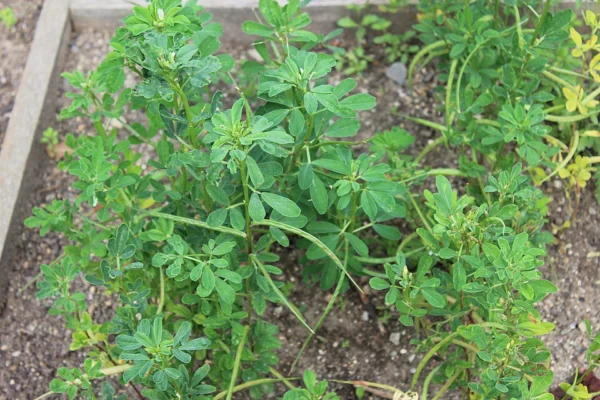
Choose a sunny bed with workable soil and good drainage. Light partial shade is possible, but avoid a gloomy corner beneath established shrubs or climbing vegetables.
Use a container of fresh peat-free compost if garden space is limited. Drainage holes and enough compost to hold moisture are more useful than an elaborate propagating setup.
For indoor microgreens, use a clean tray on a bright, airy windowsill. Follow seed instructions for that short crop rather than applying outdoor row spacing to a shallow tray.
Keep separate labelled areas for leaf and seed production. A patch cut for the kitchen cannot also be expected to deliver the same mature seed crop.
Photo: Ajtjohnsingh, CC BY-SA 4.0. Resized and optimised; cropped for display. Adapted image under the same licence.

Sow into the final growing position. A short row or small container gives a more manageable first harvest than a whole bed sown on the same day.
1.
Choose labelled fenugreek seed and decide whether the crop is for leaves, microgreens or mature seed.
2.
Prepare a clean, weed-free surface when soil has warmed in spring. Break down large lumps without compacting wet ground.
3.
Make shallow drills about 5mm deep and roughly 20cm apart. Water the base gently if the soil is dry.
4.
Sow evenly, aiming for about 5cm between plants for the young leaf crop. Cover lightly and label the date.
5.
Keep the seed zone moist while plants emerge. A gentle rose on the watering can avoids washing seeds into heaps.
6.
Remove competing weeds while they are small. Thin crowded clumps rather than allowing a few seedlings to overwhelm the rest.
7.
Start the next small sowing before the first crop is finished. Adjust the interval to your household’s appetite and growth rate.
8.
Cut tender leafy stems before flowering. Leave designated seed plants uncut and give them room to develop beyond the young leaf stage.

Watering
Check young crops regularly and water during dry spells. Steady growth produces a more useful leaf harvest than alternating between wilting and a heavily soaked root zone.
Containers and indoor trays have little moisture in reserve. Let surplus water drain and avoid leaving the growing medium permanently submerged.

Feeding
Reasonable soil or fresh compost usually supports a short leaf crop without frequent feeding. Check temperature, moisture and crowding before adding fertiliser to struggling plants.
Fenugreek is a legume, but useful nitrogen fixation is not guaranteed in UK soil. Do not assume a crop supplies its own nitrogen or will automatically fertilise the next vegetable.

Pruning
Harvest young plants before flower buds reduce leaf quality, cutting stems a few centimetres above the base. For common large-seeded fenugreek, plan fresh sowings rather than depending on repeated regrowth.
Seed plants need to retain their stems, flowers and developing pods. Mark them clearly so an enthusiastic kitchen harvest does not remove the crop you intended to ripen.

Winter care
Treat ordinary outdoor fenugreek as a spring and summer annual, clearing spent plants when the crop ends. Tolerance of some cold does not make it a dependable source of fresh winter leaves.
Indoor microgreens can be grown outside the outdoor season when light and warmth are sufficient. Keep winter batches modest and judge readiness by healthy growth rather than a fixed number of days.
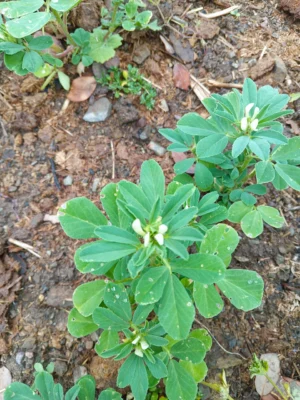
Fenugreek has clover-like leaves made up of three leaflets, with lightly toothed edges. Small pale flowers are followed by long narrow pods, which hold the angular yellowish brown seeds.
This page covers Trigonella foenum-graecum. Blue fenugreek, Trigonella caerulea, is a different species, and other plants may also be sold under methi names. Keep the botanical label when comparing crops.
Photo: Bonnjalal00, CC BY-SA 4.0. Resized and optimised; cropped for display. Adapted image under the same licence.
In northern or exposed gardens, wait for active spring growth before outdoor sowing. A container in a sheltered spot makes a useful first trial.
In warmer districts, repeat small sowings through summer. Check the seedbed during dry weather: a damp surface after a brief shower may hide dry soil beneath.
For a seed experiment, use an early sowing and a sunny position. Ripening needs a longer season than leaf production, and a late sowing should be treated primarily as a crop of young greens.
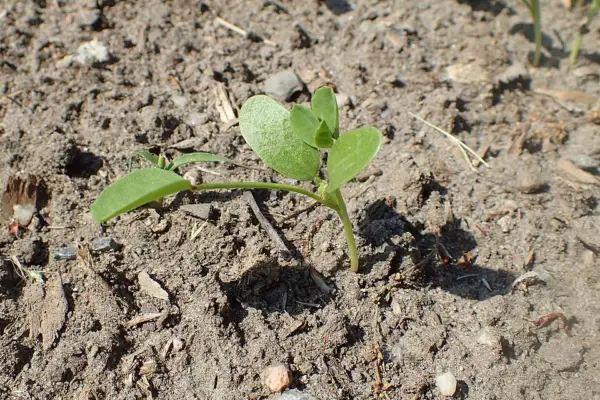
Photo: Krzysztof Ziarnek, Kenraiz, CC BY-SA 4.0. Resized and optimised; cropped for display. Adapted image under the same licence.
Check seed age, sowing depth and moisture. A dried seedbed or cold wet compost can spoil an otherwise straightforward sowing. Test a small batch before committing a large area.
Increase light and review crowding, watering and compost condition. Indoor crops in particular need more than warmth to produce sturdy green leaves.
The crop may be moving into flowering, or growth may have stalled in dry conditions. Harvest earlier next time and keep younger batches available.
Powdery mildew is a possible cause. Reduce crowding, maintain root moisture and remove affected growth. Replace a badly affected short crop rather than trying to prolong it indefinitely.
A late start or poor growing season can leave little time after flowering. Reserve an early sowing for seed and prioritise leafy harvests from later batches.
Fenugreek is propagated from seed. For a fresh start, use labelled seed from a supplier and keep unused packets dry. Transplanting and division add little value to this quick annual crop.
For saved seed, let pods colour and dry on healthy plants, then collect them before they split. Finish drying in an airy place, shell the pods and store fully dry seed with its name and harvest year.
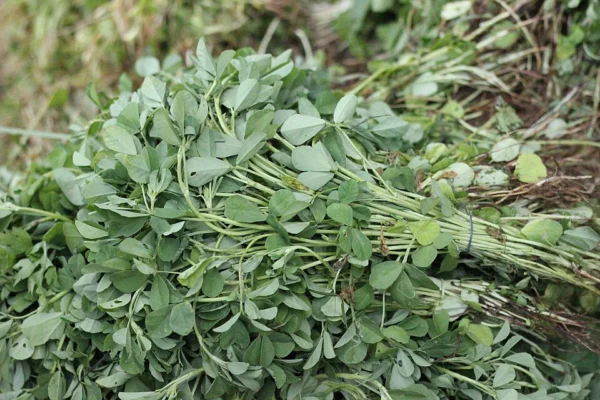
Fresh leafy methi
The most practical outdoor starting point. Grow a small batch of common fenugreek, harvest before flowering and repeat the sowing for another supply.
Fenugreek foliage, illustrating the leafy crop rather than a named cultivar.
Photo: Malyadri, CC BY-SA 3.0. Resized and optimised; cropped for display. Adapted image under the same licence.
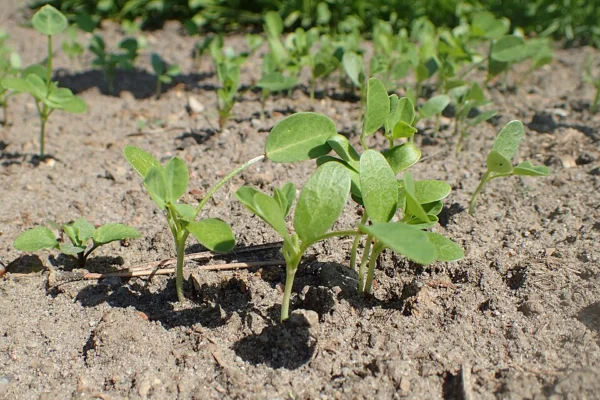
Young indoor greens
Cut a tray crop when small and tender. Choose seed sold for edible microgreens and follow its growing instructions.
Young fenugreek plants outdoors; illustrative foliage, not an indoor tray.
Photo: Krzysztof Ziarnek, Kenraiz, CC BY-SA 4.0. Resized and optimised; cropped for display. Adapted image under the same licence.
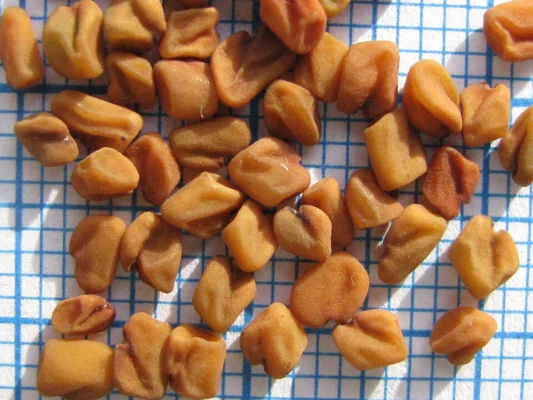
Aromatic mature seed
Keep a separate early sowing for pods and seed. Expect a longer wait and a different use of the growing space than for quick kitchen greens.
Mature angular fenugreek seeds.
Photo: Zenon Sych, CC BY-SA 4.0. Resized and optimised; cropped for display. Adapted image under the same licence.
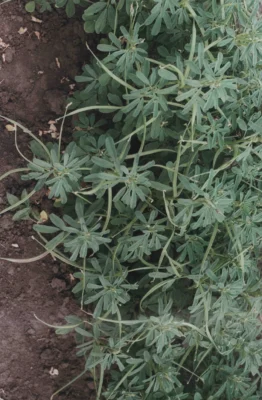
A short green manure crop
Fenugreek can cover otherwise bare summer soil. Manage it before unwanted seeding and do not assume it will reliably add nitrogen under UK conditions.
A fenugreek plant carrying pods, beyond the normal young leaf harvest stage.
Photo: Zenon Sych, CC BY-SA 4.0. Resized and optimised; cropped for display. Adapted image under the same licence.
Look for the botanical name and growing instructions. For tray crops, choose seed supplied for edible microgreens. Keep sowing seed separate from ingredients intended for cooking.
A leaf crop is harvested before flowering, so it contributes little directly to visiting flower-feeding insects. A few separate seed plants let you observe the small flowers and later pods without sacrificing the kitchen crop.
Inspect plants before treating apparent pest damage and avoid routine spraying. Support wildlife with varied flowers, cover and healthy soil across the garden.
Published by Buy From Farmers Direct. Sources checked 6 October 2026. Growing references: Garden Organic: growing fenugreek and methi; RHS fenugreek plant profile; Chiltern Seeds: fenugreek sowing and harvest instructions; D.T. Brown: fenugreek microgreens; Cotswold Seeds: fenugreek species information; RHS green manure advice; RHS powdery mildew advice; Chiltern Seeds: blue fenugreek identity. The seasonal timeline uses the shared BFFD Growers Calendar record; adjust timings to your variety and local conditions.
Methi commonly refers to fenugreek, including its leaves. This guide covers Trigonella foenum-graecum; check botanical names because other methi types can behave differently.
Sow outdoors from April to August when conditions are suitable. Make small successive sowings for leaves and use an earlier batch if you want mature seed.
Young outdoor leaves are often ready in around four to six weeks. Microgreens are cut younger; mature seed needs substantially longer, including flowering and pod ripening.
Common large-seeded fenugreek is best planned as a single young leaf crop followed by a fresh sowing. Do not assume the repeated cutting advice for other methi types applies.
Yes. Small pots or microgreen trays can produce leaves with good light and suitable warmth. Sow into the final container and keep the compost moist with drainage.
Heavy leaf cutting reduces the stems needed for flowers and pods. Allocate separate plants to each crop if you want dependable leafy harvests and a seed-saving trial.
Start with a small leafy crop and use it while tender. Once that routine suits your cooking, leave a separate early batch to flower and discover the slower seed harvest.
Want to get food independence, support your local grower, get better prices and shop more privately?
Local food isn’t just something you find. It’s something you protect. A free account helps keep local supply visible, supported, and resilient.

….it takes 30 seconds for food lovers and 5 minutes for suppliers
We built this for people who care where their food comes from. For people who want to remain food secure. For Farmers to get to the local people, who deserve a better income and to deliver a better price for you. For the environmentally conscious and the privacy-conscious. An account simply helps us make the map and supplier reach more useful to you, without changing how open it is. You’re always in control.


Find local food. Stay connected to it. Create a free account to support local producers and be part of a growing food network.


