Lemon verbena brings a bright citrus scent to a sunny patio or herb garden. Its narrow leaves flavour summer drinks, syrups and puddings, while an established plant develops into a woody shrub. The main UK challenge is getting it through winter. Start with a labelled plant, allow room for its roots and decide where it will spend the cold months before choosing a permanent position.
Strong lemon scent
Sunny sheltered position
Well drained soil
Excellent in movable pots
Protect from winter frost
| Botanical name | Aloysia citrodora |
| Other nursery names | Aloysia triphylla and Lippia citriodora |
| Family | Verbenaceae |
| Plant type | Deciduous woody subshrub |
| Origin | South America |
| Main crop | Aromatic leaves |
| Typical garden height | 1.5 to 2.5m when unrestricted |
| Potential spread | 1.5 to 2.5m |
| Time to mature size | Around five to ten years |
| Light | Full sun |
| Exposure | Sheltered |
| Soil | Well drained; avoid persistent winter wet |
| Soil reaction | Acid, neutral or alkaline |
| RHS hardiness | H3; mild and coastal UK locations |
| Reliable winter plan | Cool frost free protection in most gardens |
| Outdoor planting | May or June, after local frosts |
| Main leaf harvest | June to September |
| Flowering | Summer |
| Flower colour | White to pale lilac |
| Propagation | Softwood cuttings |
| Plant name | Crop type | Spacing |
Sow indoors
Plant outdoors
Harvest
Polytunnel | |||||||||||
|---|---|---|---|---|---|---|---|---|---|---|---|---|---|---|
| Jan | Feb | Mar | Apr | May | Jun | Jul | Aug | Sep | Oct | Nov | Dec | |||
| Lemon Verbena | Herbs | Single 250cm, In row 250cm, Row gap 250cm | No activity recorded | No activity recorded | No activity recorded | No activity recorded | Plant outdoors | Plant outdoors, Harvest | Harvest | Harvest | Harvest | No activity recorded | No activity recorded | No activity recorded |
Sow indoors: no months recorded. Plant outdoors: May, June. Harvest: June, July, August, September. Polytunnel: no months recorded.
The calendar shows outdoor planting in May and June once frost risk has passed, with a main leaf harvest from June to September. Plants may start later in cool districts. No sowing band is shown because bought plants and cuttings are the practical route. Winter shelter is essential in many gardens, but is not a polytunnel cropping season. The 250cm spacing allows for an unrestricted shrub; a pruned container plant occupies less space and needs its own pot.
Choose lemon verbena if you enjoy using scented leaves and can provide sunny summer conditions plus suitable winter shelter. A pot is often the most manageable option in colder or wetter parts of the country.
A sheltered border can work in a mild garden with free drainage. Treat it as a shrub when planning the bed: a little nursery plant can eventually shade smaller herbs and spread well beyond its original space.
Photo: Teresa Grau Ros from Barcelona, CC BY-SA 2.0. Resized and optimised; cropped for display. Adapted image under the same licence.
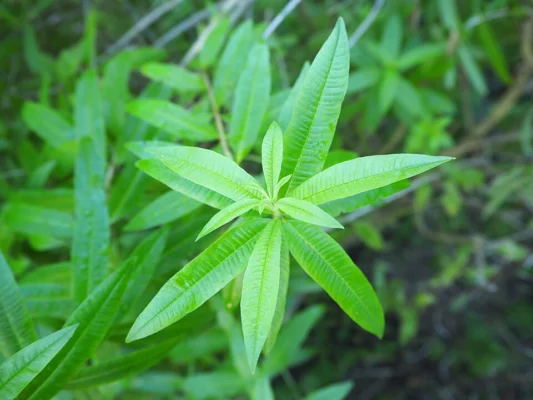
Place the plant in full sun, away from the strongest drying winds. A warm wall or sheltered patio helps, provided its base does not sit in a wet pocket.
Check the soil after heavy rain. If water lingers, grow in a container with drainage holes rather than adding richer compost to a waterlogged planting hole.
For a pot, choose a stable container that you can still move under cover. Use peat free loam based compost with added horticultural grit where necessary to maintain drainage.
Leave access for picking and pruning. Allow up to 2.5m between unrestricted border shrubs; where space is tighter, commit to pruning and container management from the start.
Photo: Schlaghecken Josef, CC BY-SA 4.0. Resized and optimised; cropped for display. Adapted image under the same licence.
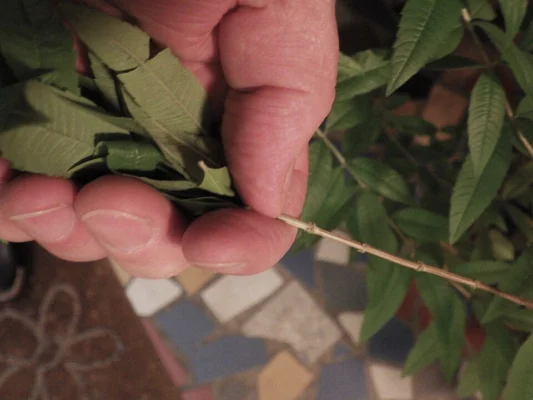
Buy a healthy plant labelled Aloysia citrodora or one of its recognised synonyms. A flowering bedding verbena is a different plant and is not a substitute for this culinary shrub.
1.
Choose a plant with sound stems and healthy new growth. Look beneath the leaves for insects, especially if it has been kept under glass.
2.
Arrange a frost free overwintering space before planting in a movable pot. Check that the eventual container will fit through the door.
3.
Wait until local spring frosts have passed before leaving the plant outside. Gradually accustom a sheltered nursery plant to outdoor conditions.
4.
Remove weeds from a border planting area and assess drainage. For container growing, select a pot slightly larger than the existing root ball.
5.
Water the root ball before removing the nursery pot. Set the plant at the same depth, keeping the stem base clear of excess compost.
6.
Backfill with the chosen soil or compost and firm gently. Leave a little watering space below a container rim so water can soak in.
7.
Water thoroughly and allow excess water to escape. Do not leave a pot standing in a permanently full saucer.
8.
Keep the label and check moisture frequently while roots establish. Begin light picking only after the plant is growing well and has enough foliage to spare.

Watering
Water regularly while the plant is actively growing, especially in a pot or during hot weather. Check the compost before watering; a dry surface does not always mean the entire root ball is dry.
Avoid repeated wilting, but let excess water drain freely. In winter, water a dormant plant much less often while preventing the roots from drying out completely.

Feeding
A border plant in reasonable soil may need little additional feed. Use growth and leaf condition as a guide rather than applying fertiliser every time you water.
Container plants have a limited supply of nutrients. During active growth, use a balanced liquid feed at the labelled rate once the compost’s initial nutrients are used, and stop routine feeding during dormancy.

Pruning
Wait until late spring, when buds are swelling or new shoots show which stems are alive. Remove dead growth and shorten remaining branches just above healthy buds to create a manageable framework.
Pinch or lightly trim growing tips during summer to encourage branching. Avoid stripping a young plant bare or making a severe autumn cut immediately before cold weather.

Winter care
Bring pots into a cool frost free greenhouse, porch or conservatory before damaging cold arrives. An unheated greenhouse can still freeze, so check its minimum temperature rather than relying on the name of the structure.
In a mild sheltered border, mulch the root area without burying the stem base. Leaf loss is normal in winter; reduce watering and wait patiently for late spring growth before deciding that bare branches are dead.
Lemon verbena has slender pointed green leaves with a strong lemon scent when gently rubbed. Older stems become woody. Loose sprays of tiny white or pale lilac flowers may appear in summer.
It is different from lemon balm, lemongrass and ornamental verbenas. Keep the botanical label with a culinary plant rather than relying on scent or a common name alone.
Photo: ViajeroExtraviado, CC BY-SA 4.0. Resized and optimised; cropped for display. Adapted image under the same licence.
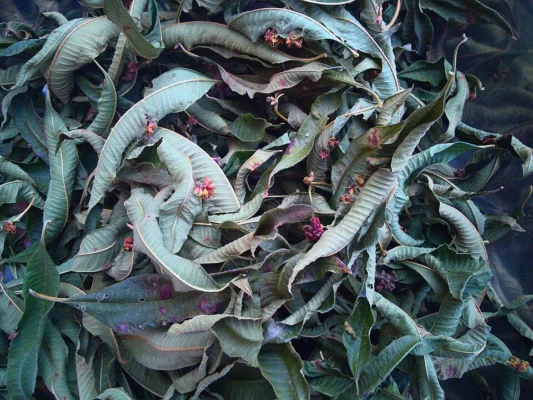
In much of the UK, summer conditions suit lemon verbena better than winter ones. Mild coastal gardens offer more scope for permanent outdoor planting; inland frost pockets and wet northern sites favour movable containers.
Pick small sprigs or individual leaves during active summer growth, leaving plenty of foliage behind. Use washed leaves to infuse a drink, syrup or milk for a pudding, then strain them out before serving if a smooth texture is wanted.
To preserve a summer surplus, dry clean leaves in a warm airy place away from direct sunlight. Once fully dry, store them in a labelled airtight container. Keep a small amount for cooking and replace it when its scent becomes faint.
Photo: Schlaghecken Josef, CC BY-SA 4.0. Resized and optimised; cropped for display. Adapted image under the same licence.
This is usually normal dormancy for lemon verbena in UK conditions. Keep the root ball barely moist under frost free protection and resist adding extra feed to force growth.
Lemon verbena often starts later than neighbouring herbs. Wait for warmer conditions and watch for buds before pruning. Persistent brittle stems with no new growth may indicate winter damage.
Check the root ball for drought, particularly after a windy day or in a small pot. If the compost is already wet, investigate blocked drainage instead of adding more water.
Improve light levels and review pruning. Once growth starts in late spring, shorten healthy stems above live buds; regular light summer picking can then encourage a bushier plant.
Look for aphid colonies around tender shoots. Small numbers can be tolerated; remove troublesome clusters by hand and encourage their natural predators. Inspect sheltered plants regularly, where pests can remain active longer.
Take softwood cuttings from healthy non flowering shoots in late spring or early summer. Trim short sections below a leaf joint, remove the lower leaves and insert them into moist peat free cuttings compost.
Keep cuttings humid and out of harsh direct sun while they root, then pot them individually and ventilate gradually. Young plants need careful frost free overwintering; a spare cutting is useful insurance against losing a large plant.
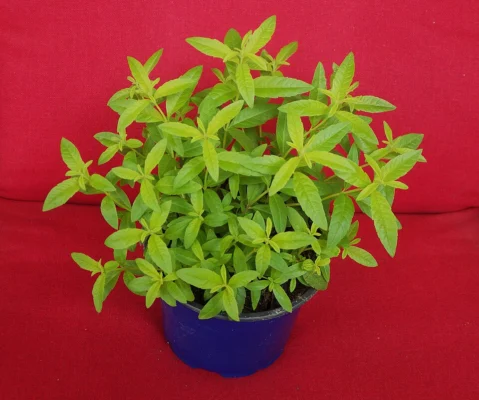
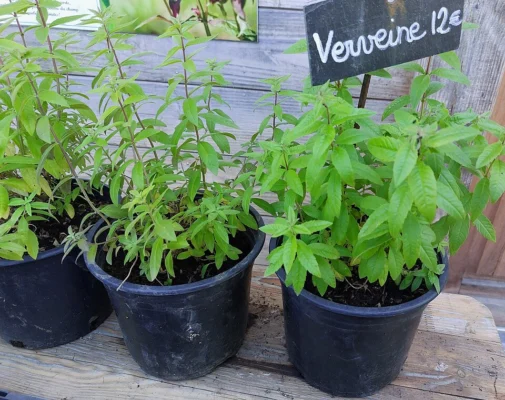
A young potted plant
The simplest start for a patio grower. Buy the correctly labelled species and move it into a slightly larger pot as its roots develop.
Lemon verbena sold as a young potted plant; this is a buying option, not a named cultivar.
Photo: Schlaghecken Josef, CC BY-SA 4.0. Resized and optimised; cropped for display. Adapted image under the same licence.
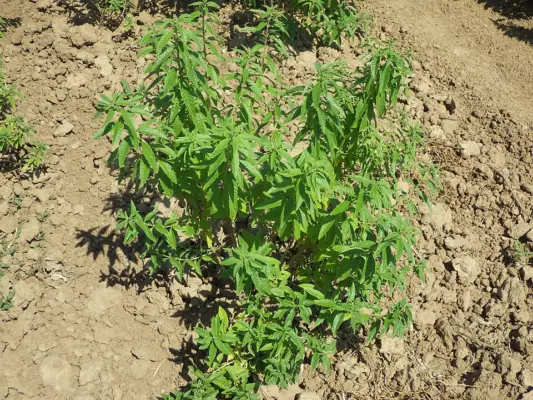
A sheltered border shrub
An option for mild gardens with free drainage and room for a substantial plant. Winter survival depends on the local site as well as the forecast temperature.
Lemon verbena growing outdoors in soil; an illustration of border growing.
Photo: Schlaghecken Josef, CC BY-SA 4.0. Resized and optimised; cropped for display. Adapted image under the same licence.
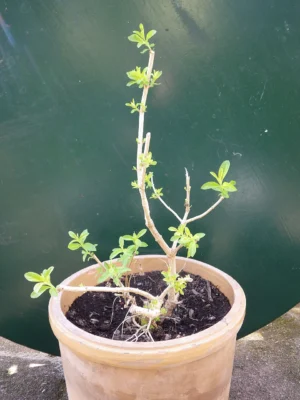
A plant with winter shelter
Grow in a movable container and reserve a cool frost free space. This gives more control over cold and winter wet than a permanent border position.
A sparsely leafed potted lemon verbena under cover for overwintering.
Photo: Schlaghecken Josef, CC BY-SA 4.0. Resized and optimised; cropped for display. Adapted image under the same licence.
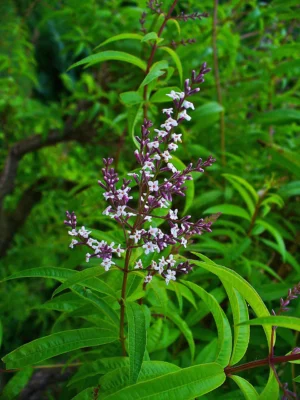
A cutting from a known plant
Root a healthy soft shoot from correctly identified lemon verbena. This is a propagation route to the same species, not a separate variety.
Flowering lemon verbena illustrates the species; take cuttings from non flowering shoots.
Photo: H. Zell, CC BY-SA 3.0. Resized and optimised; cropped for display. Adapted image under the same licence.
Look for Aloysia citrodora on the label, including its familiar nursery synonyms. Choose a healthy plant rather than a large pot alone, and match your purchase to the space available under cover in winter.
The small summer flowers are visited by insects. Leave a few flowering shoots where the plant is large enough to provide both leaves for the kitchen and flowers.
Check shoot tips before dealing with aphids, since ladybirds and other natural enemies may already be present. Good air movement and regular observation are useful habits when pots spend part of the year under cover.
Published by Buy From Farmers Direct. Growing guidance reviewed 6 October 2026. The seasonal timeline uses the shared BFFD Growers Calendar record; adjust timings to your variety and local conditions.
The RHS rates it H3, suitable for relatively mild and coastal conditions. Many UK gardens need a container plant brought into frost free shelter for winter.
Not necessarily. It is normally deciduous here and can remain bare until late spring. Keep it protected and lightly watered, then wait for new buds before deciding which stems to remove.
Yes. Use a container with drainage holes and suitable peat free compost. Water and feed during active growth, then move it to a cool frost free position before winter cold.
Prune in late spring once growth shows which wood is alive. Cut above healthy buds and make lighter trims during summer to maintain shape and encourage branching.
Fresh or dried leaves can flavour drinks, syrups and desserts. Infuse them and strain out the leaves where a smooth result is wanted. Pick from a correctly labelled culinary plant.
Only if that space stays sufficiently protected from frost. An unheated greenhouse can freeze during a cold spell. Monitor the minimum temperature and move or protect the plant before damaging cold.
Give lemon verbena sun in summer, free drainage and a realistic winter home. With patient spring pruning and regular light harvesting, one well cared for plant can provide plenty of fragrant leaves.
Want to get food independence, support your local grower, get better prices and shop more privately?
Local food isn’t just something you find. It’s something you protect. A free account helps keep local supply visible, supported, and resilient.

….it takes 30 seconds for food lovers and 5 minutes for suppliers
We built this for people who care where their food comes from. For people who want to remain food secure. For Farmers to get to the local people, who deserve a better income and to deliver a better price for you. For the environmentally conscious and the privacy-conscious. An account simply helps us make the map and supplier reach more useful to you, without changing how open it is. You’re always in control.


Find local food. Stay connected to it. Create a free account to support local producers and be part of a growing food network.


