Summer squash brings a different shape to the vegetable patch: small scalloped patty pans, curved crooknecks and other tender fruits picked while young. The growing routine is much like a courgette’s, with warmth, generous spacing and regular watering followed by frequent harvests. These are fresh summer vegetables rather than hard-skinned winter stores. Choose a compact type that fits your space, protect its early growth from cold and keep looking beneath the leaves once picking begins.
Pick young and tender
Sunny sheltered position
Protect from frost
Good for large containers
Keep harvesting regularly
| Botanical species covered | Cucurbita pepo summer-squash varieties |
| Family | Cucurbitaceae |
| Crop type | Tender annual fruiting vegetable |
| Common forms | Patty pan, crookneck and straightneck |
| Relationship to courgettes | Closely related summer-harvest forms |
| Harvest stage | Young fruit with tender skin and immature seeds |
| Position | Full sun, sheltered from strong wind |
| Soil | Rich, moisture retentive and freely drained |
| Indoor sowing | April and May |
| Outdoor sowing | Late May or June once soil is warm |
| Sowing depth | Usually 1.5 to 2cm; follow the packet |
| Germination conditions | Warm compost, around 20°C |
| Planting outside | Late May or June, after local frost risk |
| Typical bush spacing | About 90cm apart |
| Container choice | One compact plant in a substantial drained pot |
| Pollination | Usually insects transfer pollen between flowers |
| Main harvest | July to October, weather permitting |
| Patty-pan picking guide | Often about 5 to 8cm across |
| Feeding once cropping | Regular suitable liquid feed at label rate |
| Storage habit | Use fresh; not a long-keeping winter squash |
| Plant name | Crop type | Spacing |
Sow indoors
Plant outdoors
Harvest
Polytunnel | |||||||||||
|---|---|---|---|---|---|---|---|---|---|---|---|---|---|---|
| Jan | Feb | Mar | Apr | May | Jun | Jul | Aug | Sep | Oct | Nov | Dec | |||
| Squash (Summer) | Cucurbits | Single 90cm, In row 90cm, Row gap 90cm for bush types; allow more for trailing varieties | No activity recorded | No activity recorded | No activity recorded | Sow indoors | Sow indoors, Plant outdoors, Polytunnel | Sow indoors, Plant outdoors, Polytunnel | Harvest, Polytunnel | Harvest, Polytunnel | Harvest, Polytunnel | Harvest | No activity recorded | No activity recorded |
Sow indoors: April, May, June. Plant outdoors: May, June. Harvest: July, August, September, October. Polytunnel: May, June, July, August, September.
April-May sowing is indoors with warmth; late May-June outdoor sowing needs warm soil and frost-free conditions. Plant out in late May or June only after local frost risk has passed and plants are hardened off. July-October is a practical harvest window, ending sooner where cold or frost arrives early. The May-September polytunnel band is optional protected cropping with ventilation and pollinator access, not a requirement for outdoor success; indoor seed raising starts earlier. Variety, sowing date and local weather change the actual dates.
Summer squash suits gardeners who can visit the crop frequently and enjoy using young vegetables as they become ready. One or two well-managed plants can occupy a useful corner, but check their eventual spread before fitting them between other crops.
Bush patty pans are a good starting point for a small garden or large container. The compact description is relative: a mature plant still carries broad leaves and needs room for water, light and easy harvesting. Choose a trailing type only where you can accommodate its stems.
Photo: Elekes Andor, CC BY 4.0. Resized and optimised; cropped for display.
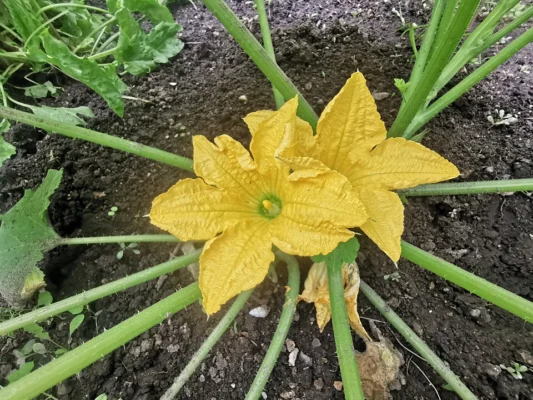
Choose a sunny place sheltered from strong, drying winds. Cold shade delays growth and flowering, while an exposed young plant can be battered before its roots have settled.
Prepare the soil with well-rotted compost, improving a generous planting area rather than adding a token handful beneath the rootball. The aim is steady moisture with enough drainage to keep the crown from sitting in saturated soil.
Allow roughly 90cm between bush plants, adjusting to the packet’s final size. Leave a route to each plant so you can check underneath the leaves without trampling the root area or snapping stems.
A large container can support one suitable compact plant in peat free compost. Make sure water can escape freely and place the pot where you can check it daily in hot weather. A small decorative pot will not hold enough moisture for a full-sized cropping plant.
Photo: Elekes Andor, CC BY 4.0. Resized and optimised; cropped for display.
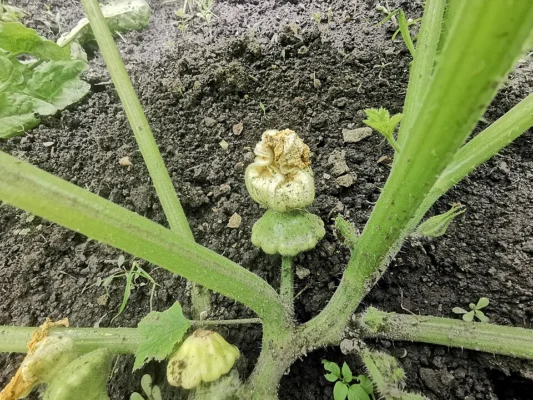
Sowing indoors in spring gives young plants a protected start, but sowing very early is not automatically better. Aim to have a sturdy plant ready when the outdoor ground is warm, rather than a large hungry specimen waiting in a small pot.
1.
Choose seed labelled as an edible summer-squash variety and check whether the plant is bushy or trailing. Plan the growing space before starting more seedlings than you can accommodate.
2.
In April or May, sow one seed on its edge in each small pot of moist seed compost, usually about 1.5 to 2cm deep. Follow the packet if its instructions differ.
3.
Keep the pots warm, around 20°C, and moist without soaking them. Once seedlings emerge, provide strong light and room for leaves to grow without overlapping heavily.
4.
Grow seedlings on until they have several true leaves and a useful root system. Pot on if necessary, handling the rootball gently rather than pulling the plant by its stem.
5.
Harden plants off gradually before planting outside. Choose settled weather after local frost risk has passed, usually late May or June; keep temporary protection ready for an unexpected cold night.
6.
Plant into the prepared ground at about the same depth as the pot, leaving the crown clear of wet mulch. Water in well and space bush plants around 90cm apart.
7.
Check young plants for slug damage and water whenever the soil needs it. Mulch around established plants to conserve moisture, keeping the material away from the base of the stem.
8.
As fruits appear, inspect the plant every couple of days. Cut young squash with a short stalk attached, using clean secateurs or a knife, and keep harvesting rather than allowing a few large fruits to dominate the plant.

Watering
Keep moisture reasonably even, especially during flowering and fruit growth. Direct water onto the soil around the root area and give enough to reach the roots, rather than repeatedly wetting only the surface.
Containers may need water daily in hot weather, but check the compost first. Both drought and a permanently waterlogged pot can cause trouble. Avoid continually soaking the crown or splashing water over dense foliage.

Feeding
Prepare the growing area with well-rotted organic matter before planting. Once the crop is flowering and carrying fruit, use a suitable liquid feed regularly, following the product’s rate rather than making an unnecessarily strong solution.
A high-potassium feed such as tomato feed is a practical option for a vigorous fruiting plant. Container crops need particular attention as their compost’s initial nutrients run out; good feeding still needs to be matched with water and light.

Pruning
Bush summer squash needs little routine pruning. Remove dead or badly damaged leaves carefully, but keep plenty of healthy foliage to support the crop and avoid cutting into the main stem.
Pick fruits regularly and remove failed, rotting fruitlets. Do not apply winter-squash advice about retaining a small number of large fruits: this crop is intended to keep producing young tender squash over the season.

Winter care
Summer squash is frost tender and is grown anew each year. As autumn cools, flowering and fruit development slow, then frost ends the crop. Harvest usable tender fruits before damaging cold arrives.
These immature fruits have delicate skins and are best used soon after picking. Keep them cool for short storage rather than curing them in the sun for winter keeping. Clear the spent plants, keeping badly diseased material out of a cool home compost heap.
Plants have broad, rough leaves on substantial stalks and large yellow flowers. A female flower has a small developing squash directly behind it; a male flower sits on a slimmer stalk without that swollen fruit base.
Patty pans are flattened with scalloped edges, while crooknecks have a curved narrow neck and a wider end. Yellow, white and green colours are all possible. Shape or colour alone does not confirm edibility: grow from labelled culinary seed, not unidentified ornamental gourds.
Photo: Hexabine, CC0. Resized and optimised; cropped for display.
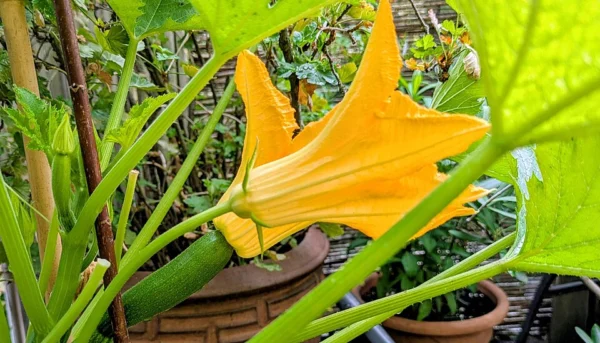
A warm sheltered outdoor bed can crop well in a normal UK summer. In cooler districts, a later sturdy transplant may establish better than one exposed too early to cold soil and strong winds.
A polytunnel can help with warmth, but it also needs good ventilation and access for pollinating insects. Open doors and vents in suitable weather, watch temperatures and do not assume a closed tunnel will set fruit without help.
Once cropping begins, short regular visits are useful. Fruits can hide under large leaves and quickly grow beyond their best tender stage. In cool wet weather, expect slower growth and check for failed fruitlets before they decay against the plant.
Photo: Sarah Stierch, CC BY 4.0. Resized and optimised; cropped for display. Sarah Stierch (CC BY 4.0).
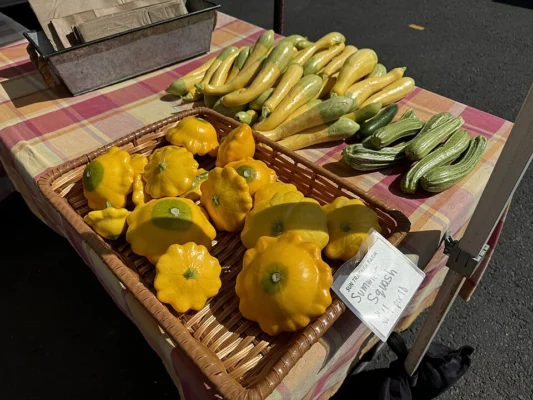
Young plants often make male flowers first. Cold weather and poor pollination can also prevent fruit set. Keep the plant growing steadily and allow insect access. If necessary, transfer pollen from an open male flower to a female flower in the morning.
Powdery mildew commonly appears later in the season, especially on stressed plants. Keep roots supplied with moisture, maintain airflow and remove the worst declining leaves without stripping the whole plant. A late infection does not always end a useful harvest immediately.
Slugs and snails can seriously damage small plants. Inspect young growth regularly, particularly after damp nights, and use appropriate protection while plants establish. Raising a spare seedling is useful, but avoid overplanting the final bed as insurance.
Check for aphids and consider a virus problem where unusual mottling and stunting persist. Some varieties have normal silver markings, so compare healthy growth before deciding. Remove a plant with clear severe virus symptoms rather than expecting fertiliser to cure it.
Do not eat bitter summer squash. Discard the affected fruit and remove the plant. Cooking does not make bitter fruit safe, and do not save seed from that plant. Start future crops from reliable labelled culinary seed; uncontrolled seed saving can produce unpredictable offspring. Bitterness is not a flavour that should be disguised in a recipe.
Raise a new crop from seed each spring. Direct outdoor sowing is possible once the soil has warmed in late May or June, but indoor starts are often easier to protect from mice, slugs and poor weather.
Saving seed is a separate project from harvesting tender fruits. It needs an open-pollinated variety, controlled pollination to prevent unwanted crossing, and fruit left to reach full seed maturity. F1 hybrids do not reliably reproduce the same variety, so bought seed is the simpler choice for predictable crops.
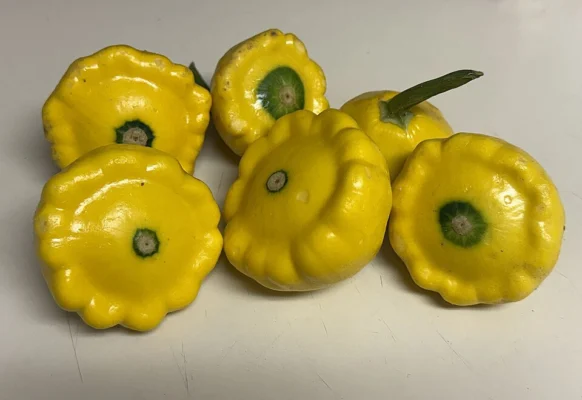
Sunburst F1
A yellow patty pan with a flattened scalloped shape. Pick the small glossy fruits while the skin and seeds are still tender. Its bright colour makes fruits easier to spot beneath the foliage, but regular checks are still worthwhile as the plant fills out.
Illustrative summer squash; the photograph is not verified as Sunburst F1.
Photo: Netherzone, CC0. Resized and optimised; cropped for display.
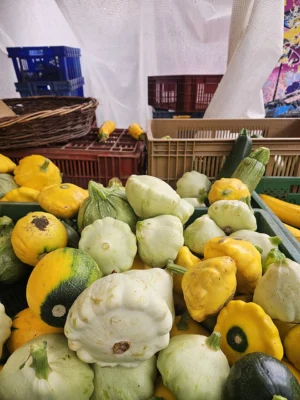
Patisson Blanc
A traditional white patty pan grown for small saucer-shaped fruits. Harvest around 7 to 8cm across, or according to the packet’s guidance, for tender kitchen use. It makes a useful contrast to yellow types without changing the basic growing routine.
Illustrative summer squash; the photograph is not verified as Patisson Blanc.
Photo: Laliv g, CC BY-SA 4.0. Resized and optimised; cropped for display. Adapted image under the same licence.
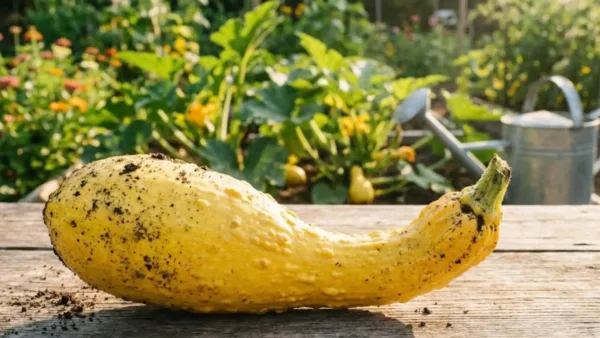
Summer Crookneck
A yellow squash with a curved neck and a fuller rounded end, often developing a knobbly surface. Pick it young while tender and use much as you would a courgette. Leaving it to become large and hard changes the eating quality.
Illustrative summer squash; the photograph is not verified as Summer Crookneck.
Image from the BFFD media library.
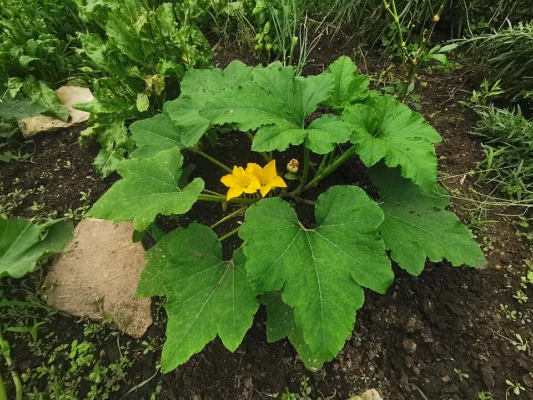
Patty Pan Greendisc F1
A green scalloped summer squash with lighter mottling and stripes. It offers another colour for mixed summer harvests. Allow its broad foliage plenty of room, maintain steady moisture and gather fruits while young rather than waiting for a storage-squash size.
Illustrative patty-pan plant; the photograph is not verified as Patty Pan Greendisc F1.
Photo: Elekes Andor, CC BY 4.0. Resized and optimised; cropped for display.
Look for a labelled edible summer squash with a growth habit that fits your garden. A compact patty pan is a practical first choice; a second colour or shape can add variety if you have room. Buy fresh seed or healthy young plants and plan for regular picking.
Bees and other flower visitors help move pollen between the separate male and female flowers. Keep access open when protective covers are no longer needed, and grow a mix of suitable flowers nearby through the summer.
Avoid unnecessary insecticide use around open flowers. Check aphids and leaf damage before acting, and remember that a mature plant can tolerate some minor feeding damage while continuing to crop.
Published by Buy From Farmers Direct. Growing guidance reviewed 6 October 2026. The seasonal timeline uses the shared BFFD Growers Calendar record; adjust timings to your variety and local conditions.
They are grown for different harvest stages. Summer squash is picked young with tender skin and seeds for prompt use. Winter squash is normally left to mature with a firm rind before storage. This guide focuses on the young summer crop.
For many varieties, around 5 to 8cm across gives a tender fruit. Follow the packet and your kitchen preference, and pick regularly. Very large fruits become less tender and can slow further cropping.
Yes, choose a compact variety and a substantial drained container for one plant. Give it full sun and enough room for the leaves, then check water and feeding more frequently than for a plant in the ground.
Poor pollination, cold weather or a stressed young plant can cause fruitlets to fail. Check water, light and insect access. Remove decaying fruitlets and help with hand pollination if male and female flowers are both open.
One plant usually produces both male and female flowers, so two plants are not essential. Successful fruit set still requires suitable flowers to be open and pollen to move between them, normally through visiting insects.
For predictable edible crops, start with labelled seed from a reliable supplier. Home seed saving needs a suitable non-hybrid variety, controlled pollination and fully mature seed. Seeds from an unknown fruit may produce plants with very different characteristics.
Give summer squash warmth, room and steady moisture, then make young, regular harvests the centre of its care. A well-placed plant can offer a succession of useful fruits without waiting for the large mature squash associated with autumn storage.
Explore more growing guides: Courgette, Cucumber, Beans (French).
Want to get food independence, support your local grower, get better prices and shop more privately?
Local food isn’t just something you find. It’s something you protect. A free account helps keep local supply visible, supported, and resilient.

….it takes 30 seconds for food lovers and 5 minutes for suppliers
We built this for people who care where their food comes from. For people who want to remain food secure. For Farmers to get to the local people, who deserve a better income and to deliver a better price for you. For the environmentally conscious and the privacy-conscious. An account simply helps us make the map and supplier reach more useful to you, without changing how open it is. You’re always in control.


Find local food. Stay connected to it. Create a free account to support local producers and be part of a growing food network.


