A ripe strawberry picked from your own plants is one of the simplest rewards of summer gardening. You can grow a few in a patio pot or make space for a proper picking bed. This guide covers garden strawberries, Fragaria × ananassa, including summer fruiting and perpetual varieties. A sunny position, the right planting depth and a little attention while fruit ripens make a useful starting point.
Sunny beds or pots
Plant crowns at soil level
Protect flowers from frost
Choose different cropping seasons
Renew ageing beds
| Botanical name | Fragaria × ananassa |
| Family | Rosaceae, the rose family |
| Plant type | Low growing perennial fruit plant |
| Main crop groups | Summer fruiting and perpetual, or everbearing |
| Light | Full sun for the best crop |
| Site | Sheltered, with room for air to circulate |
| Soil | Fertile, moisture retentive and well drained |
| Typical foliage height | About 15 to 30cm |
| Main planting windows | Spring or late summer to early autumn |
| Special planting option | Cold stored runners in late spring or early summer |
| Planting depth | Base of the crown level with the soil surface |
| Spacing in beds | About 40cm between plants |
| Row gap | 75cm |
| Container spacing | Around 20cm between plants; avoid crowding |
| Usual outdoor picking season | June to September across different varieties |
| Summer fruiting habit | A concentrated crop lasting a few weeks |
| Perpetual fruiting habit | Several flushes through summer and early autumn |
| Propagation | Root runners from healthy plants |
| Typical bed renewal | Every three to four years |
| Seed growing | Not the usual way to reproduce named garden varieties |
| Plant name | Crop type | Spacing |
Sow indoors
Plant outdoors
Harvest
Polytunnel | |||||||||||
|---|---|---|---|---|---|---|---|---|---|---|---|---|---|---|
| Jan | Feb | Mar | Apr | May | Jun | Jul | Aug | Sep | Oct | Nov | Dec | |||
| Strawberry | Soft fruit | Single 40cm, In row 40cm, Row gap 75cm | No activity recorded | Polytunnel | Plant outdoors, Polytunnel | Plant outdoors, Polytunnel | Plant outdoors, Polytunnel | Plant outdoors, Harvest | Harvest | Plant outdoors, Harvest | Plant outdoors, Harvest | No activity recorded | No activity recorded | No activity recorded |
Sow indoors: no months recorded. Plant outdoors: March, April, May, June, August, September. Harvest: June, July, August, September. Polytunnel: February, March, April, May.
The planting band covers spring plants and late summer runners. June is included for specially prepared cold stored runners, following the supplier's directions. Bare root plants may also be supplied in autumn outside these main bands, provided the ground is workable and not waterlogged. Harvest from June to September combines early, middle, late and perpetual varieties; one summer fruiting plant will not crop throughout that whole period. Optional cover from February to May can bring an established early variety forward, sometimes into May. Remove or open cover for ventilation and pollinating insects. There is no seed sowing band for this guide to named garden strawberry plants.
Strawberries are manageable in a small garden because you can begin with a few plants. A container close to the house makes watering and picking convenient, while a bed offers more fruit if you have space to keep it weeded.
Choose the crop pattern to suit your kitchen. Summer fruiting varieties are useful when you want a bowlful at once. Perpetual types spread smaller pickings over a longer period, with pauses between their main flushes.
Image from the BFFD media library.
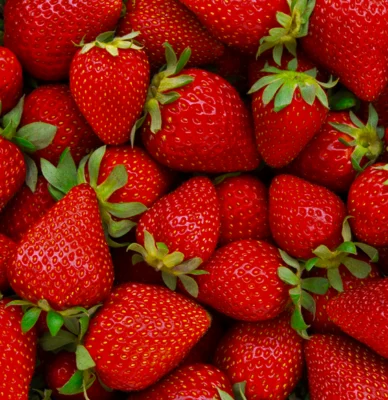
Give plants a sunny, sheltered position. Shade can reduce cropping and make ripening slower. Leave an accessible route beside the bed so you can pick ripe berries without stepping on crowns or compacting their root zone.
Prepare soil that drains freely but retains some summer moisture. Work in well rotted organic matter before planting if needed. A raised bed is useful on heavy ground, but it still needs drainage rather than becoming a filled bathtub.
Containers need drainage holes and good peat free compost. Allow roughly 20cm between plants in a broad trough or generous pot. Crowding a tiny planter creates extra competition for water and makes hidden fruit harder to check.
Avoid replanting an exhausted or diseased strawberry bed with new plants in the same soil. Choose fresh ground when renewing the crop, and buy healthy stock rather than trying to rescue runners from visibly weak plants.
Image from the BFFD media library.
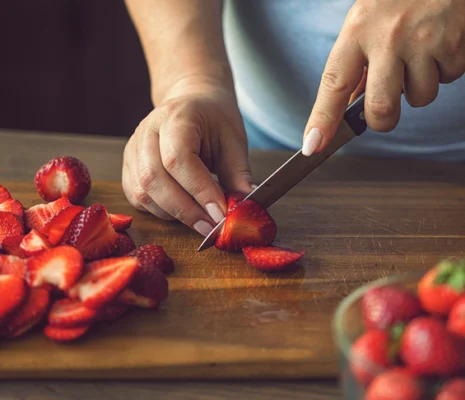
Named strawberries are normally bought as potted plants or rooted runners. Bare root runners can look modest when they arrive, so judge their firm crowns and sound roots rather than expecting a leafy nursery pot.
1.
Choose named plants from a reputable supplier and check whether they are summer fruiting or perpetual. A mixture of cropping seasons can extend your picking window.
2.
Prepare the bed before plants arrive. Remove perennial weeds and improve drainage while the soil is workable, avoiding digging or treading on wet ground.
3.
Mark planting positions about 40cm apart, with rows 75cm apart. Allow yourself enough access for watering, inspecting fruit and putting down straw later.
4.
Make a hole wide enough for the roots to spread naturally. Keep bare roots protected from drying winds while working, and follow any special handling directions supplied with cold stored plants.
5.
Set the base of each crown level with the soil surface. Cover the roots, but keep the growing centre above ground; a deeply buried crown is vulnerable to rotting.
6.
Firm gently and water thoroughly to settle soil around the roots. Check the crown again afterwards in case loose soil has washed over it.
7.
Watch new plants closely in dry weather. Remove flowers from weak young summer fruiting plants to help them establish; strong plants need not automatically lose their first crop.
8.
For newly planted perpetual strawberries, remove the first spring flower flush if advised to build strength. Cold stored plants intended for a same season crop are handled differently, so retain their flowers unless the supplier directs otherwise.

Watering
Water new plants regularly until established, then pay particular attention as flowers and fruit develop. Aim water at the soil rather than soaking berries. Pots need frequent checks because a small root volume can dry quickly in sunny weather.
Lay clean straw beneath developing fruit to reduce contact with soil. Keep crowns clear and inspect underneath for damage. A mulch helps with moisture, but it cannot replace watering a dry container or compensate for blocked drainage.

Feeding
Plants in reasonably fertile beds do not need repeated heavy feeding. Improve poor soil before planting and avoid encouraging an excess of soft leaves at the expense of a balanced plant.
Container plants rely more on the compost and regular care. Follow a suitable liquid feed label during active growth, moving to a potassium rich fruiting feed as flower buds appear. Do not feed a dry root ball.

Pruning
Remove unwanted runners so a fruiting bed does not turn into a crowded mat. After summer fruiting plants finish, old foliage can be cut back to about 10cm, taking care to preserve the crown and new leaves.
Do not give perpetual varieties the same wholesale summer haircut while they are still cropping. Remove damaged or dead leaves individually and keep the developing flowers and fruit intact. Clear rotting berries promptly.

Winter care
Outdoor plants need their normal cool winter rest. Clear old straw and dead debris after cropping, keep drainage open and leave healthy crowns in place. Move vulnerable pots to a sheltered position outdoors if necessary.
Spring flowers are more sensitive to frost than dormant plants. Cover overnight when frost threatens, supporting fleece clear of the flowers where possible. Remove it during the day so insects can reach open flowers.
Garden strawberries grow from a short crown, with leaves divided into three toothed leaflets. White flowers are followed by fleshy fruit carrying many tiny seedlike structures on the outside. Long runners can root into new daughter plants.
Alpine strawberries, usually Fragaria vesca, are a separate choice with much smaller fruit and are often raised from seed. This guide's spacing, named varieties and renewal advice are aimed at garden strawberries rather than using all strawberry types interchangeably.
Image from the BFFD media library.
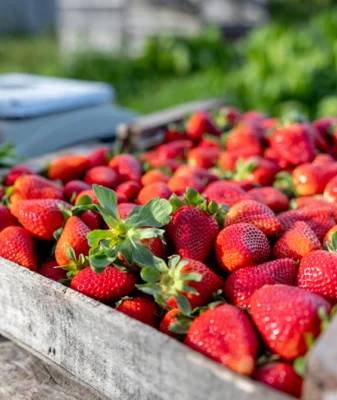
Pick when the fruit has reached its normal ripe colour and developed its fragrance. For the red varieties described here, look for fully coloured berries rather than expecting pale fruit to sweeten substantially after picking. Check plants often during their main flush.
Lift each berry gently and snip or pinch its short stalk, leaving the green calyx attached. Avoid pulling hard on the plant. A shallow bowl or punnet keeps the lower fruit from being crushed under a heavy heap.
Use fresh fruit promptly, chilling what you cannot eat soon. Wash shortly before use and discard berries showing mould or rot. Surplus sound fruit can be frozen or cooked into a suitable preserve recipe; thawed strawberries become softer than fresh ones.
Image from the BFFD media library.
A late frost can kill the centre of an open flower, known as strawberry black eye. Affected flowers may fail to fruit or produce misshapen berries. Watch forecasts and protect flowers overnight, then uncover them for daytime pollination.
Grey mould thrives around damaged or damp fruit in crowded conditions. Pick ripe berries promptly, remove affected fruit gently and improve airflow. Water soil rather than soaking fruit, and ventilate covered crops well.
Slugs, snails and birds can all damage fruit. Inspect the actual culprit before choosing protection. Pick regularly, remove slugs causing damage and use taut, well secured fruit protection that does not leave loose netting to entangle wildlife.
Check moisture and drainage first. If neither explains the collapse, inspect the roots for creamy, curved vine weevil grubs. Remove larvae when repotting salvageable plants; targeted biological controls must be suitable for the problem and used at the correct temperature.
Persistent distortion, mottling and poor yields can indicate strawberry viruses, although symptoms alone are not conclusive. Do not propagate from affected plants. Replace confirmed unhealthy stock with healthy plants in a fresh position rather than carrying the problem into a new bed.
Choose vigorous, productive parents with no signs of disease. Peg a healthy runner plantlet into a small pot of compost beside its parent, keeping the connecting stem intact until the daughter has rooted firmly. Water the pot as needed.
Once rooted, sever the connection and plant the young strawberry in its prepared place. Late summer establishment gives useful growing time before winter. Replace old beds every three to four years, or sooner if declining health makes that sensible.
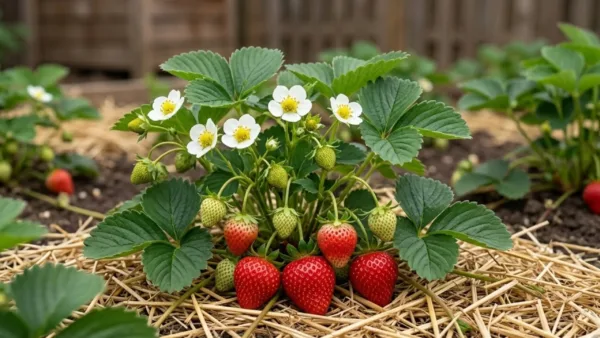
Honeoye
An early summer fruiting choice with a concentrated crop and good flavour. Use it to begin the outdoor season, allowing for local weather. Early flowers still need protection if frost is forecast.
BFFD strawberry illustration; the pictured plant is not identified as Honeoye.
Image from the BFFD media library.
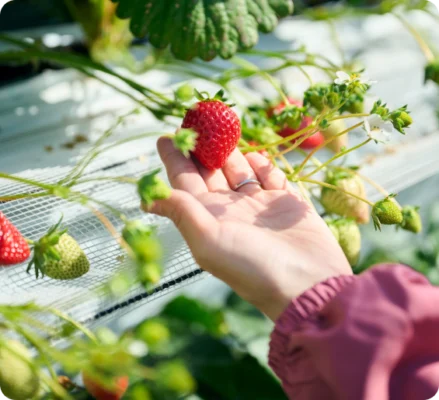
Cambridge Favourite
A familiar mid season variety with soft, flavoursome fruit and useful disease resistance. It produces runners freely, so remove extras unless you need healthy replacements for the next bed.
Picking a ripe strawberry, illustrating harvest; cultivar identity is not verified.
Image from the BFFD media library.
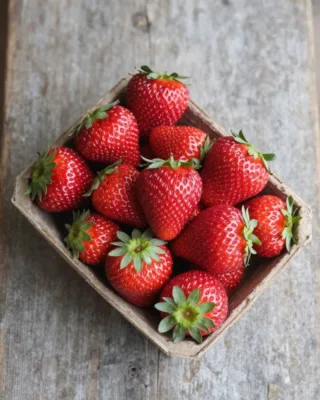
Florence
A late summer fruiting variety with firm berries and good disease resistance. Pair it with an earlier variety if you want successive crops rather than expecting one plant to keep fruiting all summer.
A punnet of strawberries illustrating a summer crop; these are not verified Florence berries.
Image from the BFFD media library.
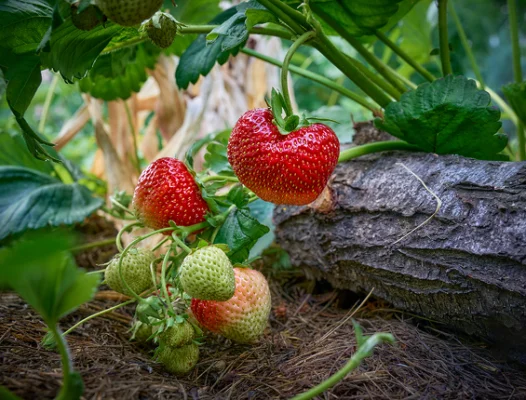
Finesse
A perpetual variety for repeated harvests from early summer into autumn in suitable conditions. It produces relatively few runners, so buy enough plants for the space rather than relying on rapid multiplication.
Fruit beside a bed edge, illustrating the crop; the plant is not identified as Finesse.
Image from the BFFD media library.
Compare early, middle and late summer varieties with perpetual strawberries, then decide how much fruit you want at once. Look for clearly labelled, healthy plants and read the establishment advice supplied with bare root or cold stored runners.
Open flowers are visited by pollinating insects, which help good fruit development. Keep access open when weather allows and avoid leaving an early crop sealed beneath fleece or a tunnel throughout flowering.
Protect the ripening crop selectively while leaving useful habitat elsewhere in the garden. Check any netting frequently and keep it taut and securely edged. A tidy fruiting bed can sit alongside less disturbed areas for natural predators.
Published by Buy From Farmers Direct. Growing guidance reviewed 6 October 2026. The seasonal timeline uses the shared BFFD Growers Calendar record; adjust timings to your variety and local conditions.
Yes. Use a generous container with drainage holes, allow about 20cm between plants and check moisture frequently. Container strawberries need more regular watering and feeding than those in fertile garden soil.
Spring and late summer to early autumn are useful windows. Bare root availability can extend into autumn and winter, but avoid frozen or waterlogged ground. Cold stored runners have their own late spring or early summer planting instructions.
No blanket rule suits every plant. Remove flowers from weak young summer fruiters and the first flush on newly planted perpetuals when advised. Strong plants and cold stored runners intended to crop that season are treated differently.
Poor establishment, crowding, uneven water supply, incomplete pollination or frost damage can all contribute. Check the flowers, roots and growing conditions rather than assuming the variety is at fault.
Summer fruiters give a concentrated crop over a few weeks. Perpetual varieties produce several flushes across summer and early autumn, usually with fewer berries ready at any one time.
Seedlings may not reproduce the parent variety faithfully. Use healthy rooted runners or bought plants to retain a named garden strawberry. Alpine strawberries are a separate type commonly offered for seed growing.
Start with healthy plants, keep their crowns at the right level and make picking part of your summer routine. A small, well tended planting is often more useful than an overcrowded bed that is difficult to water and harvest.
Explore more growing guides: Blackberry, Blackcurrant, Borage.
Want to get food independence, support your local grower, get better prices and shop more privately?
Local food isn’t just something you find. It’s something you protect. A free account helps keep local supply visible, supported, and resilient.

….it takes 30 seconds for food lovers and 5 minutes for suppliers
We built this for people who care where their food comes from. For people who want to remain food secure. For Farmers to get to the local people, who deserve a better income and to deliver a better price for you. For the environmentally conscious and the privacy-conscious. An account simply helps us make the map and supplier reach more useful to you, without changing how open it is. You’re always in control.


Find local food. Stay connected to it. Create a free account to support local producers and be part of a growing food network.


