Irises can open the flower season in a small spring pot or bring bold colour to an early-summer border. Success starts with choosing the right group. Bearded irises enjoy sun on their shallow rhizomes, Siberian irises prefer more moisture, and bulb irises need proper autumn planting beneath the soil.
Hardy ornamental perennials
Choose the right iris group
Sun for most border types
Different planting depths
No food harvest
| Botanical group | Iris species and garden hybrids |
| Family | Iridaceae |
| Plant type | Rhizomatous or bulbous perennial |
| Main guide scope | Bearded, Siberian and common bulb irises |
| Bearded iris storage organ | A thick, horizontal rhizome |
| Siberian iris habit | A fibrous-rooted clump with short rhizomes |
| Bulb iris examples | Reticulata types and Dutch iris |
| Bearded iris position | Full sun and excellent drainage |
| Siberian iris position | Sun or light shade, with root moisture |
| Bulb iris position | Sun and freely draining soil |
| Border flowering | Usually May–June, depending on cultivar |
| Dwarf bulb flowering | Usually February–March |
| Dutch iris flowering | Usually late spring to early summer |
| Bearded rhizome planting | Summer to early autumn, commonly July–October |
| Bulb planting | Autumn, following the supplier’s depth |
| Bearded planting depth | Rhizome top partly exposed; roots covered |
| Siberian planting depth | Retain the potted plant’s original level |
| Mature border spacing | Commonly 30–60cm; larger clumps need more |
| Propagation | Division or separation of bulb offsets |
| Handling | Harmful if eaten; wear gloves when handling |
| Plant name | Crop type | Spacing |
Sow indoors
Plant outdoors
Harvest
Polytunnel | |||||||||||
|---|---|---|---|---|---|---|---|---|---|---|---|---|---|---|
| Jan | Feb | Mar | Apr | May | Jun | Jul | Aug | Sep | Oct | Nov | Dec | |||
| Iris | Not recorded | Single 45cm, In row 45cm, Row gap 45cm; illustrative border iris, bulbs and large clumps differ | No activity recorded | No activity recorded | Plant outdoors | Plant outdoors | Plant outdoors | No activity recorded | Plant outdoors | Plant outdoors | Plant outdoors | Plant outdoors | Plant outdoors | No activity recorded |
Sow indoors: no months recorded. Plant outdoors: March, April, May, July, August, September, October, November. Harvest: no months recorded. Polytunnel: no months recorded.
The calendar covers purchased plants, rhizomes and bulbs, so sowing and food-harvest bands are empty. March–May suits potted border plants; July–October is a common bearded-rhizome window; September–November covers autumn bulbs and suitable potted plants. These options do not apply equally to every iris. No routine polytunnel season is needed for the hardy groups described. Flowering may be February–March for dwarf bulbs or May–June for border and Dutch irises.
Choose irises for distinct flowers, useful foliage and a repeat display from an established planting. Buy by group and eventual size rather than flower colour alone; a dwarf bulb and a tall bearded iris fill very different spaces.
Match the iris to your soil. A sunny, dry border can suit bearded types, while a moisture-retentive border is a better starting point for Siberian iris. Pond and bog irises have separate needs and should not be treated as dry-border plants.
Photo: Famartin, CC BY-SA 4.0. Resized and optimised; cropped for display. Adapted image under the same licence.
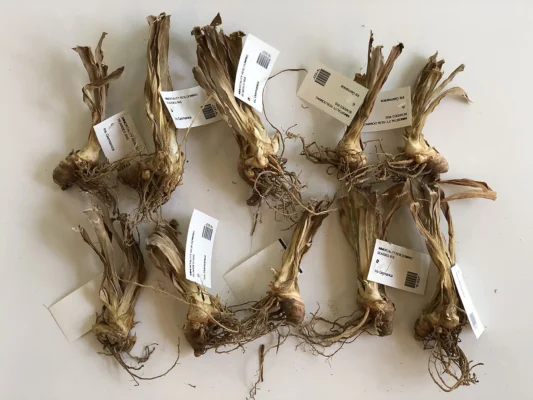
Give bearded irises an open, sunny position where surrounding plants will not smother their rhizomes. Good drainage is especially important during winter; choose a raised or sloping position if the soil stays wet.
Grow Siberian irises in fertile ground that holds moisture without remaining waterlogged. They tolerate some light shade and fit among perennials that enjoy similar conditions.
Plant dwarf reticulata bulbs in a sunny, sharply drained bed, trough or pot. Their early flowers are easiest to appreciate beside a path or on a raised display.
Use Dutch irises among later spring plants or in a cutting bed. Leave enough light and space for their foliage after flowering, instead of filling the same ground immediately with hungry summer plants.
Photo: SangsterBeatrice, CC BY-SA 4.0. Resized and optimised; cropped for display. Adapted image under the same licence.
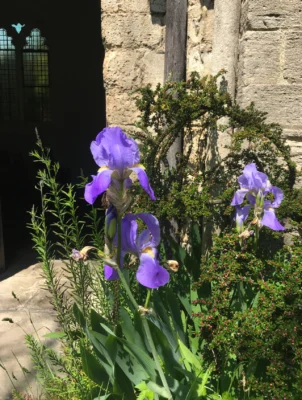
Keep labels with new plants. The essential distinction is between an exposed bearded rhizome, a normally planted Siberian crown and a buried bulb. Check the group before opening a planting hole.
1.
Choose firm, healthy rhizomes or bulbs, or a potted plant with sound growth. Reject soft, badly damaged or decaying material.
2.
Prepare the soil for the chosen group. Remove weeds and improve the whole planting area rather than creating a small wet pocket inside heavy ground.
3.
For a bearded rhizome, make a shallow hole with room to spread the roots. Set the rhizome horizontally so its upper surface remains partly visible.
4.
Cover and firm around the bearded iris roots while leaving the rhizome top exposed. Space ordinary border plants around 30–60cm apart, adjusting for their mature size.
5.
For a potted Siberian iris, keep the crown at its existing level and water in well. Do not expose its roots or copy the dry, sun-baked treatment used for bearded rhizomes.
6.
For autumn bulbs, follow the packet for depth and spacing. Common bulb irises are often planted about 10–15cm deep and roughly 5–10cm apart, depending on type and size.
7.
Water new plantings to settle the soil. Continue checking root moisture while they establish, especially during a dry late summer.
8.
Label dormant planting positions and leave room for growth. In pots, use drainage holes and a suitable free-draining peat free compost, then check moisture more often than in a border.

Watering
Water newly planted irises until roots establish. Thereafter, bearded irises usually need little routine watering in the ground, apart from prolonged drought.
Keep Siberian irises supplied with moisture during active growth, and prevent pots from drying out completely while leaves develop. Good drainage still matters; moisture retention is not the same as standing water.

Feeding
Avoid excessive feeding, especially nitrogen that encourages lush leaves at the expense of a balanced plant. Use a modest feed only where soil fertility or container conditions justify it.
Apply compost around border plants without burying exposed bearded rhizomes. Follow bulb or fertiliser instructions for potted plants and retain healthy leaves so they can replenish underground reserves.

Pruning
Remove faded flower stems if seed is not wanted, taking care to preserve healthy leaves. Damaged or yellowing foliage can be tidied selectively.
Let bulb-iris leaves die naturally before removing them. Siberian foliage often remains attractive well after flowering; cut it down once spent, rather than shearing every iris immediately after its last bloom.

Winter care
The common garden groups described are hardy and normally stay outdoors. Protect drainage rather than routinely adding heat or covering bearded rhizomes with a thick, wet mulch.
Check pots after prolonged rain and keep drainage holes clear. Dwarf reticulata bulbs can decline in poorly drained conditions; successful flowering one spring does not guarantee long-term persistence in a wet bed.
An iris flower usually has three upright sections called standards and three outer falls. Bearded types carry a fuzzy strip on each fall; Siberian and bulb irises lack that prominent beard.
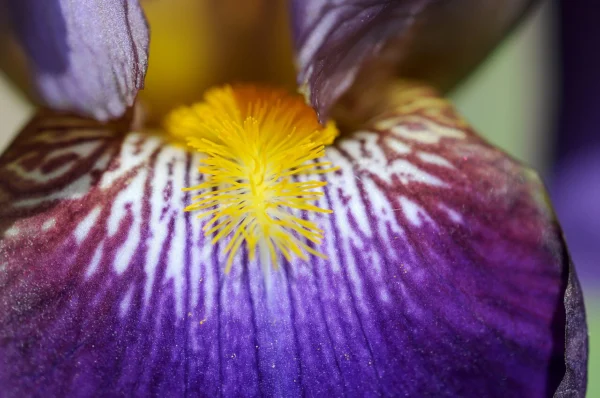
In wetter western gardens, choose the planting position carefully for bearded and dwarf bulb irises. A Siberian iris may suit a moisture-retentive border more naturally than repeatedly trying to dry it out.
In warmer, drier districts, keep taller neighbours from shading bearded rhizomes and water new divisions through establishment. Siberian plants may need help during a prolonged dry spell.
Cooler gardens often flower later than sheltered southern sites. Choose a mix of groups for a longer display, but keep their watering and planting-depth requirements separate within the planting plan.
Photo: Dominicus Johannes Bergsma, CC BY-SA 4.0. Resized and optimised; cropped for display. Adapted image under the same licence.
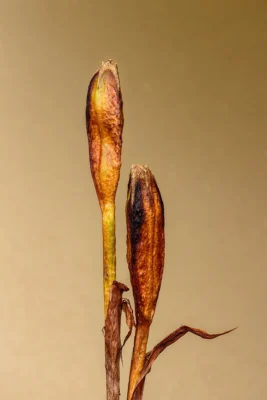
For bearded irises, check shade, buried rhizomes and overcrowding. Newly divided plants may need time to settle. Bulbs can also fail to rebuild flowering size if their leaves were removed too soon.
Rot is encouraged by poor drainage and damaged tissue. Remove badly affected material, clean tools and correct the site conditions before replanting healthy divisions.
Several iris diseases cause spotting. Remove badly affected fallen foliage, improve airflow and avoid repeatedly wetting leaves. Seek a diagnosis if symptoms spread rather than treating every mark as the same disease.
Slugs and snails can damage vulnerable growth. Inspect after dark and protect young plants. Identify other visible larvae before acting, so any response matches the pest actually present.
Check drainage, summer disturbance and premature leaf removal. Some reticulata bulbs split into small offsets and may take time to flower again; replenish a display if conditions do not support reliable return.
Divide crowded bearded irises after flowering, commonly in summer. Retain firm young rhizomes with roots and a leaf fan, discard exhausted or rotten sections and replant shallowly. Established clumps often benefit from attention every few years.
Divide Siberian clumps into well-rooted sections and keep them moist during recovery. Separate bulb offsets when dormant and grow them on patiently. Seedlings are a slower project and do not reliably preserve a named cultivar.
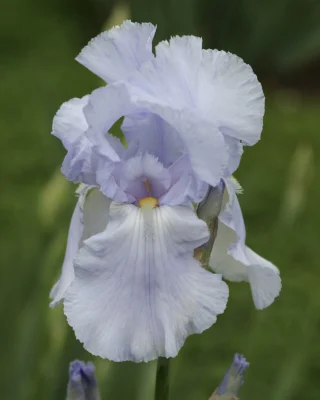
Bearded border irises
Bold flowers and sword-like foliage for sunny, well-drained borders. Choose the height and colour you need, and keep the top of the rhizome open to summer sun.
A bearded iris illustrates this group; individual cultivars vary.
Photo: Paradise Chronicle, CC BY-SA 4.0. Resized and optimised; cropped for display. Adapted image under the same licence.
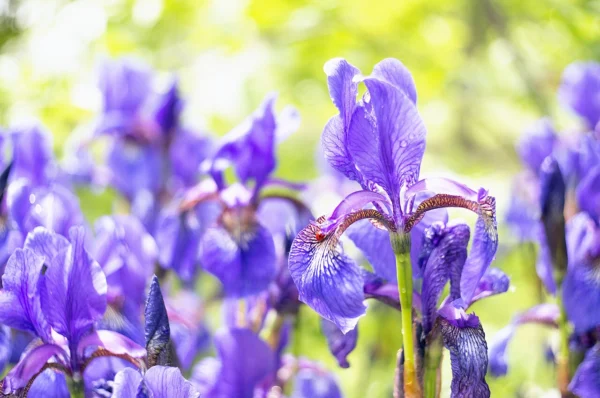
Siberian irises
Graceful flowers above narrow, upright leaves, useful in a moisture-retentive mixed border. Grow the crown normally in soil rather than exposing it like a bearded rhizome.
Siberian iris illustrates the group.
Photo: Retro Lenses, CC BY 4.0. Resized and optimised; cropped for display.
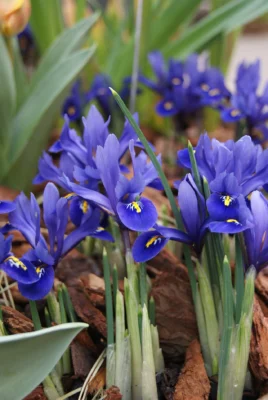
Dwarf reticulata irises
Small autumn-planted bulbs for late-winter and early-spring colour. Use a sunny, freely drained position or a pot where their short flowers can be enjoyed close up.
Iris reticulata Harmony illustrates the dwarf bulb group.
Photo: Danny S., CC BY-SA 4.0. Resized and optimised; cropped for display. Adapted image under the same licence.
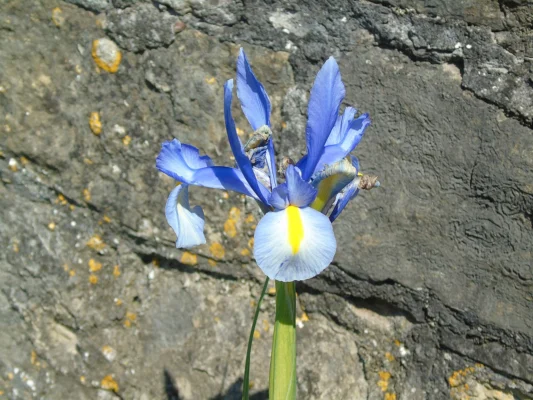
Dutch irises
Bulb-grown irises with slim stems and late-spring or early-summer flowers. They suit borders and cutting beds, with the foliage left to finish its growth after flowering.
Dutch iris illustrates the bulb-grown group.
Photo: Fernando Losada Rodríguez, CC BY-SA 4.0. Resized and optimised; cropped for display. Adapted image under the same licence.
Check whether you are buying a bulb, a bearded rhizome or a potted border plant. Match its moisture needs, height and planting depth to the space available, and keep the supplier’s label for future division.
Open iris flowers may attract visiting insects. A varied planting with flowers before and after the iris season supports a longer period of garden activity.
Keep these ornamental plants out of food use: irises are harmful if eaten. Wear gloves for division and handling, and store bulbs and rhizomes separately from edible planting stock.
Published by Buy From Farmers Direct. Growing guidance reviewed 6 October 2026. The seasonal timeline uses the shared BFFD Growers Calendar record; adjust timings to your variety and local conditions.
Bearded iris rhizomes should have their tops partly exposed, with roots covered. Siberian crowns and true iris bulbs need different planting treatment.
Plant common dwarf and Dutch iris bulbs in autumn, following their packet for depth and spacing.
Siberian iris suits a moisture-retentive border. For standing water or a pond edge, choose a specifically suitable wetland iris rather than assuming every iris is aquatic.
Check whether its rhizome is buried, shaded or crowded. A recently moved plant may also need a season to establish.
Keep healthy foliage to feed the plant. Remove spent flower stems, then tidy leaves when damaged or naturally dying back.
Yes, especially dwarf bulbs and suitably sized cultivars. Use drainage holes, the correct planting depth and watering matched to the iris group.
An iris is easier to grow once its group is understood. Put the right roots in the right conditions, preserve healthy leaves and divide only when the planting needs it.
Explore more growing guides: Hyacinth, Allium (Ornamental), Anemone.
Want to get food independence, support your local grower, get better prices and shop more privately?
Local food isn’t just something you find. It’s something you protect. A free account helps keep local supply visible, supported, and resilient.

….it takes 30 seconds for food lovers and 5 minutes for suppliers
We built this for people who care where their food comes from. For people who want to remain food secure. For Farmers to get to the local people, who deserve a better income and to deliver a better price for you. For the environmentally conscious and the privacy-conscious. An account simply helps us make the map and supplier reach more useful to you, without changing how open it is. You’re always in control.


Find local food. Stay connected to it. Create a free account to support local producers and be part of a growing food network.


