Yarrow brings fine foliage and broad flower heads to a sunny planting without demanding rich soil. The familiar wild species, Achillea millefolium, suits a looser wildlife area, while named garden selections offer stronger colours and more deliberate border combinations. Choose the form to suit the space: a spreading patch in grassland is a different proposition from a compact group beside other perennials.
Summer flowers
Hardy perennial
Sunny position
Free draining soil
Useful for cutting
| Botanical focus | Achillea millefolium and garden yarrow selections |
| Plant family | Asteraceae |
| Life cycle | Herbaceous perennial |
| Habit | Spreading clumps with upright flower stems |
| Light | Full sun preferred |
| Soil | Free draining; avoid winter saturation |
| Fertility | Modest fertility suits border plants |
| Moisture | Water young plants; drought tolerant when established |
| Height | Often 30 to 90cm; cultivar dependent |
| Spread | Allow 30 to 60cm, with room to manage spreading clumps |
| Flowers | Many small flower heads in broad clusters |
| Flower season | Summer into autumn, depending on cultivar and cutting |
| Foliage | Finely divided, fernlike leaves |
| Main planting time | Spring as the soil warms |
| Seed route | Suitable species and seed strains in spring |
| Division | Spring, when active growth resumes |
| Feeding | Usually unnecessary in ordinary border soil |
| Container use | Compact cultivars in drained pots |
| Wildlife | Flowers used by a range of visiting insects |
| Scope | Ornamental planting and flower cutting |
| Plant name | Crop type | Spacing |
Sow indoors
Plant outdoors
Harvest
Polytunnel | |||||||||||
|---|---|---|---|---|---|---|---|---|---|---|---|---|---|---|
| Jan | Feb | Mar | Apr | May | Jun | Jul | Aug | Sep | Oct | Nov | Dec | |||
| Yarrow | Not recorded | Usually 30 to 60cm between clumps; check cultivar and manage spread | No activity recorded | No activity recorded | Sow indoors, Plant outdoors | Sow indoors, Plant outdoors | Sow indoors, Plant outdoors | Harvest | Harvest | Harvest | Plant outdoors, Harvest | No activity recorded | No activity recorded | No activity recorded |
Sow indoors: March, April, May. Plant outdoors: March, April, May, September. Harvest: June, July, August, September. Polytunnel: no months recorded.
March to May is the main planting and optional seed raising window once conditions are suitable. September planting can work on a well drained site, but spring is preferable where winters are wet. June to September harvest means cutting ornamental flowers, not gathering a food or medicinal crop. No routine polytunnel season is needed for an established hardy border plant. Seedlings and newly divided clumps need aftercare before being treated as drought tolerant.
Choose yarrow for an open, bright part of the garden where water drains readily. Its broad flower plates contrast well with upright flower spikes and airy grasses. Decide whether you want a natural spreading patch or a more controlled colour group before choosing wild stock or a named selection.
Avoid placing it in a rich, constantly irrigated corner simply because other border flowers like those conditions. Excessively soft growth can spoil the upright habit. Where every available bed stays wet through winter, a suitable container or a different plant is more sensible than repeatedly replacing failed clumps.
Photo: O. Pichard, CC BY-SA 3.0. Resized and optimised; cropped for display. Adapted image under the same licence.
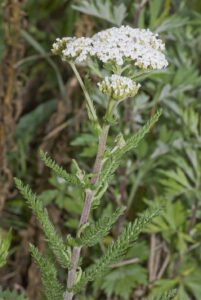
A sunny mixed border gives the flower heads space to rise above their foliage. Position shorter cultivars where they remain visible and reserve taller types for a place where their stems can develop without leaning into a path.
A gravel planting can suit yarrow when the soil beneath actually drains. Decorative stone over compacted wet ground does not change the root environment, so assess the site before planting rather than relying on the surface appearance.
Wild yarrow can be useful in a meadow style area or a flower rich lawn. Allow for its spreading habit and match mowing to the intended display. A finely maintained ornamental lawn is a different use, where the same spread may be unwelcome.
A drained pot is useful for a compact named variety. Choose a container large enough for a real root system and stable enough for the stems. Leave watering access between neighbouring pots rather than packing the foliage tightly together.
Photo: Plenuska, CC BY-SA 4.0. Resized and optimised; cropped for display. Adapted image under the same licence.
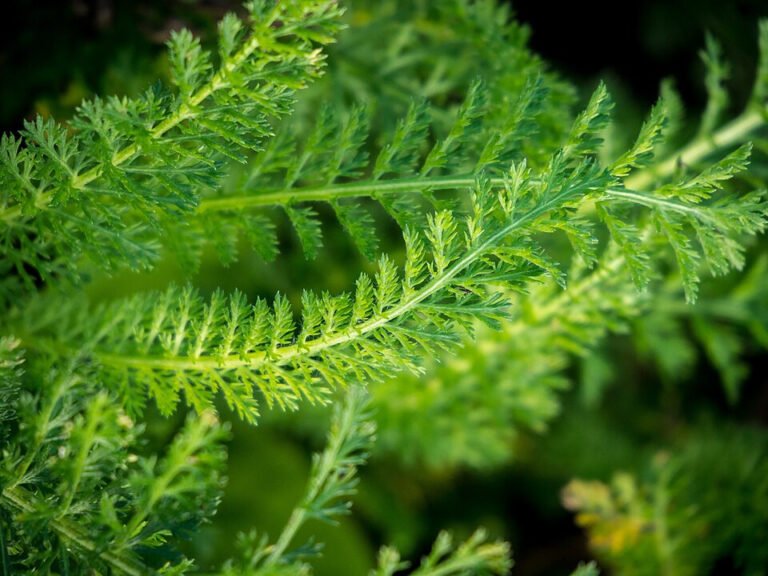
Establish yarrow without turning its planting area into a heavily enriched pocket. The aim is a firm, well drained root environment and enough light for sturdy stems. Young plants still need moisture while they settle, even when the final planting is intended to tolerate dry weather.
1.
Choose a named cultivar for a particular colour and height, or use correctly identified wild yarrow for a naturalistic patch. Read the expected spread before ordering several plants for a small border.
2.
Wait until the soil is workable and beginning to warm for the main spring planting. Avoid forcing roots into a cold, saturated hole simply because plants have arrived by post.
3.
Clear perennial weeds and decide how you will reach the clumps for later division. Check that adjacent shrubs or tall flowers will not shade the yarrow as the planting fills out.
4.
Set the pots on the ground to judge spacing. Use the cultivar’s mature width and the intended effect, keeping some breathing room around individual plants rather than treating nursery pot edges as a spacing guide.
5.
Water each rootball before removing its pot. Dig a hole just large enough to accommodate it and keep the crown at the previous soil level, without burying the lower leaves.
6.
Backfill and firm carefully, then water the root area to settle it. Do not add a concentrated layer of fertiliser beneath the roots or mound rich manure against the crown.
7.
Check the young clumps through dry spells while new roots develop. Remove competing weeds by hand where cultivation might damage the shallow developing root system.
8.
Label the cultivar and record the flowering height and spread during the first season. That observation helps you judge future division, supports and companion spacing in this particular site.

Watering
Water a new planting during dry weather until the roots have extended into the surrounding ground. Check the soil where the rootball sits, because a brief shower may wet foliage and leave the roots dry. Gradually adjust care as the clump becomes established.
An established border clump usually needs far less intervention than a newly planted one. Pots are different: inspect compost moisture regularly in warm weather and let excess water escape. Avoid alternating complete drying with prolonged standing water around the roots.

Feeding
Yarrow in ordinary garden soil usually needs no additional feed. Strong but floppy stems can be a reason to reduce richness and review light, rather than adding another product. Keep manure and highly fertilised runoff from a neighbouring crop away from the planting.
A container’s initial nutrients are eventually used up. Feed modestly with a suitable product during active growth, following its label and the compost instructions. Aim for balanced growth rather than trying to produce the tallest possible stems.

Pruning
Cut spent flower stems back to useful lower growth if you want to encourage further flowers. Leave some standing heads where their shape and seasonal wildlife interest are welcome. Those choices can be made clump by clump rather than applying one treatment to the whole border.
Tidy old growth in spring without damaging fresh shoots. Divide a tired or overcrowded clump when needed, retaining healthy outer sections. If a cultivar has begun to spread into a neighbour, correct the boundary while the growth is still easy to lift.

Winter care
Good drainage is more useful than enclosing a hardy yarrow in unnecessary warmth. Keep its crown from becoming buried beneath a dense wet layer of fallen leaves. Retain sound standing stems if they suit the garden, then remove the remains before vigorous new growth develops.
Check pots after prolonged rain and make sure their drainage holes remain open. A sheltered position can help a particularly wet container, but do not forget it entirely: compost under cover may become very dry while the rest of the garden is damp.
Yarrow has finely divided leaves and broad, relatively flat clusters made up of many tiny daisy family flower heads. The wild species is often white or pale pink, while cultivated selections cover a wider colour range. Look at the leaf and flower structure together rather than identifying it from colour alone.
The wider Achillea group includes plants with different requirements. Sneezewort, Achillea ptarmica, is not simply a white version of dry border yarrow and can prefer moister conditions. Keep botanical labels so a mixed collection receives care appropriate to each plant.
Photo: Flocci Nivis, CC BY 4.0. Resized and optimised; cropped for display.
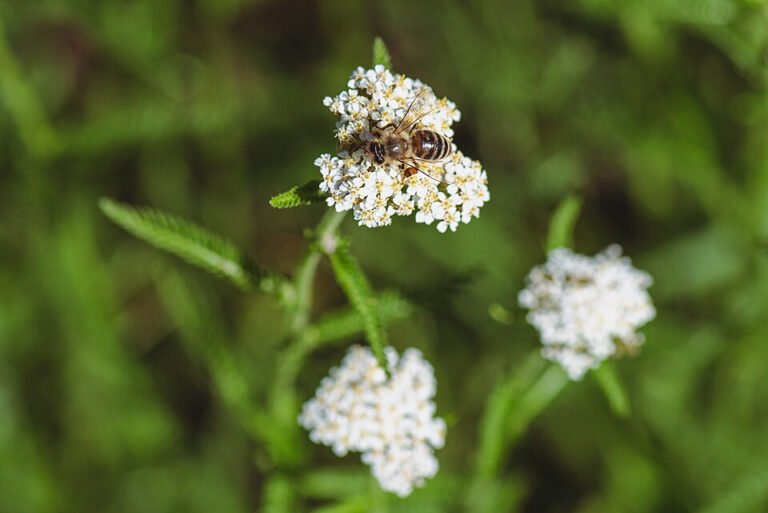
In wet western gardens or heavy clay, pay particular attention to winter drainage and choose spring establishment. An exposed dry summer border may be suitable even where another bed on the same property remains too wet for these plants.
In sunnier dry districts, use the mature plant’s tolerance sensibly while still watering recent divisions and new nursery stock. Dry garden planting does not remove the need to establish a root system during the first season.
For cutting, take stems while the heads are in good condition and place them promptly in clean water. Leave enough foliage and flowering growth to keep the garden display useful. Treat this as ornamental flower production; the guide does not cover edible or medicinal use.
Photo: llysmlv, CC BY 4.0. Resized and optimised; cropped for display.

Review shade, overly rich soil and excessive feeding. A compact cultivar in a sunnier position may be a better long term answer than tying up a plant that repeatedly grows soft stems.
Inspect for saturated soil and rotting crowns. Correct the site problem before replacing the plant or dividing material from an unhealthy clump.
Powdery mildew can affect stressed plants. Maintain sensible moisture and air movement, avoid crowding and identify the problem before choosing any treatment.
Wild yarrow can extend through underground growth and seed. Lift unwanted rooted sections, remove selected spent flowers and choose a less vigorous garden selection where control matters.
Lift and divide a healthy ageing clump in spring. Replant vigorous sections in suitable ground and discard dead or exhausted central material.
Division preserves the characteristics of a chosen clump. Lift it in spring, separate sound rooted sections and replant promptly at a sensible size. Keep them watered during establishment rather than treating freshly disturbed roots like an established drought tolerant plant.
Seed is useful for species and named seed mixtures, following packet instructions. Seedlings from a particular garden cultivar may vary, so use division when matching an existing colour or habit matters. Label both the source plant and any new divisions.

Common yarrow
Achillea millefolium suits a naturalistic patch where its spreading habit is welcome. Its pale flowers and fine foliage give a softer effect than many strongly coloured cultivars.
Source identified Achillea millefolium flower heads.
Photo: Petar Milošević, CC BY-SA 4.0. Resized and optimised; cropped for display. Adapted image under the same licence.
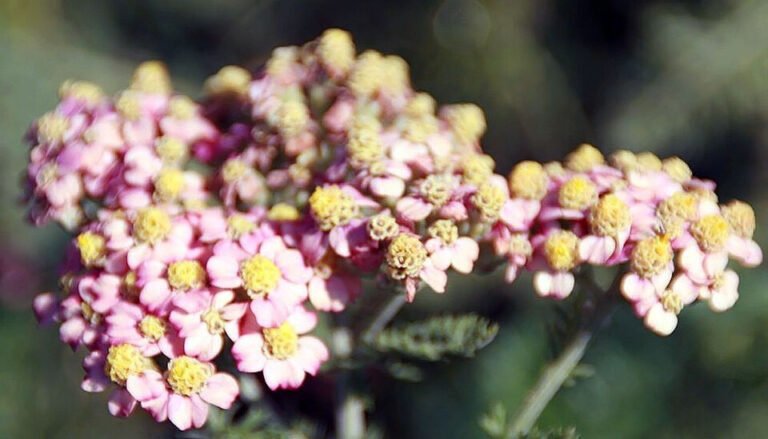
Paprika
A red flowering selection to compare for a sunny border. Retain the nursery identity because flower colour changes with age and a photograph alone cannot confirm a cultivar.
Source identified Paprika yarrow, showing paler flower tones.
Photo: Photo by David J. Stang, CC BY-SA 4.0. Resized and optimised; cropped for display. Adapted image under the same licence.
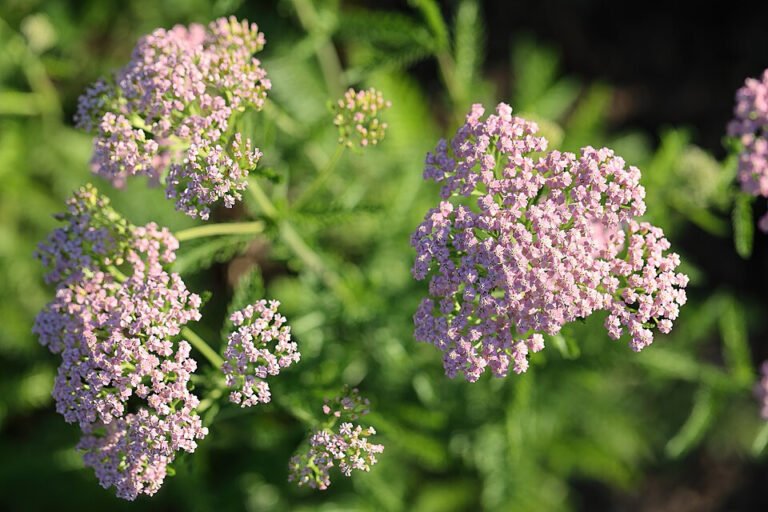
Cerise Queen
A stronger pink or magenta choice within garden yarrow. Allow enough room for the clump and compare the labelled mature dimensions with its neighbours.
Source identified Achillea millefolium Cerise Queen.
Photo: Cephas, CC BY-SA 4.0. Resized and optimised; cropped for display. Adapted image under the same licence.
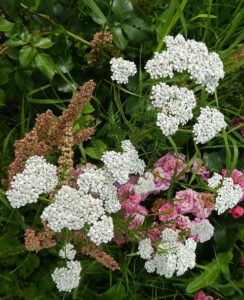
Summer Pastels
A seed raised mixture offering varied softer colours. Expect a mixed planting rather than identical copies of one flower shade.
Mixed yarrow colours shown for comparison; Summer Pastels strain identity is not authenticated.
Photo: Екатерина Борисова, CC BY-SA 4.0. Resized and optimised; cropped for display. Adapted image under the same licence.
Match the plant’s height and spreading habit to its place in the garden. Select a labelled cultivar for a planned colour group or a species plant for a naturalistic area, then establish it with appropriate watering.
The open flower clusters give visiting insects a broad feeding surface. A mixture of flowering shapes and seasons is more useful than relying on one plant to provide everything. Observe which parts of your planting are being used and leave some flowers for those visitors when cutting stems.
Retaining a proportion of sound stems and seedheads adds seasonal structure. Clear them in stages when new growth requires space, and avoid routine insecticide use on open flowers. Wear gloves when handling plants if your skin reacts to the foliage.
Published by Buy From Farmers Direct. Growing guidance reviewed 11 October 2026. The seasonal timeline uses the shared BFFD Growers Calendar record; adjust timings to your variety and local conditions.
Usually not. A well drained position with modest fertility generally produces a more useful border plant than repeated heavy feeding.
Established clumps tolerate dry conditions, but new plants, divisions and pots still need appropriate watering.
Deadheading can encourage more flowers. You can also retain some heads for structure and wildlife interest, depending on the garden’s purpose.
The species can spread through underground growth and seed. Plan for that habit, or choose and manage a garden cultivar in a defined space.
No. This guide focuses on yarrow and similar sunny border selections. Other species, including sneezewort, can have different moisture needs.
No. Here it refers only to ornamental flower cutting. No edible or medicinal use is advised by this guide.
Choose a suitable yarrow, establish it well and avoid unnecessary feeding. Selective cutting and occasional division keep the clump manageable.
Explore more growing guides: Aster (New York), Iris, Lupine.
Want to get food independence, support your local grower, get better prices and shop more privately?
Local food isn’t just something you find. It’s something you protect. A free account helps keep local supply visible, supported, and resilient.

….it takes 30 seconds for food lovers and 5 minutes for suppliers
We built this for people who care where their food comes from. For people who want to remain food secure. For Farmers to get to the local people, who deserve a better income and to deliver a better price for you. For the environmentally conscious and the privacy-conscious. An account simply helps us make the map and supplier reach more useful to you, without changing how open it is. You’re always in control.


Find local food. Stay connected to it. Create a free account to support local producers and be part of a growing food network.


