Grain amaranth is grown for the tiny seeds held in its large flower heads. It is a broad leaved crop, not a cereal grass, although its seed is used in similar ways. The main grain species are Amaranthus caudatus, Amaranthus cruentus and Amaranthus hypochondriacus. In the UK, a warm summer and a suitable early selection matter: a spectacular flower head does not guarantee a dry, usable grain harvest before autumn weather closes in.
Warm season annual
Seed crop
Full sun
Frost sensitive
Trial before scaling
| Botanical name | Amaranthus caudatus, A. cruentus and A. hypochondriacus |
| Family | Amaranthaceae |
| Crop type | Pseudocereal grown for seed |
| Life cycle | Annual in UK cultivation |
| Main distinction | Grain selection rather than ornamental bedding |
| Height | Often 1m to 2m; selection dependent |
| Light | Full sun |
| Exposure | Warm and sheltered |
| Soil | Loose soil with good drainage |
| Frost tolerance | Frost sensitive |
| Sowing | Spring under protection or into warm outdoor soil |
| Planting out | After frost risk, while plants are young |
| Suggested garden spacing | 30cm between plants; 60cm between rows |
| Harvest window | Late summer to autumn if grain ripens |
| Harvest sign | Mature seeds release readily from the head |
| Storage requirement | Clean, thoroughly dried seed |
| Propagation | Seed |
| Early care | Keep weeds from smothering seedlings |
| Feeding | Avoid excessive nitrogen |
| UK reliability | Variable; depends on selection and weather |
| Plant name | Crop type | Spacing |
Sow indoors
Plant outdoors
Harvest
Polytunnel | |||||||||||
|---|---|---|---|---|---|---|---|---|---|---|---|---|---|---|
| Jan | Feb | Mar | Apr | May | Jun | Jul | Aug | Sep | Oct | Nov | Dec | |||
| Amaranth (Grain) | Grains | Single 0.30m, In row 0.30m, Row gap 0.60m | No activity recorded | No activity recorded | No activity recorded | Sow indoors, Polytunnel | Sow indoors, Plant outdoors, Polytunnel | Plant outdoors, Polytunnel | Polytunnel | Polytunnel | Harvest, Polytunnel | Harvest | No activity recorded | No activity recorded |
Sow indoors: April, May. Plant outdoors: May, June. Harvest: September, October. Polytunnel: April, May, June, July, August, September.
This calendar shows grain production, so Harvest means mature seed rather than leaves or ornamental stems. Protected sowing in April can help a small UK trial, with outdoor sowing or planting in May or June only when warmth and frost conditions are suitable. September and October are indicative harvest months, not a promise of ripeness. Polytunnel months cover spring establishment and possible warm season growth; a tunnel may still freeze and cannot make immature seed instantly ripe.
Grain amaranth suits a curious grower with a sunny bed, space for tall plants and somewhere dry to finish cleaning a modest harvest. Begin with a small trial and named seed sold for grain. Compare the result with the effort of drying and cleaning it before increasing the area.
It is less dependable in a cold, exposed garden or where autumn is consistently wet. If your main aim is ornamental colour, choose from the separate Amaranthus guide. If you want leaves, buy a recognised vegetable selection and follow leaf crop instructions instead of repeatedly stripping a plant intended for grain.
Photo: H. Zell, CC BY-SA 3.0. Resized and optimised; cropped for display. Adapted image under the same licence.
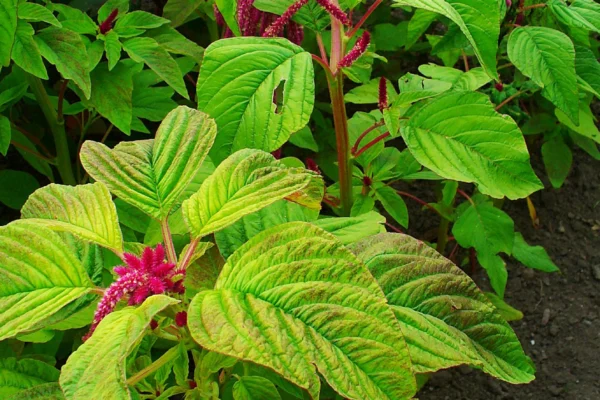
Give the crop the warmest suitable open bed you have. Avoid a location shaded by buildings or trees for much of the day. Tall plants can cast their own shade, so position them where they will not deprive shorter summer crops of light.
Drainage matters at both establishment and harvest. Work the soil into a fine, even surface and remove persistent weeds first. Tiny amaranth seedlings can be lost among stronger weeds long before the mature crop becomes imposing.
For a manageable garden trial, allow about 30cm between plants and 60cm between rows, then adjust to the seed supplier’s directions. Commercial densities differ and should not be copied blindly into a small garden where access and hand harvesting matter.
A polytunnel can offer warmth, but tall selections need headroom and ventilation. Measure the usable height near the sides as well as the centre. Keep leaves and seed heads clear of wet plastic, and leave enough access to inspect and support the plants.
Photo: Planteur, CC BY-SA 3.0. Resized and optimised; cropped for display. Adapted image under the same licence.
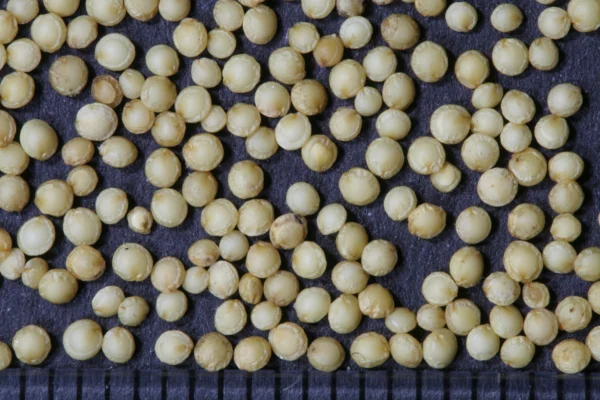
A successful grain crop starts with the right seed and a realistic season. Select a strain intended for grain in a temperate climate, then establish it without a long spell of cold, checked growth.
1.
Buy clearly identified grain amaranth seed from a reliable supplier.
2.
Label the selection and record its stated maturity information.
3.
For protected sowing, use small modules and a fine, free draining seed compost.
4.
Sow thinly and follow the packet depth and temperature guidance.
5.
Keep seedlings bright and evenly moist without saturating the compost.
6.
Harden them gradually and plant while young, after frost risk has passed.
7.
Alternatively, direct sow thinly into a warm, weed free seedbed.
8.
Thin to a workable spacing, water in and inspect for weeds throughout establishment.

Watering
Keep the seedbed or modules reliably moist during germination and early rooting. Apply water gently so tiny seeds are not carried into clumps. A plant that survives a dry spell may still lose valuable growing time during a short UK season.
Established amaranth can cope with some dry conditions, but do not use that as a reason to neglect a small grain trial. Check the root zone during prolonged drought, especially around flowering and seed development. Containers and protected beds need their own checks.

Feeding
Use modest fertility appropriate to the soil. Excess nitrogen can create very tall, soft plants that lean or fall, making the eventual harvest harder. A bigger plant is not automatically a better grain producer.
If scaling beyond a garden trial, use soil testing and crop specific professional advice rather than converting an overseas fertiliser rate directly to a UK bed. Keep records of additions and crop response so future decisions rest on your own site’s evidence.

Pruning
Let plants intended for grain develop their seed heads. Do not follow ornamental pinching or repeated cutting instructions unless the chosen production method specifically requires them. Removing the main growing point changes the plant structure and can complicate maturity.
Support vulnerable plants before they fall across the row. During late summer, inspect representative heads frequently. Rub a small sample gently over a pale tray to check whether firm, mature seeds are releasing, rather than relying on head colour alone.

Winter care
Grain amaranth is a warm season annual and will not provide a continuing outdoor crop through a UK winter. Plan to finish harvest and drying before prolonged damp conditions damage the seed. Frost can end the plant’s growth; it does not ripen an immature crop.
After harvest, clean away spent stems and volunteer seedlings as appropriate. Store labelled seed only when thoroughly dry, and inspect it periodically. Seed that smells musty or shows mould should not be treated as sound food or sowing material.
Grain amaranths are upright plants with broad leaves and dense seed bearing flower heads. The three principal grain species overlap in appearance with ornamental selections. Colour, height or a dramatic tassel alone does not tell you that a plant is a productive grain variety.
Keep the supplier label from sowing to harvest. Do not collect unidentified roadside amaranths for food, or assume ornamental seed packets carry the same growing and use information as grain seed. The comparison photographs identify species; they are not evidence that the pictured plant is a recommended UK grain cultivar.
Photo: Magnus Manske, CC BY-SA 3.0. Resized and optimised; cropped for display. Adapted image under the same licence.
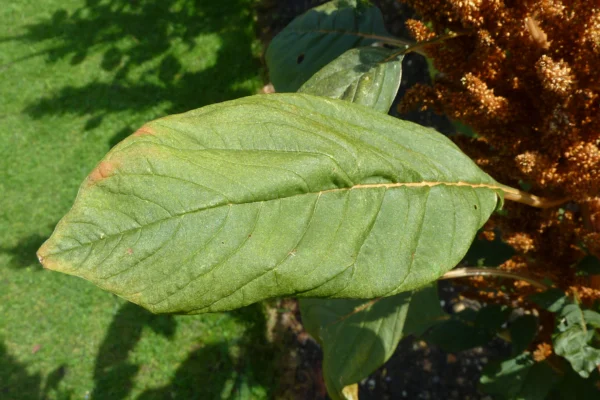
The main uncertainty is completing seed development within the local season. Overseas maturity figures were produced in different temperatures and day lengths. Treat them as selection information, then record actual sowing, flowering and ripening dates in your own garden.
Choose a dry day for cutting ripe heads. Handle them over a sheet or tray because the seeds are very small. Finish drying in a clean, airy place protected from rain, then rub or thresh gently and separate the seed from chaff with suitable sieves.
Clean seed must be dry enough for safe storage before it goes into a closed container. A food crop deserves more care than a decorative dried head. For a larger harvest or commercial production, obtain suitable moisture testing and handling advice instead of judging dryness by appearance alone.
Photo: Jebulon, Public domain. Resized and optimised; cropped for display.
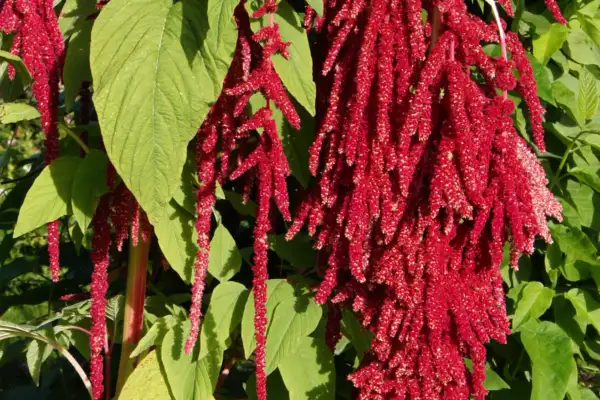
The selection may mature too late for your season, or cold weather may have delayed growth. Record flowering dates and try an earlier grain strain or a smaller protected trial next year.
Amaranth is vulnerable to competition when young. Prepare a clean seedbed, mark the rows and weed carefully before neighbouring plants become difficult to distinguish.
Wind, wet soil and excessive nitrogen can contribute to lodging. Add support early, review spacing and avoid repeated feeding intended only to increase height.
Crowded growth and autumn rain can prevent useful drying. Harvest ripe heads in suitable weather and provide clean, airy finishing conditions rather than stacking wet heads.
Check maturity and adjust the cleaning method. Use a tray and fine sieves, work in small batches and retain a sample so edible grain is not accidentally blown away with light debris.
Raise grain amaranth from seed. Where saving seed is worthwhile, collect from healthy plants whose identity and performance you have recorded. Keep different selections clearly labelled through drying and storage, not just while they are in the bed.
Neighbouring amaranths can affect the purity of saved seed. Buy fresh named seed when a consistent crop is essential. For a small experimental plot, record that saved seed is a garden population rather than silently presenting it as a guaranteed copy of the original variety.
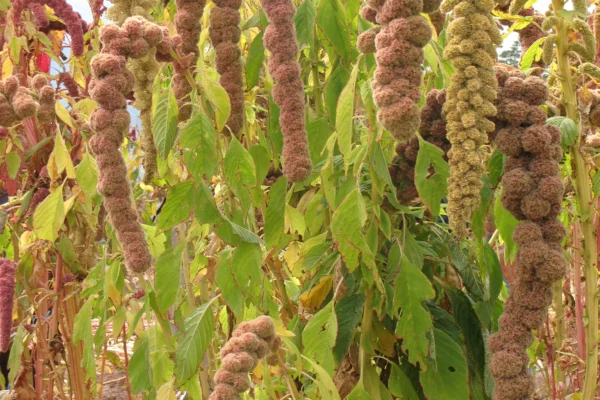
Amaranthus caudatus
One of the principal grain species, associated with Andean kiwicha. Some forms have conspicuous hanging heads. Select a strain sold for grain and suited to your season rather than assuming every ornamental tassel form is equivalent.
Photo: Michael Hermann, CC BY-SA 3.0. Resized and optimised; cropped for display. Adapted image under the same licence.
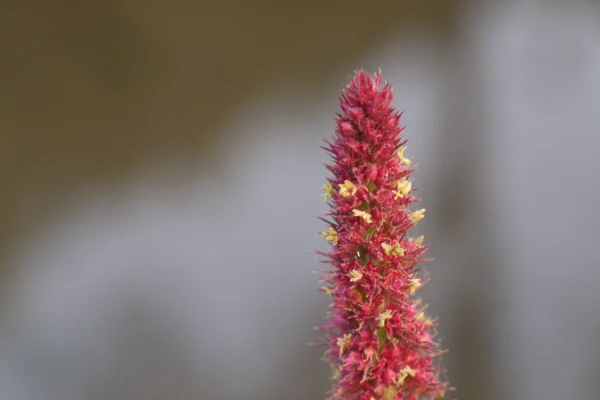
Amaranthus cruentus
An important grain species that also includes ornamental and leaf selections. Its upright heads make species recognition useful, but cultivar purpose and maturity remain more important than colour.
Photo: Dinesh Valke, CC BY-SA 2.0. Resized and optimised; cropped for display. Adapted image under the same licence.
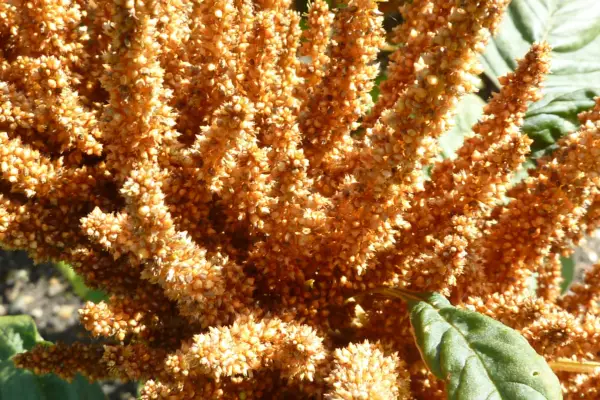
Amaranthus hypochondriacus
Another principal grain species, also seen as prince’s feather in ornamental planting. Some selections mature late, so ask specifically about temperate grain production before allocating a large area.
Photo: Magnus Manske, CC BY-SA 3.0. Resized and optimised; cropped for display. Adapted image under the same licence.
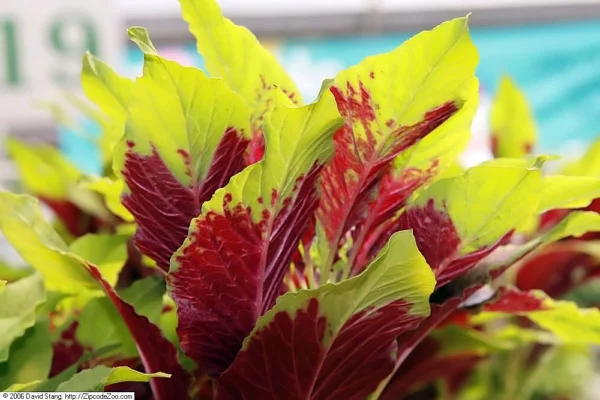
Amaranthus tricolor: leaf crop comparison
Included to clarify the difference, not as a fourth recommended grain species. This amaranth is commonly grown for leaves or coloured foliage. Choose a recognised grain selection instead when the intended harvest is seed.
Photo: David J. Stang, CC BY-SA 4.0. Resized and optimised; cropped for display. Adapted image under the same licence.
Explore the BFFD map for growers and specialist producers. Ask directly about grain amaranth, the named selection and whether you are buying sowing seed or food grain. Availability and suitability should be checked with the seller.
Ripening seed may attract birds, which can also signal that the crop deserves closer inspection. Balance any seed protection with wildlife access elsewhere in the garden, and secure netting carefully if it is used.
Amaranth should not be promoted as a substitute for a varied flowering border. Its pollination biology differs from showy nectar rich bedding plants. Keep other useful flowers around the plot to support insects through the season.
Published by Buy From Farmers Direct. Sources checked 4 October 2026. Growing references: University of Wisconsin and Minnesota: Amaranth; Ontario Ministry of Agriculture: Grain Amaranth; RHS: Amaranthus; University of Florida: Amaranth; NC State Extension: Amaranthus hypochondriacus; NC State Extension: Amaranthus tricolor; University of Nevada: Potential of Amaranth as a New Crop. The seasonal timeline uses the shared BFFD Growers Calendar record; adjust timings to your variety and local conditions.
Yes, as a trial in a warm, sunny position with a suitable grain selection. Reliable ripening is the challenge. Cold summers and wet autumns may prevent a useful harvest even when the plant grows well.
For a small UK trial, sow under protection in spring or directly into warm soil after frost risk has passed. Follow the selection’s instructions and avoid holding seedlings too long in small modules.
Check that firm mature seeds release from representative heads when gently rubbed. Head colour alone is not reliable. Cut ripe heads in dry weather and finish drying and cleaning them under cover.
They can belong to the same species, but ornamental selections are chosen for appearance and may be poor grain choices. Buy seed described for the intended crop and keep its identity recorded.
A tunnel can provide extra warmth, provided it has sufficient height, ventilation and water. It does not guarantee ripening, and an unheated tunnel can still freeze.
Yes, from healthy, mature plants, once seed is clean and thoroughly dry. Garden saved seed may vary after cross pollination. Use fresh named seed where predictable identity and performance are important.
Use the Growers Calendar to plan a small grain amaranth trial and record the results from your own plot. The BFFD directory can help you discover local growers and specialist producers to contact about seed or food crops.
Explore more growing guides: Amaranthus, Artichoke (Globe), Asparagus.
Want to get food independence, support your local grower, get better prices and shop more privately?
Local food isn’t just something you find. It’s something you protect. A free account helps keep local supply visible, supported, and resilient.

….it takes 30 seconds for food lovers and 5 minutes for suppliers
We built this for people who care where their food comes from. For people who want to remain food secure. For Farmers to get to the local people, who deserve a better income and to deliver a better price for you. For the environmentally conscious and the privacy-conscious. An account simply helps us make the map and supplier reach more useful to you, without changing how open it is. You’re always in control.


Find local food. Stay connected to it. Create a free account to support local producers and be part of a growing food network.


